Nikah at a hall
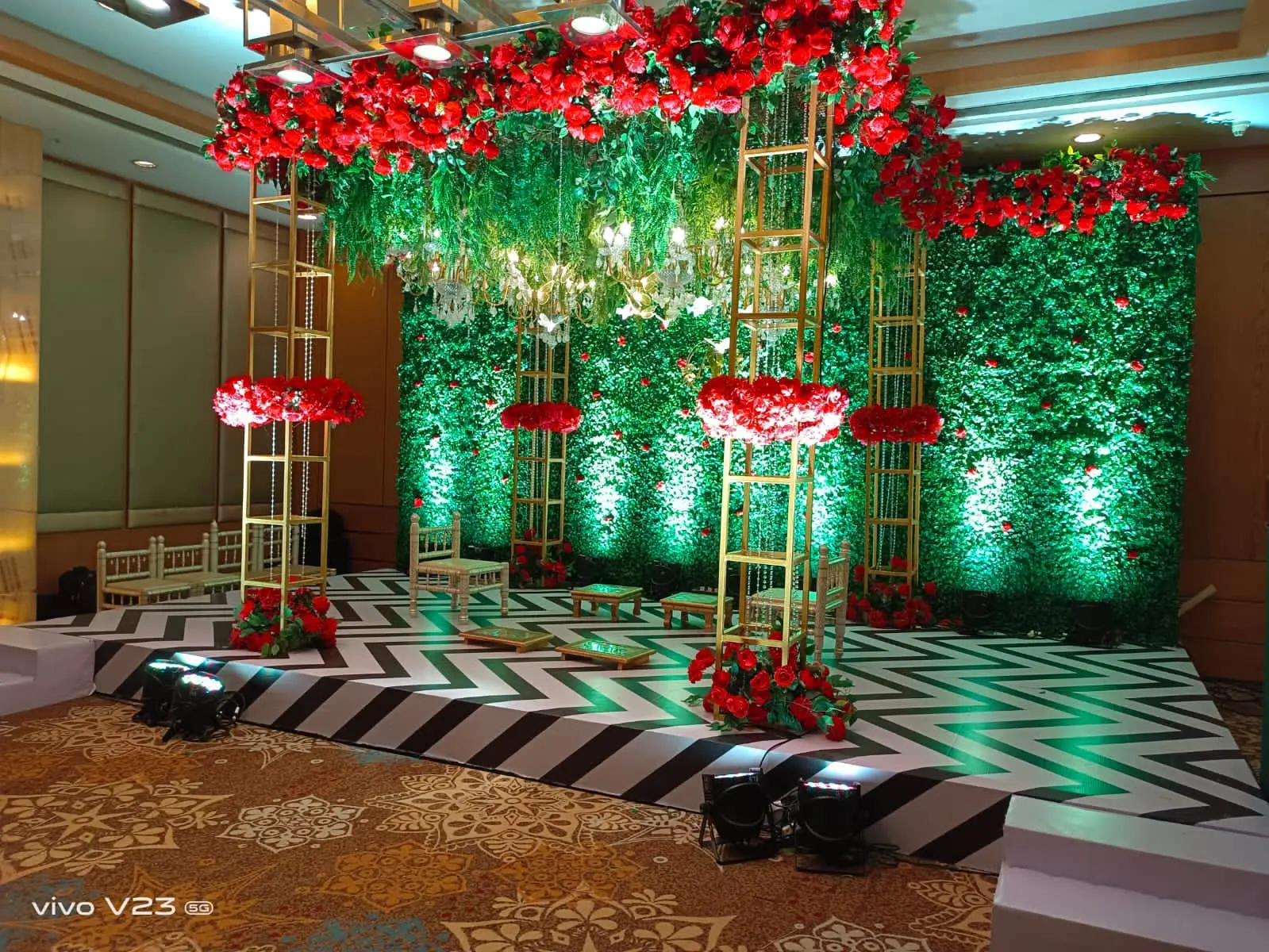
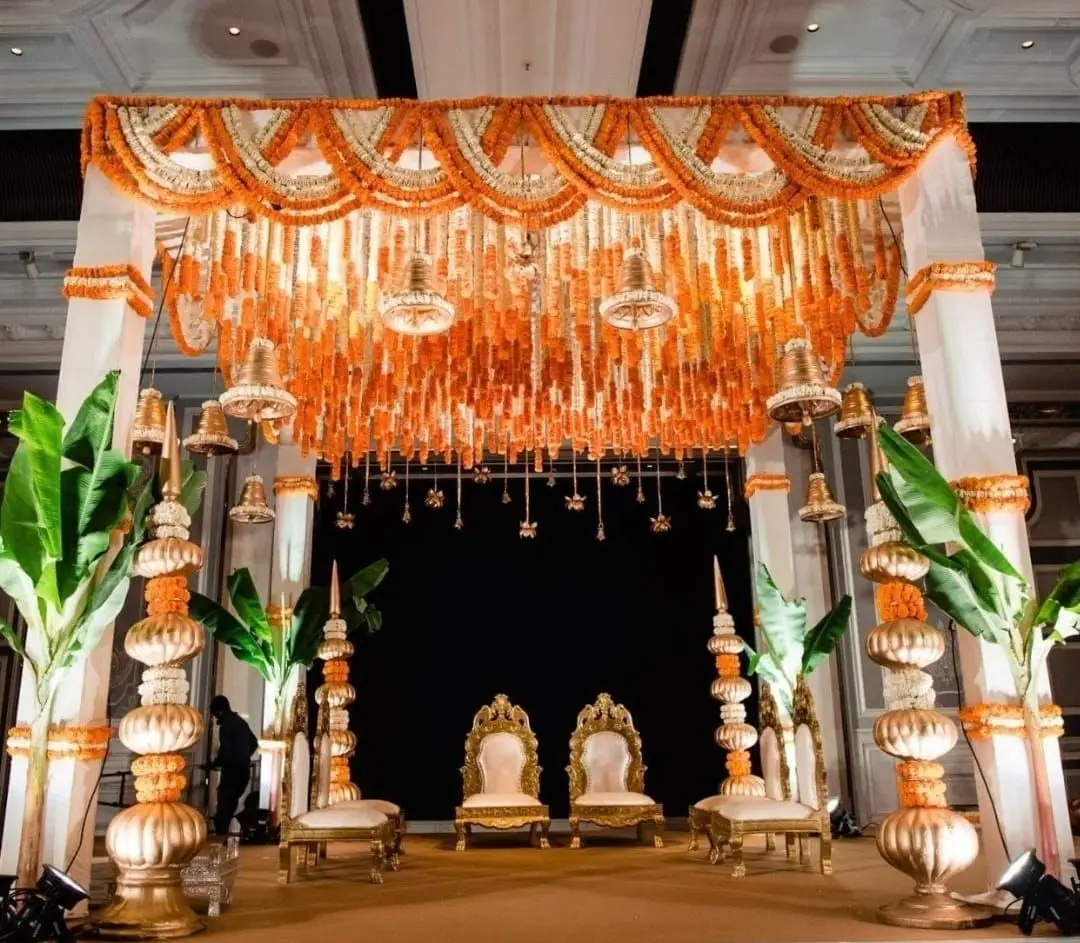
The contract read in a booked hall, with a signing table, witnesses and seating arranged around it.
Shop 7, Ekta Nagri, Near Dwarka Apartment, Anand Nagar, Pune 411051
A nikah takes minutes; the day built around it takes planning. We handle prayer timings, the seating your families ask for, halal food confirmed and timed, and a walima that keeps its own schedule.

A nikah is brief. The contract is read, consent is given before witnesses, the nikahnama is signed, and it can be finished in minutes. Everything else about the day — where guests sit, when prayer falls, how food reaches two sections, when the bride leaves — is where the real planning goes.
Seating is always the first question, because the answer changes catering, the photography brief, the room you book and sometimes the number of rooms. Families ask for very different things, from one hall with everyone together to two halls with their own entrances, and each version carries a practical cost better known early than discovered late.
We plan these functions at banquet halls, community halls and hotels across the city, including the older halls around Camp and the quarters near it. What you receive is a layout drawn for the arrangement your families actually want, prayer breaks written into the running sheet, and a caterer briefed before any menu is agreed.
The contract read in a booked hall, with a signing table, witnesses and seating arranged around it.
A ceremony on mosque premises, with its own hours, its own rules and very limited décor.
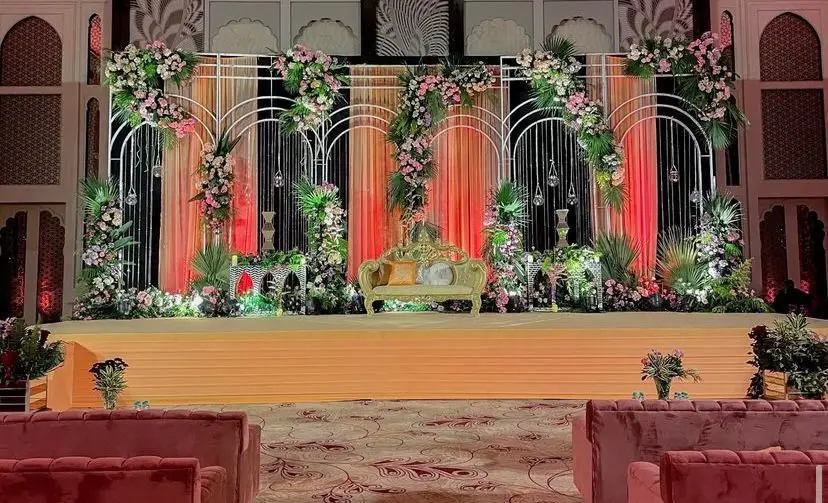
The groom's family's function, usually the largest gathering and the one with a full stage.
A ladies' afternoon of henna and yellow, with privacy at the entrance and service of its own.
Nikah and walima together, needing a changeover, a second menu and a very tight running sheet.
Two halls or a full-height screen, doubled service, and a separate entrance for each section.
A short list at home or in a compact hall, where the signing and the meal are everything.
The reception held here while the contract happened in another city, needing a programme of its own.
Pick the functions you need help with; every one of them is planned for the arrangement your families choose.
A quiet, well-lit area for the qazi, witnesses and the signing table, with seating that keeps elders close by.
Stage, seating and service for the groom's family's function, usually the larger gathering of the two.
A clean room for namaz with water nearby, and a schedule that pauses rather than talking over it.
Screens, two sections or two halls, with entrances, routes and service designed for the arrangement you pick.
Sourcing confirmed in writing, nothing alcoholic on the premises, and service lines planned for each section.
The departure lit and routed, with the car placed so relatives can gather round it and still let it move.
Every photo here is from an event our team planned and ran.
Tell us the date, the guest count, the budget and the feeling you want in the room. We ask the questions most people forget.
You getFirst ideas and a budget range
Theme, décor, stage layout and a minute-by-minute run of show, drawn up and revised until it feels like yours.
You getMoodboard, layout and an itemised quote
Venue shortlists, caterers, artists, anchors and the paperwork — police, music licences and venue approvals — handled by us.
You getLocked vendors, one point of contact
Décor goes up, truss and LED walls are rigged, sound is checked and the anchor rehearses every cue with our show caller.
You getA walk-through before guests arrive
Our crew runs the floor, the stage and the guests. When it is over, we clear the venue and send you the photos.
You getA calm host — you — and the memories
Ask both families how they want guests seated before any hall is shortlisted. That one answer decides the venue, the catering plan, the photography brief and often how many rooms have to be booked.
Families differ and nobody should have to justify a preference. Some want everybody in one room. Some want a full-height screen down the middle. Some want two halls with separate entrances, so women guests never walk past the men's section to reach their own. Some want a single hall used twice, hours apart. Ask plainly, ask both sides, and settle it before a venue is held, because a room that suits one of these is often useless for another. The physical details matter as much as the principle: a screen needs ceiling height and a way of standing without swaying, two sections need two doorways rather than one, and a ladies' area has to be reachable without crossing the other.
Every choice here has knock-on effects in three departments. All of them are easier to budget for than to discover at eight in the evening.
| Arrangement families ask for | What the venue must have | What it does to catering | What it does to photography |
|---|---|---|---|
| One hall, everyone together | A single room with one entrance | One kitchen line and ordinary service | Any photographer, one set of positions |
| One hall with a screen | Ceiling height for a full partition, and two doors | Two service lines working behind the screen | A relay feed, and a woman photographer inside |
| Two sections, no screen | A wide room with clear routes to either side | One kitchen, staff briefed on which side they serve | An agreed no-camera zone on the ladies' side |
| Two halls on one floor | Two rooms sharing a service corridor | Duplicated counters and doubled staff | Two teams, one working each hall |
| Separate timings | One hall, with a changeover gap inside the booking | The kitchen serves twice, hours apart | A single team covering two sittings |
| Ladies-only function | Privacy at the entrance and no through traffic | Women servers wherever the family asks for them | A woman photographer and a stated policy on phones |
Prayer times shift through the year and they will not wait for your programme. Mark them on the running sheet as fixed blocks, exactly as you would mark the ceremony, and arrange things so nothing important happens across them. Maghrib catches people out most, because it arrives precisely as an evening function is filling. Set aside a clean room for namaz with mats, somewhere to wash and a clear indication of direction, placed where guests reach it without walking through the serving area. Warn the caterer and whoever handles music that a pause is coming. A planned pause costs a few minutes; an unplanned one costs half an hour.
The nikah is a contract, and a table serves it better than a platform. The qazi sits with the groom, the witnesses and the family representatives, with room for the nikahnama, pens and the register. Keep that corner quiet and properly lit, because what happens there is spoken and heard rather than watched from across a room. Where the bride sits in a separate section, the consent and the signing still have to reach both sides, so set up a relay — a screen with sound, or witnesses moving between the two — and test it during setup instead of hoping somebody will call across a hall. Settle in advance who photographs what, and where no camera goes.
Catering carries most of the guest experience and nearly all of the complaints. Have halal sourcing confirmed in writing rather than by phone, check that nothing alcoholic is served or stored anywhere on site, and ask how the kitchen keeps preparation separate when the venue is feeding other functions the same day. Where seating is split, plan two lines and two sets of staff rather than one kitchen stretching across both, and ask for women servers on the ladies' side if that is wanted. The walima is generally the bigger function and belongs to the groom's family, so its list, its budget and its timings deserve planning apart from the nikah even when both land on one day. Hall décor in general sits on our banquet hall wedding decoration page; this one handles nikah and walima. For the room itself see wedding venues, and for the platform, stage decoration.

Can't find yours? Call or WhatsApp — a planner answers.
The ceremony itself lasts minutes. The contract is read, consent is given before witnesses, the nikahnama is signed, and the marriage is done. What consumes the day is everything around it: guests arriving, prayer falling in the middle, the meal, and the rukhsati. Build the schedule around those rather than around the ceremony.
Four arrangements are common: one hall divided by a full-height screen, two sections inside a wide room, two halls with separate entrances, or one hall used at different times. Each one changes catering, the photography brief and the venue you need, so decide it before any hall is held for you.
Yes, through a relay set up and tested beforehand. A screen with a sound feed between sections works, and so does having witnesses carry the consent between them. What never works is assuming it will simply be audible through a partition. Test it during setup, when the sound can still be corrected.
Get halal sourcing confirmed in writing rather than over the phone. Ask whether anything alcoholic is served or stored on the premises, how the kitchen separates preparation when other functions run the same day, and whether women servers can staff the ladies' side. Then plan two lines wherever seating is divided.
Running two functions instead of one, to begin with, since the walima usually carries the bigger list. Separated seating adds more: two service lines, extra staff, a second hall or a screen, sometimes a second photographer. Venue hours, the menu and the scale of the walima stage follow. Ask for both functions quoted apart.
Traditionally the groom's family, and it comes after the nikah, often the following day. Because the guest lists and the budgets are separate, it is worth planning as its own function with its own timings, even when both fall within a day of each other. Families vary, so agree early who decides what.
Mark them on the running sheet as fixed blocks and put nothing important across them. Maghrib is the one most often overlooked, since it arrives just as an evening function fills up. Provide a clean prayer room with mats and water away from the serving area, and tell the caterer a pause is coming.
Haldi · Mehendi · Sangeet · Pheras · Reception
Pune · PCMC
Pune · PCMCPlanning events in Pune since 2013 — 500+ events for 100+ brands across 30+ cities. Read what clients say on Trustpilot, or find our Anand Nagar office on Google Maps.
Great EventGautam
User friendly experienceRahul Roushan
This company made sure to take care of everythingVaishnavi Todkar
Best Event Planner.Pranali Ladkat
Detailed workMolly Vernon
Tell us the seating, we will draw the rest
Share how your families want guests seated, with dates and numbers, and you will have a layout, a prayer-aware schedule and a quote split by function.