

Chooda and maiyan setup
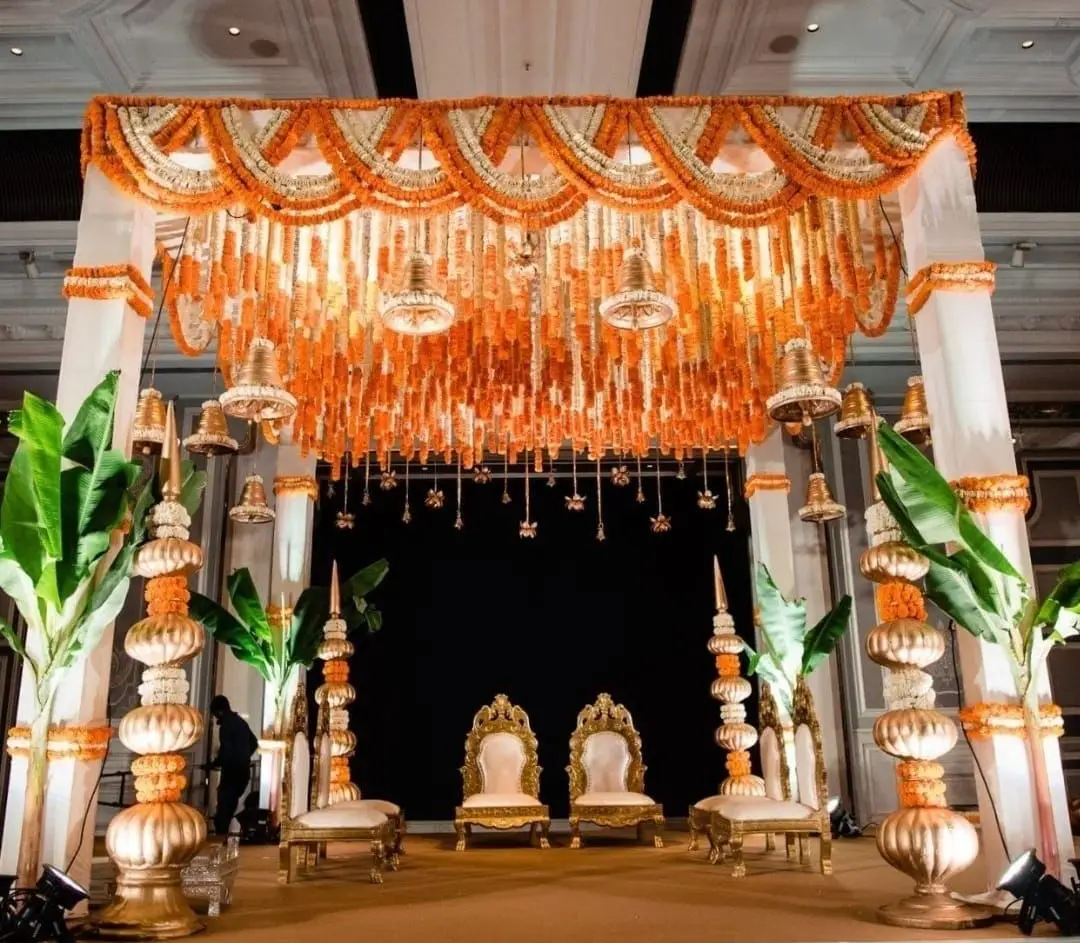
A dawn setup at home or in a hotel room: seating for the mama's family, low décor and floor space that genuinely fits everybody.
+91 84858 38274 · +91 84858 38219
Shop 7, Ekta Nagri, Near Dwarka Apartment, Anand Nagar, Pune 411051
A Punjabi wedding is loud, early and long, and its clock is set by ceremonies rather than by hall slots. We plan around the chooda, the jaago, the baraat and the milni, in that order.


These functions run on their own timetable, and it seldom matches the one printed on the card. The chooda happens before sunrise at home. The jaago keeps a whole lane awake. The procession leaves late and reaches later still. Shape the venue around those facts and the day holds together; shape the ceremonies around the venue and it will not.
So the schedule gets built from the ceremonies outwards. Who must be present for the chooda and when their flight lands. Where the jaago can walk without a complaint the next morning. How long milni really takes once both sides start counting uncles. Whether the marriage is an Anand Karaj, which brings its own timings and its own rules on seating, décor and food.
We plan these weddings in halls, lawns and gurdwara premises across the city, including the northern belt through Pimpri-Chinchwad where many families start the procession. You receive a ceremony-by-ceremony timeline, a route plan, and one person who always knows what happens next.
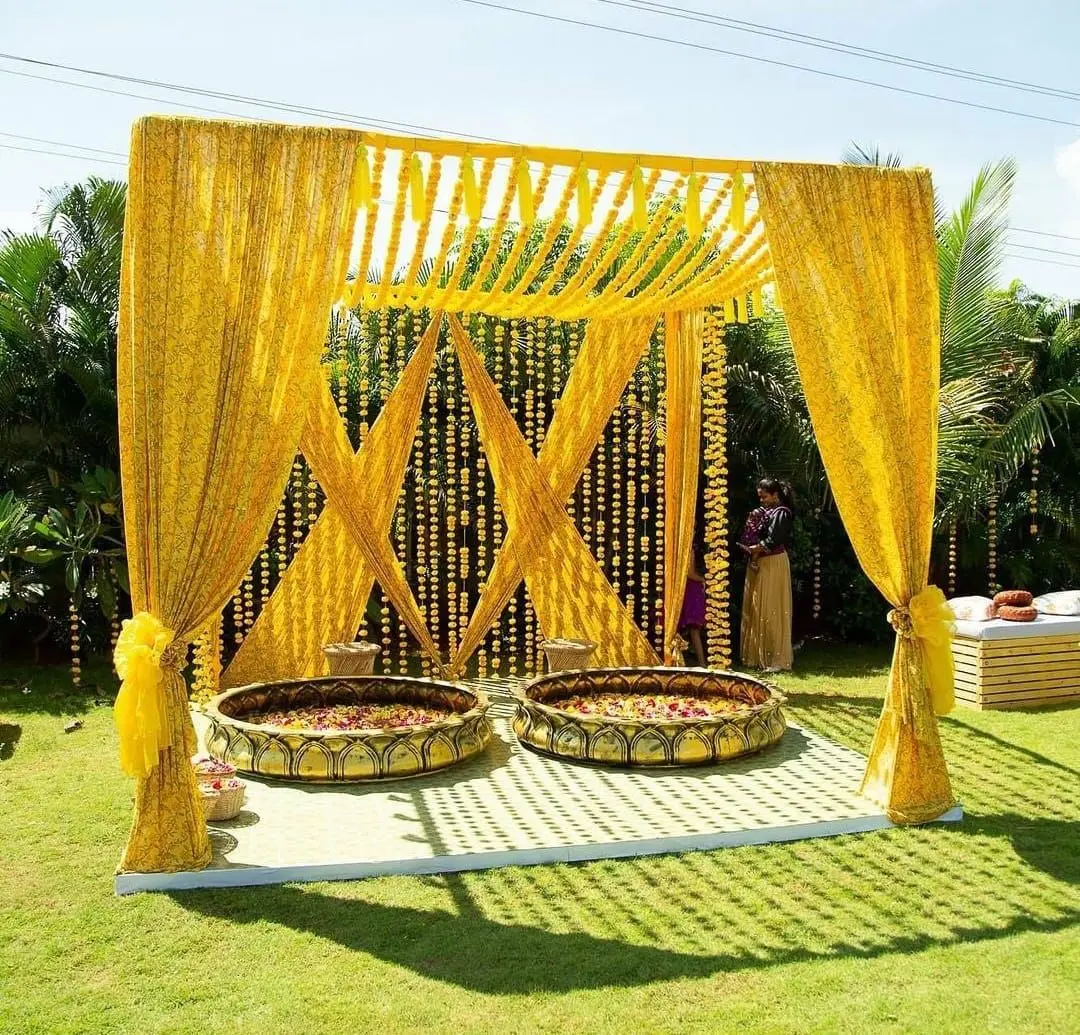
A gurdwara ceremony with fixed timings, floor seating and firm limits on what may be decorated.
A Punjabi Hindu ceremony in a karyalaya or banquet, with a mandap and an evening procession.
A dawn function in a flat or bungalow, needing compact seating and light that photographs cleanly.
Dancing behind the lit pot, planned around a short route and a residential noise cut-off.
An afternoon of henna and vatna, reliably messy and reliably longer than the card says.
A procession with dhol, a mare or open vehicle, and a road that can actually take it.
A women-only evening held separately in the days before, with its own seating and service.
An evening for the wider circle, usually once the couple has had a day to recover.
Take all of them or the few your family needs help with; each one is planned for its own hour of the day.
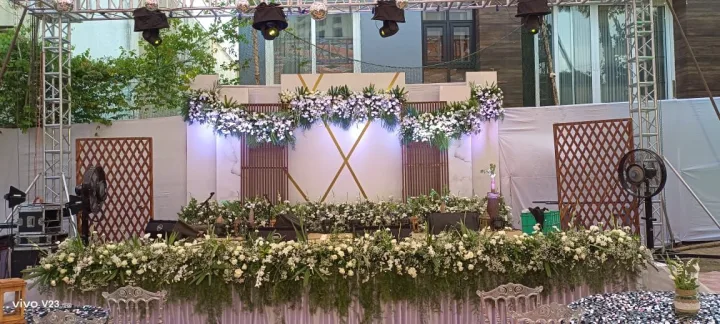
A dawn setup at home or in a hotel room: seating for the mama's family, low décor and floor space that genuinely fits everybody.
The decorated pot, safe flame, a short agreed route, sound levels, and a word with neighbours before the dhol begins.
Assembly point, road route, honest timings, the mare or open vehicle, and one person leading from the front.
A written pairing list, garlands counted and stacked in order, a properly lit gate and the camera already placed.
Timings, head covering, seating, shoes and permitted décor, confirmed with the committee rather than assumed.
Rows seated and served instead of queuing, with the kitchen and service flow planned around that choice.
Every photo here is from an event our team planned and ran.
Tell us the date, the guest count, the budget and the feeling you want in the room. We ask the questions most people forget.
You getFirst ideas and a budget range
Theme, décor, stage layout and a minute-by-minute run of show, drawn up and revised until it feels like yours.
You getMoodboard, layout and an itemised quote
Venue shortlists, caterers, artists, anchors and the paperwork — police, music licences and venue approvals — handled by us.
You getLocked vendors, one point of contact
Décor goes up, truss and LED walls are rigged, sound is checked and the anchor rehearses every cue with our show caller.
You getA walk-through before guests arrive
Our crew runs the floor, the stage and the guests. When it is over, we clear the venue and send you the photos.
You getA calm host — you — and the memories
These weddings are planned ceremony by ceremony, not function by function. Each ritual carries its own hour, its own space and its own set of relatives who have to be present, and the venue has to bend around all three.
Chooda happens before sunrise, at home, led by the bride's mother's family, and everything afterwards is fixed by it. The room must be dressed the previous night. The mamas must be in the city a day earlier. Hair and makeup then begin at an hour nobody enjoys naming aloud. Inside a flat the real constraint is floor area: the bride is seated with family gathered close, a photographer is moving around them, and there is milk involved, so the setup wants to be low, compact and splash-tolerant rather than tall and decorative. Where relatives are staying in hotel rooms, ask whether a small morning function is allowed upstairs or whether a side hall has to be taken, because many properties count this as an event.
Jaago is the ceremony families forget to plan and then never forget. It runs at night, it involves a decorated pot carrying live flame on somebody's head, and it moves. Three things make it painless: a short route agreed beforehand, a carrier who has done it before with a spotter alongside, and a conversation with the society or the neighbours before the dhol starts rather than after the first complaint. Night-time noise limits apply in residential areas, so decide early whether this belongs inside a hall, inside a compound with written permission, or on private ground. Keep the flame clear of dupattas and low branches, and give the dhol player a position that is not the centre of a moving crowd.
Punjabi weddings run late for the same reason every time, and it has nothing to do with décor. Break the baraat into segments and give each an honest number rather than a hopeful one.
| Stage of the baraat | How long it really takes | Who has to be told in advance | What stops it dead |
|---|---|---|---|
| Assembly and sehrabandi | Far longer than planned, since relatives turn up in batches | Both families, the dhol players, the photographer | Waiting on one carload of cousins |
| The road stretch with dhol | A short distance eats a long time once dancing starts | The local police station, society or road authority | A narrow lane, parked cars, nobody leading |
| The mare or open vehicle | Mounting and settling is slower than it ever looks | The handler, and the venue about hooves on flooring | A slippery ramp, or a crowd pressing too close |
| Arrival at the gate | Halts completely while everyone catches up | The venue manager and the bride's side | The welcome party not ready, so the road stays blocked |
| Milni | Set by the number of pairs, never by the ritual | Both families, working from a written pairing list | Names unagreed and garlands uncounted |
| Moving inside | Shoes, seating and settling take real minutes | Ushers, and the granthi or priest waiting within | Guests still dancing outside as the muhurat passes |
For an Anand Karaj the committee decides more of your plan than you do. Ceremony hours are generally morning and fixed by them. Heads stay covered, shoes come off, everybody sits at one level on the floor, and decoration inside is held to whatever they permit, which is usually very little. No alcohol and no meat on the premises, and langar is served to every person who walks in, invited or not. So the design effort moves outward: the entrance, the shoe and head-covering area, the path guests walk along, and the evening function where your décor budget genuinely belongs. Ask the committee directly about photography, flowers and hours, because every gurdwara answers those slightly differently.
Feeding a Punjabi wedding is a flow problem before it is a menu problem. Pangat seating, where guests sit in rows and are served, starts slowly and finishes surprisingly fast. A buffet sets up quicker and produces the longest queues of the day at the tandoor and the chaat counter, which is where any crowd collects. Running a buffet, split one menu across two mirrored lines and put the popular counters at opposite ends instead of side by side. Keep tea and something hot available for people awake since four in the morning, and expect an early dinner followed by a very late night. Maharashtrian ceremonies and their own timings sit on our Maharashtrian wedding planner page; this one follows Punjabi practice. For the performance evening read sangeet night planning, and for arrivals, entry concepts.
Can't find yours? Call or WhatsApp — a planner answers.
Roka and sagan come first, then mehndi and maiyan, jaago the night before, chooda on the wedding morning, the baraat and milni, the ceremony itself, and vidaai at the close. Families shuffle the middle freely. What almost never shifts is that chooda is very early and the doli leaves very late.
Longer than anyone allows, because its length depends on the number of pairs and not on the ritual. Each pair of relatives is introduced, garlanded and photographed in turn. Agree the pairing list between both sides beforehand, count garlands against that list, and light the gate properly or it all happens in darkness.
Usually yes, wherever it occupies a public road, holds up traffic or runs late into the night. The local police station, the housing society or the road authority will each have a view depending on the stretch. Ask early, keep the distance short, and post one person at the front to keep it moving.
The number of functions first, since chooda, mehndi, jaago, sangeet, the wedding and a reception are six separate builds. Guest numbers come next and drive catering hardest. Procession scale, the dhol and band, any mare or open vehicle, and décor built twice across two venues follow. Ask for it split function by function.
Only as far as the committee permits, and in practice that is very little. Hours, head covering, floor seating, footwear and photography are all decided by them, and no alcohol or meat is allowed on the premises. Put the design effort into the entrance, the path outside and the evening function instead.
Pangat is calm and finishes faster than it appears to, because guests are seated and served rather than queuing. A buffet goes up quicker and creates the longest queues of the day at the tandoor and chaat counters. Choosing a buffet, run two mirrored lines and keep the popular counters far apart.
Earlier than the invitation card suggests. Chooda falls before sunrise, so the room must be dressed the previous night and the bride's mother's family has to already be in the city. Hair and makeup run from very early after that. Build the day forwards from the chooda hour, not backwards from the muhurat.
Haldi · Mehendi · Sangeet · Pheras · Reception
Pune · PCMC
Pune · PCMCCeremony by ceremony, hour by hour
Send your list of functions with the dates, and back comes a ceremony timeline, a procession route and an itemised quote.