Lifts and escalators
The AMC and what it excludes, breakdown response times in writing, the annual statutory inspection, and a log of every call-out rather than a memory of them.
Shop 7, Ekta Nagri, Near Dwarka Apartment, Anand Nagar, Pune 411051

Every building runs one of two ways. Either there is a dated plan for the lift, the pump, the panel, the fire system and the STP — or there is a WhatsApp group where somebody reports that the water has stopped. The second way costs more and it costs it suddenly.
Facility management splits cleanly. Soft services are the people — housekeeping, security, landscaping, pest control. Hard services are the plant — air conditioning, electrical panels, pumps, lifts, the fire system, the DG set, the sewage treatment plant. Soft services fail visibly and get attention. Hard services fail invisibly for months and then fail completely.
The thing that holds both together is a planned preventive maintenance calendar: what is serviced, how often, by whom, and a signed report each time. Most buildings in Pune have the contracts and not the calendar, which means they are paying for maintenance and receiving attendance.
We write the scope, put it out, compare the quotes line for line, build the calendar and sit in the reviews. Staff stay on the service provider’s payroll, where the statutory liability belongs. See society maintenance for the committee version of this and property management for individual units.
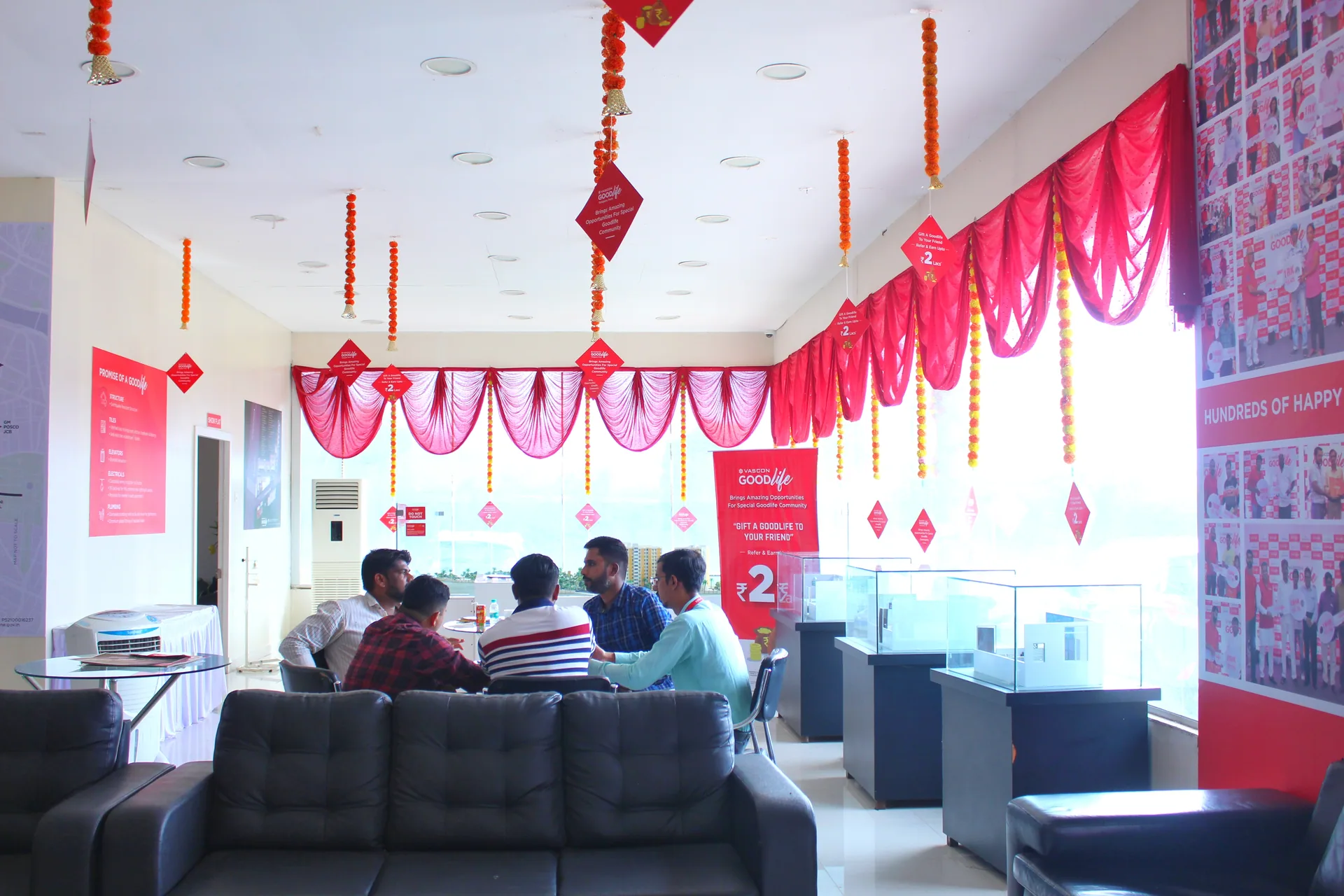
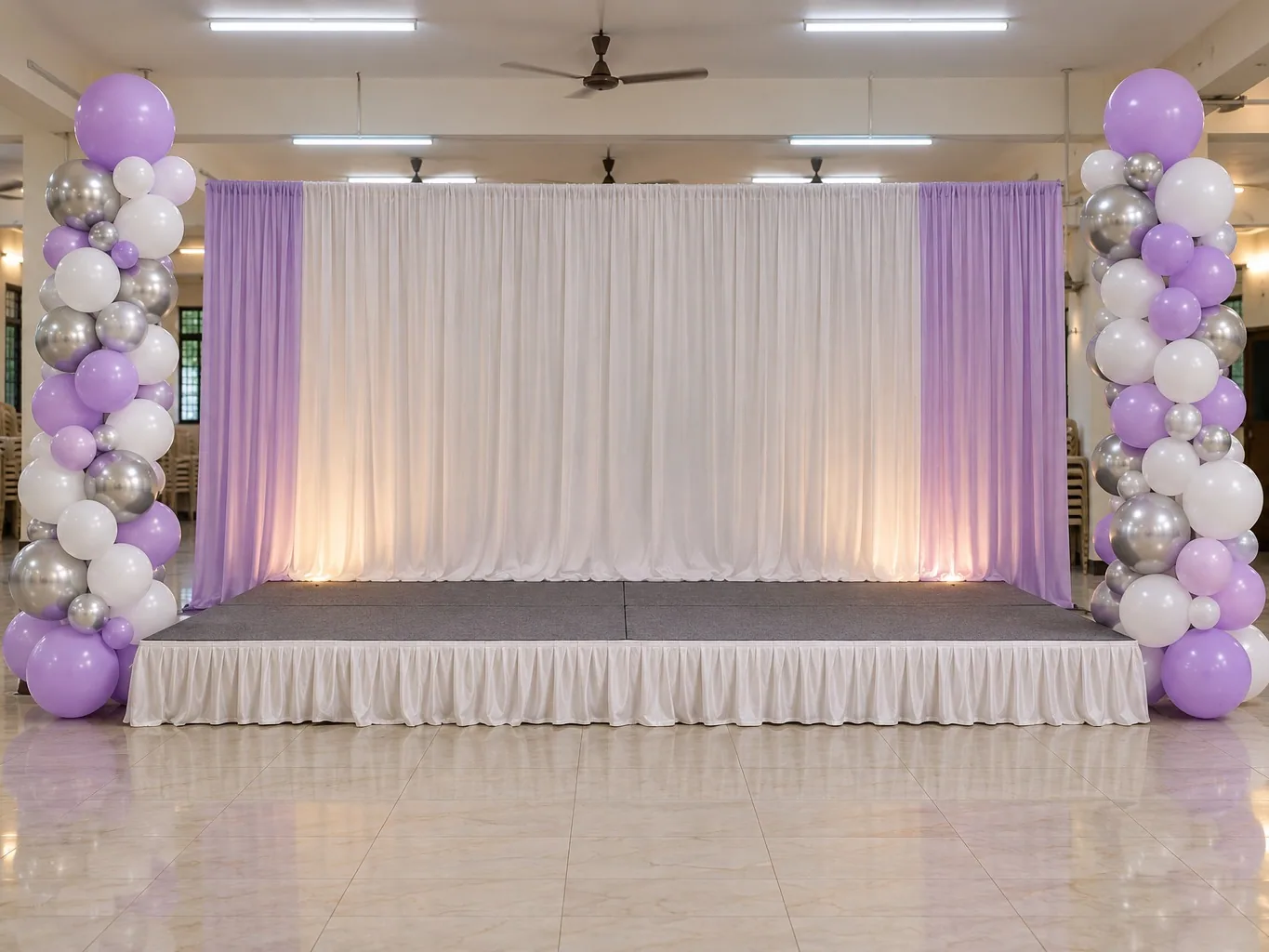
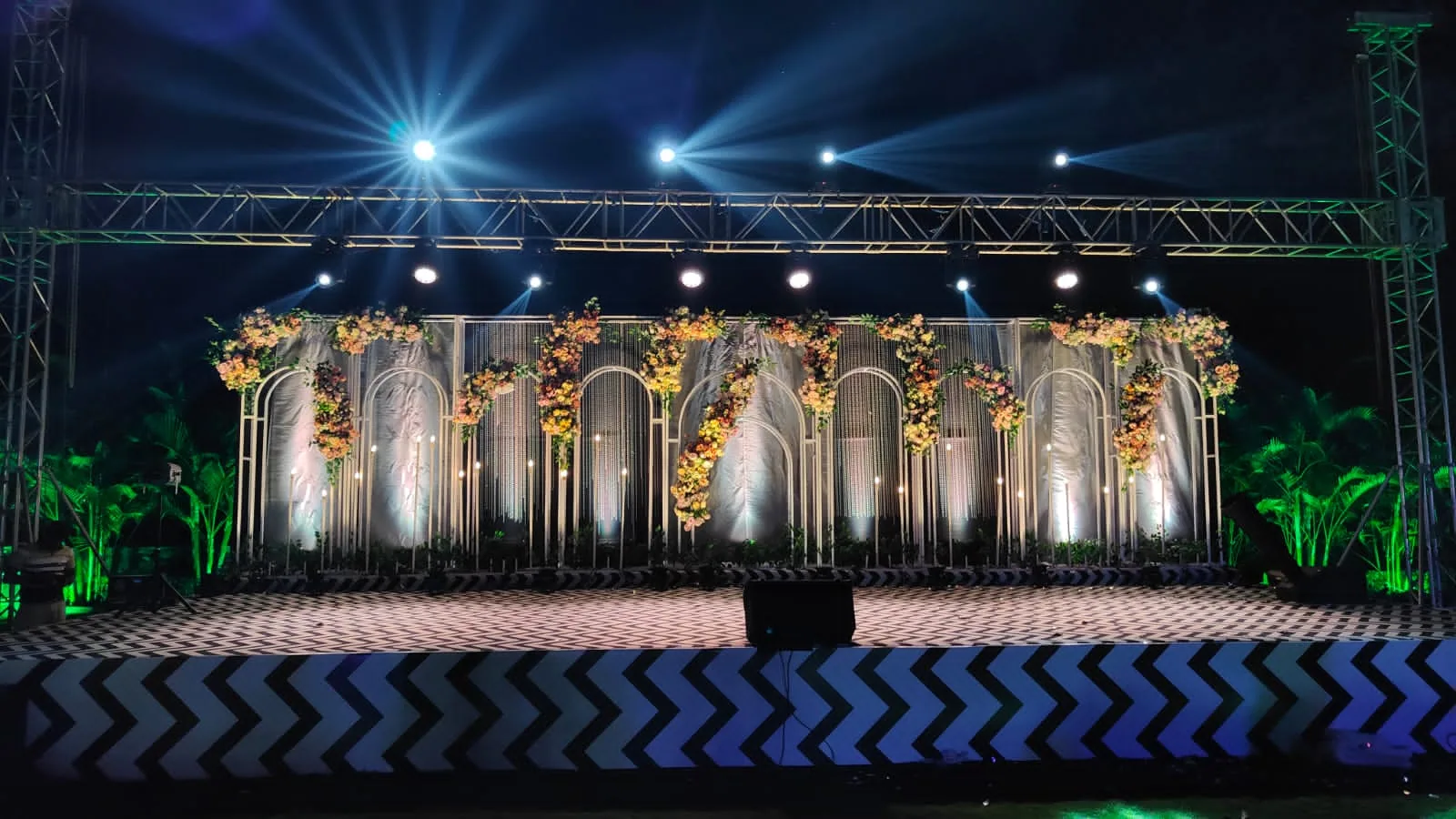
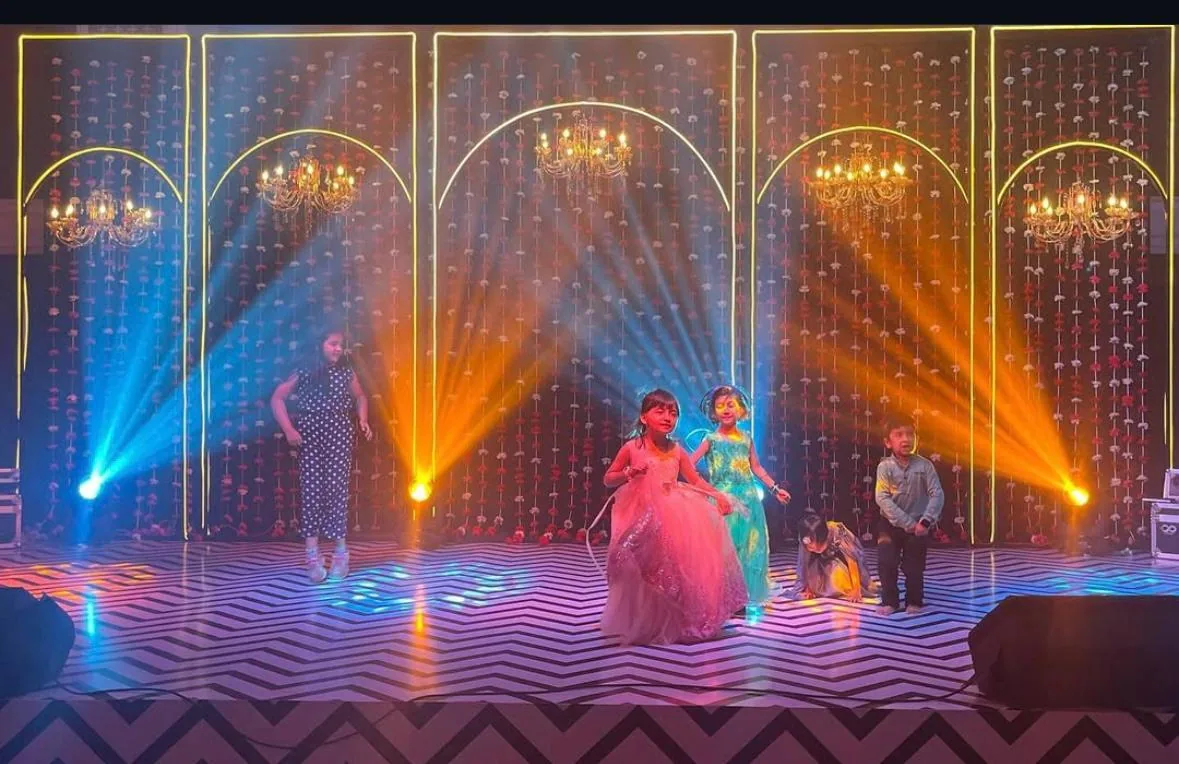
Every photo here is from an event our team planned and ran.
Hard services first, because that is where the money hides.
The AMC and what it excludes, breakdown response times in writing, the annual statutory inspection, and a log of every call-out rather than a memory of them.
Pump, panel, hydrants, sprinklers, detectors and extinguisher refills on a dated schedule with reports kept. This is the system nobody tests and everybody assumes.
Panel thermography, earthing checks, capacitor and power-factor correction, DG servicing and a fuel log. Power factor alone moves the bill measurably in most commercial buildings.
Tank cleaning on a schedule, pump servicing, STP operation and consumables, and recycled water actually used for flushing and gardening rather than discharged.
Housekeeping headcount by area and frequency, security posts and shifts, landscaping with plant replacement specified, and pest control on a cycle.
Floor numbers, parking bays, fire exits, assembly point and statutory notices — designed and printed on our own machines. See <a href="/sign-board-makers-in-pune/">sign boards</a>.
The largest group, and the one where a committee changes every year while the plant stays the same. Covered in depth under society maintenance.
One or two floors, a landlord who maintains the shell and a tenant who maintains everything inside it, with the boundary never written down.
Shops with their own fit-outs, shared toilets, a lift that runs all day and signage that nobody controls.
Lower finish, higher consequences — fire, electrical loading, housekeeping around moving vehicles.
Cleaning frequency and waste handling to a different standard, and power that cannot go down.
Peak-load buildings — fine on a Tuesday, stressed every Saturday. See <a href="/banquet-hall-management-in-pune/">banquet hall management</a>.
Kitchen exhaust, grease traps, gas safety and a health inspection that can arrive unannounced.
Watching rather than running — periodic checks so a leak is found in week one, not month six.
The plan has to outlive the people who wrote it. Five things make that happen.
Every piece of plant listed with make, model, capacity, installation date and warranty status. Buildings that cannot produce this are quoting their AMCs blind, and a new committee starts from nothing.
The calendar says the fire pump is run monthly and the tanks are cleaned half-yearly. It does not say the vendor visits when he can. One of those is a plan.
A service report signed and filed after every visit is the only proof maintenance happened. For fire systems and lifts it is also what an insurer or an inspector will ask for, and the moment they ask is not the moment to start collecting.
If a contractor supplies more than a handful of workers, the wage register, the PF and ESIC challans and the applicable licences are the building’s business too, because liability does not stop neatly at the contract. Ask for them quarterly and the right contractors produce them without fuss.
Electricity, water and diesel, read and plotted. A pump running continuously, a leak underground, a chiller losing efficiency — all of them show up in a number weeks before they show up as a failure.
What this does not need is software nobody uses. A printed calendar on the maintenance room wall, a file of service reports and a monthly one-page summary outperform most building management systems in a 200-flat society.
See society maintenance contracts, clubhouse management and property management.
The listings for Pune are ordered by ad spend and review count. Both are worth something, and neither answers whether the team has worked your kind of venue.
A team that has worked Pune knows the access, the power and the society timings. Ask for that, ask for the breakdown, and ask who runs the day. Our contact page has both numbers and WhatsApp, and you will get an itemised scope back rather than one figure.
Can't find yours? Call or WhatsApp — a planner answers.
Overlapping but not identical. Society maintenance is written for a managing committee and is mostly about the recurring contracts and getting them tendered properly. Facility management is written for whoever owns or runs a building — committee, landlord or company — and adds the hard services, the asset register and the preventive calendar. Many societies want both; some only want the contracts re-tendered.
No. They belong on the service provider's payroll with that provider carrying the PF, ESIC, uniforms, replacements and liability. We scope the work, run the tender, verify deployment against the contract and check compliance documents. Putting contract staff on a building owner's books moves a legal exposure in the wrong direction.
One page per asset group and one sheet for the year: lift monthly, fire pump monthly, extinguisher pressure check quarterly, tank cleaning half-yearly, panel thermography annually, and so on, with a column for the date done and a signature. It is deliberately low-tech, because the version that gets used is the version on the wall.
Sometimes substantially, and the honest answer is that it depends on what is already installed. Power-factor correction, common-area LED retrofits, timer and sensor control on lighting, pump scheduling and fixing the leaks that make pumps run are the usual wins. We read twelve months of bills first and tell you what is realistically available before anybody spends on equipment.
The first four weeks are reading — asset register, existing contracts, service history, consumption. After that the urgent items are addressed immediately and the calendar starts, with the re-tendering of major contracts following the notice periods in the existing agreements. A building with no records takes a little longer to start and improves faster once it has.
No, and it goes in the agreement. We are paid by the building. A manager earning from the vendor chooses the vendor who pays, and the building pays for that choice twice over.
Reviews and ads decide who appears first, not who runs the better event. Plan With YOLO has planned events since 2013 out of Pune and handles housing societies, small and mid-size offices and commercial and retail buildings in Pune. Ask to see work from the same kind of event, not a showreel of somebody else's.
Look for a team that has already worked in Pune, because venue access, power and society timings are local knowledge and cost you a day to learn. Our office is in Anand Nagar off Sinhagad Road and the crew travels to Pune with its own kit. Send the date, the venue and a rough guest count and you get a scope back the same day.
It moves with guest count, venue, the scale of décor and stage, and whether the date is in season. A wedding date in season and a weekday corporate meeting in Pune are not comparable, so a quoted range before anyone has seen the brief is not worth much. You will get an itemised scope for your own event, and every line on it can move.
Pune · PCMC
Pune · PCMC
Pune · PCMC

Pune · PCMC
Pune · PCMC

Pune · PCMCPlanning events in Pune since 2013 — 500+ events for 100+ brands across 30+ cities. Read what clients say on Trustpilot, or find our Anand Nagar office on Google Maps.
Great EventGautam
User friendly experienceRahul Roushan
This company made sure to take care of everythingVaishnavi Todkar
Best Event Planner.Pranali Ladkat
Detailed workMolly Vernon
Brands, developers, manufacturers and engineering firms Plan With YOLO has run events for.






















Logos are shown to say who the work was for. They do not imply endorsement or partnership.
Send us twelve months of bills.
Electricity, water and your two biggest maintenance contracts. That is enough to tell you where the building is losing money before you commit to anything.
Cookies on this site. We use Google Analytics to see which pages people find useful. It is off until you say yes, and the site works either way. Privacy policy