Maharashtrian Wedding Planner in PuneEvery ritual in its place, sakharpuda to varat

Early muhurats, overnight builds and a ceremony that moves fast once it starts. We take your priest's list and your family's customs and turn them into timings, space, seating and sound that hold on the day.

  • Karyalaya booking
  • Muhurat run sheet
  • Mandap and kund
  • Rukhwat display
  • Sanai and sound
  • Varat send-off
Maharashtrian Wedding Planner in Pune

Maharashtrian wedding planner in puneShort, early and precise

A Maharashtrian wedding is short, early and exact, and the plan has to respect all three. The muhurat often falls before sunrise, which means the mandap is built through the night and the hall has to allow it. The ceremony itself moves quickly once it begins, so ten minutes lost early is not recoverable the way it would be at a longer wedding.

Families differ, and that is the first thing we ask about. The order of functions, whether seemant pujan sits on the evening before or the same morning, what goes into the rukhwat, which customs a household keeps and which it has let go, all of that comes from your elders and your priest rather than from a template. Our job is to take that list and turn it into timings, space, seating and sound that survive contact with a crowded morning.

We have been running events since 2013. We plan, set up and run the whole thing: the karyalaya or the lawn, the décor, the food service, the guests and the send-off.

  • Running since 2013, 500+ events planned and run
  • Your priest's list and muhurat drive the run sheet
  • Overnight builds, so the mandap is ready before dawn
  • Sightlines and sound planned for the mangalashtaka
  • Rukhwat, akshata, torans and the small things handled
Maharashtrian wedding planner in pune

What we handleFrom the priest's list to the last vehicle out

The rituals are yours. The timings, the space and the crew are ours.

  1. 01

    Priest's list to run sheet

    We take your muhurat and ritual list and turn them into a printed schedule that every vendor, the hall and both families work from.

  2. 02

    Karyalaya and lawn booking

    Session timings, overnight access, kitchen rules, sanctioned load and sightlines checked before you hold a date.

  3. 03

    Mandap and traditional décor

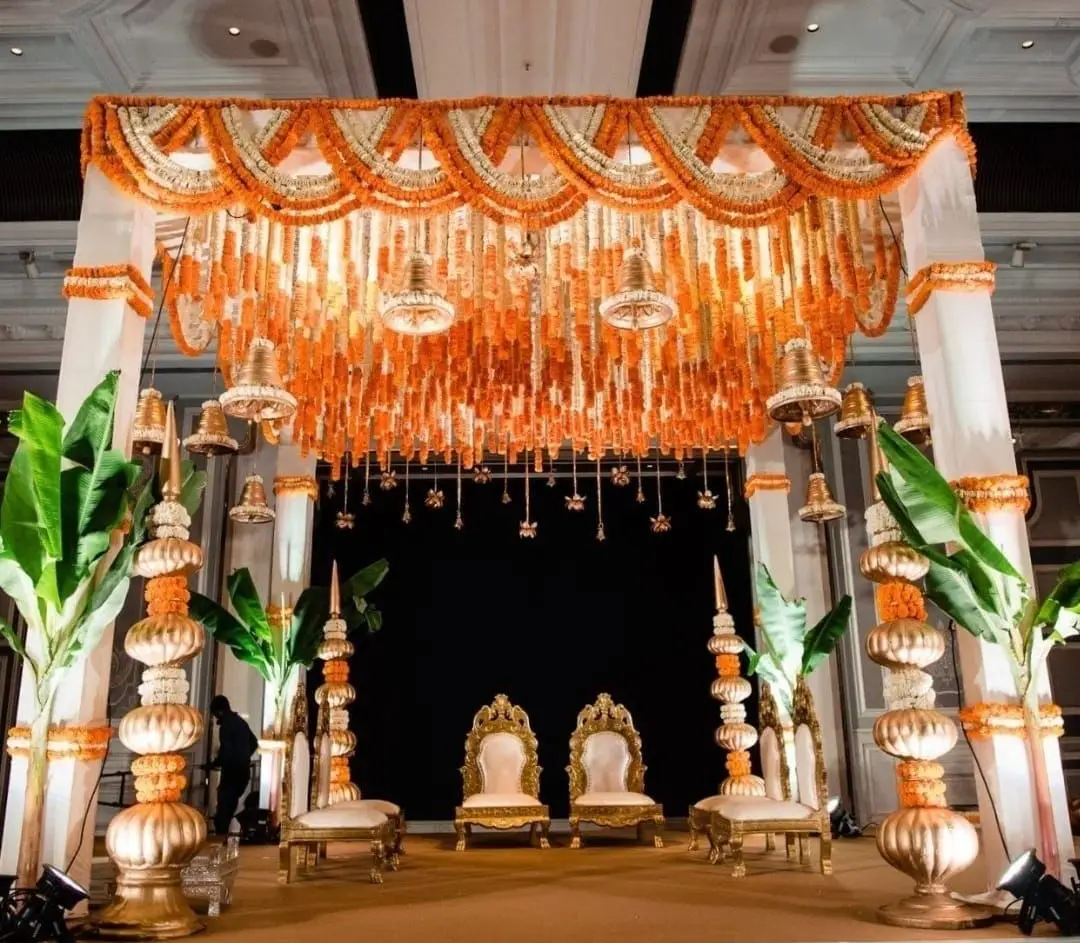
    Marigold, torans, banana stems, brass and rangoli, with a kund position that clears the structure safely.

  4. 04

    Sanai, chaughada and sound

    Live players placed where they do not fight the mics, and priests miked so the mangalashtaka reaches the last row.

  5. 05

    Family and elder hospitality

    Seating for elders near the mandap, a help point at the entrance, and someone looking after the groom's party on arrival.

  6. 06

    Overnight build before dawn

    Loads in as soon as the hall clears, flowers arriving late at night, and the setup finished before the family reaches the venue.

Functions we planThe day, in the order most families keep it

  1. 01

    Sakharpuda

    The betrothal, usually a smaller gathering at home or in a hall, with one clear focal seat for the rituals.

  2. 02

    Halad ceremony

    Turmeric applied with mango leaves at both homes, on washable ground, in yellow and marigold with low seating for elders.

  3. 03

    Rukhwat display

    The bride's family's display of sweets, savouries, craft and heirlooms, set out on lit tiers near the entrance.

  4. 04

    Seemant pujan

    The formal welcome of the groom's family, which needs a gate point, seating for elders and room for a procession.

  5. 05

    Gaurihar puja

    A quiet, well-lit corner near the bride's room with a low seat and no through traffic, just before the ceremony.

  6. 06

    Mangalashtaka and antarpat

    The moment the whole hall stands for, so sightlines, akshata trays and the priests' mics all have to be right.

  7. 07

    Saptapadi at the kund

    Steps around the fire, needing clearance above the kund, real ventilation and nothing flammable within reach.

  8. 08

    Varat and reception

    The send-off with band and decorated vehicle, then an evening reception if the families are holding one.

How we plan itFrom first call to final bow.

  1. 01 First meeting

    The list and the muhurat

    We sit with your elders and note every ritual your family keeps, then take the muhurat and build the day backwards from it.

    You getA written ritual and timing list

  2. 02 Next

    Hall and session

    We check sessions, overnight access, kitchen rules, load and sightlines at each option, then hold the one that lets you build in time.

    You getA venue booked on the right session

  3. 03 Months ahead

    Décor and food

    Mandap, kund position, rukhwat run, entrance and stage designed together, with the caterer's timings fixed against the muhurat.

    You getA design and an itemised estimate

  4. 04 Final fortnight

    Run sheet and briefings

    Reporting times on the invitation, vendor call times, the antarpat holders named, akshata and seating planned row by row.

    You getA schedule both families hold

  5. 05 The night before

    Build through the night

    Loads go in as the hall clears, flowers arrive late, and the setup is finished and checked before the family reaches the venue.

    You getA mandap ready before dawn

Ask your priest for the muhurat and the ritual list before you book anything else. In a Maharashtrian wedding those two pieces of paper decide the hall session, the build schedule, the caterer's timings and the hour your guests have to be seated.

Families differ, so start with your own elders

There is no single Maharashtrian wedding. Communities and households keep different customs, use different names for the same ritual, and place them in a different order. Some families hold seemant pujan on the evening before; others fold it into the wedding morning. Some put out a full rukhwat; others set out only sweets. The halad may happen at both homes on one day or on separate days.

So planning starts with a conversation between your elders and your priest, and the output is a list: every ritual, who performs it, what it needs and when. Once that list exists, the rest is logistics. Without it you are guessing, and the guess shows up on the morning when something needed a low seat, a brass lamp or ten minutes nobody set aside.

The muhurat decides the build

Many muhurats here fall in the early morning, sometimes before sunrise, and that single fact reshapes everything. Décor cannot go up on the morning of the ceremony; it goes up through the night. The hall has to allow overnight access, the flowers have to arrive late the previous evening, and the crew works while the family sleeps.

Work backwards from the muhurat. Guests must be seated before it, so the invitation should carry a reporting time well ahead of the ceremony rather than the muhurat itself. The bride's preparation, the gaurihar puja and the mundavalya all sit in that early window and take longer than anyone allows for. Hair and makeup starting in the dark is normal, so book the team for that hour and say so when you book them, not in the final week. One more thing: if the hall runs sessions, your build window may open only after the previous function clears, which can be very late. Get the exact access hour in writing.

Function by function, and what each one asks for

Use this against your own family's list rather than as the order of your wedding.

FunctionWhen it usually sitsWhat the space has to giveDécor and seating
SakharpudaWeeks or months earlierA small hall or home with one clear focal pointA decorated seat, rangoli at the door, a table for the exchange
HaladThe day before, at both homesOpen ground or a terrace with washable floor and water close byYellow and marigold, floor cover, shade, low stools for elders
RukhwatSet up before guests arriveA long lit run near the entrance, clear of the service routeTiered tables, spot lighting, a family member stationed beside it
Seemant pujanEvening before or the same morningA welcome point at the gate with room for a processionTorans, brass lamps, an aarti table, players placed clear of the mics
Gaurihar pujaJust before the ceremonyA quiet lit corner near the bride's roomA low seat and a small platform, with no through traffic
MangalashtakaAt the muhuratClear sightlines from every seat and an aisle guests can stand inAkshata trays at each row, priests on mics, two named antarpat holders
SaptapadiImmediately afterHeight and ventilation above the kundA raised mandap floor, seating pulled close, nothing flammable near
VaratAfter the mealVehicle access to the porch and a clear path outDecorated vehicle, band outside the hall, lighting at the exit

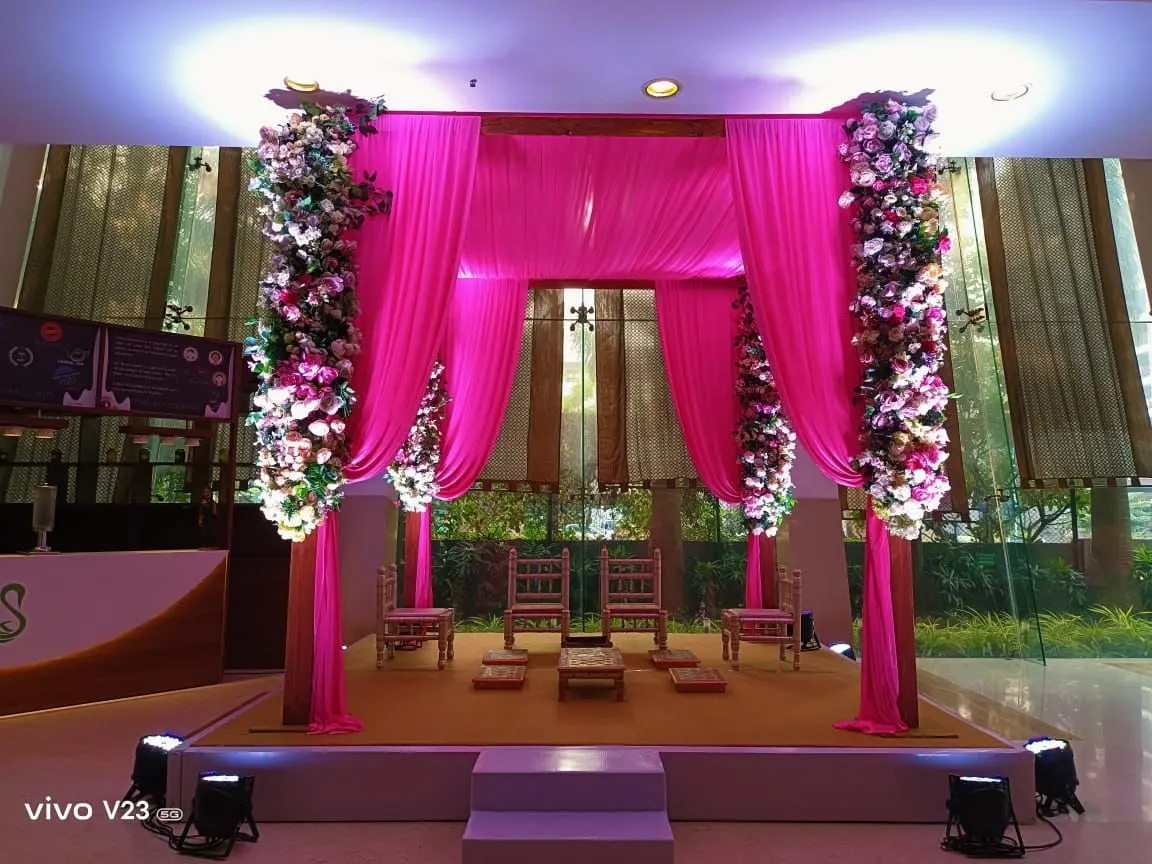
The mandap deserves its own thought, because it is doing ritual work rather than only looking good. Our mandap decorators page covers structure, fire clearance and how a kund sits safely inside a decorated frame.

Booking a mangal karyalaya, session by session

Most wedding halls sell the day in sessions rather than by the hour, and the hall is cleared in between. That is the most important thing to understand before booking, because it sets your setup time, your teardown time, and whether an overnight build is possible at all.

Ask in the first conversation: which session you get and its exact start and end; whether the hall is free the night before; what time the previous function vacates; whether décor can stay up overnight across two functions; the kitchen rules and whether an outside caterer is allowed; the sanctioned load and the generator; the noise cut-off; and where the band can stand during the varat without blocking the porch. Halls around Deccan, Shivajinagar and Sinhagad Road differ widely on every one of those, so ask each rather than assuming.

Then look at the layout. Where do guests enter, where can the rukhwat sit without crossing the service route, where is the food laid out, and is the sightline from the back row to the antarpat clear? A hall that photographs well and seats a third of your guests behind a pillar is a problem décor cannot solve.

Rukhwat, akshata and the colour of the day

The rukhwat is often the first thing anyone photographs, so give it a proper run: tiered tables near the entrance, lit from the front, away from where catering staff walk, with one family member standing beside it. Half its pleasure is somebody explaining what each thing is and who made it.

Akshata needs planning too, which sounds absurd until the moment arrives and half the hall has nothing in their hands. Trays at every row, filled before guests sit, and someone briefed to refill them. The floor carries a thick layer of rice afterwards, so the sweep has to happen before the meal rather than after it.

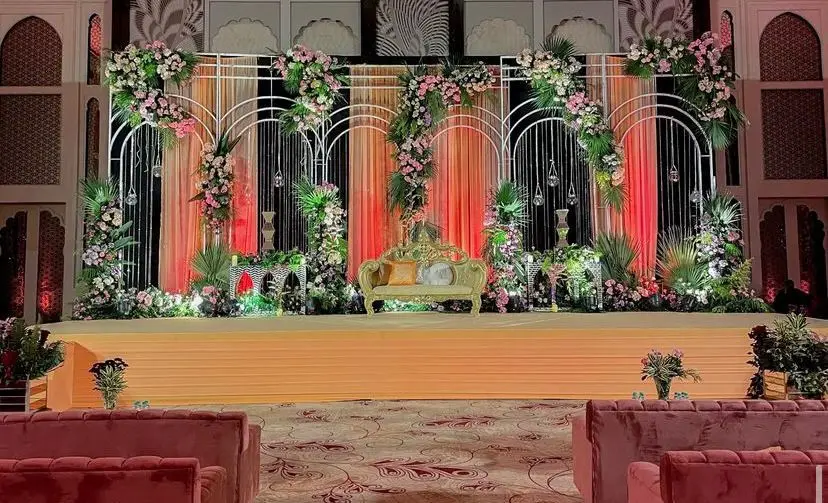
On colour: yellow and marigold for the halad, with more haldi décor ideas here; green for the bangles; and for the ceremony itself, off-white and deep red with brass, banana stems, mango-leaf torans and a great deal of fresh marigold. Paithani purples and magentas belong on a reception stage. Keep the mandap traditional and let the evening function carry the contemporary look, which is the balance most families settle on happily. Our wedding decorators page shows the two side by side, and the full planning sequence sits on our wedding planners in Pune page.
Maharashtrian wedding planner in pune — FAQsQuestions people ask us.

Can't find yours? Call or WhatsApp — a planner answers.

What does a Maharashtrian wedding planner do differently?

The work is built around an early muhurat and a short, exact ceremony. That means overnight décor builds, reporting times on the invitation rather than muhurat times, priests on microphones, sightlines planned for the antarpat moment, and a hall booked on a session that allows access the night before. The rituals come from your family; the timings come from us.

In what order do Maharashtrian wedding functions happen?

Commonly sakharpuda first, then halad at both homes, seemant pujan on the evening before or the same morning, gaurihar puja just before the ceremony, then the mangalashtaka and antarpat at the muhurat, kanyadaan, saptapadi at the kund, and the varat afterwards. Families vary, so your priest's list decides the real order.

Why are Maharashtrian weddings held so early in the morning?

Because the auspicious muhurat often falls at or before dawn, and the ceremony is timed to it rather than to convenience. Everything else follows: décor goes up overnight, hair and makeup start in the dark, and guests need a reporting time on the invitation that is comfortably ahead of the ceremony itself.

What is rukhwat and how should it be displayed?

Rukhwat is the display the bride's family sets out for guests: homemade sweets and savouries, craft, small gifts and sometimes family heirlooms. Give it a long, well-lit run of tiered tables near the entrance, clear of the route catering staff use. Station one family member beside it, because much of its charm is in the explaining.

How do mangal karyalaya bookings work?

Most halls sell the day in sessions rather than by the hour, and the hall is cleared between them. Confirm which session you are buying, its exact start and end, what time the previous function vacates, and whether you get the hall the night before. That last answer decides whether an overnight build is even possible.

What drives the cost of a Maharashtrian wedding in Pune?

Guest count first, because catering is charged per plate at every function. Then the hall and the session you need, the number of functions, how much fresh marigold and flower work the mandap carries, and whether overnight access is charged. Reception production adds its own line. Send your dates and numbers for an itemised estimate.

What colours suit a traditional Maharashtrian mandap?

Off-white and deep red with plenty of fresh marigold is the classic combination, finished with brass, banana stems, mango-leaf torans and rangoli at the entrance. Yellow belongs to the halad and green to the bangles. Paithani purples and magentas work best on a reception stage, where a more contemporary look is welcome.

How do you make sure guests see and hear the mangalashtaka?

By planning the moment rather than leaving it to chance. Priests and singers get microphones, the aisle is kept wide enough for guests to stand, and seating is arranged so the back rows are not behind pillars. Akshata trays are filled and placed at every row before people sit, with someone briefed to refill them.

Bring us the list, we will build the day

Share your muhurat, the functions your family keeps and your guest count, and we will come back with a hall shortlist and an itemised plan.

Talk to a planner