
Pre Wedding Shoot Planner in PuneA shoot day is a schedule, not a mood board

Your photographer takes the pictures. Somebody still has to get permission, build the set, carry the outfits and keep the day moving between spots. That is the half we handle.
  • Location permissions
  • Set and props
  • Shoot schedule
  • Changing and comfort
  • Travel planning
  • Crew on the day
Pre Wedding Shoot Planner in Pune

Pre wedding shoot planner in puneEverything except pressing the shutter

Pre-wedding shoots usually go wrong for reasons unconnected with photography. A place turns out to need a written application. The light everybody pictured lasts twenty minutes. Two outfit changes happen in a car park. The third spot is an hour away, which nobody worked out until that morning.

So the day gets planned as a day, not as a folder of references. Which places will genuinely allow a camera, a set and a crew. Who signs that permission and how much notice they want. What hour each spot looks like itself. How much of the day the driving between them will quietly eat.

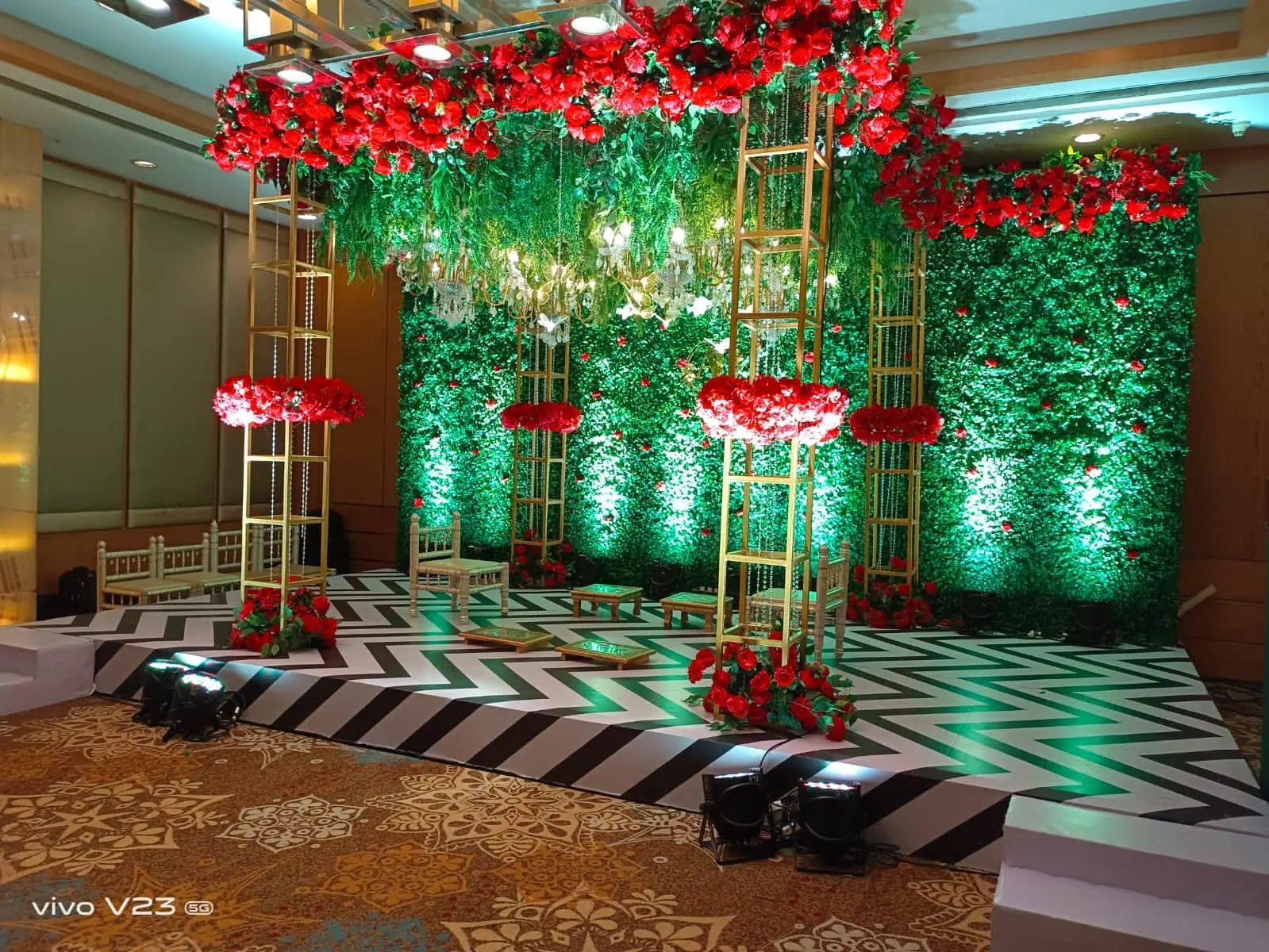
We build and dress the sets, chase the permissions that can be chased, carry the props and hold the schedule, which leaves your photographer free to work. Couples shoot inside the city and out along the ghat roads towards Lonavala, and the approach is identical either way: fewer places, better hours, nothing improvised at the gate.
  • 500+ events planned since 2013
  • Permissions confirmed before a location is promised
  • Schedule written around light rather than distance
  • Sets, props and furniture carried, built and cleared
  • A private changing tent wherever there is no room
Pre wedding shoot planner in pune

What shoot planning coversThe half nobody budgets for

Six jobs that decide whether a day produces frames or merely kilometres.
The half nobody budgets for

Location permissions

Establishing who owns a spot, what it permits and how long written approval takes, before your date is fixed.

Shoot schedule

An hour-by-hour plan built around light, driving and changes, so nothing is being decided while standing in a field.

Sets and props

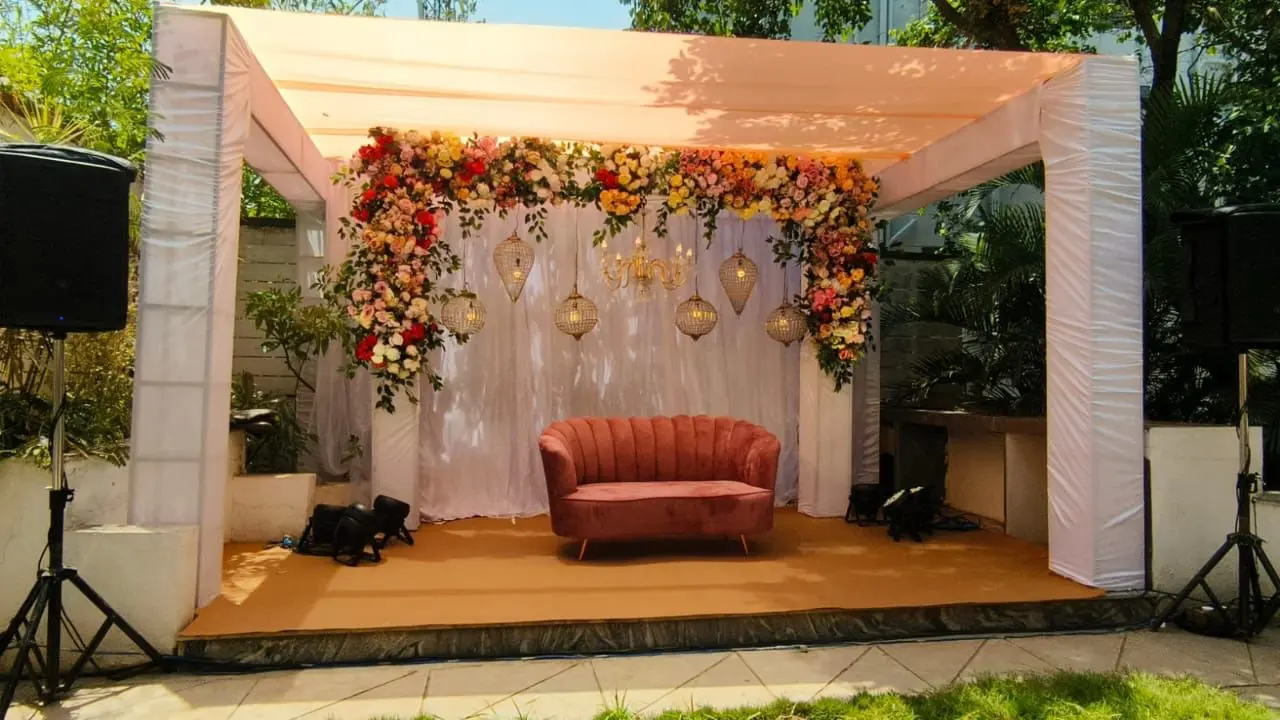
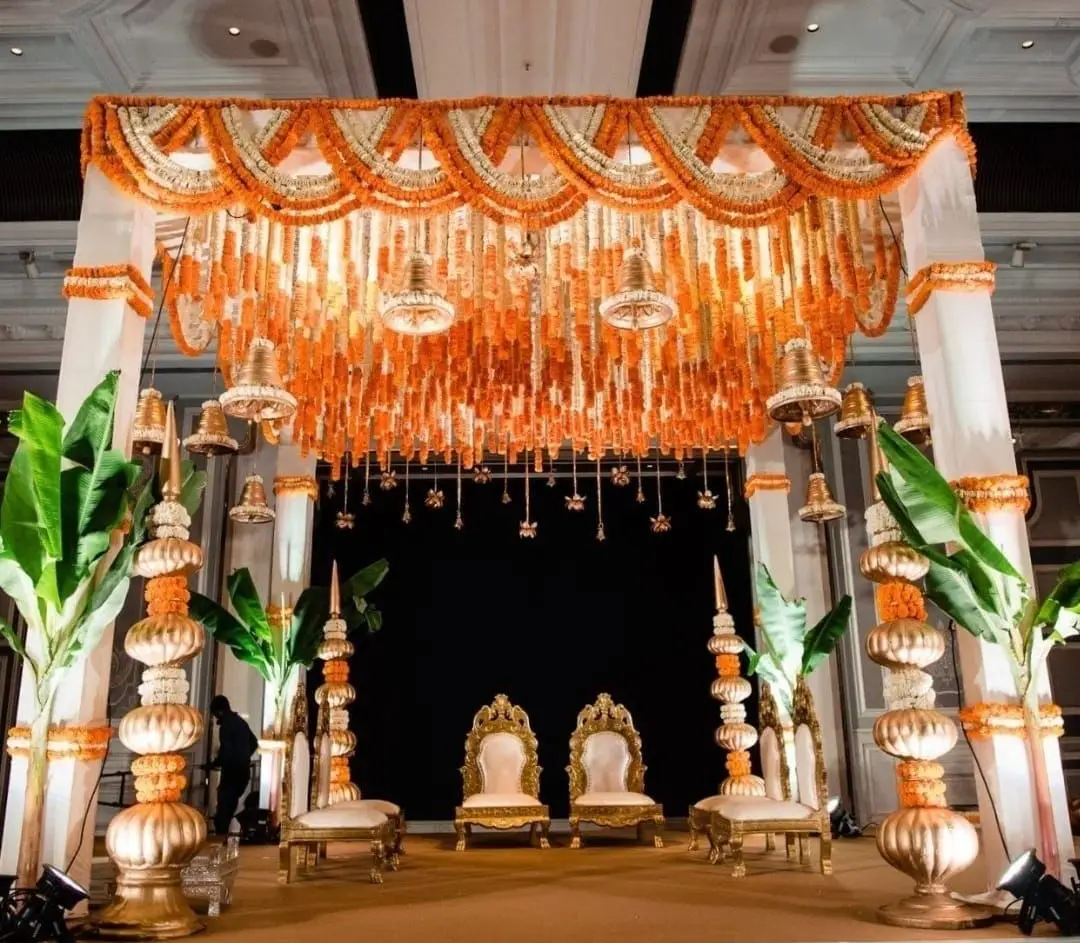
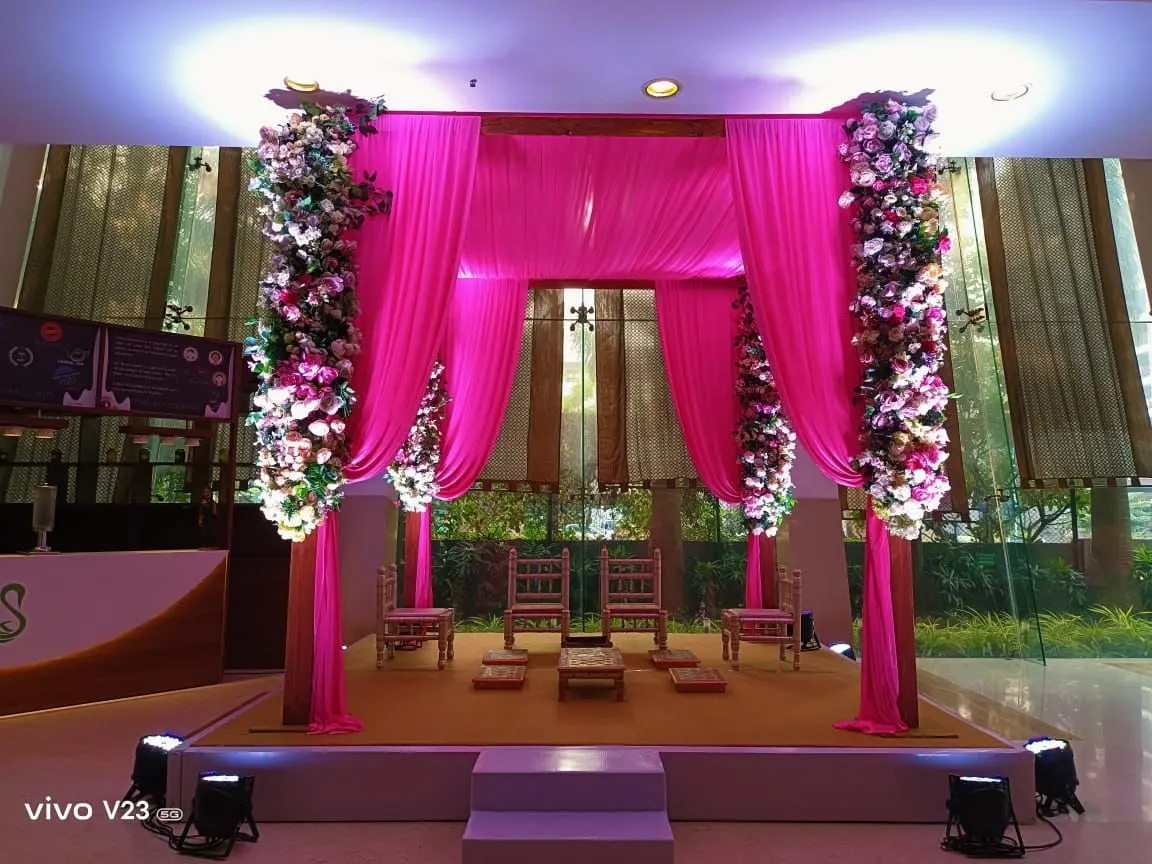
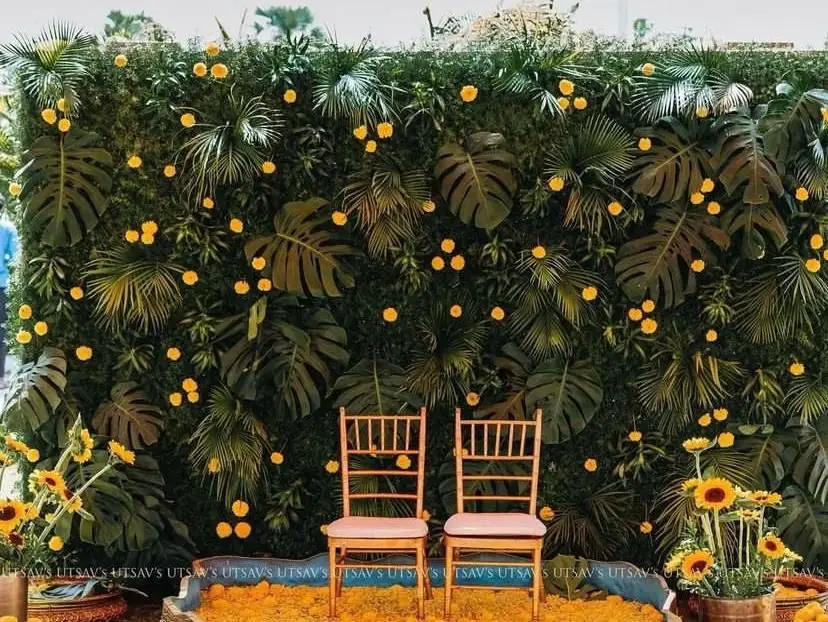
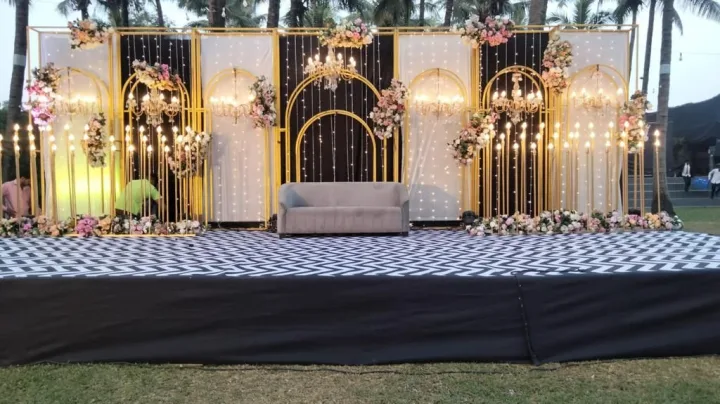
Frames, swings, drapes, fairy lights, florals and hand props, assembled on site and taken away afterwards.

Changing and comfort

A private tent, mirrors, chairs, shade, drinking water and somewhere safe to leave bags while you work.

Light and power

Portable fixtures and a power source for indoor sets and after-dark frames, where the location supplies neither.

Crew on the day

People to carry, build, steam, hold reflectors and keep strangers out of frame, so nobody has to improvise.

Kinds of shootSix settings, six different days

  1. 01

    City street shoot

    Old lanes, bridges and cafés, which need early hours and somebody managing passers-by.

  2. 02

    Fort and heritage shoot

    Stone, height and long light, with access rules and a climb your outfits must survive.

  3. 03

    Lake and backwater shoot

    Water, open sky and long drives, planned around the season and the state of the road.

  4. 04

    Farm and field shoot

    Green, private and flexible, and the easiest setting for building a set and changing outfits.

  5. 05

    Indoor set shoot

    Controlled light and no weather risk, useful during monsoon or when the calendar is tight.

  6. 06

    Home and rooftop shoot

    Familiar surroundings, family joining in, and a set built in a space you already hold.

  7. 07

    Concept shoot

    A built idea rather than a place: props, costume and a set designed around one story.

  8. 08

    Save-the-date film

    Moving footage beside the stills, which needs longer at each spot and a quieter setting.

How our event planning worksFrom first call to final bow.

  1. 01 Day 1

    The call

    Tell us the date, the guest count, the budget and the feeling you want in the room. We ask the questions most people forget.

    You getFirst ideas and a budget range

  2. 02 Week 1

    Concept & moodboard

    Theme, décor, stage layout and a minute-by-minute run of show, drawn up and revised until it feels like yours.

    You getMoodboard, layout and an itemised quote

  3. 03 Weeks 2–4

    Venue, vendors & permissions

    Venue shortlists, caterers, artists, anchors and the paperwork — police, music licences and venue approvals — handled by us.

    You getLocked vendors, one point of contact

  4. 04 Event eve

    Build & rehearsal

    Décor goes up, truss and LED walls are rigged, sound is checked and the anchor rehearses every cue with our show caller.

    You getA walk-through before guests arrive

  5. 05 Show day

    Showtime & wrap

    Our crew runs the floor, the stage and the guests. When it is over, we clear the venue and send you the photos.

    You getA calm host — you — and the memories

A pre-wedding shoot is a logistics day in nice clothes. Pictures come from light, and light comes from standing where you should be, when you should be there, with everything already unpacked.

Cut the locations, keep the hours

Two places in a day is comfortable, three is tight, four is a car journey interrupted by occasional photographs. Every extra stop costs a drive, an unload, a build, a pack-down and a change, and all of that comes out of the two short windows when light is worth using. Couples who shorten the list end up with more frames they like than couples who chase a long one. Pick settings that look unlike each other rather than settings that are merely far apart: stone, water and greenery within one district beat three pretty spots scattered across a map.

Who actually gives permission

Nearly every interesting place belongs to somebody. Civic gardens, heritage monuments, private farms, hotels, cafés and housing societies each have a different person who approves and a different notice period. Some want a written application, some want a fee, some will allow a couple with a camera but refuse a tripod, a set or a crew, and some say no at weekends regardless. Establish this before promising the spot to anybody, because arriving hopeful is how a whole morning gets spent arguing at a gate. Where a place is closed to you, a private farm or a built set usually gives a better result than a public corner where you are being moved along every few minutes.

The light clock

Light is the one thing on a shoot day nobody can buy, reschedule or argue with. Build the plan around these windows and let everything else fit between them.

WindowWhat the light doesWhat it suitsWhat it punishes
Before sunriseSoft, cool and almost without shadowEmpty streets, water, quiet monumentsLate starts, because the window shuts fast
Mid-morningBright and directional, shadows hardeningOpen fields, architecture, wide framesDark fabric and heavy makeup in rising heat
Middle of the dayFlat, overhead and unkind to facesIndoor sets, deep shade, covered courtyardsOpen ground, where nobody looks their own age
Late afternoonWarm and angled, with colour returningWalking frames, props, the second outfitTight schedules, since this is when you slip
The hour before sunsetLow, golden and forgivingThe frames you will genuinely printAnything still being unpacked at that moment
Dusk and after darkDeep sky, with everything else needing a fixtureFairy lights, built sets, city glowSpots with no power and no written permission

Outfits, changes and the things nobody packs

Changes are the quiet thief of a shoot day. Each one takes far longer than anyone allows: getting into it, hair and makeup adjusted, jewellery, then steaming out the creases the car put in. Plan two, three at the outside, and put the heaviest outfit into the coolest part of the day. Carry a changing tent, because depending on a café washroom or a vehicle with the doors held shut costs you time and dignity together. The items couples forget are always small: a steamer, safety pins, a mirror that stands on its own, flat shoes for walking between frames, drinking water and something to eat, wipes, a weight for a dupatta in wind, and one bag that a named person guards all day.

Driving, weather and a second plan

Distance on a map is not distance on a shoot day. A spot forty minutes off becomes ninety with parking, unloading and the trek from the gate, and that is before traffic. Group places so you drive once instead of three times, and keep the final stop nearest to wherever you need to finish. Load the vehicle the night before as well, because a shoot that begins before sunrise cannot begin with packing. Then write down what happens if it rains, if the gate is locked, or if approval evaporates: a covered courtyard, an indoor set, a familiar terrace, something already visited and agreed. A private proposal is a different job and sits on the proposal setup page; this one plans a full shoot day. For the wedding itself begin with wedding venues, and for the walk-in on the day, entry concepts.

Pre wedding shoot planner in pune — FAQsQuestions people ask us.

Can't find yours? Call or WhatsApp — a planner answers.

Which hours of the day suit a pre-wedding shoot?

Early morning and the hour before sunset carry almost every frame worth printing. Midday light drops straight down, hardens shadows under the eyes and flattens everything else. Split the day into two blocks around those windows, use the middle hours for driving, food and changes, and stop chasing pictures in between.

Do we need permission to shoot at public places?

Usually yes, and it depends entirely on who owns the place. Civic gardens, heritage monuments, hotels, cafés and housing societies each have their own approval, notice period and occasional fee. Many will allow a couple with a camera but refuse tripods, sets or crew. Get it confirmed in writing before promising anyone a location.

How many locations can one shoot day cover?

Two comfortably, three when they sit close together. Each additional stop costs a drive, an unload, a build, a pack-down and a change, and every minute of that is taken from the hours when light is usable. Settings that look unlike each other beat settings that are simply far apart.

What pushes a pre-wedding shoot budget up?

Distance and the number of stops lead, then how much set and prop work you want built. Permission fees, vehicle hours, crew size, fixtures for after-dark frames, and whether a changing tent and furniture have to travel with you all stack on. Send the places you like and the figure comes back itemised.

How long does a pre-wedding shoot take?

A full day, starting before sunrise and finishing after sunset, if you want both light windows. A half day works for one location with a single change of clothes. Leave honest room for driving, changing and eating, because a schedule with no slack turns the afternoon into a rush.

What should we carry on the shoot day?

A steamer, safety pins, a free-standing mirror, flat shoes, drinking water and food, wipes, jewellery kept in one box, and a bag that a named person guards throughout. Add a changing tent when the places have no private corner. Shoot days are wrecked by small missing items, rarely by big ones.

What if it rains on the shoot day?

Settle the alternative before the date rather than during it. Keep a covered courtyard, an indoor set or a familiar terrace already visited and agreed, so a wet morning becomes a changed plan instead of a cancellation. Monsoon light is soft and flattering; it is the ground, the driving and the gear that suffer.

Your locations, our logistics

Send the places you have in mind with your date, and back comes a shoot schedule, a permission list and an itemised estimate.

Talk to a planner