+91 84858 38274 · +91 84858 38219
Shop 7, Ekta Nagri, Near Dwarka Apartment, Anand Nagar, Pune 411051
We plan, set up and run conferences, seminars, AGMs and corporate meetings across Pune. Registration, AV, stage, breakout rooms and speakers are handled, so you can focus on what is said.
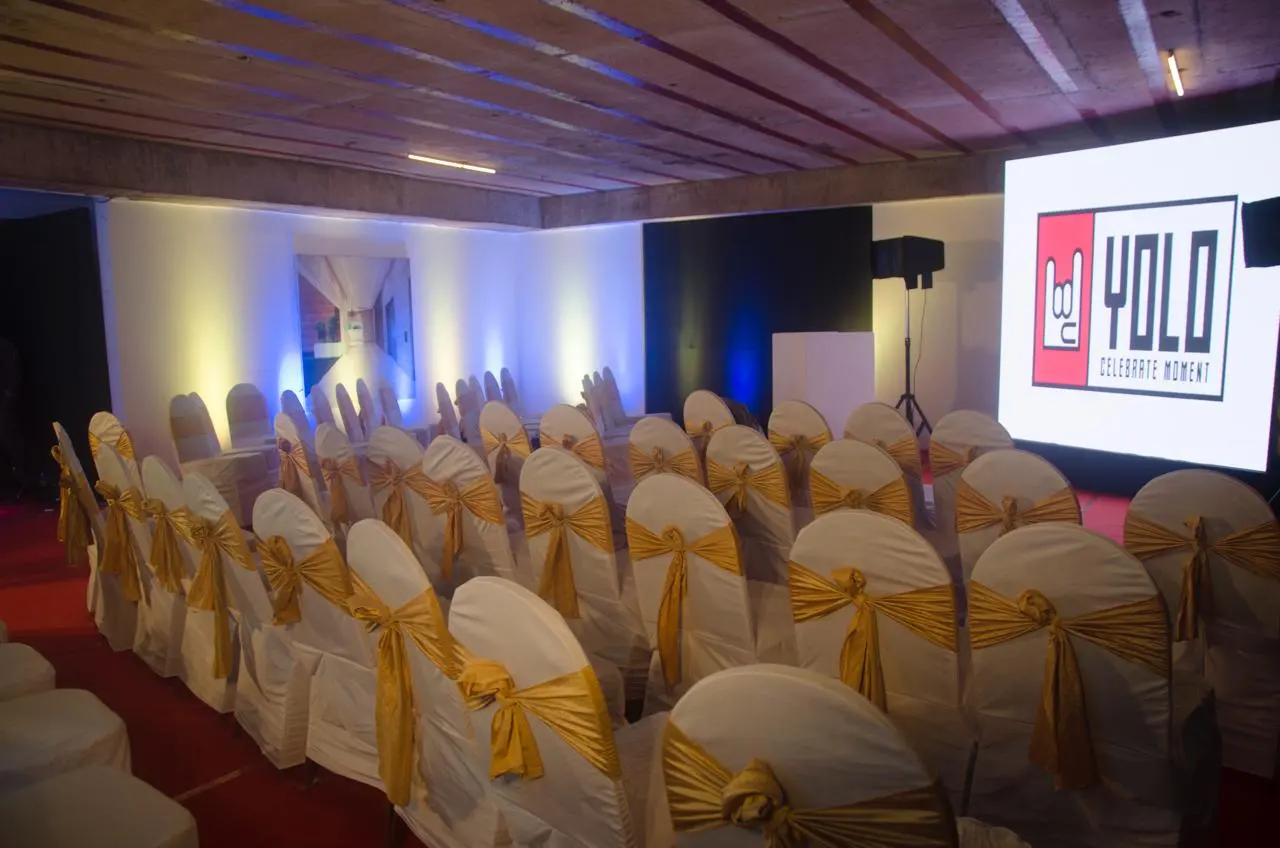
Conference organisers in Pune take care of everything around the talks: the venue, delegate registration, stage, screens, sound, breakout rooms, speaker support and the timing of every session. Your team decides the agenda and the speakers. We make sure the room, the slides and the people are ready when each session starts.
A seminar conference can be a half-day knowledge session in a small room or a two-day event with parallel tracks. A corporate meeting can be a quarterly review for a leadership team or an AGM with shareholders and a formal order of business. Each needs a different room plan, a different AV set-up and a different run-sheet, and we plan them that way.
In Pune, conferences cluster around the IT and business districts, with hotel ballrooms and convention rooms near Hinjewadi and Kharadi in steady use. Since 2013 we have run 500+ events for 100+ brands and companies, and a conference is where planning shows most: a mic that fails in the first minute is remembered longer than the keynote.
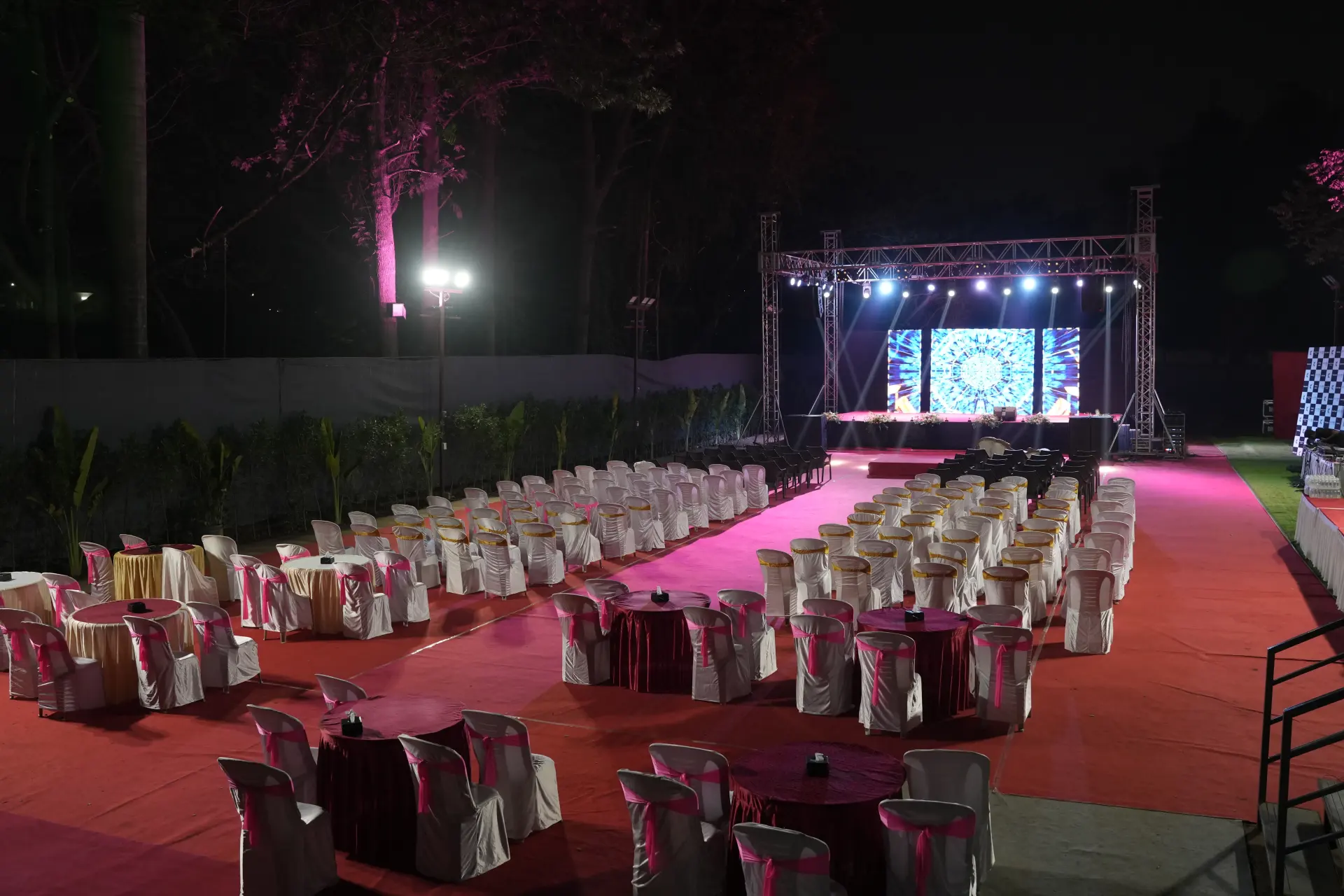
These are the parts we plan and run for a seminar, conference or corporate meeting.
Online sign-ups, confirmation messages, printed badges and a quick check-in desk that clears the queue before the first session.
Stage, lectern, LED or projection, microphones, confidence monitors and recording, with a full technical rehearsal.
Speaker briefs, slide collection in one format, green room, time cues and a person assigned to every speaker.
Parallel sessions set up with seating, screens and signage, and timed so delegates move between rooms without confusion.
Camera, streaming and Q&A set-up for remote attendees, tested before the day with your chosen platform.
A cue sheet for every session, tea breaks and lunch planned around the agenda, and a show-caller keeping time.
Every photo here is from an event our team planned and ran.

You share the audience, number of sessions, speakers and dates. We recommend a format, room plan and venue type.
You getA format note and venue shortlist
After a recce, we fix the hall and breakout rooms, then design the stage, screens, sound and recording set-up.
You getFloor plan, AV spec and itemised quote
Registration opens, speakers get their briefs and time slots, and branding and badges go into design.
You getLive registration and a speaker schedule
Stage, AV and signage are set up, every slide deck is played on the venue system and speakers walk the stage.
You getA tested room and a final cue sheet
A show-caller runs sessions to time, the help desk handles delegates, and recordings are handed over afterwards.
You getSessions on time and recordings delivered
A conference runs well when the format is decided before the venue. The number of sessions, the need for breakout rooms and the size of the screen decide which venues can work. Pick the format first and the shortlist becomes short very quickly.
A seminar is usually one topic, one room and a few hours, with discussion. A conference is larger, with several sessions, often several rooms, and delegates who come to learn and to network. If you are unsure which you are planning, read our explainer on the difference between a seminar and a conference. The answer changes your budget, your room plan and your timeline.
At a recce, look past the chandeliers. Check the ceiling height for the screen, the pillars that block sight lines, the number of power points near the stage, and whether breakout rooms are on the same floor. A hotel near Baner or Magarpatta with a well-shaped hall often beats a larger one with a pillar in the middle. Think about parking and the commute at the start and end of the day as well.
Collect every presentation in one format two days before the event, and play each one on the venue system during rehearsal. Videos with sound fail more than anything else at conferences. Give each speaker a time slot with a visible countdown, and brief the moderator on how to close a session that runs long.
The first impression of your conference is the queue. Pre-print badges, set up separate lines for pre-registered and walk-in delegates, and open the desk at least an hour before the first session. For an AGM, keep a separate desk for shareholders who need to sign in formally. Plan tea breaks near the hall, not two floors away, and serve lunch as a buffet with several counters so the afternoon session is not delayed by a single long line.
For the stage, LED and sound details, see our event production services. For signage, backdrops and sponsor walls, see event branding.
Can't find yours? Call or WhatsApp — a planner answers.
Conference organisers in Pune plan and run everything around the sessions: venue, registration, stage, screens, sound, breakout rooms, speaker support, meals and timing. You decide the agenda and speakers. We make sure every room, slide and microphone is ready on time, and a show-caller keeps the day moving so your team can host guests rather than chase suppliers.
A seminar is a smaller, focused session on one topic, often a few hours long with discussion. A conference is larger, with several sessions, speakers and sometimes parallel tracks over one or more days. Conferences need more rooms, more AV and a longer planning timeline. Many companies call a half-day event a seminar conference, and we plan it to its real size.
We manage speakers with a written brief, a fixed time slot and a named person who looks after them on the day. Slides are collected in one format before the event and tested on the venue system. Speakers get a green room, a stage walk-through and a visible countdown, so sessions start and finish on time.
Yes, we set up hybrid and live-streamed conferences with cameras, streaming, audio feeds and remote Q&A. Remote speakers are tested a day before, and a separate operator watches the online side while the room runs. Tell us your platform and audience size early, because a good stream depends on the venue's internet and a wired backup.
Book six to eight weeks ahead for most conferences, and earlier for large events or dates between November and February. Hotels with good halls and breakout rooms on one floor fill up first. For a small seminar or corporate meeting, three to four weeks can work, but you will have fewer venue choices.
An AGM needs a formal registration desk, a clear seating plan, a stage with a table for the board, reliable microphones, recording and a screen for resolutions. Some AGMs also need a live link for remote shareholders. We plan the timing to the notice agenda and keep a quiet room ready for the company secretary and auditors.
Conferences · Offsites · R&R nights · Dealer meets
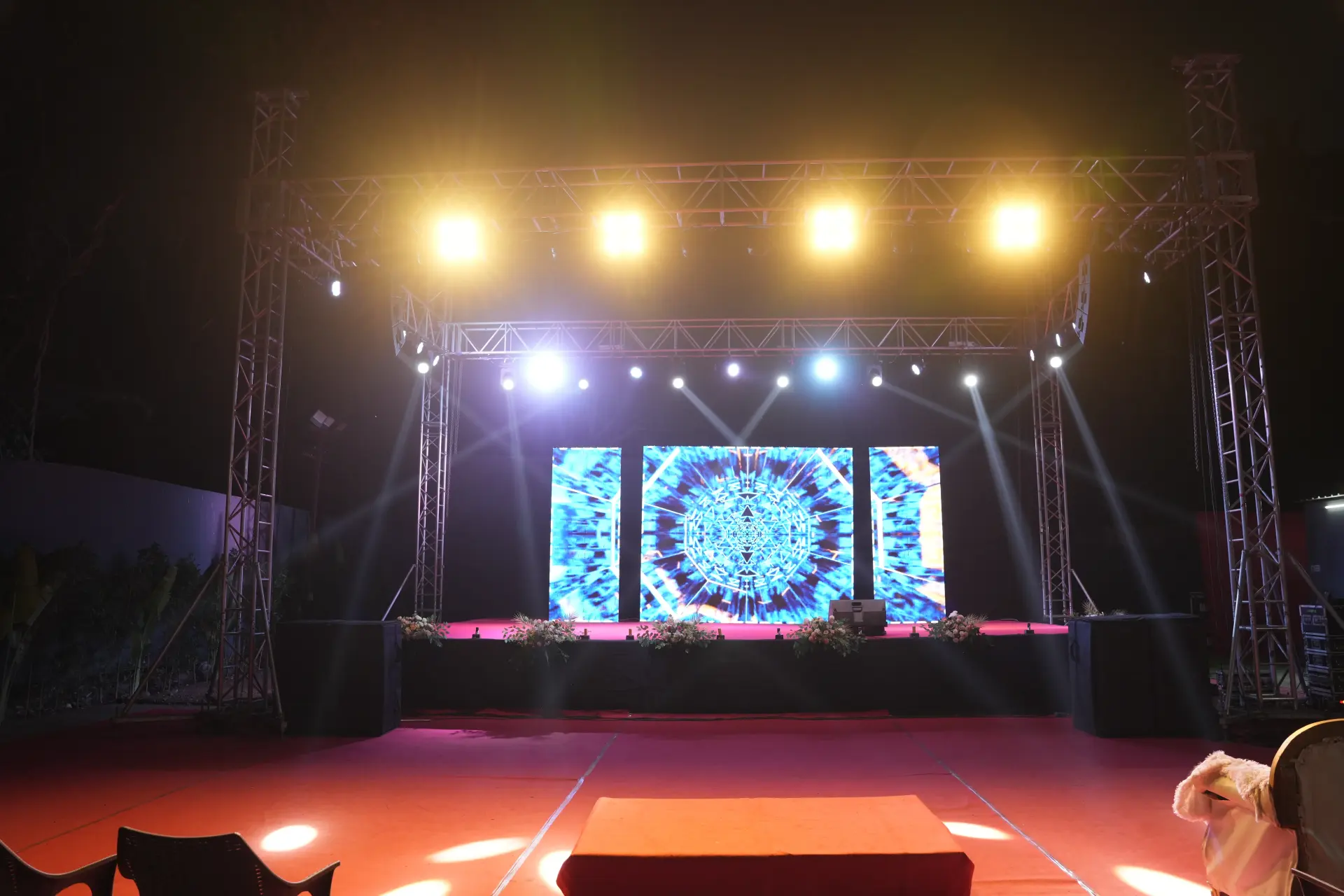
LED walls · Truss · Sound · Lights
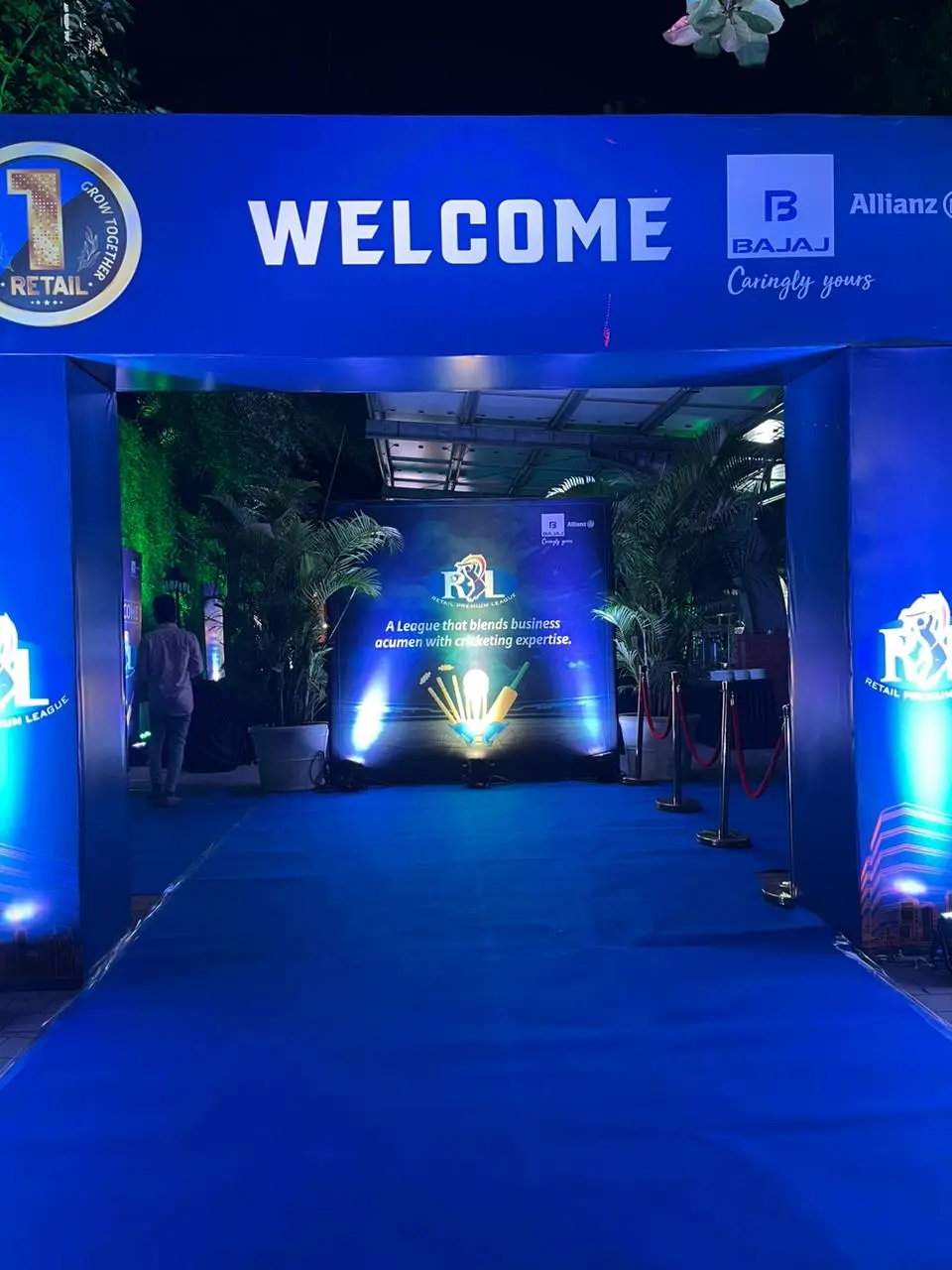
Welcome gates · Backdrops · BoothsSend the agenda, we will build the room
Share your dates, audience size and sessions, and we will send a venue shortlist with an itemised proposal.