Customer Meet Event ManagementAn evening your customers are glad they gave you

We plan and run customer meets for companies in Pune: invitations and confirmations, a room that gets people talking, working product demos, feedback captured properly and a follow-up pack your sales team can use the next morning.

  • Invitations
  • Seating and mixing
  • Product demos
  • Feedback capture
  • Photography
  • Follow-up pack
Customer Meet Event Management
2013planning events in Pune since

Customer meet eventFewer guests, better conversations

A customer meet is not a celebration and not a sales pitch. It is an afternoon or evening where the people who already buy from you meet the people who build and support what they buy, and both sides leave knowing something they did not know before. Judge it on the conversations, not the attendance.

That changes how it is planned. The invitation list is small and deliberate. The seating has to mix companies rather than let each customer sit with their own account manager. Demos have to actually work in a room with imperfect internet. And the feedback people give in the corridor is worth more than anything collected on a form at the door.

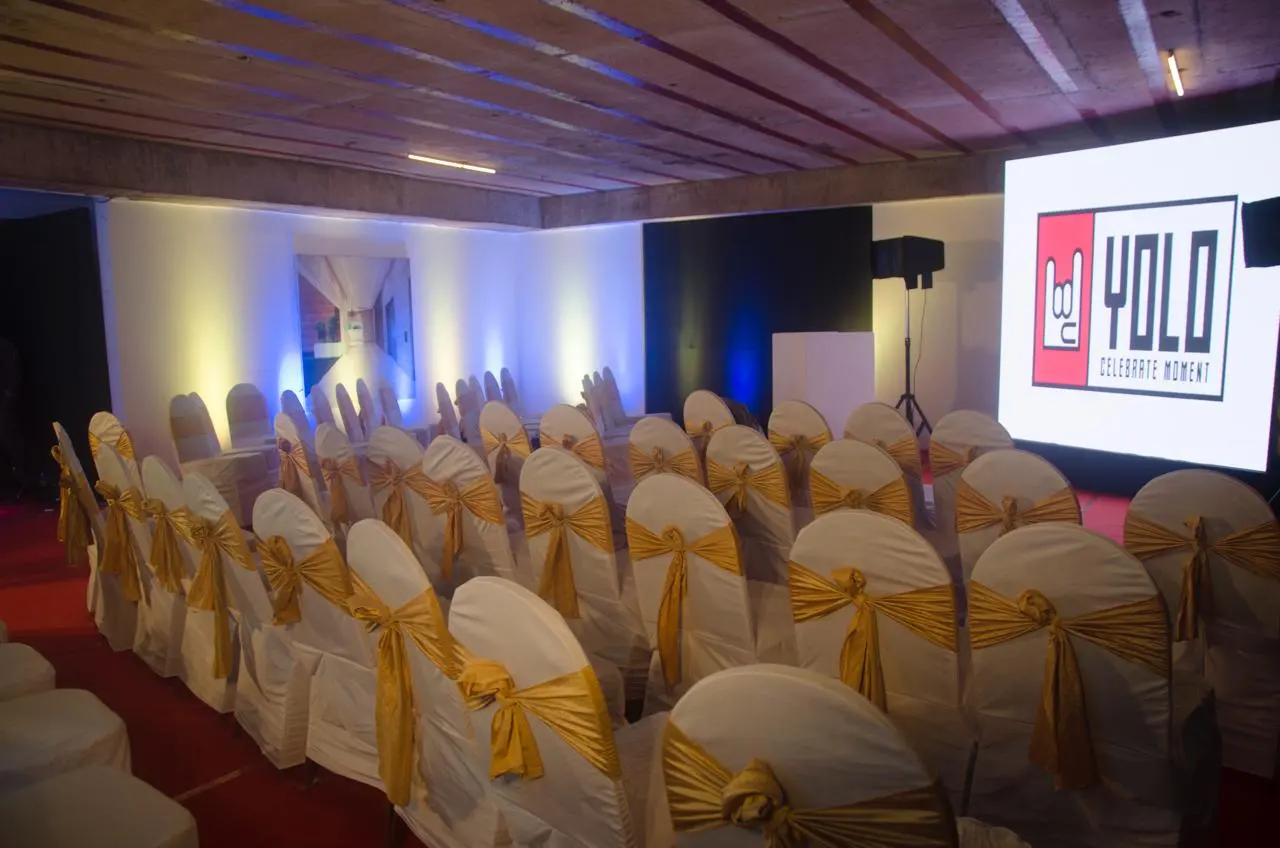
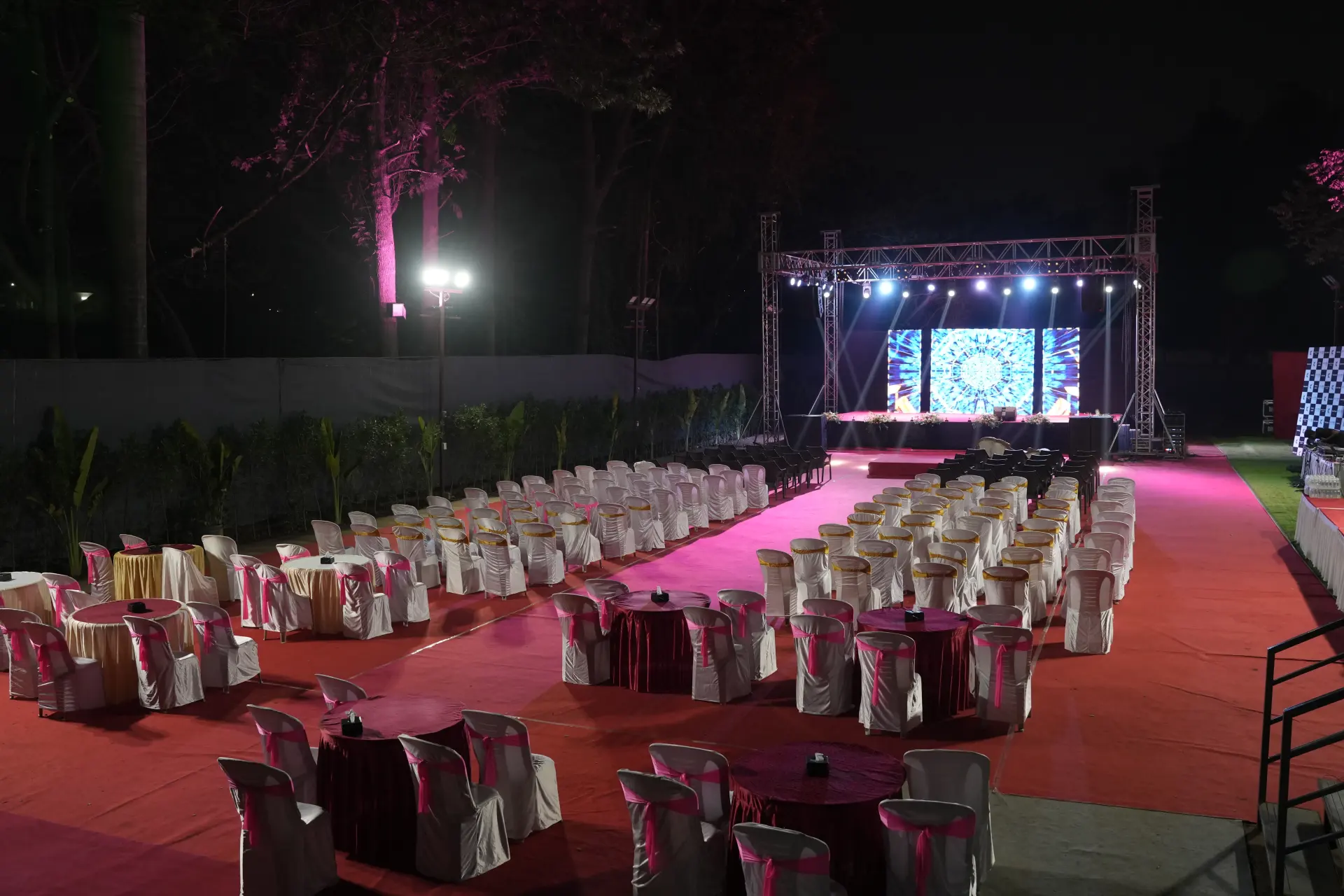
We handle the invitations and confirmations, the venue, the room layout, stage and AV, demo zones, feedback capture, photography and the follow-up pack. Most meets we run sit in the business hotels around Magarpatta and the western corridor near Baner, close to where customers already travel for work.

  • Running since 2013, 500+ events delivered
  • Invitations tracked to confirmed names
  • Seating planned to mix, not to cluster
  • Demo zones tested before guests arrive
  • Feedback and follow-up pack handed over next day
Customer meet event

Customer meets we organiseFormats that suit different relationships

  • Annual customer meetYour main customers invited once a year for an update, a demonstration and an evening of conversation.
  • Product roadmap sessionA working session where customers hear what is coming and say what they need, with the product team present.
  • User group meetingCustomers who use the same product share how they use it, with your team listening more than presenting.
  • Advisory round tableA small closed group, chaired properly, giving direct feedback on decisions you have not yet made.
  • Appreciation eveningA relaxed dinner with no agenda beyond thanking long-standing customers and letting teams meet informally.
  • Technical workshopA hands-on session for the engineers and users who work with your product every day, not for their managers.
  • Site and factory visitsCustomers brought to see how something is made or supported, with safety, passes and a hosted route planned.
  • Regional customer meetsThe same format repeated city by city so customers who cannot travel still get a proper conversation.

What a customer meet includesFrom the first invite to the follow-up

These are the parts we plan, set up and run for a customer or client meet.

Invitations and confirmations

Invites sent against your list, followed up by call, with confirmed names tracked daily so you know the real number.

Venue and seating

A room chosen for acoustics and movement, with seating planned to mix customers rather than seat each one with their account team.

Demo zones

Counters or pods for product demonstrations, with power, a wired connection, screens and a dry run before anyone arrives.

Stage and AV

Stage, screen, microphones and a technical rehearsal, sized for a room where people will be standing as much as sitting.

Feedback capture

A short structured round plus a note-taker in the room, so what people say in conversation is recorded, not lost.

Follow-up pack

Attendance list, photographs, notes by customer and open questions, handed to your sales team the next working day.

How our event planning worksFrom first call to final bow.

  1. 01 Day 1

    The call

    Tell us the date, the guest count, the budget and the feeling you want in the room. We ask the questions most people forget.

    You getFirst ideas and a budget range

  2. 02 Week 1

    Concept & moodboard

    Theme, décor, stage layout and a minute-by-minute run of show, drawn up and revised until it feels like yours.

    You getMoodboard, layout and an itemised quote

  3. 03 Weeks 2–4

    Venue, vendors & permissions

    Venue shortlists, caterers, artists, anchors and the paperwork — police, music licences and venue approvals — handled by us.

    You getLocked vendors, one point of contact

  4. 04 Event eve

    Build & rehearsal

    Décor goes up, truss and LED walls are rigged, sound is checked and the anchor rehearses every cue with our show caller.

    You getA walk-through before guests arrive

  5. 05 Show day

    Showtime & wrap

    Our crew runs the floor, the stage and the guests. When it is over, we clear the venue and send you the photos.

    You getA calm host — you — and the memories

Your customers are giving you half a working day. The only fair return is that they leave with something useful: a clearer view of what is coming, a problem heard, or a useful contact from another company in the room. Plan for that and the commercial benefit follows on its own.

Decide what the customer should leave believing

Write one sentence describing what you want a customer to say about you on the drive home, and test every agenda item against it. A meet built to reassure existing accounts looks nothing like one built to introduce a new capability, and trying to do both in one evening usually achieves neither.

Be honest about whether this is a listening event or a telling event. If you genuinely want feedback, the agenda has to give more time to customers than to your own team, and somebody senior has to sit and take it without defending. If it is really a product update, say so in the invite so nobody arrives expecting to be consulted.

Invite fewer people, and the right ones

Resist the temptation to fill the room. A customer meet with forty of the right people beats one with a hundred and twenty where most are junior attendees sent because someone had to go. Ask your account managers for named individuals and their role, not for company names, and follow the written invite with a phone call, because that is what actually produces attendance.

Mind the mix. Putting direct competitors at the same table makes everyone careful, and a room where one customer is far larger than the rest changes how freely the others speak. Sometimes two smaller meets work better than one large one, and they cost less to run than the meeting you would have had to hold afterwards anyway.

From invitation to follow-up

A customer meet is an arc, not a day. This is the shape we plan to, and the signal at each stage that tells you it is working.

StageWhat happensReady before itSignal it is working
InvitationWritten invite, then a call from the account managerNamed list with roles, a clear reason to attendPeople ask what will be covered
ConfirmationNames tracked, seating and badges plannedDietary notes, travel needs, arrival timesConfirmed names, not company placeholders
ArrivalGreeted by someone who knows them, badge readyPhotographs and roles circulated to your teamNobody stands alone in the first ten minutes
Main sessionShort update, then demos and discussionDemos tested, speakers timed, questions seededCustomers ask questions, not only your team
Informal timeFood, conversation, account teams circulatingSeating that mixes, a note-taker briefedCustomers talking to each other, not only to you
Follow-upNotes by customer sent to account ownersAgreed owner and deadline for every open pointA next meeting is booked within the week

Demos have to survive a real room

The demonstration is where customer meets fail publicly. A product that works perfectly in the office fails at a venue because the wi-fi is shared with three hundred people, the screen washes out in daylight, or the demo laptop decides to update. Book a wired connection, bring a local copy that runs without internet, test on the actual screen in the actual light, and have a second machine set up and logged in.

Staff the demo zone with someone who can answer a hard technical question, not only with a presenter. Customers walk up with the problem they have been living with for six months, and the answer they get in that moment is what they will remember from the whole event.

Feedback, and what to confirm with the venue

Collect feedback where it is actually given. The useful comments happen standing at a demo counter or over a plate, not on a form at the door. Put a note-taker in the room whose job is to write down what customers say and who said it, and give your account managers a simple way to record one line each before they leave.

  • Is there a wired network point at the demo area, separate from guest wi-fi?
  • Can the room be lit so the screen is readable without making it feel like a lecture hall?
  • Is there a quieter corner where a difficult conversation can happen privately?
  • Will food service pause during the presentation, or run through it?
  • Is there parking, and will someone meet customers who are visiting for the first time?
  • Who from the venue is the single contact during the event itself?

For networking evenings, seminars and the wider range of business-to-business events, our business event organisers page covers those formats. If your audience is distributors and channel partners with targets and awards rather than end customers, see dealer meet management.
Customer meet event — FAQsQuestions people ask us.

Can't find yours? Call or WhatsApp — a planner answers.

What is a customer meet?

A customer meet is an event where a company invites its existing customers for an update, a demonstration and a conversation. It usually runs half a day or an evening and mixes a short presentation with demos and informal time. The purpose is to strengthen relationships and hear what customers actually need, not to sell from a stage.

How many customers should we invite?

Fewer than you think, and by name rather than by company. A room of thirty or forty of the right people produces better conversations than one of a hundred and twenty where most were sent because somebody had to attend. Ask account managers for named individuals and their roles, and follow every written invite with a phone call.

What drives the cost of a customer meet?

Guest numbers, the venue, food, and how much demonstration setup the format needs. Screens, demo pods, power and connectivity cost more than a plain meeting room. Travel or stay for customers coming from other cities is often the biggest variable. Tell us your expected numbers and what you want to demonstrate and we will itemise it.

What should the agenda include?

A short update from your side, a demonstration customers can walk up to, structured time for them to speak, and informal time with food. Keep your own presentation under half an hour. If the meet is genuinely about feedback, give customers more time than your team gets, and put someone senior in the room to listen without defending.

How do you get honest feedback at a customer meet?

By capturing it where it is actually given. The candid comments happen at a demo counter or over a plate, not on a form at the exit. Put a note-taker in the room to record what was said and by whom, ask account managers for one written line each before they leave, and run a small round table for the closest customers.

How is a customer meet different from a dealer meet?

A customer meet is for the people who buy and use your product, and it is built around listening, demonstrations and relationships. A dealer meet is for distributors and channel partners, and it is built around targets, schemes, recognition and travel for outstation partners. The agendas look similar on paper but the conversations in the room are entirely different.

How soon should follow-up happen after the meet?

The next working day, while the conversation is still fresh for both sides. Each account manager should receive the notes relating to their customers, with an owner and a date against every open point. A meet that produces warm feelings and no follow-up is worse than no meet at all, because customers notice the silence.

More from Plan With YOLOPages people read next.

Give us the list, we will plan the conversation

Tell us who you want in the room and what you need them to leave with, and we will come back with a format, a venue shortlist and an itemised proposal.

Talk to a planner