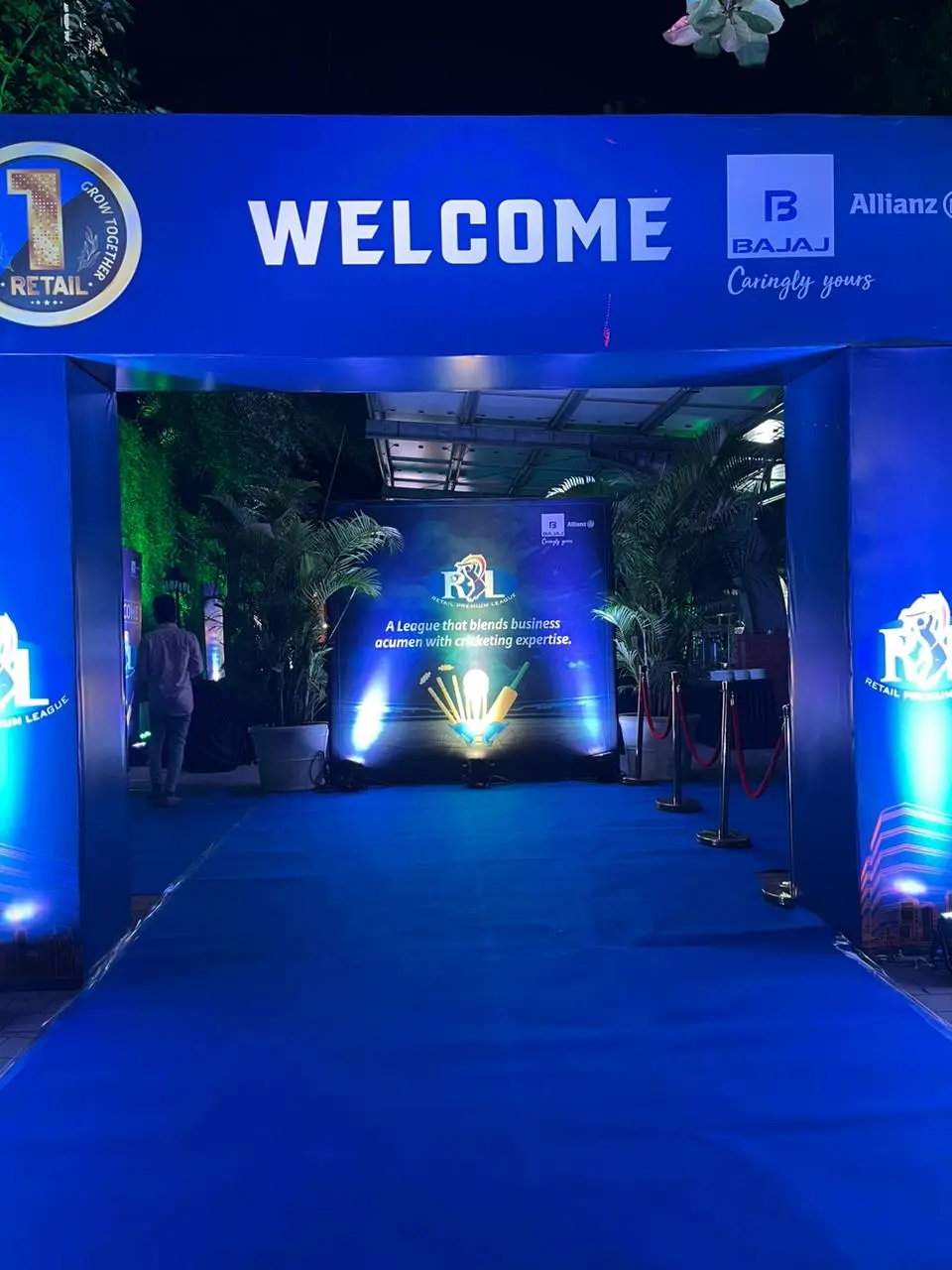
Registration and badges
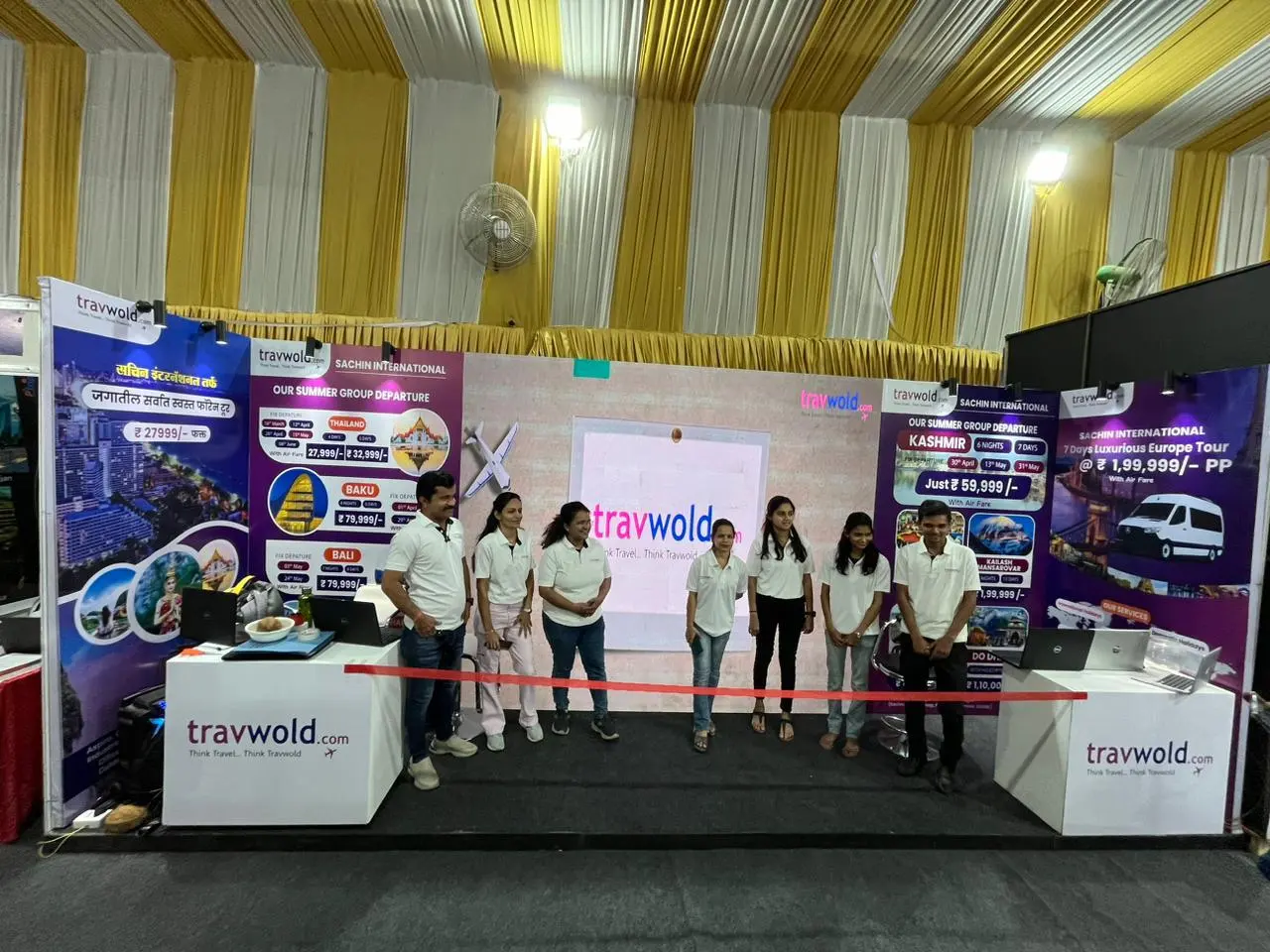
Pre-registration form, printed lists split alphabetically, counters staffed for the arrival rush and badges showing name and batch.
+91 84858 38274 · +91 84858 38219
Shop 7, Ekta Nagri, Near Dwarka Apartment, Anand Nagar, Pune 411051
We organise alumni meets for colleges, schools and companies in Pune: registration desks that do not queue, badges that show the batch, seating by year, clean audio for speeches and memorabilia people take home.


An alumni meet is judged on one thing: whether people found the friends they came to see. Not the food, not the stage. If a man from a batch of thirty years ago spends the first hour wandering between tables looking for a familiar face, the event has already lost him.
That makes an alumni meet a registration and signage problem more than a stage problem. Badges have to show the batch year in type readable from across a room. Seating has to be grouped by year, with the year visible on a board above it. The desk at the door has to move hundreds of people through in the first forty minutes, because almost everybody arrives at once.
We handle the pre-registration form, the printed lists, the desk, badges, signage, batch seating, stage and audio for the speeches, the memorabilia counter and photography. Whether the meet is on campus in Shivajinagar or at a hall nearby, your alumni committee gets to spend the evening with the people it invited.
Every photo here is from an event our team planned and ran.
These are the parts we plan, set up and run for an alumni meet.

Pre-registration form, printed lists split alphabetically, counters staffed for the arrival rush and badges showing name and batch.
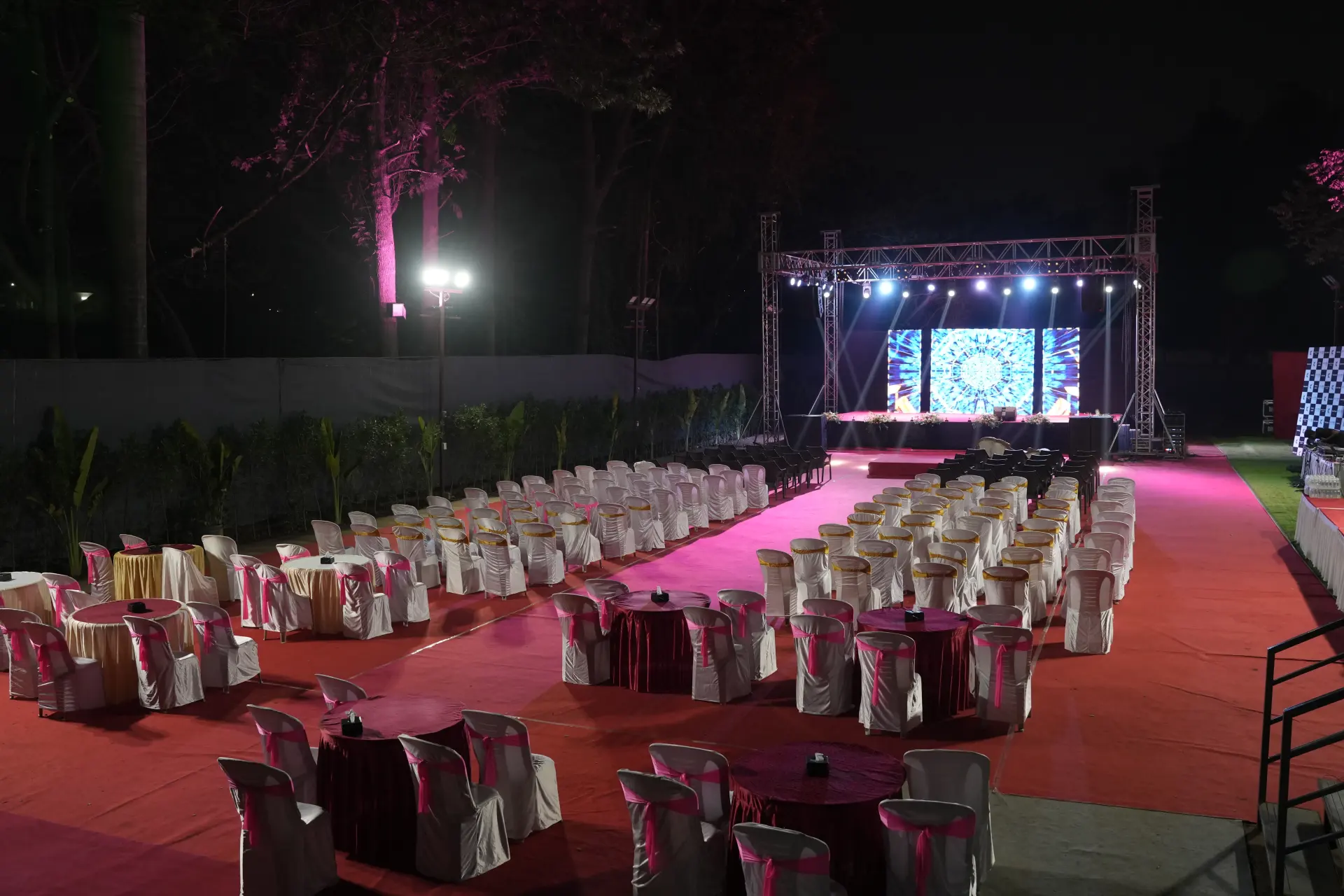
Tables or rows grouped by year, with tall year boards so people can spot their batch from the entrance.
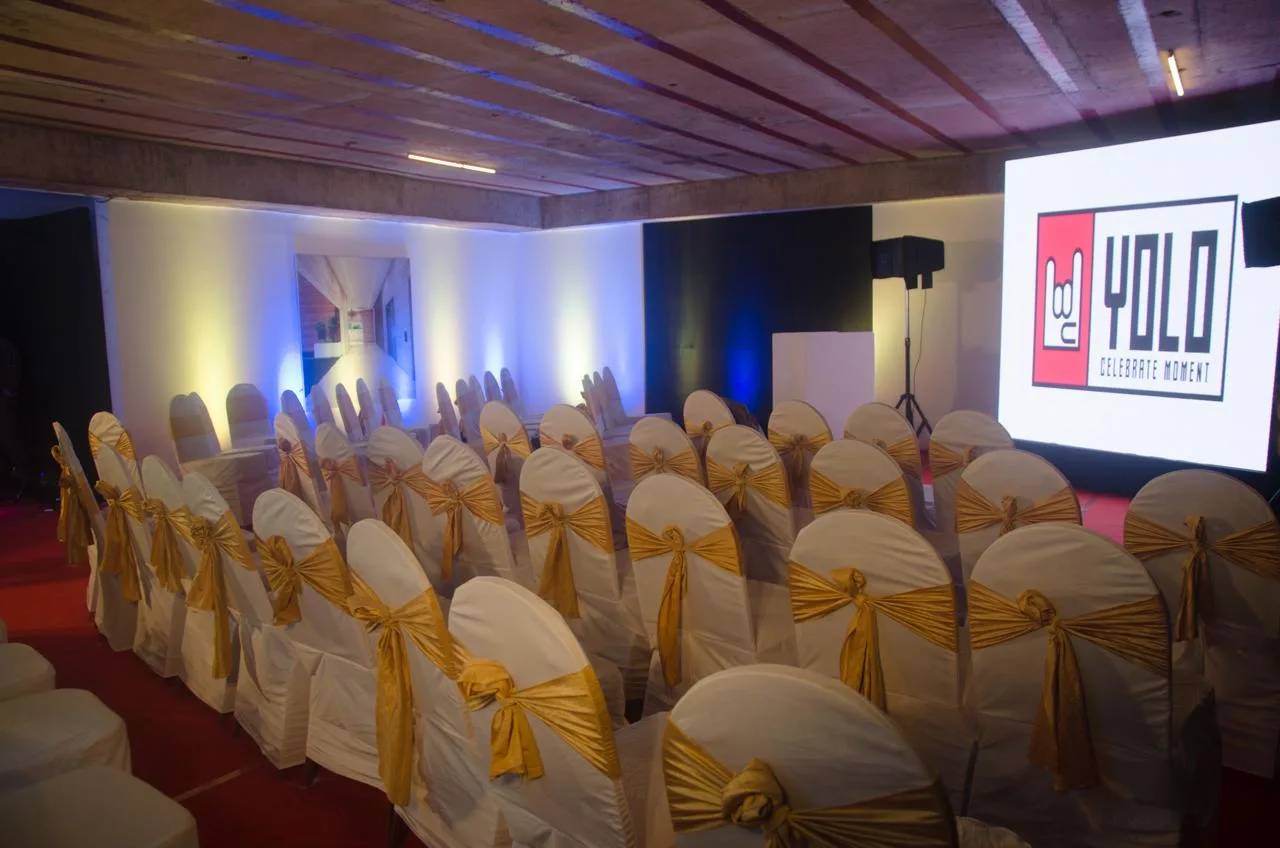
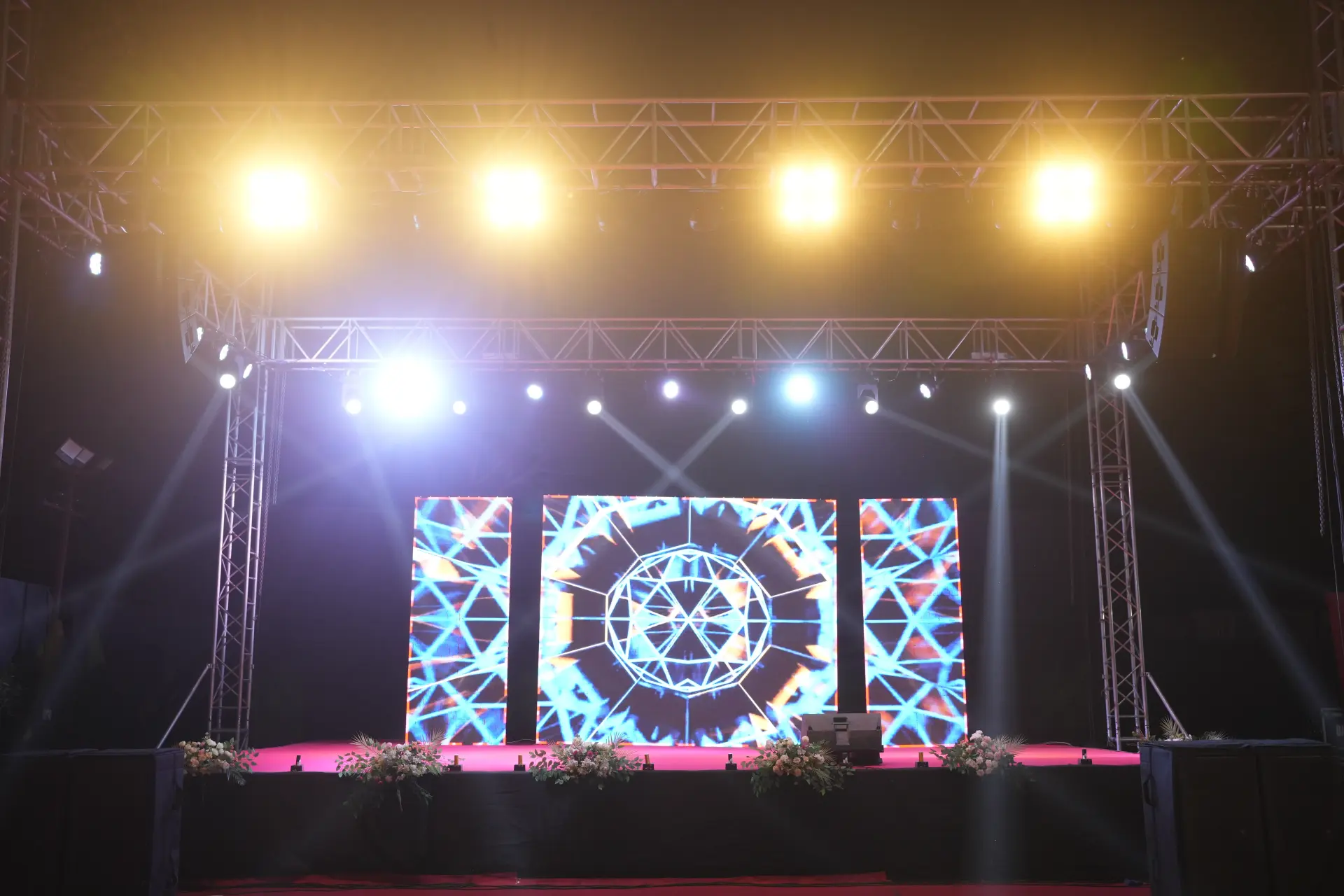
Stage, screen, handheld and lapel mics, and a sound setup that stays clear once a few hundred people are talking.
Entrance arch, directional boards, year markers, food and washroom signs, so nobody has to ask where to go.
A counter for keepsakes, an old-photograph wall and a backdrop where each batch can take its group picture.
A written running order, a show-caller on the day, and someone keeping the speeches inside the time they were given.
The full institution meet with several batches present, a stage programme, dinner and batch photographs.
Silver or golden jubilee gatherings for one batch, usually with a felicitation for the faculty who taught them.
A daytime meet on campus with a tour of the school, assembly-style programme and families invited.
Held by one department, smaller and more technical, often combined with a talk or a placement conversation.
Former employees invited back for an evening, with a business update and open networking time.
Regional gatherings for alumni living in one city, run to the same format as the main annual meet.
The stage programme streamed for alumni abroad, with a moderated channel so they can send messages in.
Distinguished alumni recognised on stage, with citations, trophies and a photographer at the podium.
Tell us the date, the guest count, the budget and the feeling you want in the room. We ask the questions most people forget.
You getFirst ideas and a budget range
Theme, décor, stage layout and a minute-by-minute run of show, drawn up and revised until it feels like yours.
You getMoodboard, layout and an itemised quote
Venue shortlists, caterers, artists, anchors and the paperwork — police, music licences and venue approvals — handled by us.
You getLocked vendors, one point of contact
Décor goes up, truss and LED walls are rigged, sound is checked and the anchor rehearses every cue with our show caller.
You getA walk-through before guests arrive
Our crew runs the floor, the stage and the guests. When it is over, we clear the venue and send you the photos.
You getA calm host — you — and the memories
An alumni meet is a logistics event wearing a sentimental coat. The stage, the songs and the speeches matter, but what people remember is whether they spent the evening talking to old friends or hunting for them. Plan the arrival and the seating first, and the rest becomes easy.
Fix the scope before the invite goes out, because it changes the whole event. An all-batch annual meet brings a wide age range and needs seating by year, shorter speeches and food that suits everyone. A jubilee meet for one batch is a smaller, warmer evening where a full programme would get in the way. A department meet is smaller again and usually wants a talk or a placement conversation built in.
Once the scope is set, get the data cleaned early. Old alumni lists are full of changed numbers and unreachable addresses. Ask each confirmed attendee to bring one contact from their own batch, because peer contact fills a list far faster than an institutional email ever does.
Almost everybody arrives inside the same half hour, so a single desk with one list creates a queue that people remember longer than the dinner. Split the desk, split the lists and staff it properly.
| Station | What sits on it | Staffed by | Why it exists |
|---|---|---|---|
| Pre-registered counters | Alphabetical lists, printed badges in trays | Two people per counter, split by surname | Moves the majority through in under a minute each |
| Walk-in counter | Blank badges, marker pens, a form | One person who knows the institution | Keeps unregistered guests out of the main queue |
| Batch board | Large year numbers and a seating map | Unstaffed, placed before the desk | People know where to head before they are badged |
| Memorabilia counter | Keepsakes, receipts, a card machine | Committee volunteers | Payment never blocks the entry queue |
| Help point | Attendee list, phone, wheelchair, water | One senior volunteer | Older alumni and anyone who needs assistance |
| Photo wall | Old photographs, a backdrop, good light | Photographer stationed nearby | Gives early arrivals somewhere to go, not a corridor |
Group seating by batch and mark it with boards tall enough to read from the door. Without those boards, people sit wherever there is space, batches get scattered and nobody moves for the rest of the evening. Leave a wide aisle down the middle and keep the tables nearest the stage for the oldest batches, who are least likely to want to stand at the back.
Leave more standing space than feels necessary. At every alumni meet, a third of the room ends up on its feet in small circles, and if the layout has filled every square metre with chairs those conversations happen in the walkway to the food counter. Standing tables around the edge solve it.
Keep the stage segment short and put it early, while people are still seated. The order that works is a brief welcome, an institutional update, felicitation of teachers or senior alumni, and then open the evening. Give each speaker a firm time and a card at the one-minute mark. Alumni meets run long far more often than they run short.
Audio is what fails most visibly here. A hall full of people who have not met in years is much louder than the same hall at a conference, so a system that sounded fine at the check disappears once the room fills. Ask for speakers along the sides rather than only at the front, keep a spare handheld mic ready, and test with the room full if you possibly can.
If the institution intends to raise funds, decide how and say so in the invite. A quiet counter and a line in the programme work far better than an unannounced appeal from the stage after dinner, which makes people feel ambushed at what they thought was a reunion.
If your institution also runs a formal conference, convocation or an annual general meeting with delegates and speakers, our conference organisers page covers that format, including delegate registration and speaker management. For badges, year boards and signage design, see event branding.

Can't find yours? Call or WhatsApp — a planner answers.
An alumni meet organiser handles registration, badges, signage, seating by batch, stage and audio, memorabilia and the running order on the day. The committee keeps the invitations, the guest relationships and the message. On the day, the organiser's main job is moving a few hundred people from the gate to their batch without a queue forming.
With a simple pre-registration form that closes a week before and asks for batch year, guests and food preference. Follow it with phone reminders from batch representatives, because peers get responses that institutional emails do not. Expect some walk-ins regardless, so keep a separate counter and spare badges rather than letting them join the main queue.
Headcount, the venue, food and how much of the evening is produced. Registration, badges and signage are largely fixed, while catering scales directly with attendance. Stage, screens, memorabilia and photography add to it. Because numbers move until the last week, we build the quote with a per-guest line so you can see exactly what changes.
Group it by batch year and mark each group with a board tall enough to read from the entrance. Keep the oldest batches nearest the stage, leave a wide central aisle, and place standing tables around the edges. Without year boards people sit wherever there is space, batches scatter, and the evening never recovers from that first ten minutes.
A short welcome, an institutional update, felicitation of teachers or senior alumni, and then the evening opened up. Keep it early while people are still seated, give every speaker a firm time and a signal at the one-minute mark. Alumni meets overrun far more often than they finish early, and the speeches are almost always the reason.
Stream the stage programme and give them a moderated channel to send messages that get read out. Some institutions also run chapter meets in other cities on the same date, using the same format and a shared video segment. Keep the streamed portion short, because watching a hall full of people talk is not the same as being there.
Start three months ahead for an all-batch meet, because cleaning the contact list takes longer than anything else. Venue and date are fixed first, then batch representatives are appointed, then the invite goes out about six weeks before. A jubilee meet for a single batch can be arranged in six to eight weeks if the contacts are current.
Pune · PCMC
Welcome gates · Backdrops · Booths
Fests · Farewells · Cultural nightsGive us the list, we will handle the door
Tell us how many batches are invited and the numbers you expect, and we will come back with a registration plan, a layout and an itemised proposal.