
A seminar is a small, focused session where one or a few experts teach a single topic to an interactive audience, usually over a few hours. A conference is a larger event, often lasting one or more days, with many speakers, parallel sessions and networking around a broader theme. Conferences often include seminars and workshops inside them.
People use seminar and conference as if they mean the same thing, and then get surprised when the venue, budget and speaker list look nothing like what they expected. The two formats differ in size, depth and purpose. This guide explains the difference between seminar and conference, compares them side by side, and helps you pick the right one for your goal.
What is a seminar?
A seminar is a focused teaching session on one subject, led by one or a few experts, for a small group that is expected to ask questions and take part.
Think of a half-day session on new GST rules for your finance team, a product training for channel partners, or a talk on workplace safety for plant supervisors. The audience usually shares a background, the speaker goes deep into one topic, and there is time for discussion.
- Size: usually small, from a boardroom group to a hall of a few hundred.
- Duration: a couple of hours to a full day.
- Format: presentation followed by questions, case discussion or exercises.
- Goal: learning a specific skill or understanding one issue.
What is a conference?
A conference is a larger gathering built around a broad theme, with many speakers, several sessions and a strong networking element, often over one to three days.
An industry association’s annual meet, a technology summit for customers, or a medical conference with keynotes and paper presentations are all conferences. Delegates come from different companies and roles. They pick the sessions that interest them and spend a good part of the day meeting people in breaks, exhibition areas and dinners.
- Size: from a few hundred to several thousand delegates.
- Duration: one day to several days.
- Format: keynotes, panels, parallel tracks, exhibition stalls, networking meals.
- Goal: sharing ideas across an industry, building relationships, positioning a brand.
Seminar vs conference: side-by-side table
The simplest way to see the difference is to compare the two formats point by point.
| Factor | Seminar | Conference |
|---|---|---|
| Purpose | Teach or discuss one topic in depth | Cover a broad theme and connect many people |
| Audience | Small, similar background | Large, mixed roles and companies |
| Speakers | One to a few experts | Many speakers, panels, a keynote |
| Duration | Hours to one day | One to several days |
| Interaction | High, questions throughout | Mixed, questions in sessions, networking in breaks |
| Sessions | Single track | Often parallel tracks and breakouts |
| Venue | Meeting room, training hall, small auditorium | Hotel ballroom, convention centre, multiple halls |
| Production | Projector, a few mics, basic branding | LED stage, camera feeds, registration desks, signage, exhibition |
| Planning time | A few weeks | Several months |
| Budget drivers | Venue, speaker, refreshments | Venue, production, travel and stay, catering, exhibition build |
Workshops, symposiums and summits compared
Workshops, symposiums and summits are close cousins of the seminar and conference, and each has its own flavour.
- Workshop: hands-on and practical. Participants do the work, such as building a sales pitch or using software, rather than just listening. Groups are small.
- Symposium: a formal meeting where experts present papers or views on one subject, often followed by debate. Common in medicine and academia.
- Summit: a high-level gathering of leaders or decision makers. The word signals seniority more than size.
- Convention: a large gathering of members of one association, profession or company, often with voting, awards and social events.
- Webinar: a seminar held online. Hybrid events mix a physical audience with online viewers.
A large conference can hold all of these: a keynote on the main stage, seminars in side halls and workshops in breakout rooms.
Which format suits your goal
Choose the format by the outcome you want, not by how grand the event should look. Use this rule of thumb.
- You want people to learn one thing well: run a seminar or workshop.
- You want people to practise a skill: run a workshop with exercises.
- You want to bring a whole industry, dealer network or customer base together: run a conference.
- You want leaders to agree on direction: run a summit or an offsite meeting.
- Your audience is spread across cities: consider a hybrid format with live streaming.
If you are torn, start with a seminar series. It is easier to grow a successful seminar into a conference next year than to fill a half-empty conference hall this year.
Venue and production needs for each
A seminar needs a quiet, well-lit room and clear sound, while a conference needs a production plan that covers every hall, every session and every delegate.
For a seminar
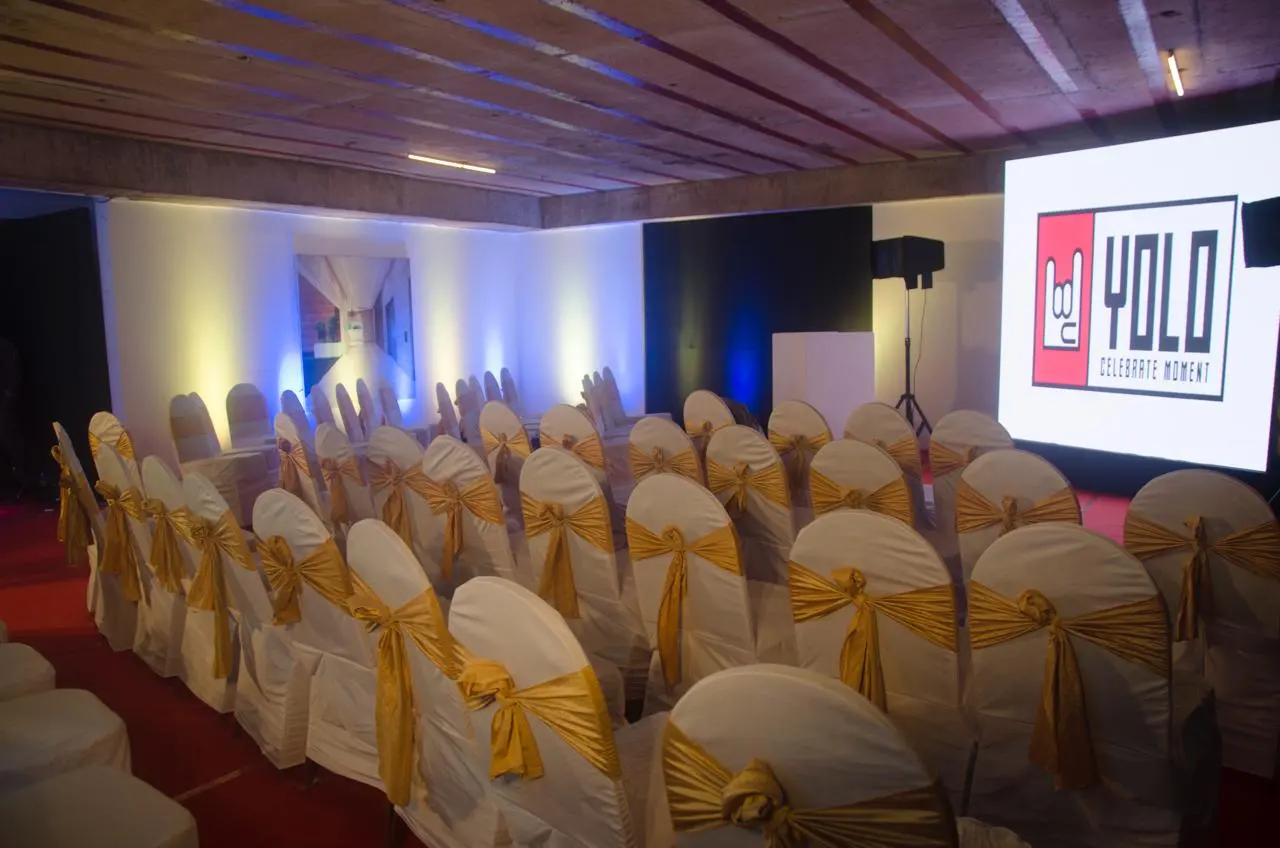
- Classroom or theatre seating with a clear view of the screen
- Projector or display, clicker, two cordless microphones
- Registration table, name badges, printed or digital handouts
- Tea and snack break, and lunch if it runs a full day
For a conference
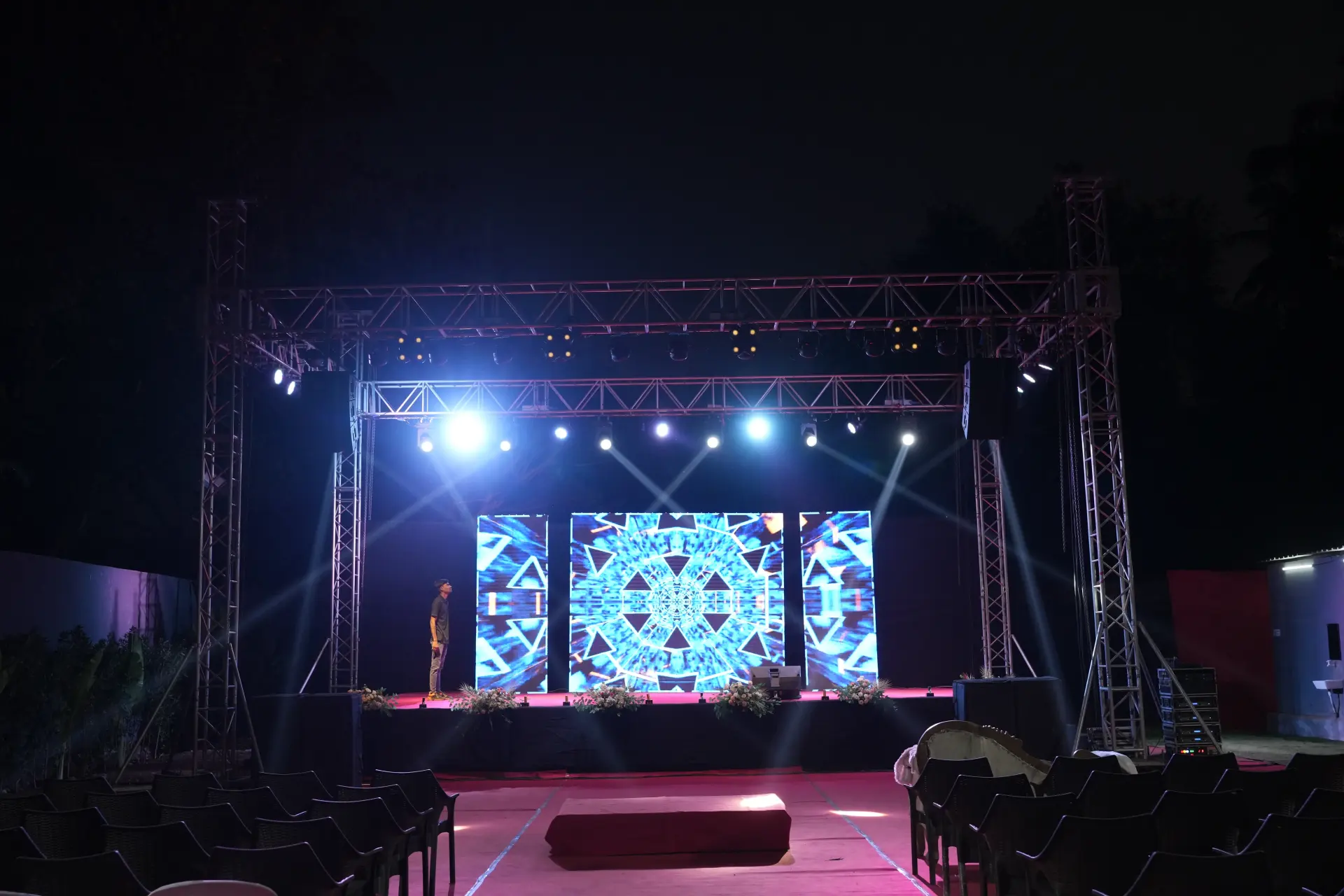
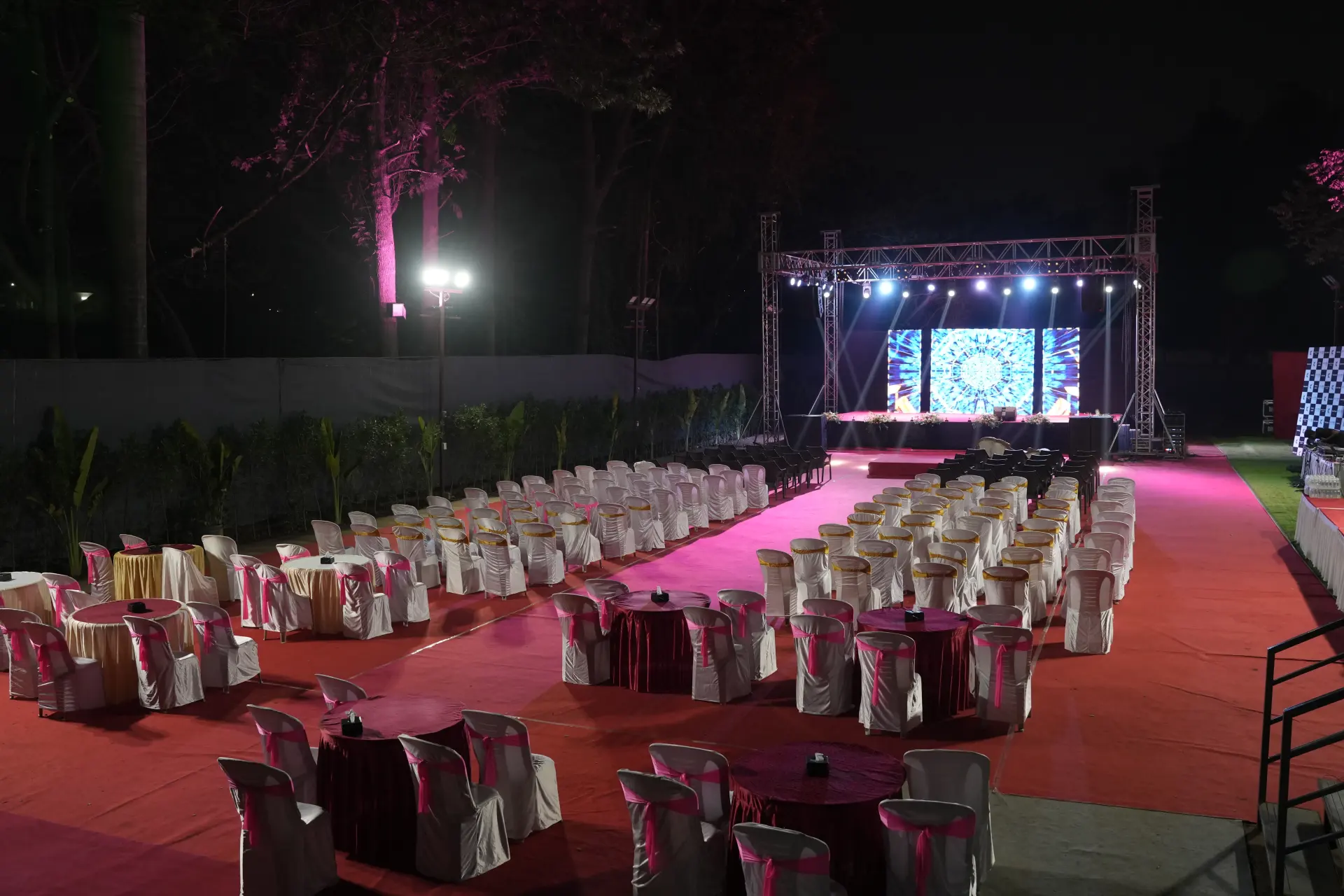
- Main hall with stage, LED wall, stage lighting and camera feeds
- Breakout rooms with their own AV and signage
- Registration desks, badge printing, a help desk
- Delegate kits, branding across the venue, directional signage
- Exhibition or sponsor stalls, networking lounges, meals for large numbers
- Speaker management: green room, briefing, slide checks, timing cues
Branding matters more than most organisers expect. Welcome gates, stage backdrops and signage are covered on our event branding page, and stage, sound and LED setups on our event production services page.
Common mistakes with both formats
Most seminar and conference problems come from choosing the wrong format or underestimating the details, not from a lack of budget.
- Calling a seminar a conference. A grand name raises expectations. If you have two speakers and one hall, call it a seminar and make it excellent.
- Too many speakers, too little time. Back-to-back talks with no questions leave delegates tired. Build in question time and breaks every ninety minutes or so.
- A hall that is too big. A small audience in a huge ballroom feels empty. Pick a room that looks full, not one that could hold everyone you ever invited.
- Ignoring the delegate journey. Parking, registration queues, badge errors and poor signage create a bad first impression before the first session starts.
- No slide and timing checks. Collect presentations a day early, test them on the venue system, and give speakers a visible timer.
- Weak follow-up. Share slides, recordings and a feedback form within a day or two, while people still remember the sessions.
A quick way to decide
Ask yourself one question: do you want people to go deep or go wide? If the answer is deep, one subject with real discussion, run a seminar or workshop. If the answer is wide, many subjects, many people and new connections, run a conference. Everything else, from venue size to production, follows from that choice.
Planning a seminar or conference in Pune
Pune works well for both formats because it has business hotels, training centres and larger convention spaces, and good road and rail links to Mumbai. Many companies run seminars at hotels near Hinjewadi or Baner for IT and engineering teams, and host bigger conferences at venues with several halls under one roof.
Start with the date and the delegate list, then fix the venue, then the agenda and speakers, then production and branding. Leave room in the schedule for breaks. Delegates remember the conversations as much as the sessions.
Plan With YOLO has planned and run corporate seminars, conferences, dealer meets and launches since 2013, with one team and one point of contact from venue to wrap-up. See what we cover on our corporate event planner page, or tell us your format and headcount for a plan and an itemised quote.
Frequently asked questions
What is the main difference between a seminar and a conference?
The main difference is scope. A seminar goes deep into one topic with a small, interactive group and one or a few experts, usually for a few hours. A conference covers a broad theme with many speakers, parallel sessions and networking, often over one or more days. A seminar is for learning; a conference is for learning plus connecting an industry.
Is a conference bigger than a seminar?
Yes, a conference is usually much bigger than a seminar. A seminar often has a small group in one room, while a conference can bring hundreds or thousands of delegates across several halls. Size is not the only difference, though. A conference also has more speakers, more sessions, networking breaks and often an exhibition, which makes planning longer and production heavier.
How long does a seminar last?
A seminar usually lasts between two hours and one full day. Short seminars on a single topic run for a morning or an afternoon with one tea break. Full-day seminars add lunch and often split the day into two or three linked sessions. Anything that runs across several days with many speakers is closer to a conference or training programme.
Can a conference include seminars?
Yes. Most large conferences include seminars, workshops and panel discussions alongside the main keynote sessions. Delegates attend the keynote together in the main hall, then split into smaller rooms for seminars on specific topics. This mix lets one event serve people with different interests, and it is why conference planning needs a clear hall-by-hall schedule and separate AV for each room.