Store Launch Event Management in PuneOpening day, and the street notices

We plan and run store openings across Pune: shopfront branding, the ribbon ceremony, a footfall drive in the neighbourhood, crowd flow at the door, entertainment and marshals, so your first day trades instead of jams.

  • Shopfront branding
  • Ribbon ceremony
  • Footfall drive
  • Crowd marshals
  • Entertainment
  • Permissions
Store Launch Event Management in Pune

Store launch eventJudged by the till, not the photographs

A store launch is a footfall event. The measure of a good opening day is how many people walked in, how many stayed long enough to buy, and how many came back the following weekend. A beautiful ribbon photograph with an empty aisle behind it means the day did not work.

That makes a store launch a very different job from a product reveal on a stage. There is no seated audience and no run of show to hold people in place. You are working with a pavement you do not own, a door that has to stay usable, neighbours who trade next to you, and a crowd that decides in three seconds whether to come in.

We plan the shopfront, the ceremony, the entertainment and the neighbourhood drive that brings people in, and we put marshals where the crowd will actually build. High-street openings in places like Aundh have footpath and parking issues that a mall unit does not; a mall unit has management rules that a high street does not. The plan changes with the address.

  • Running since 2013, 500+ events delivered
  • Shopfront planned zone by zone for crowd flow
  • Neighbourhood drive before opening day
  • Permissions and mall paperwork handled
  • Marshals at the door and the billing queue
Store launch event

What a store launch includesFrom the arch to the queue

These are the parts we plan, set up and run for an opening day.

  1. 01

    Shopfront branding

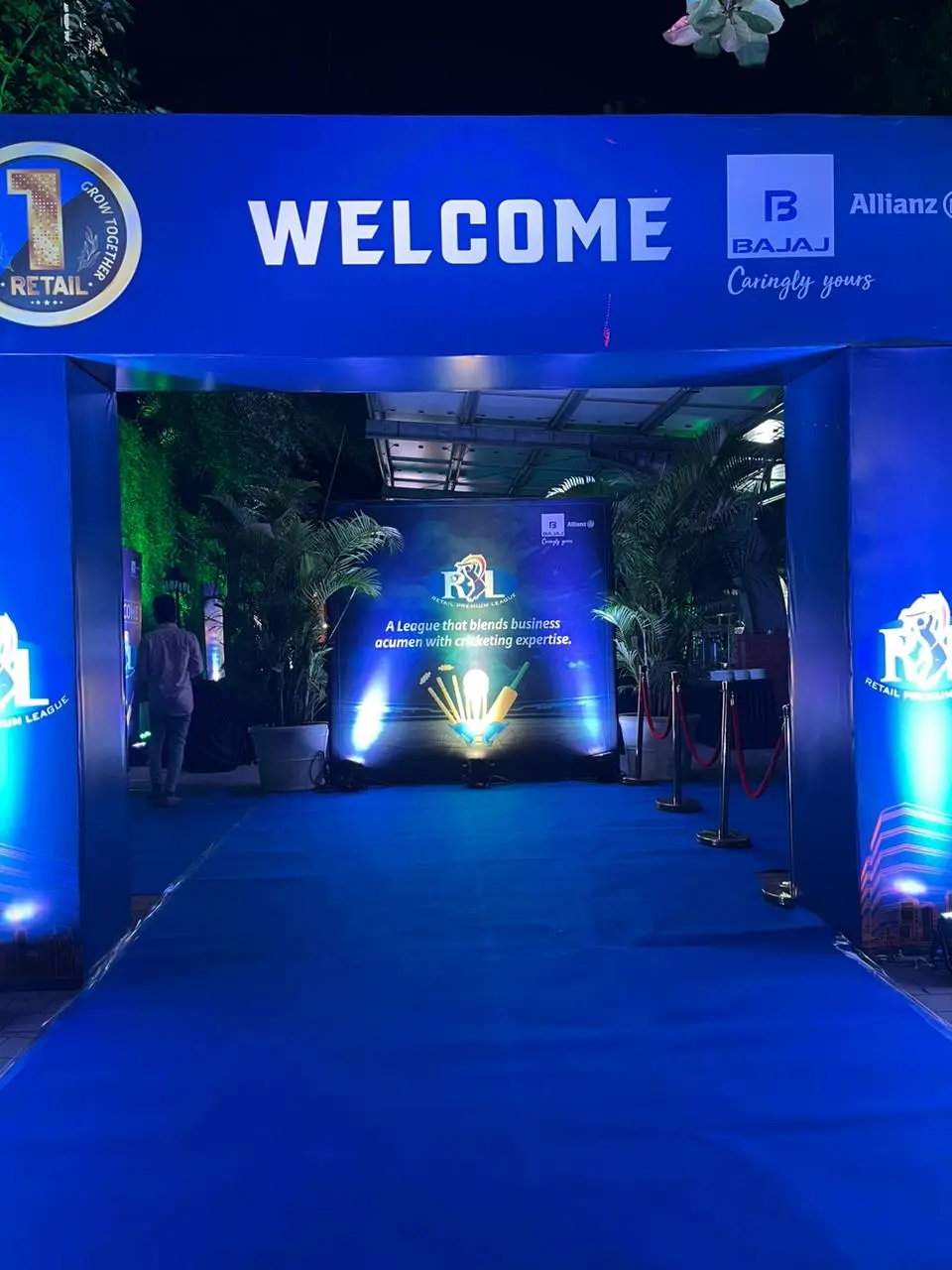
    Entrance arch, balloon or floral gate, banners, window graphics and offer signage sized for the frontage you have.

  2. 02

    Ribbon ceremony

    Ribbon, lamp or puja setup, a clear standing order for guests, a photographer positioned early and a short script.

  3. 03

    Footfall drive

    Leaflets, society and apartment reach, standees at nearby points and promoters working the street in the days before.

  4. 04

    Crowd flow and marshals

    A planned route from pavement to door to counter, with marshals at the pinch points and a separate exit path.

  5. 05

    Entertainment and activity

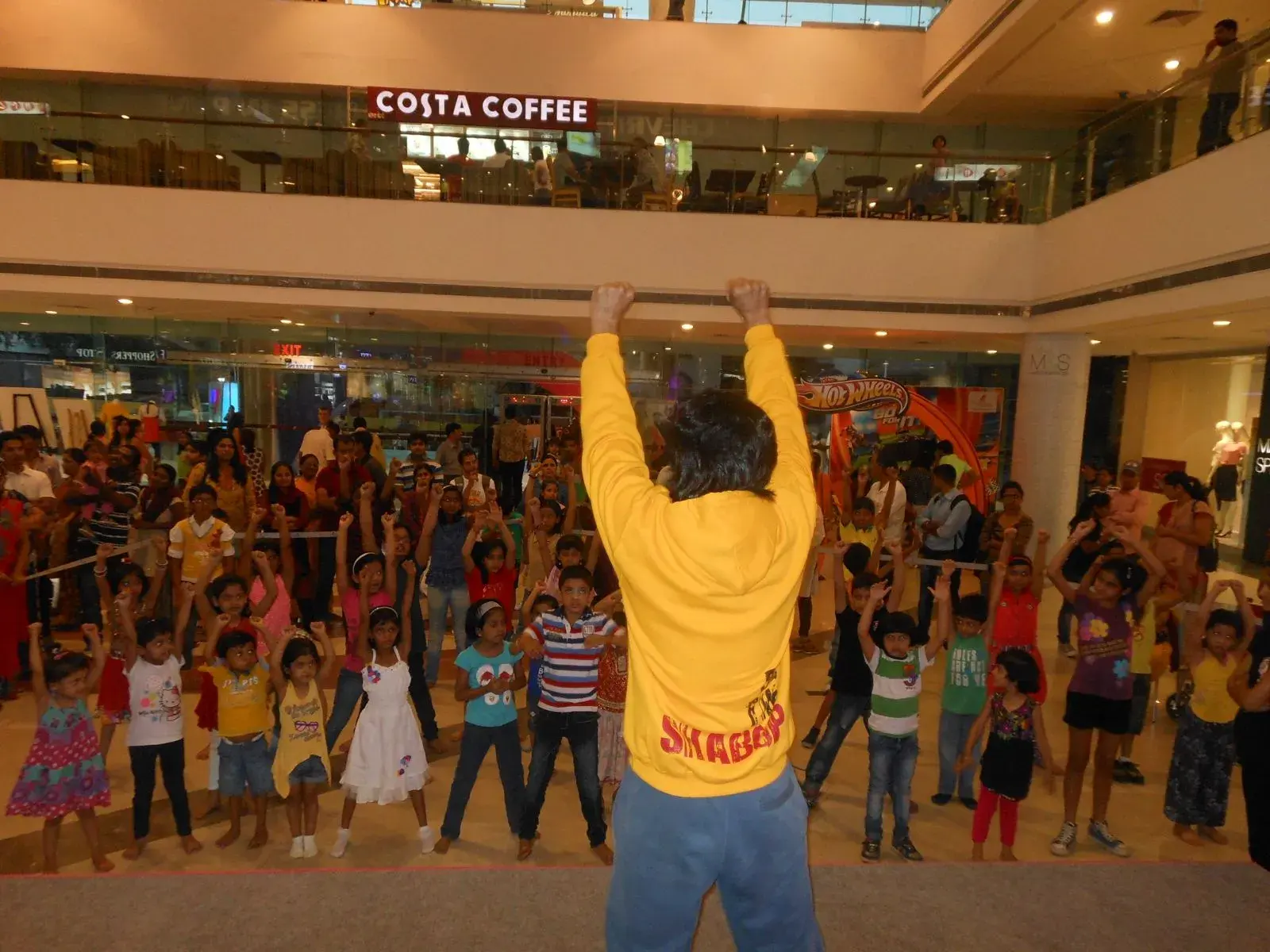
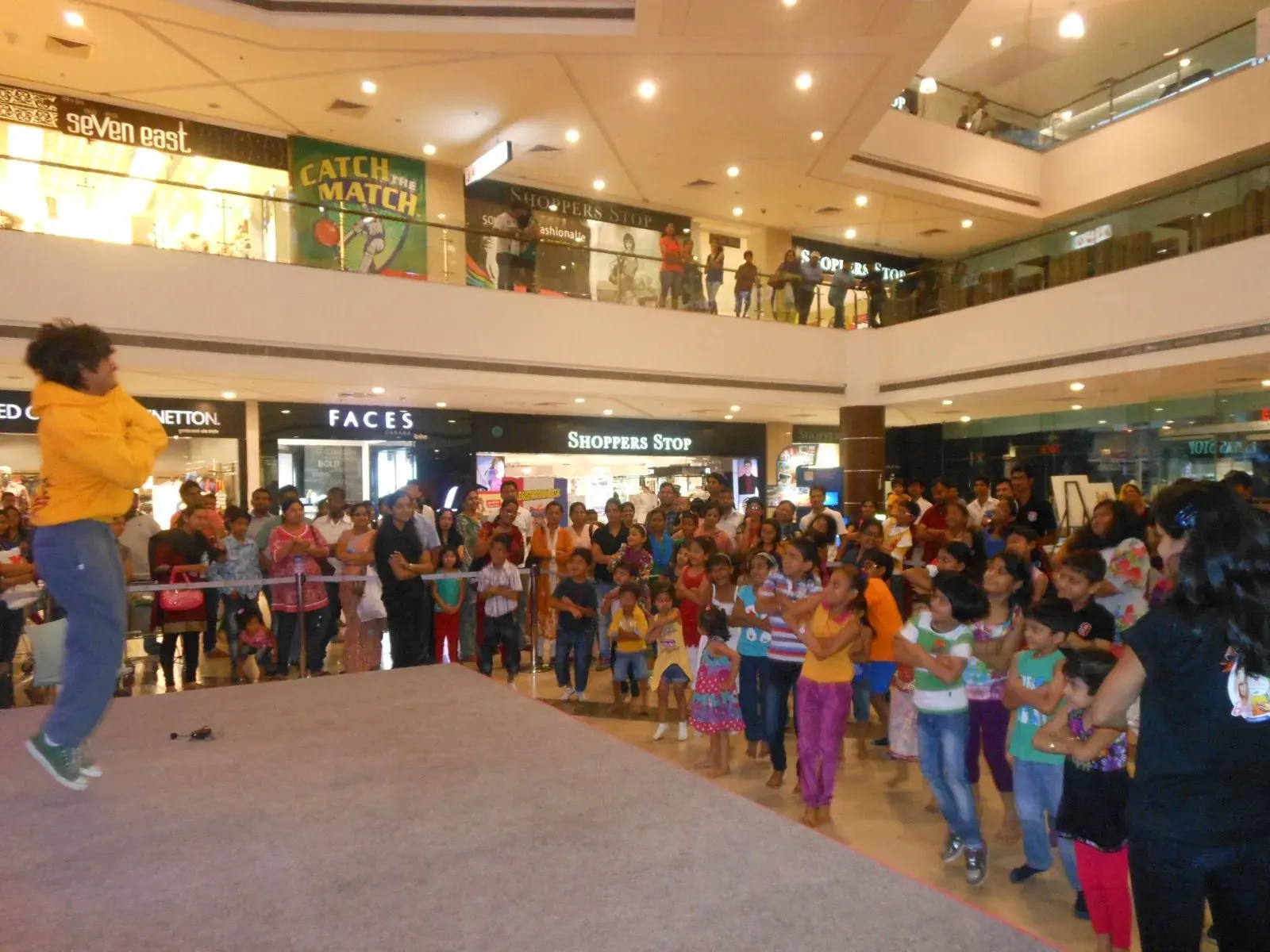
    Dhol, a dance act, a magician or a spin-the-wheel counter, timed in bursts so the crowd refreshes through the day.

  6. 06

    Permissions and reporting

    Mall or local approvals, sound timing, photographs and a simple footfall count you can compare with later weekends.

Openings we manageEvery kind of first day

01

High-street store opening

A standalone shopfront on a busy road, where the pavement, parking and neighbours shape the whole plan.

02

Mall store opening

A unit inside a mall, run inside the management's rules on sound, atrium use and setup hours.

03

Showroom launch

A larger format with space inside for guests, seating, demonstrations and a proper ceremony area.

04

Franchise rollout

The same opening kit repeated across several outlets and cities, so each one looks and runs identically.

05

Reopening after renovation

A relaunch for an existing store, built around telling regular customers that something has changed.

06

Pop-up store launch

A short-run space in a mall or market, where the opening day has to do all the work at once.

07

Salon and studio openings

Smaller frontages where the crowd cannot come inside, so the activity has to live at the entrance.

08

Multi-store launch day

Several outlets opening on the same date, with one plan, one timing and a team at each address.

How our event planning worksFrom first call to final bow.

  1. 01 Day 1

    The call

    Tell us the date, the guest count, the budget and the feeling you want in the room. We ask the questions most people forget.

    You getFirst ideas and a budget range

  2. 02 Week 1

    Concept & moodboard

    Theme, décor, stage layout and a minute-by-minute run of show, drawn up and revised until it feels like yours.

    You getMoodboard, layout and an itemised quote

  3. 03 Weeks 2–4

    Venue, vendors & permissions

    Venue shortlists, caterers, artists, anchors and the paperwork — police, music licences and venue approvals — handled by us.

    You getLocked vendors, one point of contact

  4. 04 Event eve

    Build & rehearsal

    Décor goes up, truss and LED walls are rigged, sound is checked and the anchor rehearses every cue with our show caller.

    You getA walk-through before guests arrive

  5. 05 Show day

    Showtime & wrap

    Our crew runs the floor, the stage and the guests. When it is over, we clear the venue and send you the photos.

    You getA calm host — you — and the memories

An opening day has a short window. Most of the traffic you will get arrives in two bursts, late morning and early evening, and what happens in those two hours decides whether the launch was worth doing. Plan for those hours and treat everything else as preparation.

Build demand before the shutter goes up

A crowd on opening day comes from the week before it, not from the day itself. People walking past on the morning are a bonus; the ones who turn up deliberately were told. Leaflets into nearby apartment societies, standees at the junction and the building entrance, a message to whatever customer list the brand already has, and promoters working the street for three or four days do more than any single-day spend.

Decide the opening offer early, because it goes on everything. Make it simple enough to fit on a leaflet in one line and honest enough that nobody argues at the counter. An offer with conditions printed in small type produces arguments at the billing desk in front of a queue, which is the worst possible first impression for a new store.

Permissions, the footpath and the neighbours

Check what you are allowed to put outside before you design anything. On a high street, the footpath is not yours: arches, standees, carpet and promoter positions all need local approval, and sound has fixed permitted hours. In a mall, management decides setup timings, what may be used in the common area, whether dhol is allowed at all and how early a team can come in.

Talk to the shops on either side before the day. A dhol outside your door for two hours is your celebration and their lost afternoon, and a neighbour who was asked politely will tolerate what a neighbour who was surprised will complain about. Agree a window, keep the pavement passable, and keep your promoters from blocking their entrances.

Plan the shopfront zone by zone

Crowd problems at a store opening are almost always caused by two activities landing in the same three metres. Assign every zone a purpose and a person.

ZoneWhat goes thereWho runs itWhat it must never block
Approach and footpathStandees, promoters, balloon archTwo promoters and a marshalThe walkway and the neighbours' doors
Entrance and ribbon pointRibbon, floral gate, photographer's spotAnchor and store managerThe only way in and out
First three metres insideGreeter, offer board, basketsOne staff member, alwaysThe line of sight into the store
Activity cornerSpin the wheel, sampling, kids' activityTwo promoters with a queue ropeMovement towards the shelves
Billing counterExtra counter, bagging stationAdditional staff for the dayThe exit route past the queue
Back and staff areaStock, promoter bags, refreshmentsStore teamFire exits and stock movement

The ribbon, the guest and the first hour

Keep the ceremony to a few minutes. A ribbon cutting or lamp lighting, a photograph with everyone told in advance where to stand, and then the door opens. Long speeches at a shopfront lose the crowd, because nobody came to stand on a pavement and listen. If a local figure or a chief guest is invited, brief them on the exact time and the exact length, and have somebody meet their car.

Choose the time with the street in mind. Late morning on a weekend brings families; an evening opening brings office crowds but competes with traffic on roads like the Koregaon Park stretch. Whichever you pick, have the store genuinely ready an hour early, because the first customers will arrive before you are expecting them.

Billing is where opening days fail

The most common way a store launch loses money is a billing queue. An opening offer brings people in, staffing is planned for a normal day, and the queue at the counter turns into a twenty-minute wait that sends half the crowd back out. Put on extra staff, open a second counter even if it is a temporary one, keep a bagging station separate from billing, and have one person whose only job is managing the queue and keeping it good-humoured.

  • What are the permitted sound hours, and does dhol need separate approval?
  • When can setup start, and by when must the common area be clear?
  • How much power is available outside, and is there a point for the sound system?
  • Is parking or valet arranged, and where will guests' cars actually go?
  • Who from the mall or the landlord is present on the day and reachable?
  • Has the store team been briefed on the offer, in writing, before opening?

If the opening is really about revealing a new product or range to customers and press rather than opening a door, our product launch event management page covers that format. For ongoing promotions, sampling and mall campaigns after the opening week, see BTL activation.
Store launch event — FAQsQuestions people ask us.

Can't find yours? Call or WhatsApp — a planner answers.

What does store launch event management include?

It covers the shopfront branding, the ribbon or lamp ceremony, entertainment, the footfall drive in the days before, crowd marshals, permissions and photography. On the day, somebody outside the store team watches the door, the activity corner and the billing queue. Your team stays free to greet customers and sell, which is the point of opening.

How do you bring footfall on opening day?

By building demand in the week before, not on the morning itself. Leaflets into nearby societies, standees at the junction, promoters working the street for a few days, a message to the brand's existing customer list and a simple opening offer that fits in one line. Passing traffic adds to that; it rarely fills a store on its own.

What drives the cost of a store launch in Pune?

The size of the frontage, how much branding it carries, whether you book entertainment, how many promoter days the footfall drive runs and what permissions the location needs. A mall unit and a high-street shopfront cost differently because the rules differ. Tell us the address, the date and the offer and we will send an itemised quote.

What permissions does a store opening need?

On a high street you need local approval for anything placed on the footpath, and sound is restricted to permitted hours. In a mall, management sets setup timings, common-area rules and whether live percussion is allowed. Both take time, so raise them as soon as the date is fixed. We handle the paperwork and confirm it in writing before setup.

Should we invite a chief guest or a performer to the opening?

Only if they will bring people who would not otherwise come. A local figure, a well-known face or a performance draws a crowd, but the crowd has to convert into customers or it is only a photograph. Brief any guest on the exact time and length, keep the ceremony to a few minutes, and have someone meet their car.

How long should an opening day programme run?

Plan activity across the full trading day but in bursts, not continuously. Most footfall arrives late morning and again in the early evening, so put your entertainment and giveaways in those windows and keep the middle of the day light. A performer playing for six hours straight exhausts the street and your own staff.

What is the difference between a store launch and a mall activation?

A store launch is the opening day of a specific shop, built around the shopfront, the ceremony and getting people through that door. A mall activation is a promotional campaign in a common area, usually over several days, built around reach and sampling rather than one address. Many brands run an activation after the opening week to keep the momentum.

Send us the address, we will plan the first day

Tell us the location, the opening date and the offer you have in mind, and we will come back with a shopfront plan and an itemised proposal.

Talk to a planner