The running order
Arrival, welcome, pooja if there is one, the speech, the cutting, the applause and the first walk-in — each with a time against it.
Shop 7, Ekta Nagri, Near Dwarka Apartment, Anand Nagar, Pune 411051

The cutting itself takes about a minute. What makes it work is the order of the ten minutes around it — who stands where, who speaks, who cuts, and whether the camera can actually see any of it.
Because nobody decides the order until the guests are standing there. The chief guest arrives, somebody fetches a chair, the pandit is halfway through, a photographer asks everyone to do it again, and the moment that was meant to feel ceremonial feels like a queue.
A ribbon cutting is short enough to be written out minute by minute, and that is exactly what makes it look effortless. We write it, share it with the family or the leadership team, and run it on the day so nobody on your side is directing traffic.
Where the opening also has a pooja, the two are sequenced together rather than competing — the muhurat sets the time and the cutting follows it.
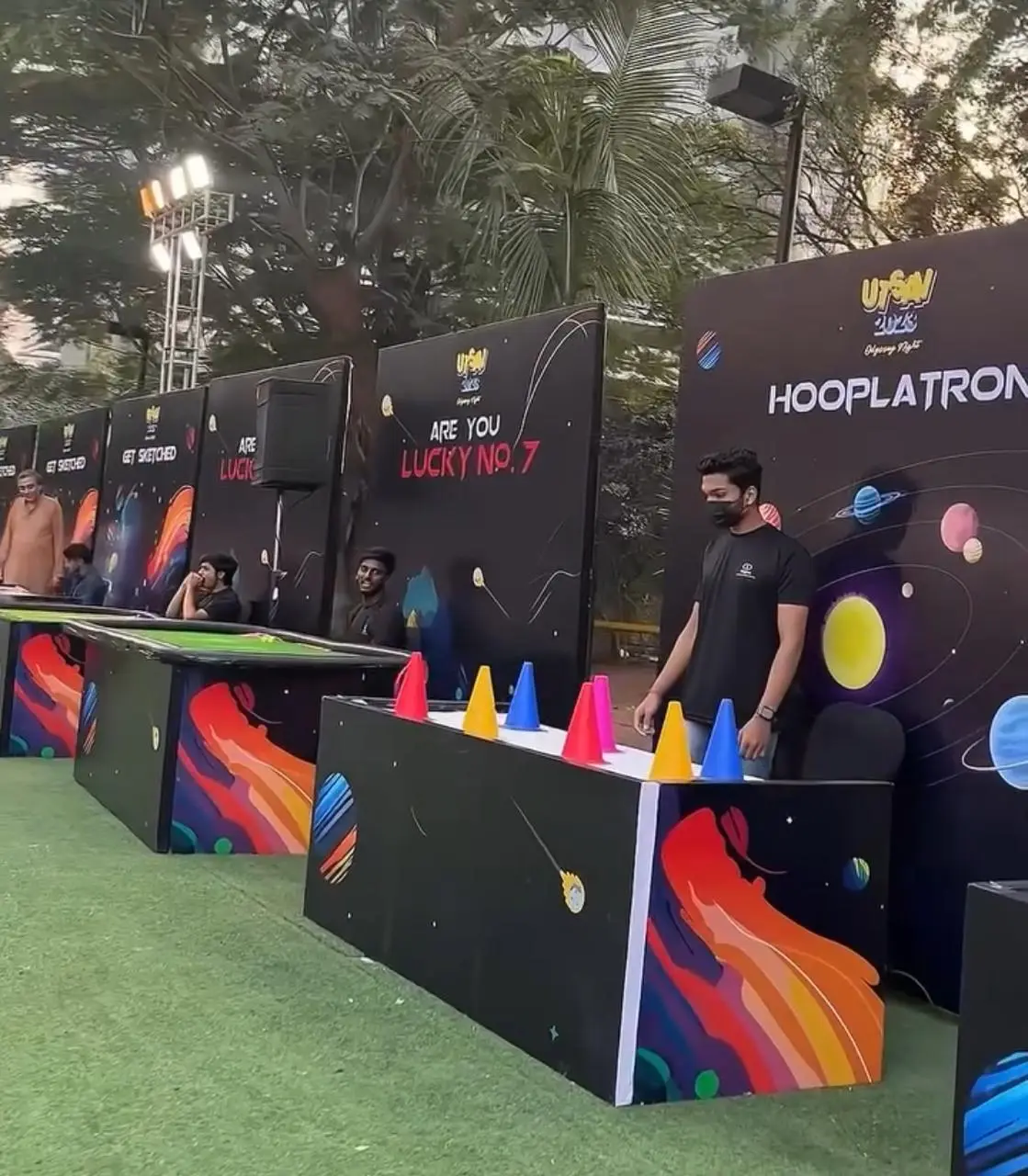
Every photo here is from an event our team planned and ran.
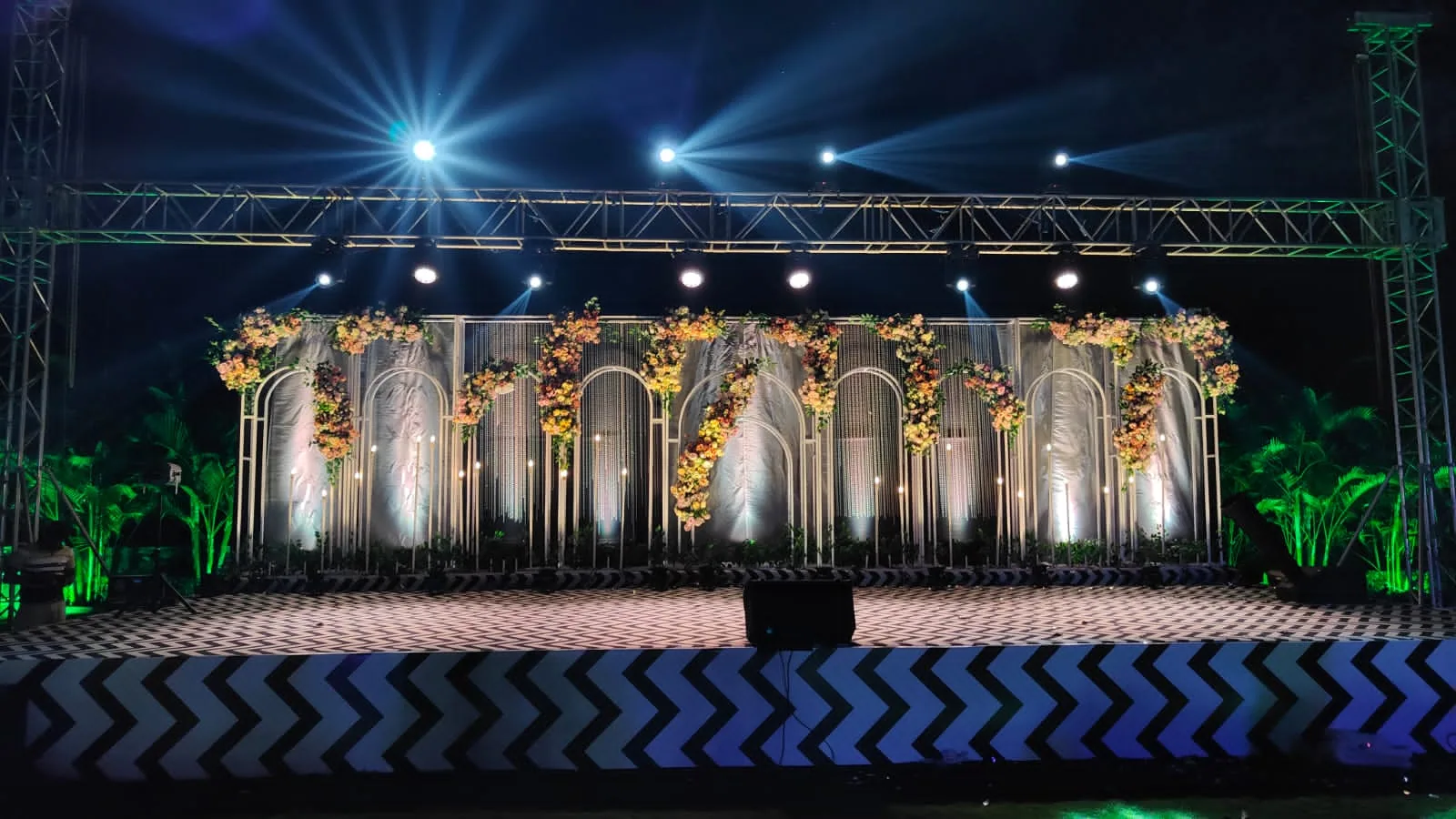
Short events fail on sequence, so the sequence is the deliverable.
Arrival, welcome, pooja if there is one, the speech, the cutting, the applause and the first walk-in — each with a time against it.
Ribbon, stand, tray and scissors chosen to match the entrance and placed where the camera has a clean line, not against a glass door that reflects the flash.
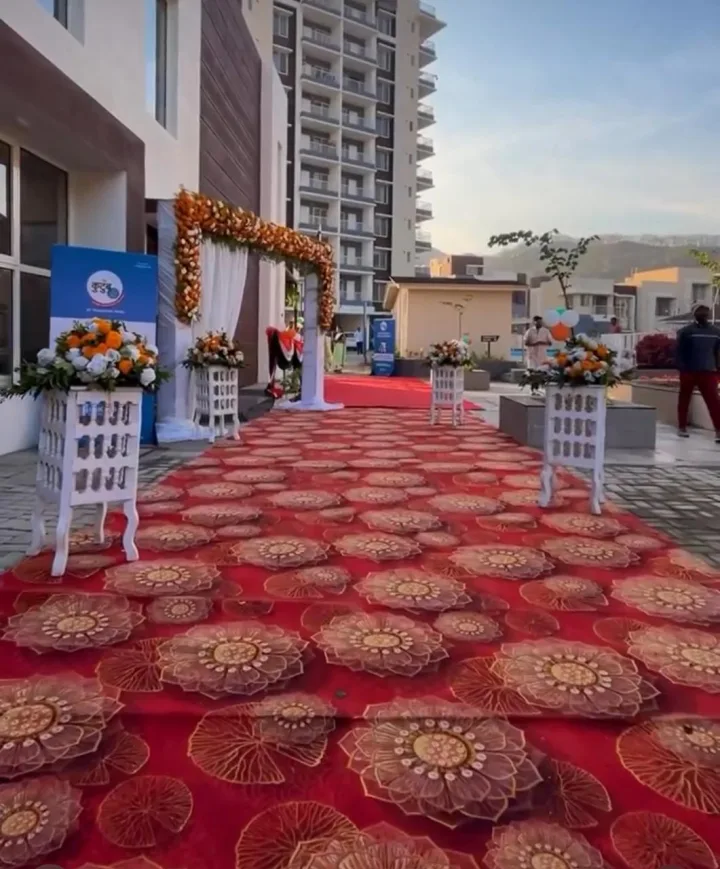
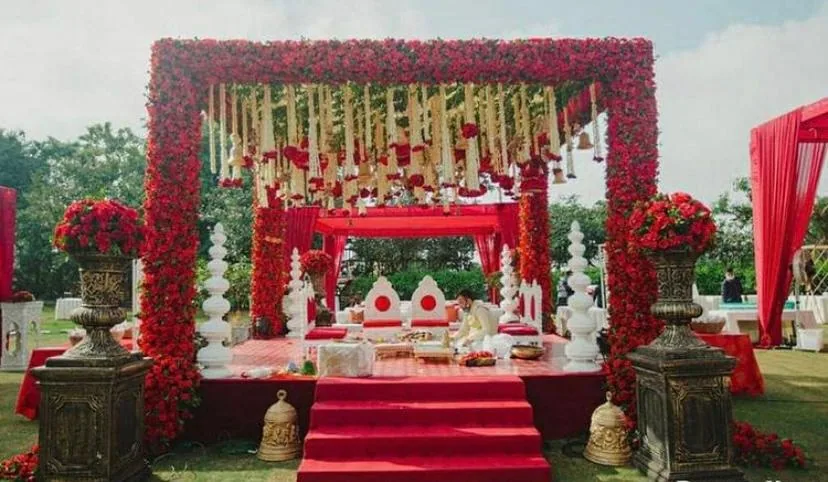
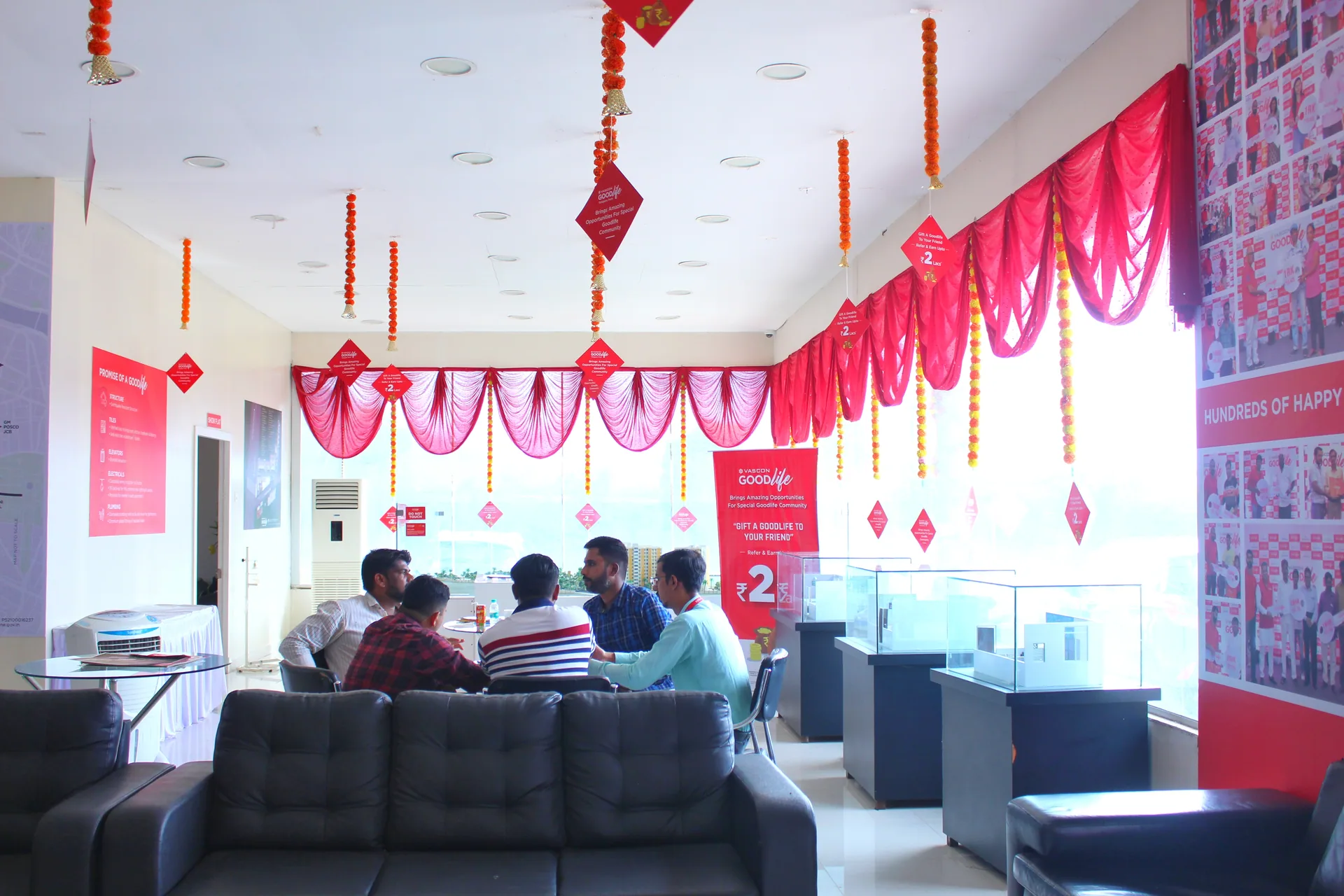
Flowers, toran and rangoli for a traditional opening; clean branding and a backdrop for a commercial one.
Who is received, who is garlanded, where the press stands and who talks to them.
A mic that works outdoors so the two-minute speech is heard past the third row.
The angle and the group shots agreed in advance, including the one with the whole team, which is the picture that gets used.
Often with a pooja first, then the cutting and a walk-through for the team.
Street-facing, so passers-by and parking matter as much as the guests.
Quieter, with the doctors and the first patients in mind.
Children involved, which changes the timing and the safety plan.
Safety briefing and gate control come first — see the factory page.
The cutting, then a soft service for the invited guests.
Committee-led, with residents rather than guests.
Repeatable, because the brand will do it again next month.
Six decisions, in this order.
Usually the chief guest, the founder, or the eldest member of the family — and sometimes two people together, which needs longer scissors and a word of warning to the photographer. Decide it early, because the whole order hangs from it.
If there is a pooja, the muhurat decides the time and everything else moves to fit. If there is not, pick a slot that suits the guests you actually want standing there rather than the one that suits the premises.
Across the entrance is traditional and often the worst place for a photograph — glass doors reflect, and the group ends up backlit. A stand a little in front of the door usually photographs far better.
Two minutes, one or two people. Ceremonies drift when three speeches are added on the morning of the event.
Name it in advance — the cut itself, the group with the team, the chief guest with the founders. Reassembling everyone afterwards never looks the same.
Guests need somewhere to go after the applause: a walk-through, tea, a short tour. Without it everyone stands in the doorway.
See showroom launches, factory inaugurations and store launches for the fuller formats.
Most people start here with a search rather than a recommendation, and the first results are the ones paying for the position or carrying the most reviews. Neither tells you whether a team has set up in a hall like yours.
A team that has worked Pune knows the access, the power and the society timings. Ask for that, ask for the breakdown, and ask who runs the day. Our contact page has both numbers and WhatsApp, and you will get an itemised scope back rather than one figure.
Can't find yours? Call or WhatsApp — a planner answers.
Usually the chief guest, the founder or the senior-most family member. Two people cutting together works and photographs well, but needs longer scissors and a warning to the photographer. Decide it before the invitations go out, because the running order is built around that moment.
Guests received and seated, pooja if there is one, a short welcome, one or two two-minute speeches, the cutting, applause and photographs, then the first walk-in with tea or a tour. Written out with times against it, the whole thing runs about fifteen minutes and feels unhurried.
They are sequenced, not merged. The muhurat sets the time for the pooja and the cutting follows it, so the priest is not working while guests are being photographed. Where the family wants both, we plan the two as one timeline.
Rarely flat against the door. Glass reflects the flash and a doorway backlights the group. A stand set slightly in front of the entrance, with the light behind the camera, gives a far better picture — we fix the angle before guests arrive.
About fifteen minutes from the chief guest being received to the first walk-in, with the cutting itself under a minute. Events overrun when speeches are added on the morning, which is why the order is agreed in writing beforehand.
Yes — the invitation, the follow-up, receiving guests on the day, and handling press if you want coverage, including who speaks to them and when. For a brand opening that repeats across branches we keep the format so the next one is quicker.
Nobody awards that title, so it comes down to which team fits the event you are actually running. Plan With YOLO has planned events since 2013 out of Pune and handles new office, shop or showroom and clinic or hospital wing in Pune. Ask for the breakdown — décor, stage, sound, crew, transport — and compare like for like.
Look for a team that has already worked in Pune, because venue access, power and society timings are local knowledge and cost you a day to learn. Our office is in Anand Nagar off Sinhagad Road and the crew travels to Pune with its own kit. Send the date, the venue and a rough guest count and you get a scope back the same day.
It moves with guest count, venue, the scale of décor and stage, and whether the date is in season. A wedding date in season and a weekday corporate meeting in Pune are not comparable, so a quoted range before anyone has seen the brief is not worth much. You will get an itemised scope for your own event, and every line on it can move.
Pune · PCMC
Pune · PCMC
Pune · PCMCPlanning events in Pune since 2013 — 500+ events for 100+ brands across 30+ cities. Read what clients say on Trustpilot, or find our Anand Nagar office on Google Maps.
Great EventGautam
User friendly experienceRahul Roushan
This company made sure to take care of everythingVaishnavi Todkar
Best Event Planner.Pranali Ladkat
Detailed workMolly Vernon
Tell us the date and who is cutting.
Premises, date, whether there is a pooja and roughly how many guests. We send the running order first and quote from it.