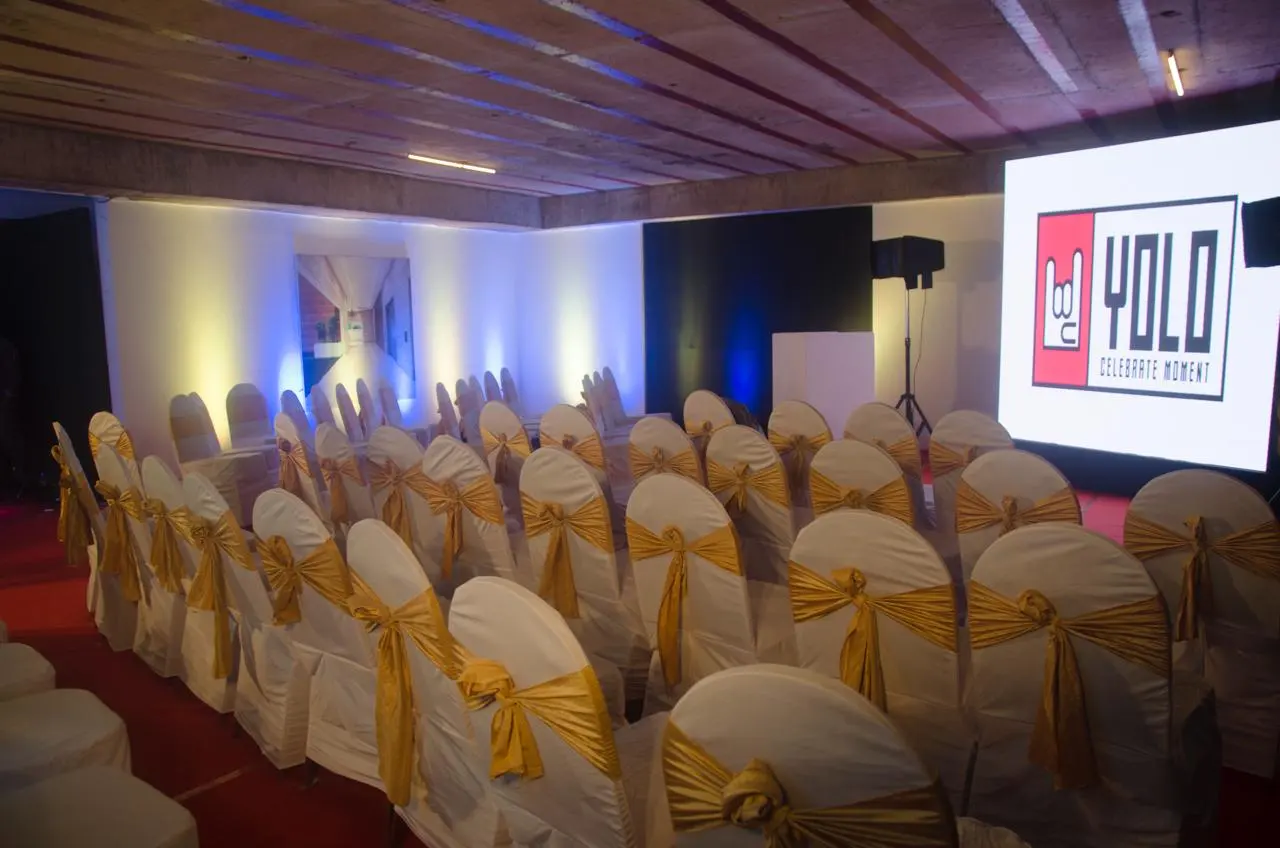
A successful town hall meeting agenda balances company updates, leadership vision, and employee interaction within a ninety-minute timeframe. Keep presentations concise, allow twenty minutes for open questions, and ensure your audio-visual setup is tested well before the doors open.
A well-structured town hall meeting agenda keeps your team focused, respects everyone’s work hours, and ensures leadership updates land clearly without causing fatigue. Whether you gather fifty team members in a compact office conference room or bring together hundreds across a large corporate hall in Hinjewadi, running a tight schedule matters. When the timeline is clear, speakers stay on track, employees stay engaged, and the session ends right on time. Let us walk through how to build a practical run sheet that works for your company.
Planning this in Pune? See our town hall event management in Pune: one team plans and runs it with you, since 2013.
Structuring the First Thirty Minutes
The opening thirty minutes of your gathering set the entire tone for the room. You want to capture attention quickly, celebrate wins, and outline where the business is heading before diving into detailed metrics.
Opening and Welcome
Start right on time rather than waiting for latecomers. A senior leader should step up to welcome the team, briefly state the purpose of the gathering, and share one or two major highlights from the previous quarter. Keep this opening segment under five minutes to maintain high energy.
Business Performance and Metrics
Share key company milestones, revenue updates, or project completions next. Keep financial charts simple and easy to read from the back row. If numbers are too complex, people zone out. Use this time to explain what the metrics mean for everyday team goals.
Recognising Individual and Team Wins
Spend the next portion highlighting team achievements, work anniversaries, or special project completions. Public appreciation builds strong morale. Invite managers to call out team members who went above and beyond, keeping each shout-out brief and genuine.
- Start with a quick energy check
- Keep financial slides simple
- Celebrate peer achievements
Moving swiftly through these opening blocks ensures your audience stays alert and ready for the strategic discussions that follow.
Strategic Updates and Vision Sharing
Once the initial energy is established, move into the core strategic updates. This middle block is where department heads share upcoming plans, new product developments, or shifts in company policy that affect daily operations.
Departmental Roadmaps
Ask two or three department leads to present short, focused updates on their current projects. Each speaker should stick strictly to a five-minute limit. Visuals should highlight completed goals and upcoming deliverables rather than endless bullet points of text.
Upcoming Company Milestones
Share what the business aims to achieve in the coming months. If you are preparing for a major expansion, a new office rollout, or an upcoming product launch, explain how every team contributes to that larger picture. Clear context helps employees connect their daily tasks to company growth.
Addressing Workplace Culture
Dedicate a few minutes to talk about internal culture, upcoming team outings, or employee wellness initiatives. When leadership speaks openly about work-life balance and office culture, employees feel heard and valued.
- Limit department updates to five minutes each
- Focus on upcoming milestones
- Highlight cultural and wellness initiatives
Balancing high-level strategy with grounded department goals keeps the middle portion of your gathering relevant to every single person in the audience.
Managing the Employee Q and A Session
The open question-and-answer segment is often the most valuable part of the gathering, but it also carries the highest risk of running over time if it is left unmoderated. Planning this block carefully ensures honest dialogue.
Pre-Submitted Versus Live Questions
Invite team members to submit questions anonymously a week prior through an internal form, and mix those with live questions from the floor. This dual approach ensures shy employees still get a voice while allowing leadership time to prepare thoughtful answers on complex topics.
Setting Time Limits
Allocate a solid fifteen to twenty minutes for this segment. State the time limit clearly at the start so everyone knows the discussion has a defined boundary. A designated moderator should keep answers concise and prevent single topics from dominating the conversation.
Handling Tough Topics
Leadership should address difficult questions with honesty and transparency. If an immediate answer is unavailable, promise a follow-up date rather than dodging the issue. Authenticity builds deep trust across the entire organisation.
| Question Type | Time Allotted | Best Practice |
|---|---|---|
| Pre-Submitted | 10 Minutes | Filter for common themes |
| Live Floor Questions | 10 Minutes | Use roving wireless microphones |
| Closing Remarks | 5 Minutes | Summarise action points |
A structured question session turns a traditional broadcast into a genuine two-way conversation between leadership and staff.
Managing AV and Technical Requirements
Technical glitches can derail even the most carefully planned schedule. Securing reliable sound systems, clear displays, and steady internet connectivity forms the backbone of any professional gathering.
Audio and Microphone Checks
Test all wireless handheld and lapel microphones an hour before attendees enter the room. Dead batteries or feedback squeals waste precious minutes and distract your speakers. Always keep spare fresh batteries within arm’s reach.
Visual Displays and Projection
Check your presentation slides on the actual venue screen to confirm font sizes are legible from the back rows. If you are using an LED wall, ensure colour contrast is sharp and corporate branding colours render accurately without harsh glare.
Hybrid and Virtual Streaming
If part of your team joins remotely from home or branch offices, test your streaming software, camera angles, and dedicated internet connection well before start time. Assign a technician specifically to monitor the online chat and audio feeds throughout the entire session.
- Test all wireless mics one hour early
- Verify slide legibility from the back row
- Keep a dedicated technician for live streams
Smooth technical execution lets your speakers focus entirely on their message rather than worrying about equipment failures.
Sample Ninety-Minute Run Sheet
Having a minute-by-minute run sheet printed and shared with all key coordinators prevents confusion backstage and keeps the program flowing smoothly from start to finish.
The Breakdown
A standard ninety-minute gathering breaks down easily into manageable blocks. Spend the first five minutes on seating and opening announcements. Dedicate the next twenty-five minutes to leadership business updates and team shout-outs.
Deep Dive and Recognition
Use the following twenty minutes for department roadmaps and upcoming project previews. Follow this with a twenty-minute open employee question session where staff can interact directly with the executive team.
Closing and Networking
Reserve the final ten minutes for closing remarks, outlining key action items, and inviting everyone to stick around for tea, coffee, and informal networking. If your company prefers adding structured team activities afterward, you can explore options like team building activities to keep energy high.
- 00:00 – Welcome and opening remarks
- 00:05 – Business metrics and wins
- 00:30 – Department roadmaps and plans
- 00:50 – Employee Q and A session
- 01:10 – Closing notes and networking
Printing this timeline for every stage manager and tech operator ensures everyone remains synchronized throughout the event.
Common Pitfalls to Avoid
Even experienced event organisers occasionally fall into predictable traps that dampen audience engagement. Knowing what to watch out for helps you protect your schedule and keep morale high.
Overloading Slide Decks
The most common mistake is cramming too much data onto every slide. If text is too small or complex, audience members spend their time reading instead of listening. Keep slides visual and let spoken words carry the detailed narrative.
Ignoring Time Limits
When senior executives speak for too long, subsequent segments get rushed and the question session gets squeezed out entirely. Enforce strict speaking limits so every scheduled segment gets its proper share of attention.
Neglecting Backstage Coordination
Failing to brief speakers on when they are stepping up leads to awkward pauses on stage. Always run a quick rehearsal or briefing with presenters offstage before the doors open to the wider team.
- Keep slides clean and visual
- Enforce strict speaker time limits
- Brief presenters before they go on stage
Avoiding these simple missteps guarantees a professional, polished experience that leaves your team feeling informed and motivated.
Plan Your Next Corporate Gathering
Putting together a polished company gathering requires careful coordination across audio-visual setup, stage management, and precise schedule tracking. Whether you are gathering fifty managers in a hotel banquet room or hundreds of staff members in a corporate hall, having an experienced team to manage the logistics lets your leadership focus purely on the message. We coordinate your stage setup, seating arrangements, and technical flow while you focus on your people. Explore our professional town hall event management in pune to see how we assist local businesses. Reach out to our team today to share your date and receive a clear, itemised plan tailored to your company goals.
Frequently asked questions
What is the ideal duration for a corporate town hall meeting?
A corporate town hall meeting runs best between sixty and ninety minutes. This timeframe maintains audience focus, fits easily into standard work schedules, and allows enough room for business updates, strategic roadmaps, and an open employee question session without causing fatigue.
How much time should be given to employee Q and A?
Allocate at least fifteen to twenty minutes for employee questions during your gathering. This ensures enough time for open dialogue, encourages honest communication between staff and leadership, and gives people a chance to seek clarity on important company updates.
How can we handle remote and hybrid team members effectively?
Include a reliable video streaming setup with dedicated microphones, clear camera angles, and an online chat moderator. Testing your digital connection and streaming platform one hour before the session prevents technical delays and keeps remote staff fully engaged.
Should questions be collected in advance or asked live?
Using a mix of both pre-submitted and live questions works best. Pre-submitted questions allow leadership to prepare thoughtful answers for complex topics, while live floor questions keep the session spontaneous, engaging, and genuinely interactive for everyone present.
Who should speak during a standard company town hall session?
Keep the speaker list concise by featuring your CEO or founder for the opening vision, two or three department heads for specific project updates, and a designated moderator to manage the transition through the employee question segment smoothly.

Vicky founded Plan With YOLO in Pune in 2013 and leads the planning on corporate events, weddings and stage production across Maharashtra.