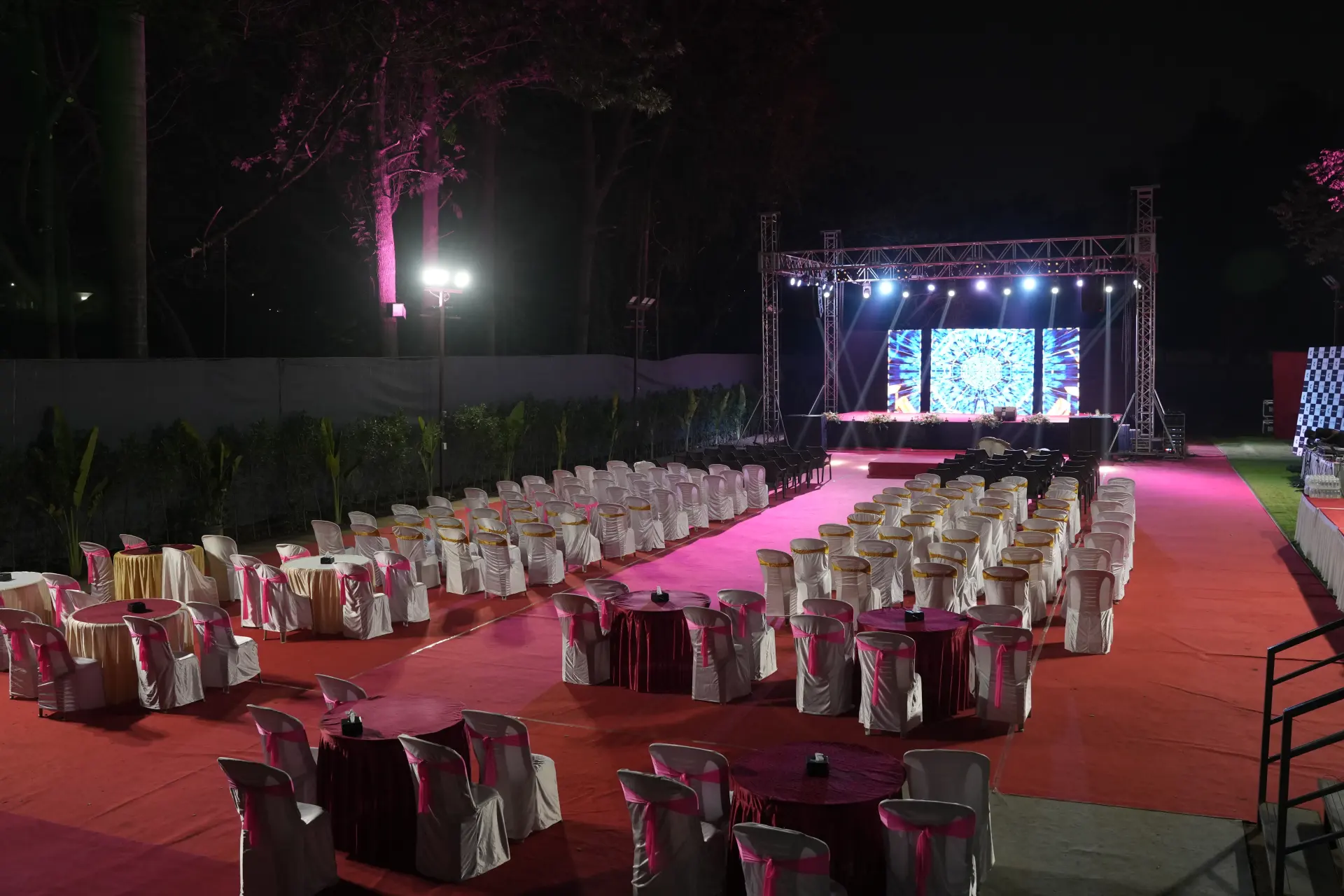


A solid corporate event timeline starts twelve weeks before the date by locking objectives, budgets, and guest counts. It moves through venue finalisation and permitting by week eight, content and print sign-offs by week four, and final technical run-throughs in the final week to ensure everything runs smoothly.
When you manage a business conference, annual meet, or product launch, having a structured corporate event timeline keeps your team calm and focused. Without clear deadlines, simple tasks like finalising stage dimensions, confirming printing proofs, or booking audio gear quickly turn into midnight fires. This practical countdown helps you coordinate every detail of your company gathering methodically. Whether you are planning a half-day seminar or a multi-day conference, mapping out each phase in advance lets you handle venue logistics, permits, and supplier coordination without rushing at the last minute.
Planning this in Pune? See our corporate event planner in Pune: one team plans and runs it with you, since 2013.
Twelve Weeks Out: Setting Goals and Budgets
The earliest phase of your corporate event timeline focuses entirely on fundamentals. You need to sit with internal stakeholders and define the primary objective of the gathering. Is this an annual awards night, an internal training meet, or an industry-facing seminar? Once the goal is clear, establish a realistic budget that covers venue rentals, stage fabrication, technical sound and lighting gear, and printed materials.
Locking the Core Details
Avoid rushing into venue visits before agreeing on these basics:
- Estimated headcount and seating styles (classroom, theatre, or banquet).
- Preferred dates and backup dates in case your primary choice is unavailable.
- Key internal speakers and expected VIP guests.
- Overall theme or branding requirements for the company.
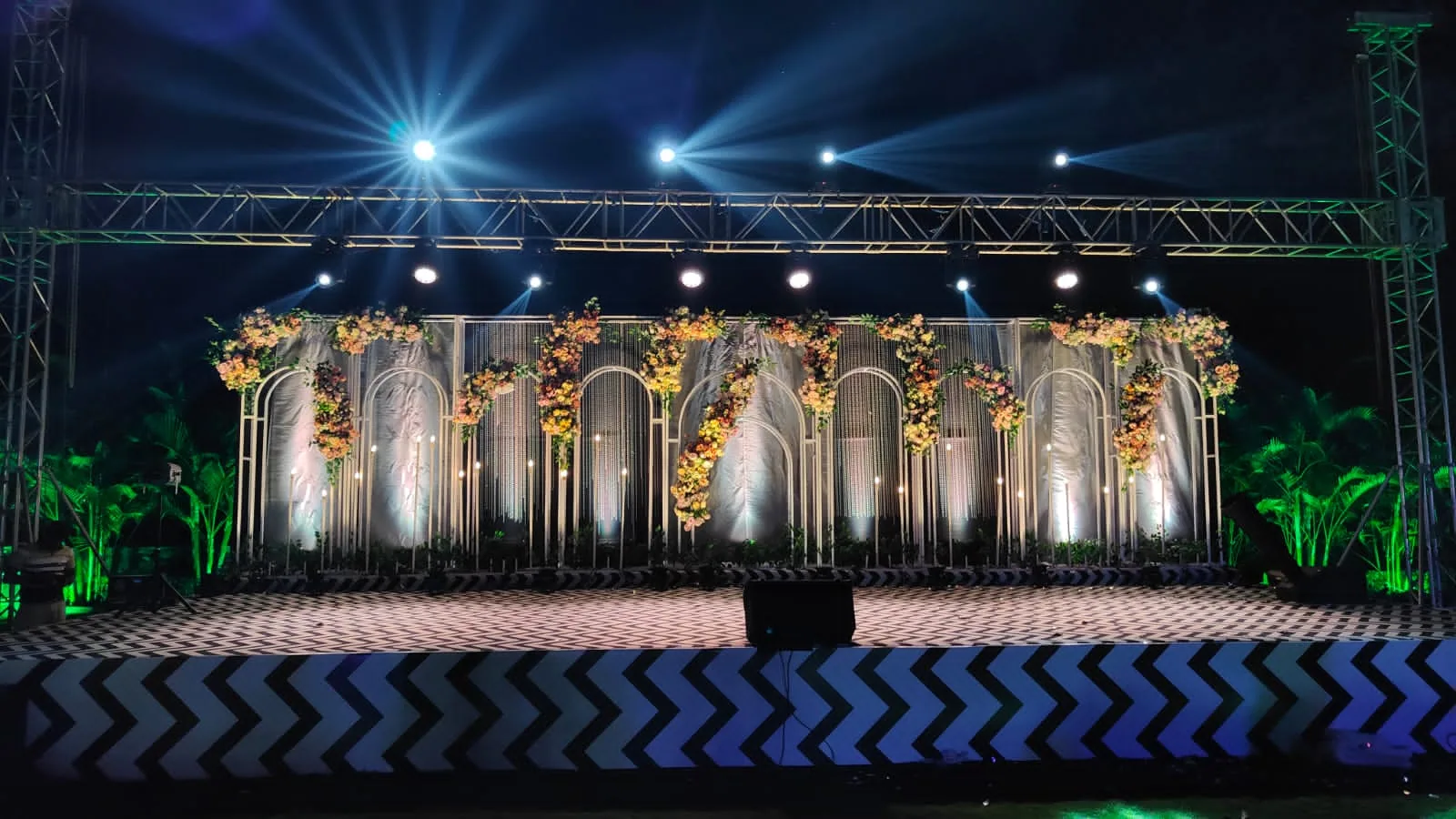
By locking these numbers early, you prevent scope creep later. If you need inspiration for your stage setup, looking at past corporate stage decoration themes can help you decide early on whether you want a clean minimalist look or an immersive LED backdrop. Use this window to also check internal calendars so you do not clash with major public holidays or company black-out periods.
Eight Weeks Out: Securing Venues and Permits
With your budget and headcount approved, week eight is the time to lock your physical location. Pune venues book up quickly during peak seasons, especially around winter weekends and festive periods. Visit potential spaces to check pillar placements, ceiling heights for lighting trusses, and loading dock access for heavy equipment. If you are hosting outdoors, you must account for weather contingencies and generator backups right away.
Managing Approvals and Suppliers
Once the venue contract is signed, you must immediately address technical and legal requirements:
- Apply for local municipal permissions, police NOCs, and fire safety clearances if required by the venue.
- Finalise your layout plan, marking out registration desks, AV control zones, and main seating blocks.
- Confirm technical riders with your technical teams for sound and lighting for events in Pune to ensure proper power loads.
- Book specialized visual equipment like an LED wall rental in Pune if your presentations require sharp, bright displays.
Getting these contracts settled early ensures you get your first-choice suppliers rather than scrambling for whoever is left available at the last minute.
Four Weeks Out: Content, Design, and Printing
As the date approaches, your corporate event timeline shifts from structural booking to content and visual branding. This is the stage where you collect all presentations, video reels, and speaker biographies. Set a strict internal deadline for slide decks so your design team has time to review formatting, aspect ratios, and brand consistency across every single presentation.
Finalising Print Collaterals
Physical materials need careful proofing before they go to press. Consider this checklist for your printed items:
| Item | Key Check | Lead Time |
|---|---|---|
| ID Badges | Spelling and guest designations | Three weeks |
| Standees & Banners | Brand color accuracy and logo placement | Three weeks |
| Event Agendas | Correct timing and room allocations | Two weeks |
| Welcome Kits | Item quality and branding alignment | Three weeks |
Double-check all sponsor logos on backdrop panels and welcome arches. A single typo on a main entrance banner is difficult to fix once printed, so have at least two different team members sign off on the final digital proofs before hitting print.
Two Weeks Out: Logistics and Rehearsals
Two weeks out is when you coordinate the operational puzzle pieces. Schedule a walkthrough at the venue with your technical leads, venue managers, and key internal coordinators. Walk through the exact guest journey from the moment they arrive at the parking area to the registration desk, auditorium seating, and dining zones. Clear signages and volunteer placement should be mapped out during this physical review.
Managing Transport and Timings
Logistics can make or break your event day execution:
- Confirm delivery schedules and vehicle passes for stage fabrication materials and technical crates.
- Run a virtual or physical run-through with speakers to test slide transitions and microphone comfort.
- Prepare a minute-by-minute run sheet that assigns specific responsibilities to each team member.
- Share contact lists and emergency protocols with all participating internal teams.
If you are managing complex corporate offsites near highway stretches like Hinjewadi or Baner, factor in local peak-hour traffic when planning material transit and guest shuttle timings. Being proactive here saves hours of frustration on the actual day.
Event Week: Setup, Run-Throughs, and Execution
The final week of your corporate event timeline is all about on-ground execution. Setup usually begins forty-eight to twenty-four hours before guests arrive, depending on the scale of the stage and lighting rigs. Your core team should be on-site to oversee venue handover, structural safety checks, and technical dry runs. Test every microphone, cue clicker, video file, and lighting cue under actual room conditions.
The Final Countdown
On the day of the event, arrive several hours before the first guest is scheduled to walk through the doors. Conduct a final morning briefing with your crew, ushers, and registration desk staff. Keep a master checklist handy for cueing speakers, managing stage transitions, and coordinating with the venue team. Maintain a calm, approachable presence so that if unexpected issues arise—such as a last-minute slide change or a delayed VIP—you can solve them smoothly without alarming the attendees.
Common Missteps to Avoid During Your Planning Journey
Pitfalls That Derail Professional Gatherings
Organising a business function requires meticulous attention to detail, yet planners frequently fall into familiar traps that disrupt the entire experience. One major misstep is underestimating the time required for internal approvals. When multiple stakeholders must sign off on speaker profiles, branding materials, or entertainment, decisions stall. To prevent this bottleneck, establish a clear chain of command and set strict deadlines for internal reviews well before execution day.
Another frequent oversight involves neglecting attendee accessibility needs and dietary requirements. Assuming that standard arrangements will suffice alienates participants and reflects poorly on the host organisation. Always collect comprehensive participant data during registration and share this information with the venue and hospitality partners well in advance. Furthermore, failing to designate a central point of contact for day-of coordination creates chaos when urgent issues arise. Every team member must understand their specific responsibilities and know who handles escalation procedures.
- Skipping comprehensive venue walk-throughs during the exact time of day your function takes place.
- Overlooking backup power arrangements and unstable internet connectivity options.
- Failing to create a detailed run sheet with exact buffer times for unexpected delays.
By proactively addressing these potential pitfalls, your team ensures a smooth flow from start to finish, leaving attendees impressed and focused entirely on the core message of the day.
Essential Questions to Ask Before Finalising Any Booking
Critical Inquiries for Venue and Service Selection
Before signing any agreements or transferring deposits for your upcoming professional engagement, you must interrogate every aspect of the proposed arrangement. Never assume that standard venue packages include essential technical support or adequate furniture configurations. Begin by asking about exclusive service policies. Many properties restrict outside styling teams or mandate specific technical contractors, which significantly alters your overall operational plan and hidden expenses.
A thorough investigation into spatial logistics is equally vital. Inquire about setup and teardown windows, as restrictive timing forces your team to rush critical preparations. Understanding load-in lift dimensions and parking clearances prevents catastrophic delivery delays on the morning of the function. Additionally, clarify noise ordinances, especially if your program extends into the evening hours with musical performances or energetic networking sessions.
- What is the exact hourly access provided for setup and breakdown on the main day?
- Are dedicated technical staff members present on-site throughout the entire duration of the engagement?
- What backup spaces are available in case unexpected weather disrupts outdoor activities?
Armed with precise answers to these critical questions, you eliminate unpleasant surprises and secure an environment perfectly tailored to your professional objectives.
Let Us Help Plan Your Next Corporate Gathering
Sticking to a structured corporate event timeline takes the guesswork out of planning, letting you focus on your guests and your company message. If you want experienced professionals to handle the heavy lifting of venue coordination, stage setup, and technical management, we are here to help. You can explore our dedicated corporate event planner in Pune services to see how we manage every detail from concept to execution. Reach out to our team today to share your requirements and ask for an itemised plan tailored specifically to your company goals.
Frequently asked questions
How far in advance should I start planning a corporate event?
You should start planning most corporate events at least twelve weeks in advance. This lead time gives you enough space to secure ideal venues, book reliable technical suppliers, design branded materials, and manage speaker schedules without unnecessary stress or last-minute rush fees.
What is the most critical milestone in a corporate event timeline?
Locking the venue contract and the primary budget by week eight is arguably the most critical milestone. Everything else—from stage design and AV rentals to seating layouts and printing—depends directly on the physical dimensions, rules, and availability of your chosen venue.
How do I handle last-minute additions to the guest list?
Handle late additions by keeping a small buffer in your seating capacity and printing contingency badges. Communicate clearly with your venue and technical teams about realistic cut-off dates for food counts and material handouts so you maintain quality without overspending.
Why is a detailed run sheet important for event day?
A detailed run sheet is essential because it keeps every team member synchronized on timing, stage cues, and responsibilities. It prevents confusion during transitions, ensures speakers stay on schedule, and provides a clear checklist for handling unexpected changes smoothly.
How do I choose the best event company in Pune for my office meet?
To choose the best event company in Pune, look for experienced planners who offer transparent itemised quotes, comprehensive on-ground coordination, and strong portfolios in corporate setups. Check if they handle technical staging, printing, and venue management under one single point of contact.

Vicky founded Plan With YOLO in Pune in 2013 and leads the planning on corporate events, weddings and stage production across Maharashtra.