Invitations and follow-up
Invites sent and followed up against the media list you or your agency provide, with confirmations tracked and shared daily.
Shop 7, Ekta Nagri, Near Dwarka Apartment, Anand Nagar, Pune 411051
We set up and run press conferences in Pune: backdrop, media seating, camera riser, a clean audio feed, press kits and registration, timed so reporters can file before their deadline.

A press conference works when reporters leave with a usable quote, a clean photograph and everything they need to file within the hour. It is not a celebration, and treating it like one is the fastest way to lose the room. Nobody from the media came for the welcome dance or the long video.
The job is mostly about the room and the clock. The backdrop has to hold your name inside the frame a television camera will actually use. Seating has to leave a clear centre aisle for photographers. There has to be an audio point that gives every camera the same clean feed instead of a wall of shotgun mics. And the whole thing has to start on time, because a reporter who waits forty minutes writes about the wait.
Your PR team or agency owns the media list and the message. We handle the venue, the setup, invitations and follow-up against your list, registration at the door, the press kit and the running order. Most meets we run are in the hotel belt around Camp and the business hotels closer to the expressway side.
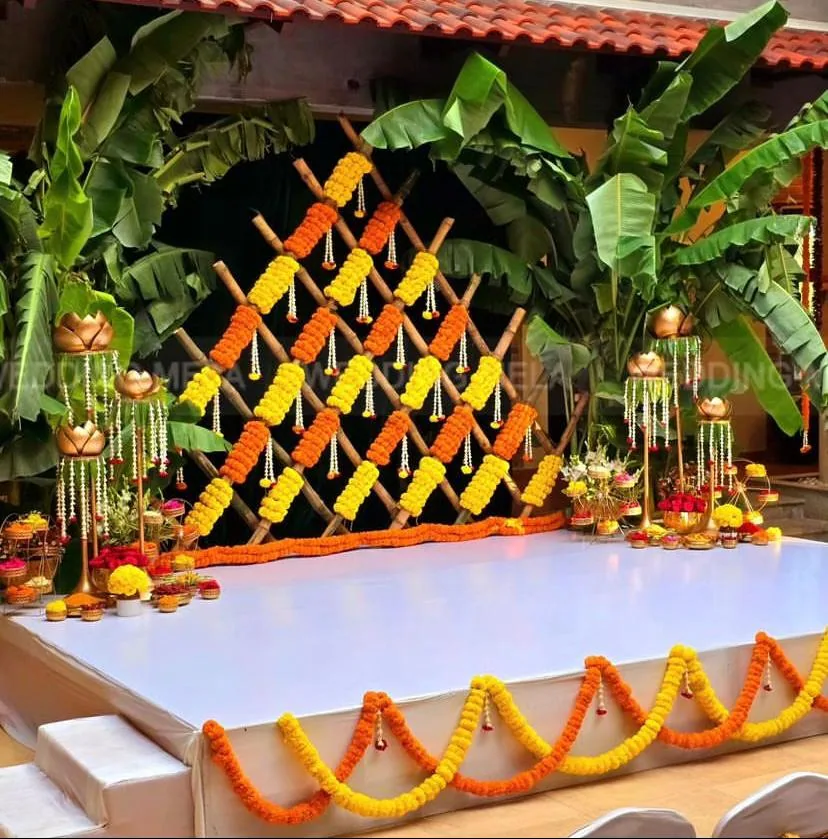
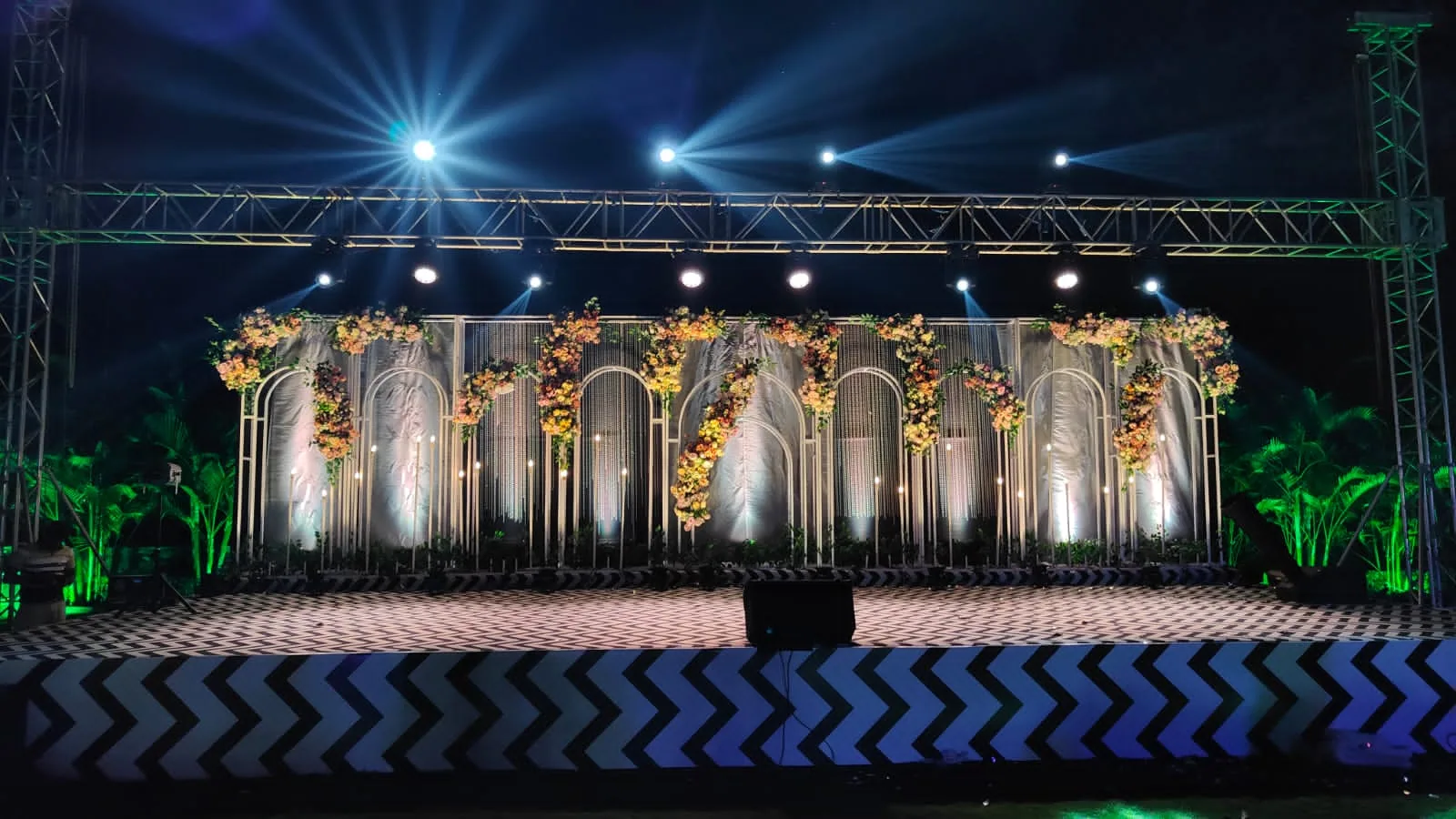
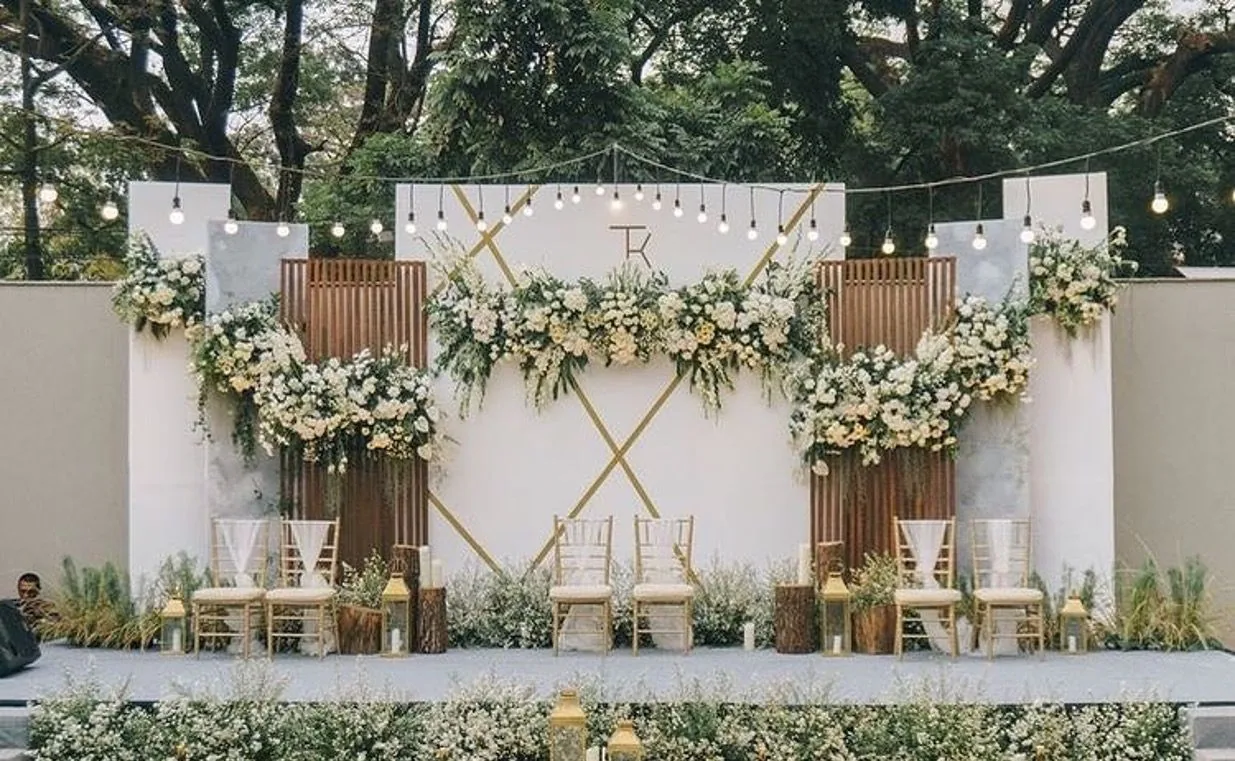
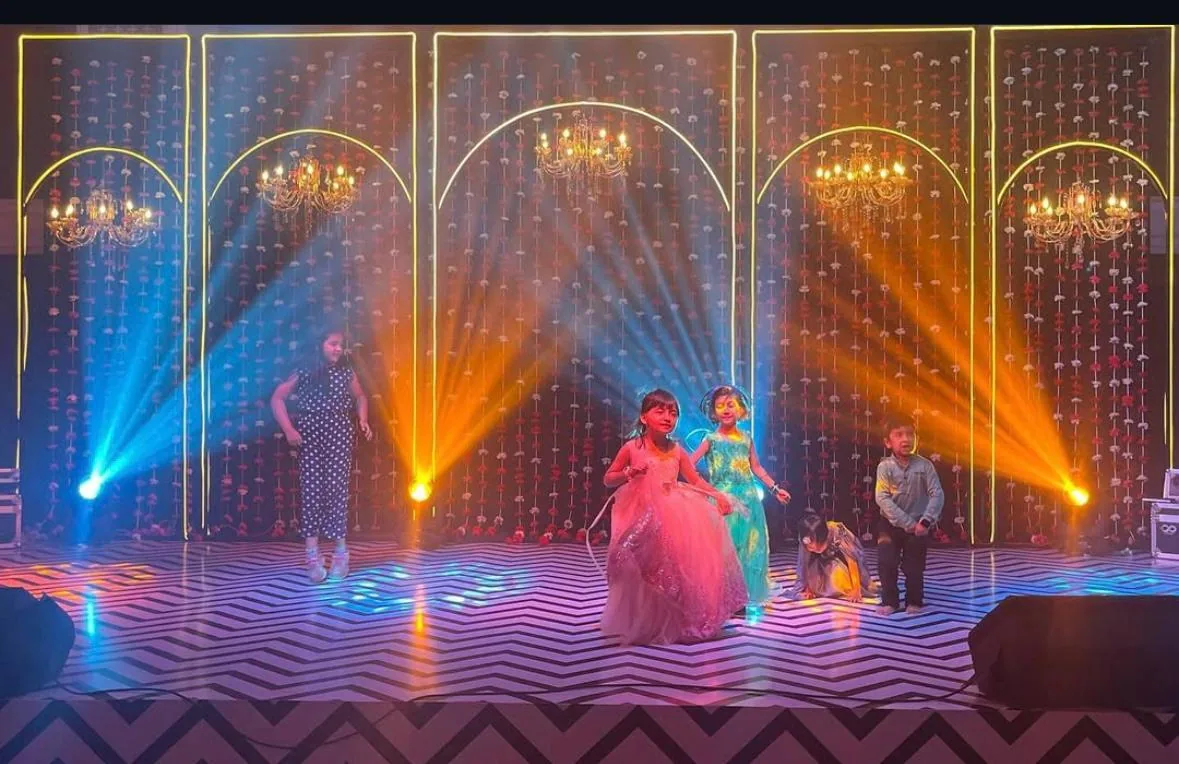
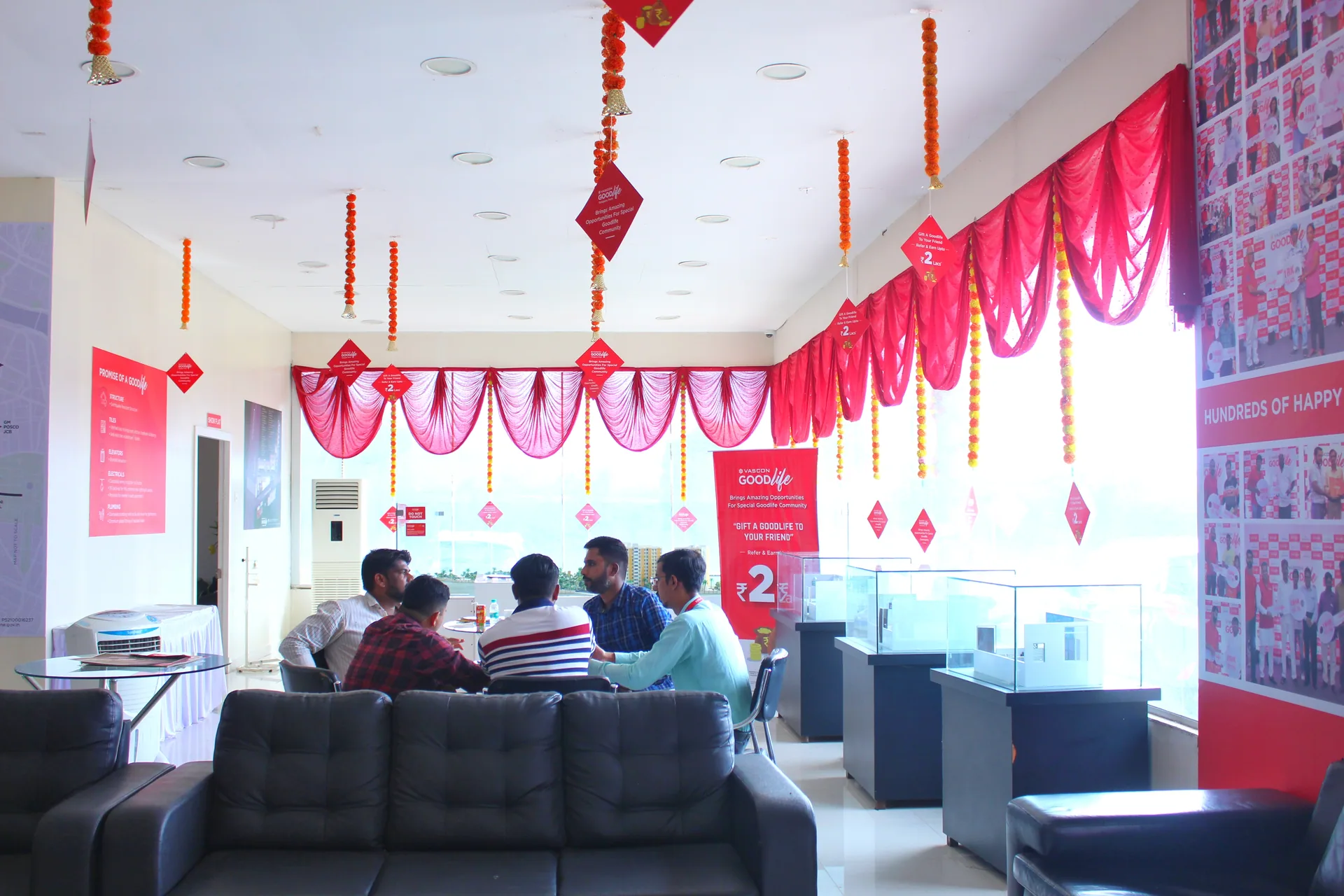
Every photo here is from an event our team planned and ran.
These are the parts we plan, set up and run for a press meet.
Invites sent and followed up against the media list you or your agency provide, with confirmations tracked and shared daily.
Backdrop sized and repeated so your name stays inside the frame, a low platform and a podium that suits every speaker's height.
Seating with a clear centre aisle, a raised camera platform at the back and a photographers' line in front of the stage.
A shared audio point so every camera gets the same clean sound, handheld mics for questions and a tested podium mic.
Printed and digital kits with the release, fact sheet, speaker profiles and high-resolution images, handed over at registration.
A media desk that records who attended, from which publication, with contact details for your team's follow-up afterwards.
Tell us the date, the guest count, the budget and the feeling you want in the room. We ask the questions most people forget.
You getFirst ideas and a budget range
Theme, décor, stage layout and a minute-by-minute run of show, drawn up and revised until it feels like yours.
You getMoodboard, layout and an itemised quote
Venue shortlists, caterers, artists, anchors and the paperwork — police, music licences and venue approvals — handled by us.
You getLocked vendors, one point of contact
Décor goes up, truss and LED walls are rigged, sound is checked and the anchor rehearses every cue with our show caller.
You getA walk-through before guests arrive
Our crew runs the floor, the stage and the guests. When it is over, we clear the venue and send you the photos.
You getA calm host — you — and the memories
Judge a press meet by whether the story went out accurately and quickly. That single test settles the agenda, the timing and the length. Anything in the room that does not help a reporter understand or file the story is costing you coverage.
Reporters give you their morning on the understanding that something is being announced. If the meet turns out to be a general brand talk, you lose that goodwill for the next one. Decide in a single sentence what the headline should be, and check that the sentence could not have been sent as a release instead. If it could, send the release and offer interviews.
Keep the address short. Ten to fifteen minutes of speaking, then questions, then a photo call. Long corporate videos, multiple speakers saying the same thing and a welcome ceremony all push the question round past the point where reporters start leaving to file.
Late morning is the safest slot in most Indian cities. It gives print reporters time to write for the next day's edition, gives television crews room to cut and feed before the evening bulletins, and gives digital desks the whole afternoon. An evening press meet competes with deadlines rather than meeting them, and a Friday announcement often lands in the quietest reading day of the week.
Traffic matters too. If your venue sits on a corridor that seizes up at peak hours, you will have a half-empty room at the announced time and a second, disruptive wave of arrivals ten minutes into the address. Pick a venue reporters can reach easily from the newspaper and channel offices, and start no more than a few minutes late.
Different desks need different things from the same forty minutes. Plan for all of them and nobody leaves short.
| Who | Needs in the room | Needs from you | When |
|---|---|---|---|
| Daily newspaper reporters | A seat, a table edge to write on, clear audio | Release with names, titles and figures spelled correctly | At the door, before the address |
| Television crews | Riser at the back, tripod space, clean audio feed | Spokesperson available for a standalone byte after | Immediately after questions |
| Photographers | Clear line in front of the stage, good light on faces | A staged photo call with everyone told where to stand | Right at the end, before people scatter |
| Digital and wire desks | Power points, working wi-fi, a quiet corner | Release and images in a link they can open on a phone | The moment the address begins |
| Trade and technical press | A demonstration or product to see up close | Access to a technical spokesperson, not only leadership | Fifteen minutes after the main meet |
| Reporters who could not attend | Nothing in the room | The same kit and a recording, sent the same day | Within two hours of the meet ending |
The first failure is the backdrop. A single large logo in the centre gets cropped out of every television frame, because cameras shoot tight on the speaker. Repeat the name and mark on a small, regular pattern across the whole backdrop, keep the podium against it rather than in front of a plain wall, and check the framing through an actual camera during setup.
The second is audio. If every channel plants its own microphone on the podium, you get a forest of mics, poor sound for everyone and an ugly shot. A shared audio point solves it, but only if you tell crews in advance that one exists and where to plug in. Test it with a camera, not just with headphones.
Decide before the meet who takes questions, in what order, and what the answer is to the awkward one everybody in the room is thinking about. Brief the moderator to take questions from across the room rather than only the front row, and to close cleanly rather than letting the session trail off. If a question cannot be answered, say so and promise a follow-up by a stated time, then actually send it.
If the announcement also needs a customer-facing reveal with a stage show and demo zones, our product launch event management page covers that side. For a multi-session business conference with delegates, speakers and breakouts, see conference organisers.

Can't find yours? Call or WhatsApp — a planner answers.
A press conference organiser handles the venue, backdrop, media seating, camera riser, audio feed, press kits, registration and the running order. Invitations are sent and followed up against the media list your team or agency provides. The message and the media relationships stay with you; the room, the timing and the technical setup are handled for you.
Late morning suits most newsrooms. Print reporters get time to write for the next edition, television crews can cut and feed before evening bulletins, and digital desks have the whole afternoon. Evening meets compete with deadlines instead of meeting them. Also check the traffic on your venue's corridor, because a difficult commute empties the first ten minutes.
The venue, the size of the backdrop and stage, the audio and camera setup, and how many press kits you print. A hotel meeting room with a backdrop and a shared audio feed sits at one end; a meet with demonstrations, screens and interview rooms at the other. Send us the format and expected numbers for an itemised quote.
The release, a one-page fact sheet, speaker names and designations spelled exactly as they should appear, and high-resolution images in a link that opens on a phone. Keep the printed version thin and put the detail online. Reporters carry bags all day, and a heavy folder gets left behind along with everything inside it.
That depends on the strength of the news, the day, and what else is happening in the city, so nobody can promise a number honestly. What you can control is making attendance easy: a reachable venue, a late-morning slot, a clear subject line in the invite and a follow-up call. Plan the room for a comfortable turnout, not a full one.
Decide in advance who answers what, and prepare the awkward question rather than hoping it is not asked. A moderator takes questions from across the room, not only the front row, and closes the session cleanly. If something cannot be answered, say so and commit to a follow-up by a stated time, then make sure it is sent.
A press conference is called to deliver news to reporters and is short, plain and built around questions and a photo call. A launch event is for customers, partners or dealers and is built around a reveal and an experience. Many companies run both on the same day, keeping the media session separate so reporters get quiet and access.
Pune · PCMC
Pune · PCMC
Welcome gates · Backdrops · Booths
Pune · PCMCPlanning events in Pune since 2013 — 500+ events for 100+ brands across 30+ cities. Read what clients say on Trustpilot, or find our Anand Nagar office on Google Maps.
Great EventGautam
User friendly experienceRahul Roushan
This company made sure to take care of everythingVaishnavi Todkar
Best Event Planner.Pranali Ladkat
Detailed workMolly Vernon
Give us the announcement, we will set the room
Share your date, the expected media strength and where you want to hold it, and we will come back with a setup plan and an itemised proposal.