A well-written corporate event rfp stops vague agency estimates and brings you clear, itemised proposals. Define your objectives, guest count, venue type, and exact scope of work first. Send this brief to shortlisted planners, give them a fixed timeline to reply, and use a standard comparison sheet to check line items.
Writing a clear corporate event rfp is the easiest way to stop vague agency estimates and get exact, apples-to-apples proposals from event planners in Pune. When your brief leaves no room for guesswork, the responses you receive will give you a realistic picture of costs, timelines, and execution capabilities. Instead of spending weeks untangling confusing quotations, a structured request for proposal lets you compare what matters most: scope, clarity, and accountability.
Planning this in Pune? See our corporate event planner in Pune: one team plans and runs it with you, since 2013.
Defining Your Event Scope Before Writing the Corporate Event RFP
Before you open a document to draft your brief, sit with your internal team and lock down the basics. Vague inputs produce vague pricing, which leads to budget surprises later. Clear numbers keep every responding agency aligned with your actual requirements.
What to Finalise First
- Audience profile: Is this for internal employees, channel partners, or VIP clients?
- Guest count: Give an exact number or a narrow range, such as two hundred to two hundred fifty people.
- Date and timing: Mention if the date is fixed or flexible, as peak season dates affect technical rentals.
- Core objective: State whether the goal is celebration, brand education, or networking.
If you plan to host your gathering in commercial hubs like Hinjewadi or Kharadi, your brief must account for peak traffic hours when planning material movement. Share these operational constraints early so agencies factor them into their logistics planning without adding surprise fees later.
Essential Sections Every Proposal Request Needs
A structured document ensures that every agency answers the exact same questions. This makes your review process straightforward and fair. Do not leave room for agencies to skip critical operational details.
The Core Sections
- Company background: A brief introduction to your organisation and company culture.
- Event overview: The main purpose, expected outcomes, and target audience persona.
- Scope of deliverables: Exact requirements ranging from stage design and sound and lighting for events in Pune to registration desks and branding elements.
- Budget boundaries: State a clear ceiling or range so planners do not pitch concepts you cannot approve.
- Submission guidelines: The format you expect back and the deadline for questions and final bids.
Be precise about what is excluded. For instance, if your company is arranging its own catering through an empanelled vendor, explicitly state that food management is out of scope. This prevents agencies from adding unwanted line items to their financial estimates.
Comparing Agency Responses Side by Side
Once submissions roll in, resist the temptation to look only at the final bottom line. A lower price often hides missing technical riders, inferior build materials, or unassigned permissions. Build a simple matrix to evaluate each submission fairly.
| Evaluation Metric | What to Look For | Red Flag |
|---|---|---|
| Scope Clarity | Every requested item addressed line by line | Lump sum pricing with no itemised breakdown |
| Technical Rider | Exact brands and specs for audio, video, and lights | Generic terms like ‘DJ setup’ or ‘LED walls’ |
| Logistics Plan | Clear timeline for load-in, rehearsals, and strike | No mention of venue permissions or transit time |
| Single Accountability | One point of contact assigned for the entire lifecycle | Blaming third parties for delays |
When you review proposals for an upcoming annual day event management in Pune, check how well the agency handles local municipal permissions and society NOCs. Experience with local venue rules prevents last-minute gate rejections.
Common Mistakes to Avoid in Your Brief
Even experienced procurement teams sometimes make drafting errors that confuse agencies and skew responses. Avoiding these common pitfalls saves time and ensures your project runs smoothly from day one.
Mistakes That Slow Down Sourcing
- Overcomplicating the brief: Asking for twenty creative concepts before shortlisting wastes valuable agency time.
- Hiding the budget: Refusing to share a budget range forces planners to guess, leading to wildly unrealistic proposals.
- Unrealistic turnaround times: Giving agencies only forty-eight hours to submit a detailed technical plan compromises quality.
- Ignoring compliance: Forgetting to ask about safety certificates, fire audits, and insurance coverage.
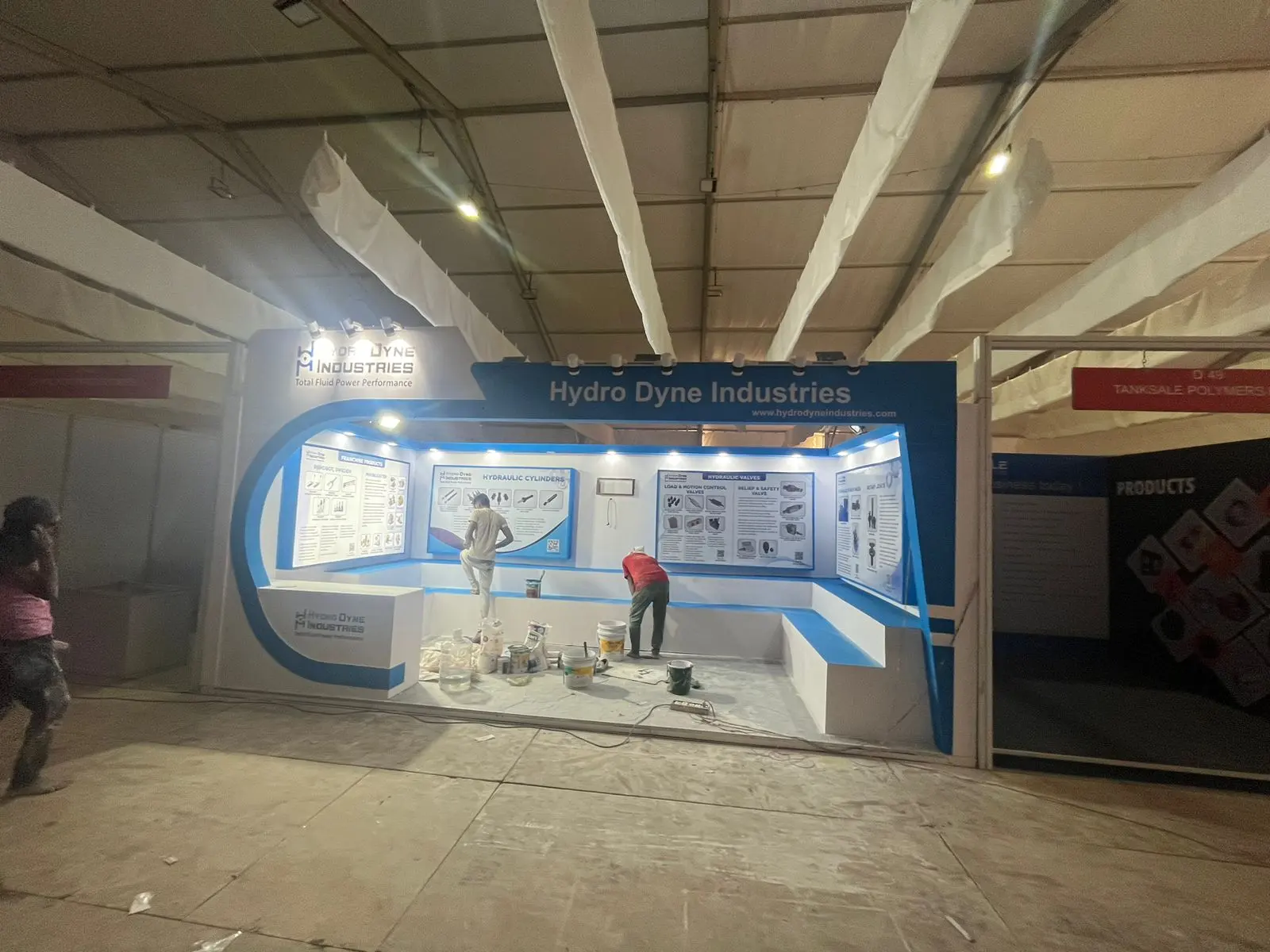
Give agencies at least one week to inspect complex venues, especially if your setup involves heavy branding towers or exhibition stall design in Pune where structural safety checks take time. Clear timelines attract serious, professional responses.
Managing Agency Presentations and Q&A Sessions
Shortlist two or three agencies for a final presentation after reviewing their written submissions. Use this meeting to test their operational clarity rather than just listening to their pitch decks.
Questions to Ask in the Meeting
- Who will be physically present on the venue floor during the entire event run?
- What is your backup plan if a technical component fails an hour before doors open?
- How do you handle sudden changes in guest count or seating layouts on event day?
A reliable team will give you direct, honest answers about what is possible within your timeframe. They will focus on risk management, crew coordination, and execution safety rather than hollow promises. Insist on meeting the actual project manager who will run your floor, not just the business development head who pitched the idea.
A Step by Step Timeline for Your Proposal Journey
Mapping Out Your Planning Schedule
Running a successful sourcing process requires a clear timeline so that your internal team and external agencies remain aligned. Giving potential partners enough runway to review your requirements ensures you receive thoughtful ideas rather than rushed templates. Start by setting aside adequate time for initial internal alignment before drafting any documents. This phase allows department heads to agree on core objectives, dates, and preliminary attendee numbers without external pressure.
Once your brief is finalized, release it to the market and allow a reasonable window for agency review. It is best practice to host an introductory briefing call or written Q&A period early in this window so agencies can clarify ambiguous points. After submissions land on your desk, schedule your evaluation sessions and narrow down the contenders. Finally, invite shortlisted teams for presentations before making your final selection. Rushing any of these steps often leads to misunderstandings during execution.
- Conduct internal stakeholder alignment meetings and lock in dates.
- Draft and finalize your project requirements document.
- Release the brief to selected agencies with a clear submission deadline.
- Host a brief Q&A session to address agency queries.
- Review submitted proposals and shortlist top candidates.
- Conduct final presentations and award the project.
Tailoring Your Brief for Intimate Gatherings Versus Large Conferences
Scaling Your Document to Match Your Gathering Size
The scale of your business gathering fundamentally changes what you need to ask for in your brief. For smaller team retreats or board meetings, your document should focus heavily on bespoke service, personalized itineraries, and flexible breakout spaces. Agencies handling intimate groups need to understand the distinct culture of your team and any specific leadership preferences. You do not need massive venue floor plans, but you do need granular detail on accommodation quality and discussion setups.
Conversely, when you are organizing a massive annual conference or a company wide summit, your requirements document must shift toward crowd management, technical infrastructure, and multi track scheduling. Large scale gatherings demand rigorous security protocols, robust audio visual specifications, and clear registration workflows. Agencies pitching for these large mandates must demonstrate deep experience in managing complex logistics, massive attendee flows, and simultaneous sessions across multiple rooms. Tailoring the depth of your request ensures you attract partners whose actual capabilities match the scale of your business ambition.
- Emphasize personalized service and bespoke itineraries for smaller leadership retreats.
- Focus on rigorous technical infrastructure and crowd flow for massive annual summits.
- Adjust evaluation criteria to match the specific logistical weight of your gathering.
Let Us Help Plan Your Next Business Event
Writing a detailed brief is the first step toward a successful corporate gathering, but having an experienced team execute it makes all the difference. We plan, set up, and run business meets with one dedicated point of contact handling every detail for you. Whether you are hosting an internal conference, a milestone celebration, or a brand showcase, we bring clarity and discipline to the floor. Visit our corporate event planner in Pune page to see how we work, and reach out via our contact page to ask for an itemised plan tailored to your exact requirements.
Frequently asked questions
What details must be included in a corporate event RFP?
Your request for proposal must include company background, event objectives, exact guest counts, date flexibility, venue preferences, and detailed scope of deliverables. Clearly state your budget range, technical requirements for audio-visual and stage design, and the strict deadline for final proposal submissions.
How many event agencies should I send my RFP to?
Send your request to three or four shortlisted agencies maximum. Reaching out to too many vendors dilutes the quality of responses and makes it difficult to manage follow-up questions. Choose agencies whose past portfolio matches the scale and tone of your intended corporate gathering.
How do I compare uneven proposals from different planners?
Create a standardised comparison matrix that breaks down line items like technical rentals, decor fabrication, manpower, and agency fees. Reject lump sum quotations that hide individual costs, and ensure every responding agency has priced the exact same scope of work.
What is a realistic timeline for issuing an RFP and selecting an agency?
Allow one week for agencies to review the brief and ask clarifying questions, followed by one week for them to submit detailed proposals. Schedule presentations in the third week, and finalise your decision by the end of that month to ensure proper venue and technical booking.
Should I include budget figures in my corporate event RFP?
Yes, sharing a realistic budget range or ceiling is highly recommended. It prevents agencies from pitching concepts that are financially unfeasible and helps them tailor their creative and technical recommendations to match your actual spending capacity.

Vicky founded Plan With YOLO in Pune in 2013 and leads the planning on corporate events, weddings and stage production across Maharashtra.