
A conference planning checklist runs in stages: fix goals, dates, venue and budget twelve weeks out; confirm speakers and open registrations by week eight; lock AV, branding and hospitality by week four; finish the run-of-show and rehearsals in the last week; and send thank-yous, recordings and a feedback survey the day after.
A conference has more moving parts than almost any other corporate event: several speakers, a packed agenda, registrations, AV cues, sponsors and guests who expect everything to start on time. This conference planning checklist breaks the work into weeks, from twelve weeks out to the day after, so nothing lands on the last day. It is written for single-day and two-day business conferences, industry summits and association meets in and around Pune.
Planning this in Pune? See our conference organisers in Pune: one team plans and runs it with you, since 2013.
If you are still deciding whether your event is a seminar or a full conference, read our guide on the difference between a seminar and a conference first. The rest of this checklist assumes a multi-session conference.
The conference planning checklist at a glance
The table below is the whole plan on one page. Print it, assign an owner to each row and review it in a weekly meeting.
| When | Focus | What to finish |
|---|---|---|
| 12 weeks out | Foundations | Goals, audience, format, dates, budget heads, venue shortlist, core team and owners |
| 11 weeks out | Venue | Site visits, hall capacity check, breakout rooms, power and loading access, venue booked |
| 10 weeks out | Agenda and speakers | Draft agenda, keynote invitations, session themes, speaker brief template |
| 9 weeks out | Registrations | Registration form, ticket or invite categories, confirmation emails, data privacy wording |
| 8 weeks out | Launch | Save-the-date, event page live, registrations open, sponsor packages shared |
| 7 weeks out | AV plan | Screens, sound, lighting, recording or live stream needs, interpretation if required |
| 6 weeks out | Branding | Key visual, stage backdrop, signage list, standees, badges and lanyards design |
| 5 weeks out | Hospitality | Room blocks for outstation guests, airport or station pickups, menu and dietary options |
| 4 weeks out | Lock-in | Final agenda published, AV and branding orders confirmed, sponsor deliverables received |
| 3 weeks out | Content | Speaker presentations collected, session chairs and moderators briefed, anchor script draft |
| 2 weeks out | Run-of-show | Minute-by-minute cue sheet, floor plan, staff roles, reminder mail to delegates |
| 1 week out | Checks | Final numbers to venue, badge printing, AV test file, walk-through with the venue team |
| Day before | Set-up | Stage and branding installed, sound check, full tech rehearsal, registration desk ready |
| Conference day | Delivery | Early crew call, speaker green room, timekeeping, live issue log |
| Day after | Follow-up | Thank-you mails, recordings and slides shared, feedback survey, final bills reconciled |
12 to 9 weeks out: foundations, venue and speakers
The first month decides everything that follows. Most conference problems trace back to a vague goal or a venue picked before the format was clear.
Set the goal and the format
- Write one sentence on why the conference exists: knowledge sharing, lead generation, a product story, member engagement.
- Define the audience and the expected number of delegates, speakers and staff.
- Choose the format: plenary only, plenary plus breakouts, panels, hands-on training sessions or an exhibition area.
- List the budget heads: venue, AV, branding, speakers’ travel, hospitality, food, printing, recording and a contingency line.
Choose the venue
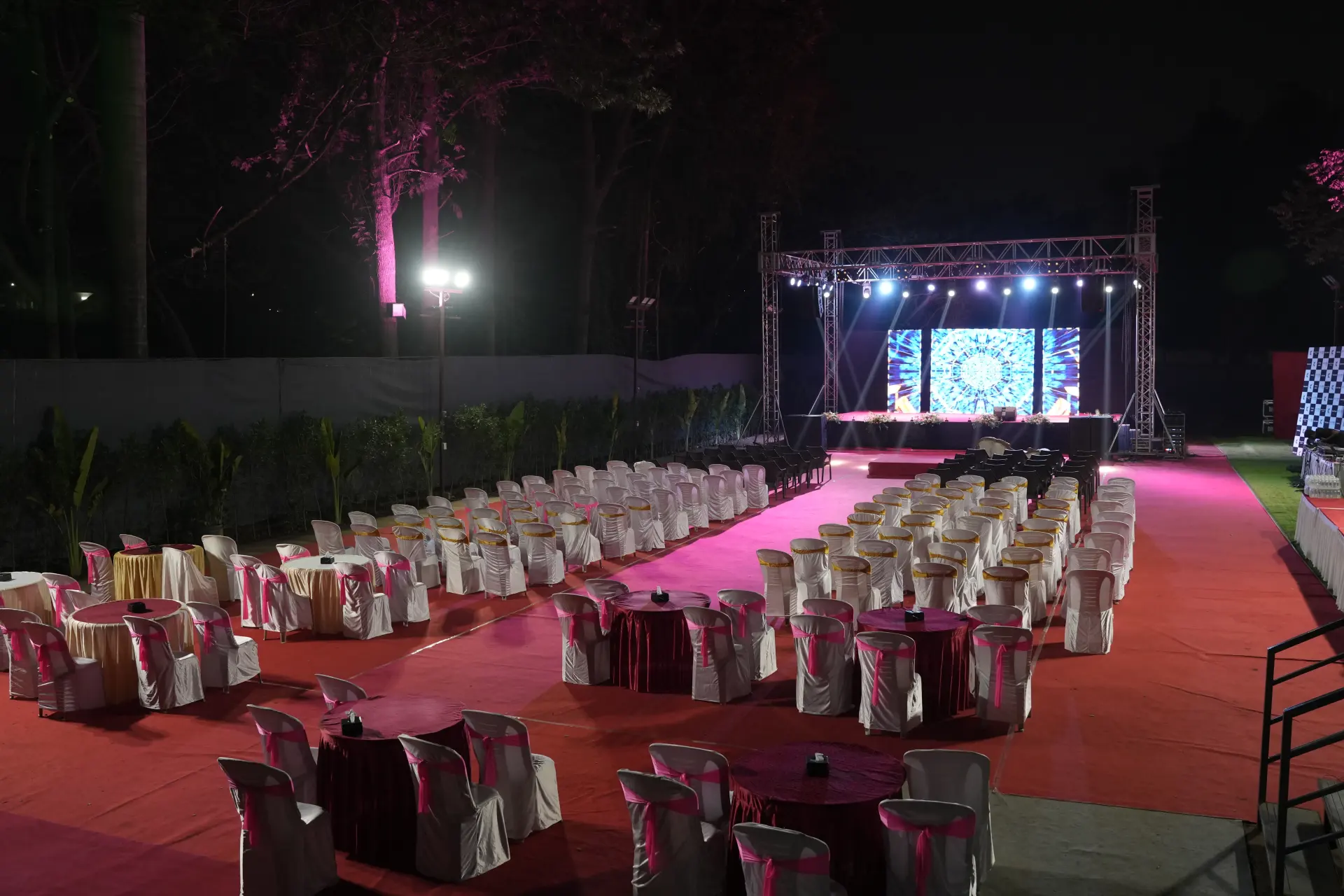
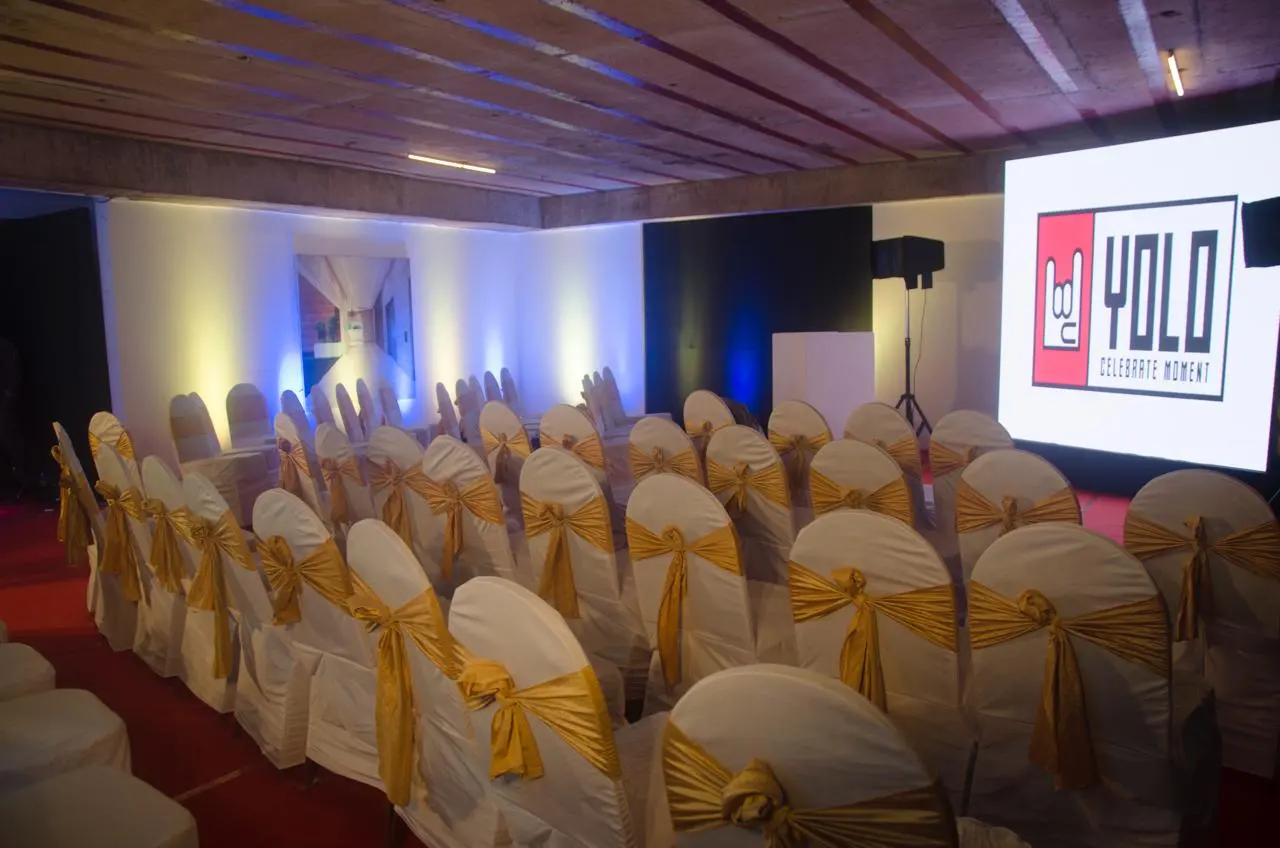
- Check the main hall seating in the layout you need. Theatre, classroom and cluster seating hold very different numbers in the same room.
- Confirm ceiling height for screens and truss, power capacity for AV, and a loading route for equipment.
- Look at breakout rooms, a speaker green room, registration space and where tea breaks will happen.
- Think about travel. A hotel near Hinjewadi or Kharadi suits delegates from the IT corridors, while guests flying in may prefer a venue closer to the airport.
Invite speakers early
- Send keynote invitations with the date, the audience, the topic and the time slot.
- Create a speaker brief template: session length, format, slide ratio, deadline for slides and travel details.
- Keep a backup name for every keynote slot.
8 to 5 weeks out: registrations, AV and branding
This is the stretch when the conference becomes public and the production plan takes shape.
Registrations
- Keep the form short: name, company, designation, contact, dietary needs and session choices if you have breakouts.
- Send an instant confirmation with the date, venue and a calendar invite.
- Plan the reminder sequence: one mail two weeks before, one two days before and one on the morning.
- Decide how you will check people in: printed list, QR codes or on-site badge printing.
AV and production
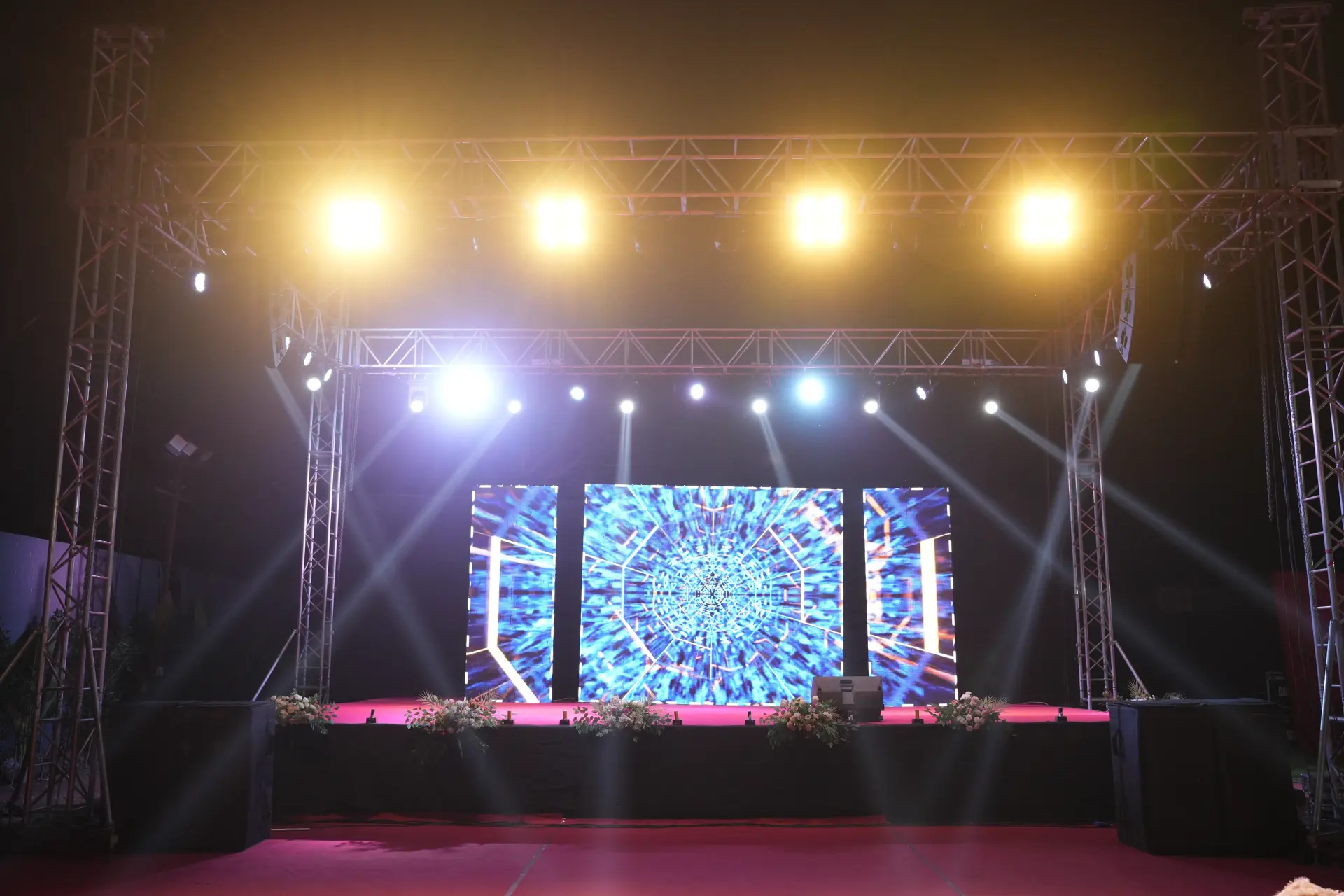
- Main screen or LED wall sized for the back row, plus confidence monitors for speakers.
- Cordless handheld and lapel microphones, a podium mic and audience mics for Q and A.
- A laptop at the console with every presentation loaded, and a clicker for each speaker.
- Recording, photography and live streaming if you need them, each with a clear owner.
Branding
- One key visual used across the invite, stage, standees, badges and slides.
- A signage list: entry, registration, halls, washrooms, breakouts, food, exits.
- Sponsor logos placed as promised in each package. Keep a checklist per sponsor.
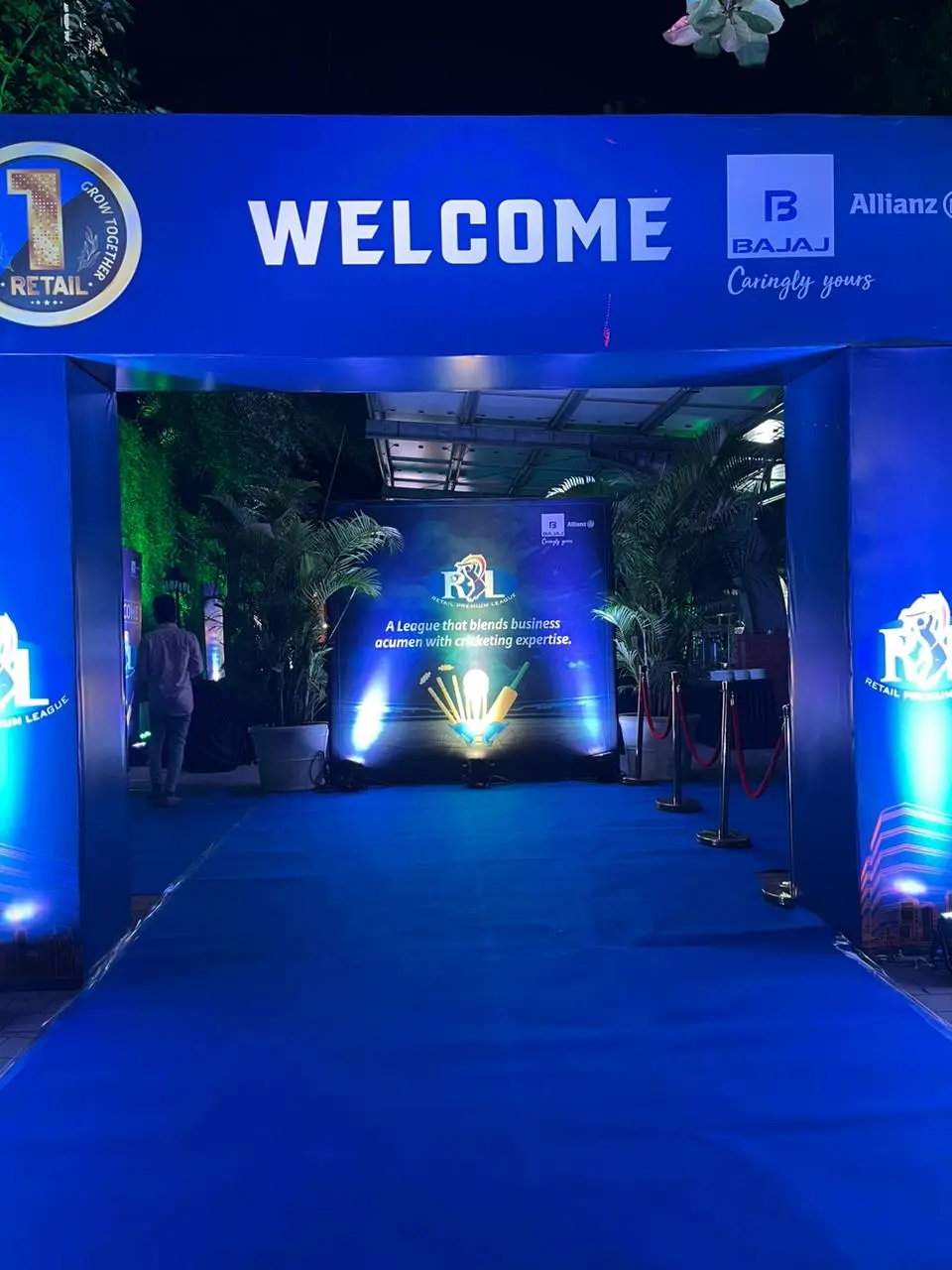
For the full look, from the welcome gate to the stage backdrop, see how our event branding team plans conference branding.
Hospitality
- Room blocks for speakers and outstation delegates, with names shared with the hotel.
- Pickups from the airport or railway station, with a named coordinator and phone numbers.
- Menus that cover vegetarian, Jain and other dietary needs, and tea breaks timed to the agenda.
4 to 1 weeks out: lock-in and the run-of-show
From week four, the goal is to stop changing things. Every late change creates risk on the day.
- Publish the final agenda and tell speakers their exact slot.
- Collect all presentations in one folder, renamed by session and time. Check fonts, videos and aspect ratio on the actual show laptop.
- Write the run-of-show: every minute of the day with the cue, the speaker, the mic, the slide and the light change.
- Brief moderators and session chairs on timings and how to close a session that is running long.
- Draw the floor plan with seating, stage, registration, breakouts, food, sponsor desks and emergency exits.
- Give final numbers to the venue and caterer, and print badges.
Day before and conference day
The day before is for set-up and rehearsal, not for fixing slides. Plan a full technical rehearsal with the stage lit and every mic live.
- Install the stage, backdrop and signage, then walk the delegate route from the gate to the seat.
- Run a sound check and a slide check for every session.
- Rehearse the opening, the keynote walk-on, the panel mic handover and the closing.
- Set up the registration desk with lists, badges, pens, a helpdesk and a power backup.
On the day, call the crew early, open registration well before the first session and keep a live issue log. A dedicated timekeeper with cue cards keeps sessions on schedule, and a quiet green room keeps speakers calm.
The day after
The conference is not over until the follow-up is done. Delegates remember how quickly you shared what you promised.
- Send thank-you mails to speakers, sponsors and delegates within a day.
- Share slides and recordings as promised.
- Send a short feedback survey. Our list of event feedback questions has ready questions you can use.
- Reconcile bills, close open payments and write a short internal report on what to keep and change next time.
Common conference mistakes to avoid
Most conference problems are predictable, which means they can be avoided with a little planning.
- An agenda with no breathing room. Sessions always run over. Build a few minutes of buffer between sessions and before lunch.
- Slides arriving on the morning. Late files cause font errors, broken videos and nervous speakers. Hold firm on the slide deadline.
- Too few people at registration. A long queue at the gate sets a poor tone for the whole day. Plan desks by surname or ticket type, and open early.
- Forgetting the back row. Check screen size and sound from the last seat during rehearsal, not from the stage.
- No plan for power cuts. Confirm generator backup with the venue, and keep the show laptop and mixer on a UPS.
- Ignoring breaks. Networking over tea is often what delegates value most. Give it enough time and enough counters.
Plan your conference with Plan With YOLO
A checklist tells you what to do. Having one team do it with you is the easier part. We plan, set up and run business conferences, summits and seminars in Pune and across Maharashtra, from Mumbai to Nashik: venue search, stage and AV, branding, registrations, hospitality and a minute-by-minute run-of-show, with one point of contact from the first call to the last thank-you mail. Running since 2013 with 500+ events and 100+ brands and companies behind us, we would be glad to hear your plan. Visit our conference organisers in Pune page and ask for an itemised quote.
Frequently asked questions
How far in advance should you plan a conference?
Start planning a conference at least twelve weeks in advance, and longer for large or international events. Twelve weeks gives you time to book a suitable venue, confirm keynote speakers, open registrations around week eight and lock AV, branding and hospitality by week four. Smaller one-day conferences can work in eight weeks if the venue is already fixed.
What should be included in a conference planning checklist?
A conference planning checklist should include goals and budget heads, venue and seating, agenda and speakers, registrations and reminders, AV and recording, branding and signage, hospitality and travel, a minute-by-minute run-of-show, a full rehearsal, and day-after follow-up such as thank-you mails, recordings and a feedback survey. Assign one owner to every item.
What AV is needed for a business conference?
A business conference usually needs a large screen or LED wall visible from the back row, confidence monitors for speakers, cordless handheld and lapel microphones, a podium mic, audience mics for questions, a show laptop with every presentation, clickers, stage lighting and a trained operator at the console. Add recording or live streaming if you plan to share sessions.
What is a run-of-show for a conference?
A run-of-show is a minute-by-minute script of the conference day. It lists every segment with its start time, speaker, microphone, slide, video, light cue and the person responsible. The anchor, the AV team, the stage manager and the organisers all work from the same document, which keeps sessions on time and handovers smooth.
What should you do after a conference ends?
After a conference, send thank-you mails to speakers, sponsors and delegates within a day, share slides and recordings you promised, and send a short feedback survey. Then reconcile bills, close open payments, share leads with the sales team and write a brief internal note on what worked and what to change for the next edition.

Vicky founded Plan With YOLO in Pune in 2013 and leads the planning on corporate events, weddings and stage production across Maharashtra.