

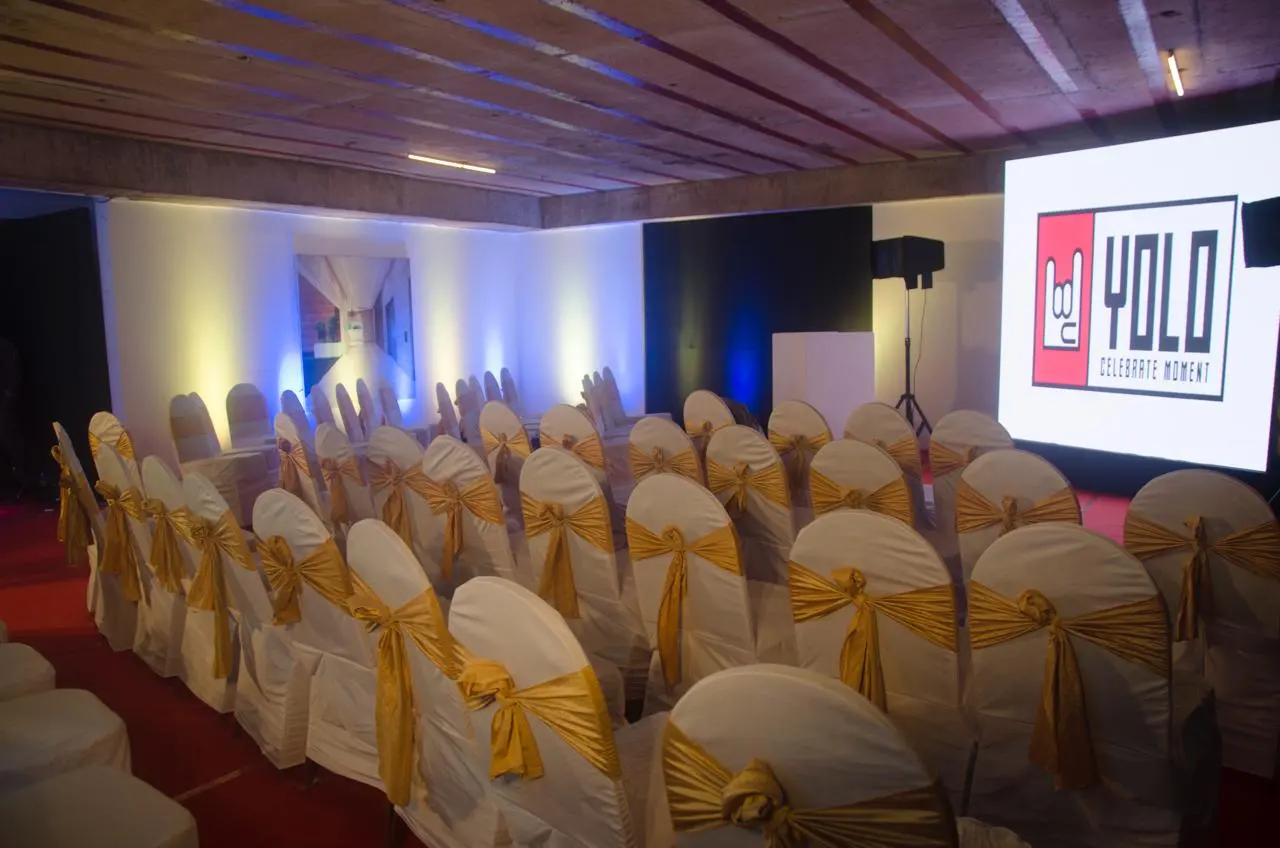
Good event feedback is specific, balanced and timely. Name what worked, such as a session, the venue or the organisation, then suggest one or two concrete improvements within a day or two. Organisers should ask a few short rating questions plus one open question, and send the survey while the experience is still fresh.
Every event ends with the same question: did it work? The applause and the photos tell you something, but the people who sat through the sessions, queued for lunch and hunted for parking know far more. Event feedback is how you hear from them. This guide gives you 25 questions you can copy into a form, tells you when to send them, and shows how to write useful feedback on an event you attended yourself.
Why event feedback matters
Feedback tells you what your attendees actually experienced, not what you planned for them to experience. Those two things are rarely the same. A keynote you loved may have run long for the room. A venue that looked perfect on the recce may have had a slow lift and one washroom per floor.
Good feedback for event management does three jobs:
- It fixes the next event. Small problems, like a late tea break or a weak mic, repeat year after year unless someone writes them down.
- It justifies the budget. When leadership asks whether the offsite or annual conference was worth it, attendee ratings and comments are the evidence.
- It makes people feel heard. Asking, and then visibly acting on the answers, builds goodwill for the next invite.
Feedback measures experience. If you also want to measure business results such as leads or sales, track those separately against the goals you set before the event.
When to collect feedback
The best time to send an event feedback survey is within 24 hours of the event ending. Memories fade fast, and by the third day people are back in their inbox and will not bother.
You can collect feedback at three points:
| When | How | What it is good for |
|---|---|---|
| During the event | QR code on screens, table tents or the badge; quick live polls | Session ratings while they are fresh; catching problems you can still fix |
| Right after (same day or next morning) | Email or WhatsApp link to a short form | Overall experience, venue, food, logistics |
| A few weeks later | Short follow-up to a smaller group | Whether the event changed anything: new contacts, ideas used at work |
Keep the main form short. Five to ten minutes is the upper limit people will give you, and fewer questions get more honest answers. Pick the questions below that match your goals rather than using all 25.
Questions about the event overall
Start with the big picture. These questions give you a headline score you can compare year to year.
- Overall, how would you rate this event? (1 to 5)
- How likely are you to recommend this event to a colleague or friend? (0 to 10)
- Did the event meet the expectations you had when you registered?
- How likely are you to attend the next edition?
- Was the length of the event right, too long or too short?
Questions about content and speakers
Content questions tell you which sessions earned their slot. Ask them per session if you can, or as a short list if you cannot.
- Which session was most useful to you, and why?
- Which session was least useful?
- How relevant was the content to your work or interests? (1 to 5)
- How would you rate the speakers on clarity and knowledge?
- Was there enough time for questions and discussion?
- Which topics would you like covered next time?
Questions about venue, food and logistics
Logistics rarely make an event great, but they very often make one feel poor. These questions find the friction.
- How easy was it to reach the venue? (Include parking, cab drop-off and directions.)
- How smooth was registration and check-in?
- How comfortable was the seating, temperature and sound in the hall?
- How would you rate the food and beverages, including options for your dietary needs?
- Were the breaks long enough and well timed?
- Were the screens, slides and audio easy to see and hear from where you sat?
- Was the information you received before the event (timings, agenda, location) clear and on time?
For corporate events in Pune, ask the travel question carefully. An evening conference in the city centre and a day offsite on the highway create very different complaints, and both are worth knowing.
Open-ended questions that get honest answers
Open questions produce the most useful feedback, because people tell you things you did not think to ask. Keep them few and specific.
- What was the single best part of the event for you?
- If you could change one thing, what would it be?
- Was there anything that confused or frustrated you?
- Did you meet anyone or learn anything you will follow up on?
- What almost stopped you from attending?
- How did you hear about this event?
- Is there anything else you would like the organisers to know?
A few habits improve the answers you get:
- Allow anonymous responses for internal events. Employees are more candid when their name is not attached.
- Use the same rating scale throughout, so people do not have to re-read every question.
- Make every question optional except the overall rating.
- Send the form in the channel people actually use. For many Indian teams that is WhatsApp, not email.
- Thank people, and tell them when you will share what changed.
How to write feedback on an event you attended
To give useful feedback on an event, be specific about what worked, suggest one or two concrete improvements, and keep the tone respectful. Organisers can act on detail; they cannot act on “it was nice”.
A simple structure works well:
- Start with what worked. Name it. “The panel on hiring was the most practical hour of the day” beats “great sessions”.
- Add one or two improvements. Describe the problem and its effect. “Lunch started 40 minutes late, so the first afternoon session lost half the room.”
- Suggest a fix if you have one. “A buffer after the morning block would help.”
- Close with your overall view. Would you come again? Would you send a colleague?
Examples of positive feedback for an event
- “The event was very well run. Check-in took two minutes, the sessions started on time, and the networking dinner was relaxed and easy to join.”
- “Thank you for the family day. The kids zone was safe and busy the whole afternoon, which meant parents could actually enjoy the programme.”
- “The stage, sound and screens were excellent. Even from the back rows every slide was readable.”
If you are writing feedback for event management as a client, rather than as a guest, go one step further: note how the team communicated during planning, how they handled last-minute changes, and whether the final bill matched the quote.
Turning feedback into the next event plan
Feedback is only useful if it changes something. Within a week of the event, sit down with the planning team and go through the answers.
- Sort comments into themes: content, venue, food, timing, communication, technology.
- Separate one-off complaints from patterns. One person disliking the dessert is noise. Many people mentioning a long queue is a signal.
- Pick three changes for the next edition and write them into the brief.
- Tell attendees what you changed in the next invitation. It is the best proof that filling in the form was worth their time.
- Keep the raw data. Comparing this year’s scores with next year’s is how you see progress.
Plan events people rate highly
Most poor feedback traces back to planning: a tight schedule, an unclear brief to the venue, or no one owning the small details on the day. Since 2013 our team has planned and run 500+ events, and we build feedback into the plan from the start, with a QR code on the day and a short survey the next morning. If you have a conference, offsite or annual meet coming up, see how our corporate event planning works, or share your brief and we will suggest a format and a feedback plan that fits it.
Frequently asked questions
How do you give feedback on an event?
Give feedback on an event by being specific, balanced and prompt. Say what worked, naming the session, speaker or arrangement, then describe one or two problems and how they affected you. Suggest a fix if you can, and end with your overall view. Send it within a day or two, while the details are still clear in your mind.
What questions should an event feedback form ask?
An event feedback form should ask for an overall rating, a likelihood-to-recommend score, ratings for content and speakers, and questions on venue, food, timing and logistics. Add two or three open questions such as the best part of the event and the one thing to change. Keep the form under ten minutes and make most questions optional.
When should a feedback survey be sent?
Send the feedback survey within 24 hours of the event ending, ideally the same evening or the next morning. Responses drop sharply after a few days. For multi-day events, collect session ratings live through a QR code, then send one short overall survey at the end, with a single reminder two days later.
How do you write positive feedback for an event?
Write positive feedback by naming exactly what impressed you instead of using general praise. Mention a specific session, the smooth check-in, the food or the way the team handled a change. Explain why it mattered to you, thank the organisers by name if you know them, and say whether you would attend or recommend the event again.