Corporate event management companies in Pune fall into five kinds: production-led, decor-led, full-service planners, activation agencies and independent project managers. Compare them by working out the type first, then checking their venue experience in this city, their crew availability in your season, and whether their paperwork fits your vendor process.
Search for corporate event management companies in Pune and you will get a list that looks uniform and is not. Five quite different businesses answer that same search, and each is genuinely good at something different. Most of the confusion companies feel when three quotes arrive looking nothing alike comes from this: they are not three versions of the same offer. They are three different trades pricing the parts of your event they care about most.
Planning this in Pune? See our event management services: one team plans and runs it with you, since 2013.
What these companies are actually selling
Work out which kind of business you are talking to before you compare anything else, because the type predicts the quote.
Nobody advertises their type. Every website says full service. The distinction shows in which parts of your brief come back described in detail and which come back as a single line, and in what the team wants to talk about in the first meeting.
The five kinds you will meet
Production-led
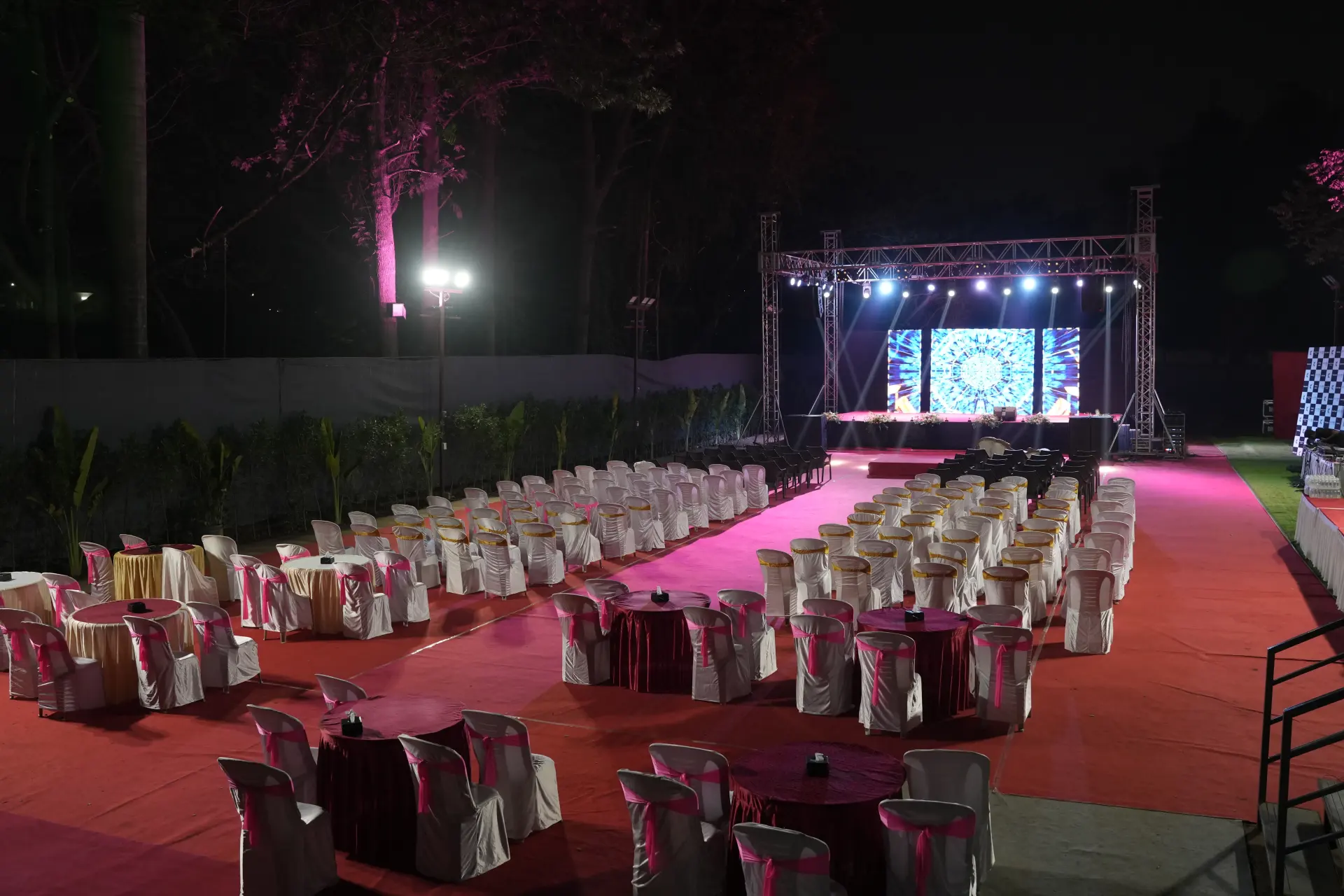
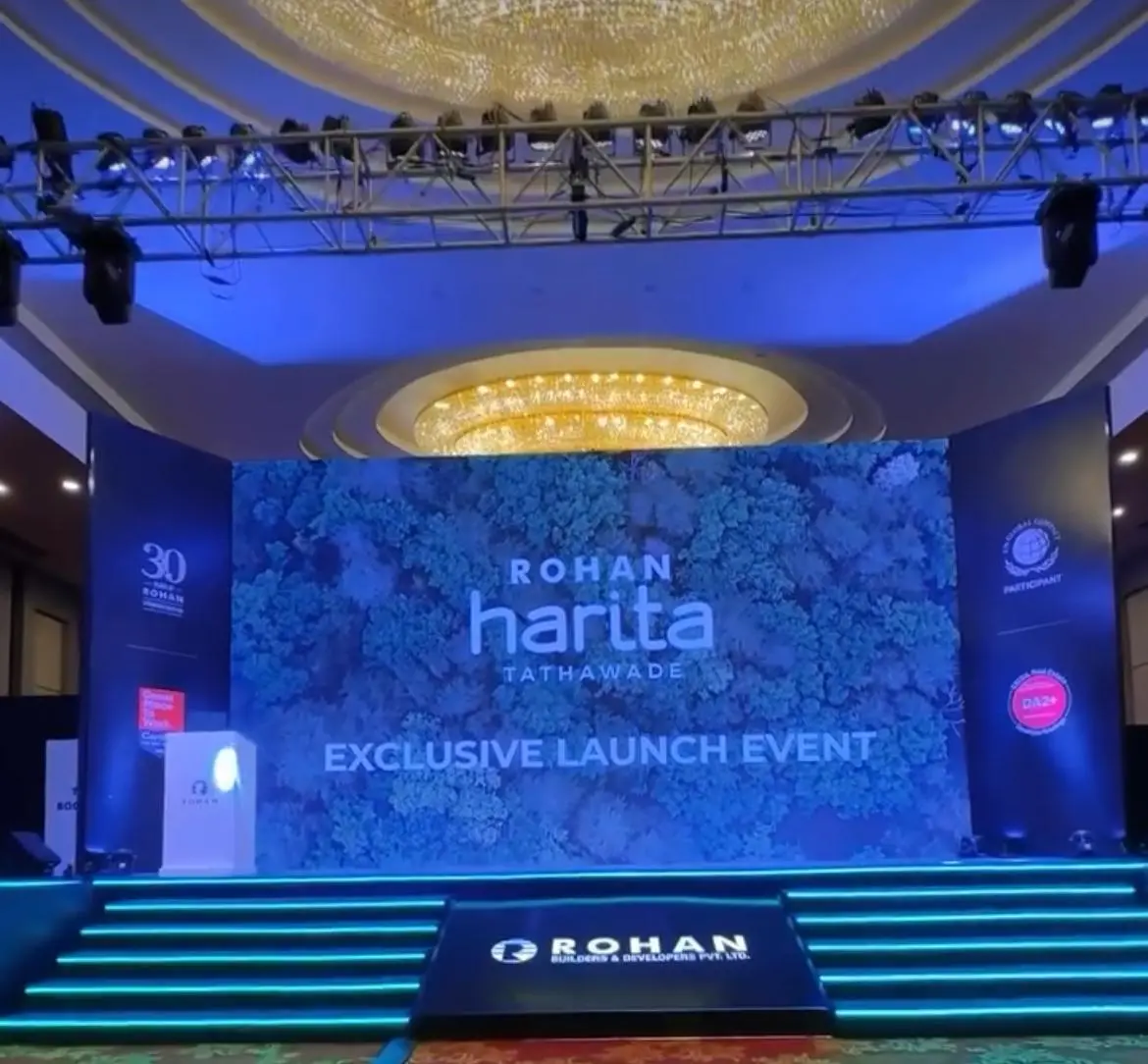
Their strength is the room’s technical side: staging, trussing, sound, lighting, screens and the power to run it. A stage show, an award night or a launch with a heavy technical programme is their home ground. Content, guest handling and hospitality often come back thinner in the proposal.
Decor-led
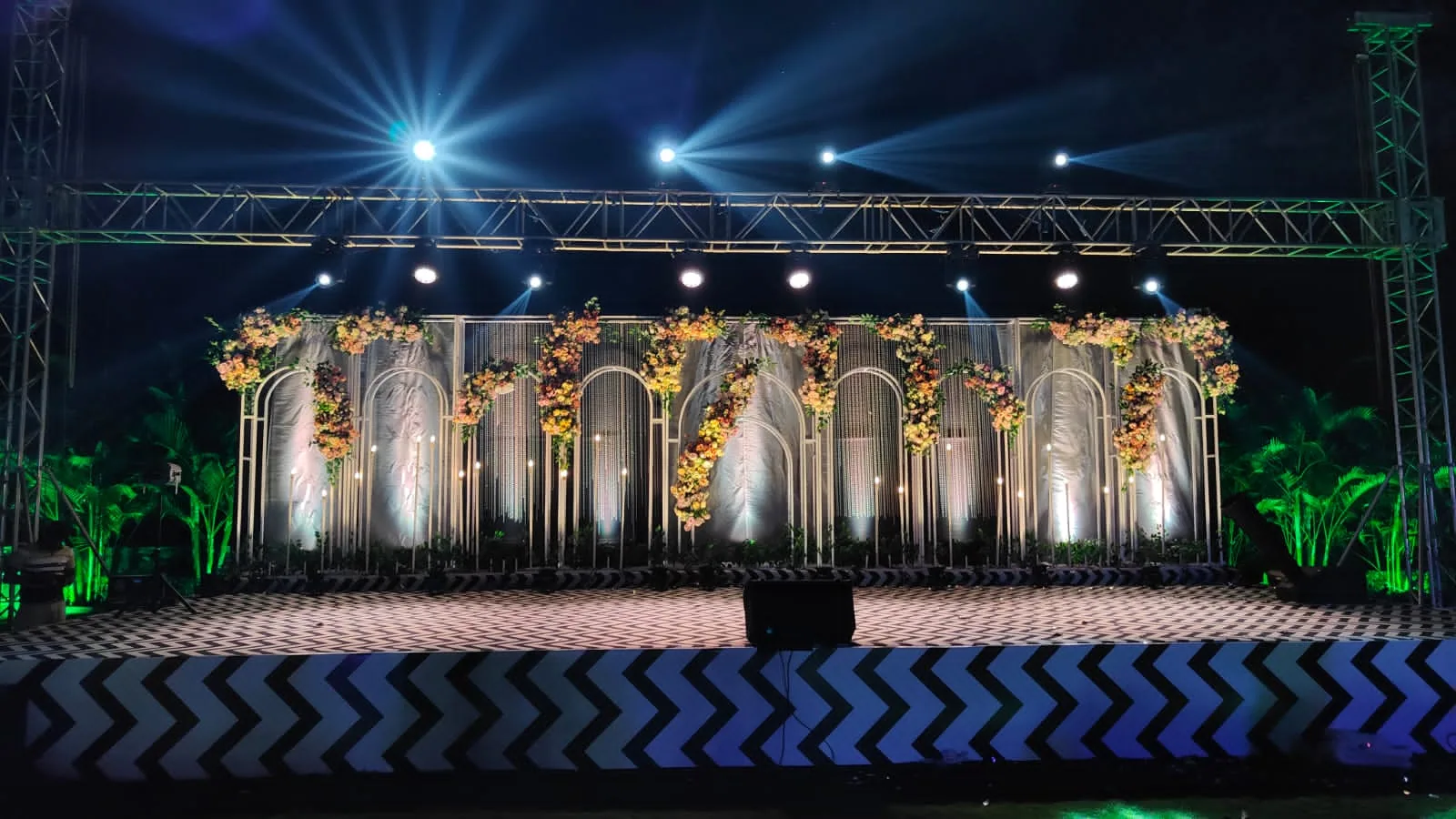
These began in décor and fabrication, and they think visually. Entrances, backdrops, floral work and photogenic spaces are where their attention goes. For a family day, a festival party or an evening where the room is the point, they are strong. Complex programmes with many speakers may be less comfortable.
Full-service planners
Their product is coordination: they hold the brief, the schedule, the suppliers and the day, and they buy technical and décor work in. You get one point of contact and a single plan. The trade-off is that they are managing specialists rather than being one, so judge them on how tightly they hold a schedule.
Activation and field-marketing agencies
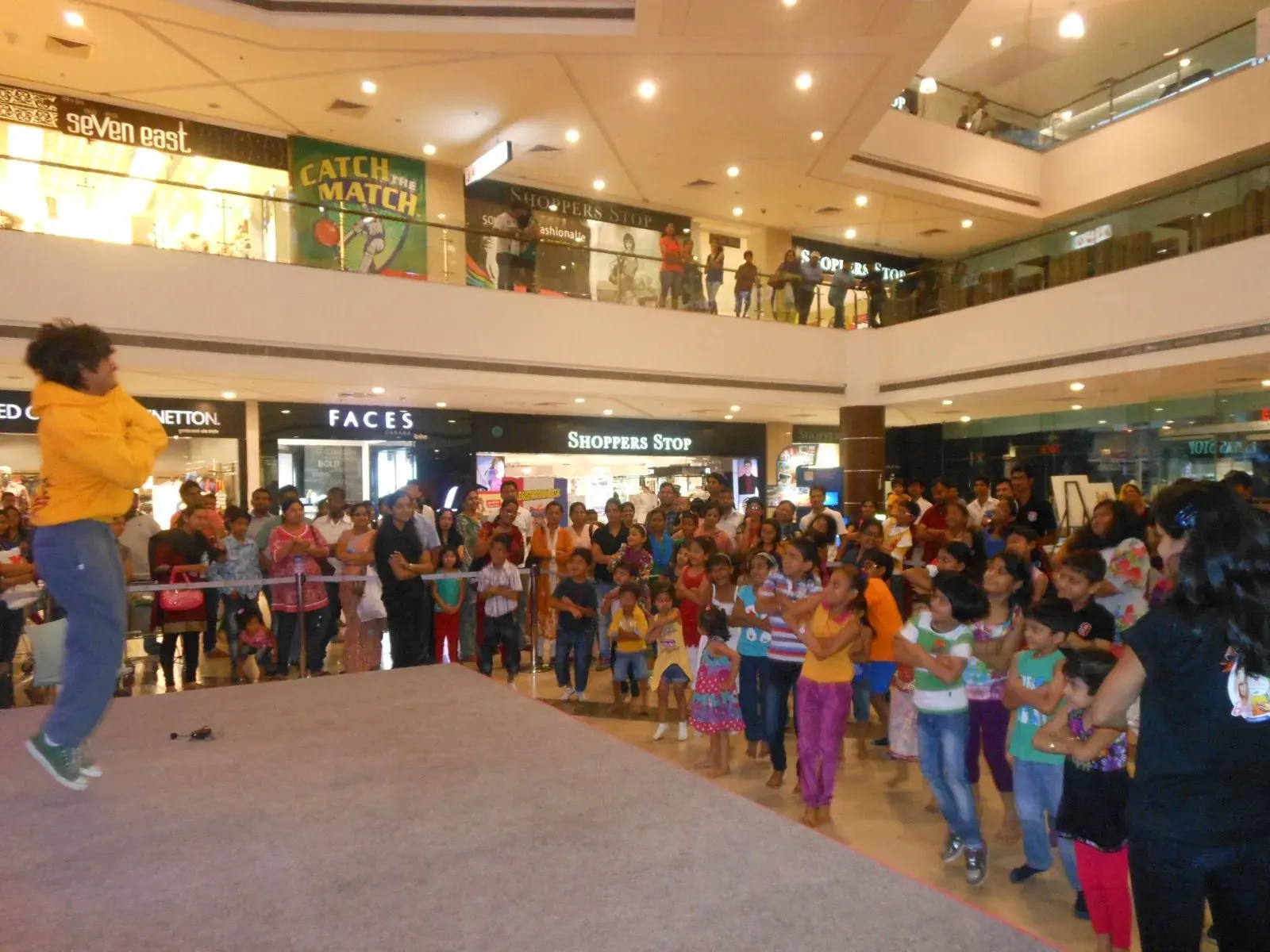
Built for consumer-facing work: mall activations, roadshows, sampling, exhibition presence, crowds and footfall. For an internal company event they can be a mismatch in tone, but for anything where the public is the audience they understand things a corporate planner will not.
Independent project managers
One experienced person who plans your event and assembles a crew for it. Costs less on the coordination line and can be excellent for a mid-sized event. The risk sits entirely in redundancy: if that person is unwell on the morning, there is no second layer.
What each type gives you, and what you must fill in
| Kind of company | Strongest at | The gap you will have to cover |
|---|---|---|
| Production-led | Stage, sound, light, screens, technical scale | Guest experience, hospitality, content deadlines |
| Decor-led | Entrances, backdrops, florals, photogenic rooms | Complex programmes and technical rehearsal |
| Full-service planner | One plan, one contact, schedule discipline | Verifying the specialists they bring in |
| Activation agency | Public audiences, footfall, roadshows, exhibitions | The tone and formality of an internal event |
| Independent project manager | Cost, attention, personal involvement | Backup on the day and depth of crew |
What to check that is specific to this city
Local knowledge in Pune is not about knowing the city generally; it is about knowing your venue and your season.
- Halls they have loaded into. A team that has built in your hall knows its lift, its power board and its house rules. Ask for the names, then verify one.
- Your season. November to February is the busiest stretch in this market, and the same crew and equipment are being requested by everybody. Between June and September, anything on a lawn needs a covered plan designed alongside it.
- Sound and timing rules. Residential neighbourhoods and some hotel districts restrict amplified sound after a certain hour. A local team will raise this before you do.
- Distance from your people. An event at a plant in Chakan or Talegaon and one in Kharadi are different logistics problems, with different crew travel and different guest arrival patterns.
- Work outside the city. Plant events, resort offsites along the expressway and dealer meets in other states all need crew willing to travel. Ask what they have delivered beyond this city, and how stay and per-day crew charges are handled.
The paperwork test
For a company, the commercial fit matters as much as the creative one, and it is far easier to verify.
- Can they complete your vendor onboarding, and how long do they take to return the forms?
- Are they registered for tax, and are their invoices formatted the way your finance team needs?
- Will they work against a purchase order raised after the event, or do they need advances your process cannot release quickly?
- Do they carry the documentation your venue requires for crew entry and labour compliance?
- What are their cancellation and postponement terms, in writing, before you sign anything?
A creative team that cannot get paid through your system will become your problem, not theirs. This test filters a shortlist faster than any portfolio review.
Comparing quotes from different types
Quotes from different kinds of company are not comparable until you rewrite them against one scope.
Put all of them on a single sheet with the same rows: venue hire, staging, sound, lighting, screens, branding and print, catering, manpower, entertainment, travel and the coordination fee. Then fill the blanks by asking, because an empty row is usually work that has quietly been left with you.
Most of the difference between a low number and a high one is scope rather than margin. A production-led quote may assume you handle guest registration. A décor-led one may not have costed a technical rehearsal. Neither is dishonest; both are describing their own trade. Where a total surprises you, ask which assumption produced it rather than asking for a discount. The usual answers are headcount, the hall you picked, how much gets fabricated instead of hired, and the number of crew hours your day needs. Once those four are visible, trimming becomes a choice instead of a guess. The corporate event budget page works through each one.
Five questions that reveal the type quickly
- Which part of this brief are you most looking forward to?
- What would you bring in from outside, and who would that be?
- Describe the last event you did that was closest to ours.
- Who from your team is at the venue on the day, and in what roles?
- What in this brief worries you?
The last question is the one that separates people. A team willing to name a risk in a first meeting is a team that will tell you about a problem while it is still fixable.
Crew, not company size
Ask for the roster by role for your date rather than for the size of the firm.
A large company with three events that weekend can give you less attention than a small one with only yours. The roster settles it honestly: how many people are on site, what each of them is responsible for, how many are spare hands rather than fixed roles, and who leads if the lead is called away. A team that can produce that list within a day has already planned your event. A team that promises enough people has not started thinking about it.
Choosing from the shortlist
Pick the type that matches the hardest part of your event, then check the paperwork and the crew before the creative work.
Plan With YOLO sits in the full-service group, and has since 2013: we hold the brief, the plan, the suppliers and the day, with one team answering for all of it across 500+ events. Everything the company takes on is listed under event management services in Pune, and the corporate side specifically at corporate event planner in Pune. Send your brief via the contact page, asking for the quote broken into those same standard rows so that you can lay it beside anyone else’s.
Frequently asked questions
Why do quotes from event companies in Pune vary so much?
Usually because they are different kinds of business pricing different scopes, not because one is overcharging. A production-led team prices the technical build in detail and assumes you handle guests; a decor-led team prices the room. Rewrite every quote against one common list of rows, then ask what each blank row means.
How do I know what type of event company I am talking to?
Listen to which part of your brief comes back in detail. A production team will describe the stage and the equipment; a decor team will describe the entrance; a planner will describe the schedule and who owns what. Then ask what they would bring in from outside, because the answer names their real trade.
Does it matter if the company has worked in my venue before?
It matters more than companies usually assume. A team that has built in your hall already knows its loading route, lift size, power board and house rules, which saves hours on the build night. Ask for the names of halls they have worked in, then verify one of them with the venue directly.
What paperwork should I check before appointing an event company?
Whether they can complete your vendor onboarding quickly, whether their invoices suit your finance team, whether they can work against a purchase order or need advances your process cannot release, whether they hold the documents your venue needs for crew entry, and what their written cancellation and postponement terms say.
Is a smaller company or an independent planner risky?
Not inherently, but check redundancy. An experienced individual can run a mid-sized event very well and often with more attention than a large team gives it. The question is what happens if that person is unwell on the morning, so ask who the second layer is and whether you have met them.

Vicky founded Plan With YOLO in Pune in 2013 and leads the planning on corporate events, weddings and stage production across Maharashtra.