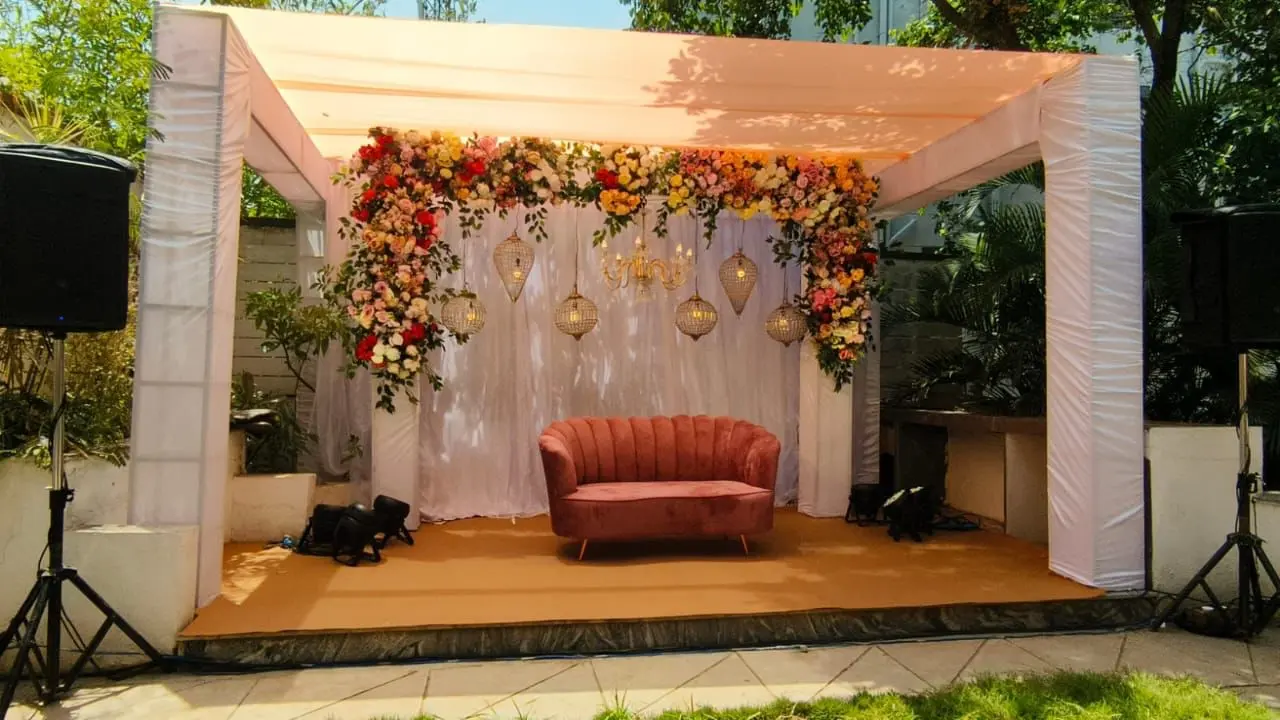

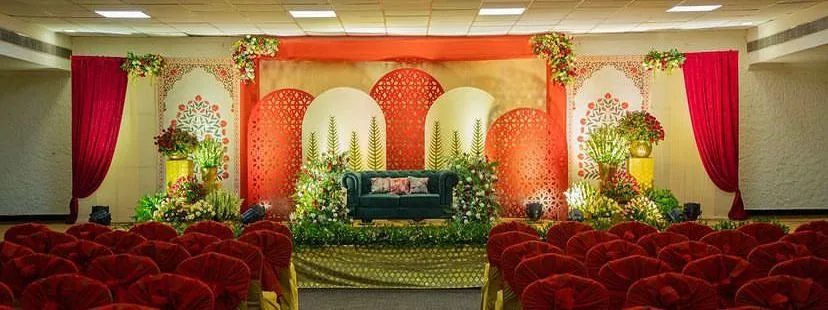
Effective wedding guest list planning starts long before you book a venue by separating your invitees into strict priority tiers based on closeness to the couple and immediate family. Set ground rules early with parents, handle plus-ones logically, and track responses tightly so seating, printing, and space match your final headcount.
Good wedding guest list planning is the single most important step in shaping your celebration, yet it is usually left until the last minute. Every choice you make about venues, printing, and seating flows directly from how many people are walking through the door. If you start with a clear system, you avoid the common panic of ballooning numbers, tight halls, and awkward family conversations. Here is a grounded, practical way to sort your names, set your tiers, and keep the numbers realistic from day one.
Planning this in Pune? See our wedding planners in Pune: one team plans and runs it with you, since 2013.
Building Priority Tiers for Your Crowds
Effective guest management begins by dividing every name into clear priority groups so you do not run out of space or budget. Sit down with both sets of parents and write down everyone you can think of on one master sheet without filtering.
The Three-Tier Rule
Once your master sheet is ready, sort every name into three distinct columns. Tier one includes immediate family, close relatives, and childhood friends who must be in the room. Tier two includes extended family, colleagues, and regular social circles. Tier three includes neighbours, distant acquaintances, and polite invites.
- Tier 1: Non-negotiable attendees whose absence would genuinely break your heart.
- Tier 2: People you see regularly, care about deeply, and want sharing your big day.
- Tier 3: Courtesy invites or people you can comfortably drop if the venue capacity tightens.
Start booking your spaces using only tier one and tier two numbers as your baseline. Only add tier three names if your venue layout and budget have comfortable room to spare after RSVPs roll in.
Navigating Plus-Ones and Family Dynamics
Guest lists often swell because of vague rules around plus-ones and entire households. Set clear guidelines with your families early on so you do not end up paying for empty seats or struggling with overcrowding.
Rules for Partners and Children
Clear communication prevents misunderstandings. Address formal invitations strictly to the individuals invited rather than leaving names open-ended. If someone is married or in a long-term committed relationship, invite them as a unit. For single guests, decide beforehand whether you are offering a plus-one.
- Extend plus-ones only to married couples, engaged partners, or people who have been together for years.
- Decide early if your functions are adult-only or if entire families with children are welcome.
- Communicate family-specific rules gently through elders to prevent direct friction.
Consistency is your best friend here. If you make an exception for one cousin’s casual date, you leave the door open for dozens of similar requests that your venue simply cannot absorb.
Matching Headcounts to Venue Realities
Your estimated numbers dictate where you can celebrate comfortably. Pune traffic and venue capacities mean you have to be realistic about how many people will actually travel and fit into your chosen space.
Comparing Venue Types by Size
Different celebration styles demand different breathing room per guest. A packed banquet hall feels very different from an open lawn where people can spread out.
| Venue Style | Best For | Capacity Planning Tip |
|---|---|---|
| Banquet Hall | Traditional indoor rituals | Keep numbers strictly under the hall’s maximum fire safety limit. |
| Open Lawn | Large evening receptions | Always plan for weather shifts and covered backup areas. |
| Intimate Hotel Space | Close family gatherings | Focus on comfortable seating layouts rather than maximum stuffing. |
Keep local transit realities in mind when finalising locations. If half your guests live on one side of the city and your venue is on the far opposite edge, expect higher drop-off rates and delayed arrivals.
Setting Up an RSVP Tracking System
Guessing how many people will show up leads to wasted stationery, incorrect seating plans, and awkward headcounts. You need a reliable method to track who is coming well before the wedding week.
Digital Tracking Versus Traditional Calls
Relying purely on verbal confirmations usually leaves you guessing until the morning of the event. Use a mix of digital forms and personal phone calls by trusted family members.
- Create a shared digital spreadsheet that tracks name, side of the family, RSVP status, and dietary notes if any.
- Set a strict RSVP deadline at least three weeks before the main events begin.
- Assign specific family members to call unconfirmed guests a few days after the deadline passes.
A firm final count lets you hand exact numbers to your decorator, printing team, and seating coordinators without last-minute panic or wasted materials.
Common Mistakes to Avoid
Even well-organised couples fall into simple traps when building their invitation lists. Knowing these pitfalls in advance saves you money, stress, and seating headaches.
Where Lists Go Wrong
The most common error is inviting people out of guilt or social obligation rather than genuine desire. Another frequent issue is printing physical cards before your list is locked in, leading to expensive reprints.
- Printing exact invitation quantities without keeping a spare buffer for last-minute additions.
- Forgetting to account for people who confirm attendance but drop out on the actual day.
- Failing to coordinate printing requirements with the final verified household count.
Keep your planning circle small. When too many relatives add names to your master sheet, you lose control of both the budget and the intimate feel of your celebration.
A Step-by-Step Order of Work for Your Headcount
Mastering the Chronology of Your Guest Compilation
Starting your invite roster without a structured sequence often leads to massive confusion and endless revisions. Begin by establishing a strict maximum capacity based on your chosen venue limits. Sit down with both sets of parents to gather immediate family and long-standing family friends, putting everyone onto a master spreadsheet. Once the core family circle is locked in, move outwards to close friends, workplace colleagues, and extended relatives.
After drafting the primary list, apply your priority tiers to identify who sits on the waiting list. This chronological approach ensures you never hand out verbal invites before confirming your baseline numbers. Next, establish a firm cutoff date for sending out formal invitations, leaving adequate breathing room to collect physical and digital RSVPs. Remember to cross-verify all spellings and addresses carefully during this phase to avoid embarrassing mistakes on your stationery.
Finally, review the tallied responses against your catering estimates and seating arrangements before making final commitments. By following this systematic order of work, you eliminate last-minute panic and keep your planning journey completely smooth. Plan With YOLO helps you navigate every phase of this timeline, ensuring your celebration runs effortlessly from start to finish.
Key Questions to Ask Before Locking Your Venue Size
Interrogating Venue Capacities Before Signing Agreements
Before putting down a deposit on any celebration space, you must interrogate the venue management regarding their true logistical limits. Ask specifically whether their maximum capacity applies to a sit-down dinner layout or a floating cocktail reception setup, as these configurations require vastly different floor space. Inquire if outdoor lawns and indoor banquet halls can be combined smoothly to accommodate overflow crowds if your tentative headcount runs slightly higher than expected.
You should also clarify how the venue handles minimum guest guarantees and what financial penalties apply if your final turnout drops below that threshold. Understanding their exact policies on vendor meals, children, and high-chair requirements will prevent unexpected space crunches on the actual day. Check if they provide round tables or rectangular setups, as table shapes directly influence how many bodies can comfortably fit inside the room without feeling crowded.
Finally, discuss parking arrangements and valet services to ensure the venue can handle the volume of incoming vehicles without causing traffic bottlenecks. Asking these critical questions beforehand safeguards your comfort and protects your budget from sudden adjustments. Plan With YOLO assists you in evaluating these spatial details, ensuring your chosen venue matches your crowd perfectly.
Let Plan With YOLO Handle Your Celebration Details
Sorting your guest list is just the first step in creating a smooth, memorable celebration. Once your numbers are locked in, managing the decor, seating layouts, and daily logistics requires an experienced team that keeps everything on track. Plan With YOLO brings years of hands-on experience across more than five hundred events, making sure your venue setup matches your exact headcount and vision. Take a look at our wedding planner in Pune services to see how we bring every moving part together, and reach out to ask for an itemised plan tailored to your dates.
Frequently asked questions
When should we finalise our wedding guest list?
You should finalise your main wedding guest list at least six to eight months before your celebration dates. This timeline gives you accurate numbers to book venues, secure appropriate printing, and plan your seating layouts without rushing.
How do we handle uninvited guests who show up anyway?
Keep a small emergency buffer of a few extra seats and place settings at your reception tables. Have a polite family elder or coordinator ready to seat them smoothly without making anyone feel unwelcome.
Should we invite children to evening receptions?
Deciding on children depends entirely on the style of your event and your family's preferences. State your preference clearly on the invitations so parents can plan their childcare arrangements well in advance.
How do plus-ones affect our overall budget?
Plus-ones directly increase your seating requirements, printing quantities, and overall space needed. Restricting plus-ones to married partners or long-term relationships helps keep your numbers practical and manageable.
What is the best way to track RSVPs from older relatives?
Digital forms work well for younger friends, but older relatives usually respond best to a personal phone call. Assign specific family members to call and check in once physical or digital invites have been delivered.

Vicky founded Plan With YOLO in Pune in 2013 and leads the planning on corporate events, weddings and stage production across Maharashtra.