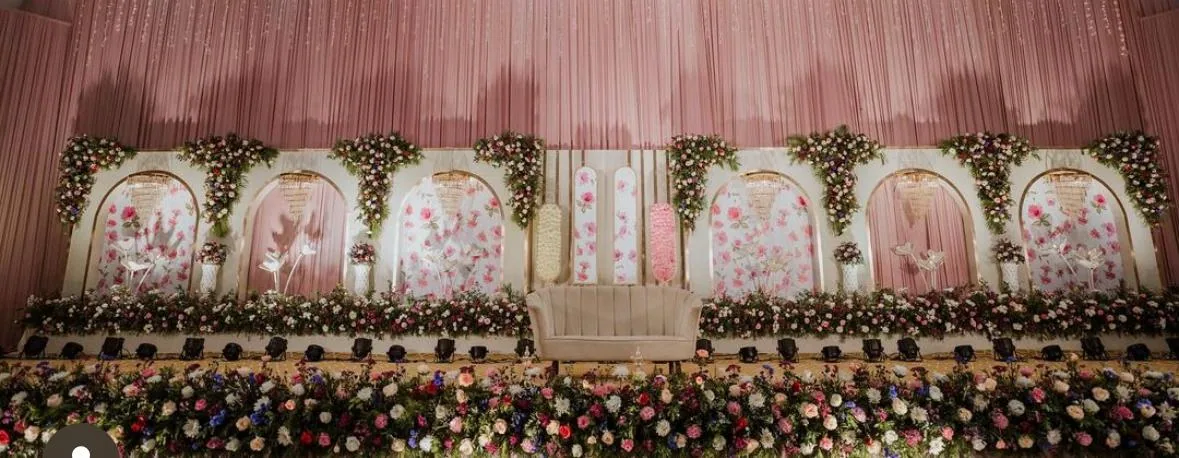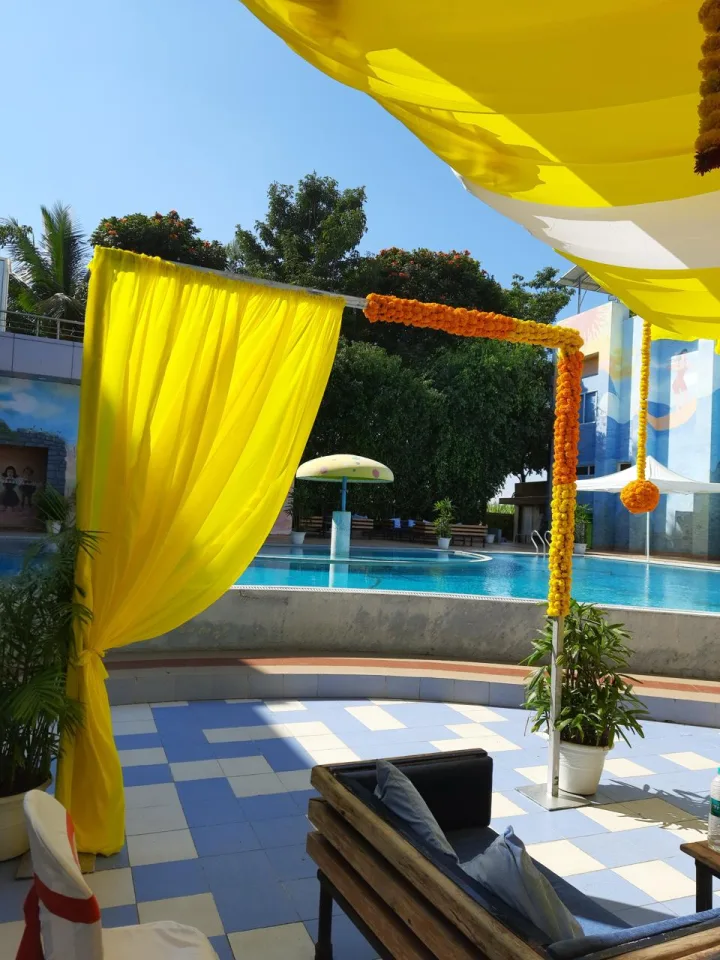

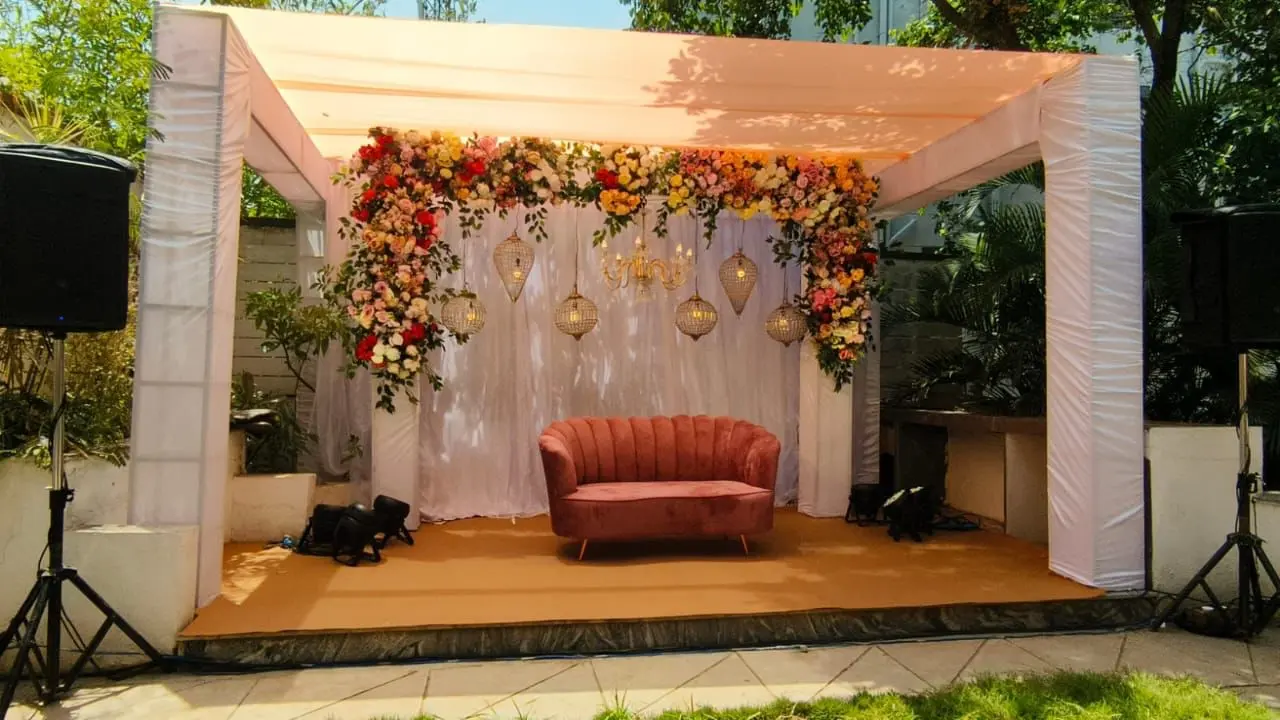
Thoughtful varmala ideas focus on stage height, safe flooring, and clear sightlines so your photographer can capture the moment without blocked views. Whether you want a simple floral backdrop, a grand hydraulic lift, or a classic revolving platform, plan the weight load, entry path, and lighting intensity well before the wedding day.
Finding good varmala ideas means balancing visual drama with the practical realities of a busy Indian wedding. When families gather around the stage for the garland exchange, everything from stage height to lighting glare dictates how the moment looks and feels. If you are planning a celebration in Pune, where open-air lawns and banquet halls present different layout challenges, this guide walks you through stage design, platform choices, safety checks, and photography angles that keep the focus entirely on you.
Planning this in Pune? See our wedding stage decoration in Pune: one team plans and runs it with you, since 2013.
Why Stage Height and Depth Matter for Your Garland Exchange
The height of your wedding stage dictates whether seated guests can see the ritual. Too low, and the front rows block everyone else. Too high, and elderly family members struggle with the steps.
Getting the Dimensions Right
Aim for a stage height of two to three feet for indoor banquet halls. For large lawn setups, three feet works better to ensure visibility across a crowd. Keep the depth at least twelve to fifteen feet. This leaves enough room for heavy floral backdrops, videographers, and family members joining you on stage without crowding.
Managing the Steps
Wide, shallow steps with sturdy side railings prevent trips during heavy silk sarees or sherwanis. Cover wooden steps with non-slip carpet runners, especially if outdoor dew settles on evening lawns.
Comparing Platform Types: Static, Revolving, and Hydraulic Lifts
Choosing the right platform mechanism changes the entire rhythm of your ceremony entry and garland exchange.
A static stage keeps things traditional and steady. A revolving platform adds a cinematic 360-degree view as guests snap photos. Hydraulic lift stages bring you up from floor level for a dramatic entrance.
| Platform Type | Best Used For | Key Considerations |
|---|---|---|
| Static Stage | Traditional rituals, heavy family groups | Simple setup, highly stable, lower cost |
| Revolving Stage | Modern receptions, slow rotation | Requires motor testing, balanced weight |
| Hydraulic Lift | Grand entries, high-impact drama | Needs strict safety locks and backup power |
Always test moving platforms with full wedding attire during the rehearsal to check balance and speed settings.
Lighting Choices That Make or Break Your Ceremony Photos
Bad lighting turns a joyful garland exchange into a silhouetted blur. Work with your technical team to balance ambient hall lights with targeted stage focus.
Avoiding Harsh Shadows
Never place bright spotlights directly behind the stage backdrop unless you want silhouettes. Use diffused front lighting and soft overhead washes. Warm white LEDs highlight skin tones naturally, while harsh colored lights can cast unnatural tints on your face during close-up photos.
Managing Smoke and Cold Pyros
Low-fog effects and cold pyrotechnics look great for photographs, but they require proper ventilation. In enclosed banquet spaces, heavy smoke obscures videography. Keep pyros near the perimeter of the stage, well away from hanging floral arrangements and bridal garments.
Crowd Control and Stage Management During the Ritual
The biggest challenge during the garland exchange is managing the sudden rush of guests onto the stage for photos.
- Designate a specific family member or coordinator to manage stage access.
- Keep the front area clear of heavy furniture, bulky sound monitors, and extra props.
- Plan a clear exit path so relatives can step down quickly after offering blessings.
A well-managed stage keeps the ceremony moving smoothly without awkward delays or crushed decorative elements.
Coordination Timelines and Working with Your Planner
Bringing your stage design together requires tight coordination between decorators, lighting technicians, and your wedding planner in Pune.
The Week Before
Finalise weight limits for hanging floral structures and confirm power backups for moving lifts. Double-check the layout against the venue dimensions.
On the Wedding Day
Allow at least four to six hours before guests arrive for complete installation, structural safety checks, and lighting tests. A dry run ensures every motor, spotlight, and fabric drape is secure before you take your first step onto the stage.
Common Pitfalls to Avoid During Your Garland Exchange
Steering Clear of Common Stage Mishaps
Planning the central ritual involves juggling multiple moving parts, and even well-organized celebrations can run into minor hitches if certain details are overlooked. One frequent oversight involves the footwear chosen by the couple and their family members. High heels often sink into heavy carpets or get stuck in decorative props, making movement awkward while trying to exchange garlands gracefully. Opting for comfortable footwear during the rehearsal helps prevent unexpected stumbles on live camera.
Another common misstep is overcrowding the performance area with too many well-wishers and family members at once. When too many people crowd the riser, photographers struggle to capture clear angles, and the couple ends up feeling boxed in. Establishing a clear protocol with your coordinator regarding who stays on the platform ensures a spacious, breathable setting for everyone involved.
- Forgetting to brief family members about standing positions and timing
- Ignoring the direction of heavy overhead cooling fans that might blow fragile props around
- Failing to test the weight limit of the platform with multiple people standing together
- Overcomplicating the floral backdrop with unstable structures that block movement
By keeping the arrangement streamlined and focusing on smooth transitions, you avoid unnecessary delays and keep the celebration moving at a relaxed, joyful pace.
Essential Questions to Ask Before Booking Your Stage Setup
Securing the Right Technical Details Early
Before finalizing agreements with your setup crew, clear communication regarding technical specifications prevents last-minute surprises. Start by asking about the exact load-bearing capacity of the platform, especially if you plan to incorporate heavy floral installations, multiple family members, and specialized movement mechanisms. Knowing the weight limits ensures complete safety and peace of mind throughout the ceremony.
You should also inquire about power backup arrangements for any motorized or illuminated elements. If a power fluctuation occurs during the main moment, having an immediate backup generator prevents sudden darkness or halts in the musical cues. Clarifying setup timelines, dismantling schedules, and rehearsal allowances with the team ensures that the entire sequence flows without unnecessary stress.
- What is the exact weight capacity of the platform and flooring structure?
- Is there a dedicated power backup for motorized lifts and special lighting effects?
- How much time is required on-site for complete assembly and safety testing?
- What backup arrangements are in place if a mechanical component malfunctions?
- Who manages the on-site technical support during the actual ceremony?
Asking these detailed questions well in advance guarantees that every technical aspect is thoroughly vetted, allowing you to focus entirely on enjoying your celebration.
Plan Your Perfect Wedding Stage With Us
Designing a safe, stunning stage takes careful planning, reliable equipment, and clear coordination from start to finish. Whether you need a grand floral backdrop, custom lighting, or a complete setup handled for you, we are here to help. Explore our dedicated wedding stage decoration in Pune services to see how we bring your vision to life. Connect with our team today to discuss your ideas and request an itemised plan tailored to your celebration.
Frequently asked questions
How high should a wedding stage be for good visibility?
A wedding stage should generally be two to three feet high depending on the venue size and ceiling clearance. This height ensures seated guests can see the rituals clearly while keeping the steps comfortable and safe for elderly family members climbing up to offer blessings.
Are revolving stages safe for the garland exchange ceremony?
Revolving stages are completely safe when installed by experienced technicians with proper weight balancing and speed controls. Always run a trial test with your wedding attire before the ceremony to ensure you feel comfortable standing and turning on the platform.
What lighting works best for stage photography?
Diffused front lighting with warm white LEDs works best for clear, natural stage photography. Avoid harsh backlighting that creates silhouettes, and test any colored spotlights beforehand to ensure they do not cast unnatural color tints on your faces.
How do I stop guests from crowding the stage during the ritual?
Prevent stage overcrowding by assigning a trusted coordinator to manage guest flow and keeping side entry paths clear. Setting up a dedicated photo zone away from the main ritual area also helps direct family members smoothly after the ceremony.
How early should the wedding stage setup be completed?
The wedding stage setup should be fully completed at least four to six hours before guest arrival. This window leaves enough time for structural safety checks, lighting adjustments, and a final walkthrough with your planner.

Vicky founded Plan With YOLO in Pune in 2013 and leads the planning on corporate events, weddings and stage production across Maharashtra.