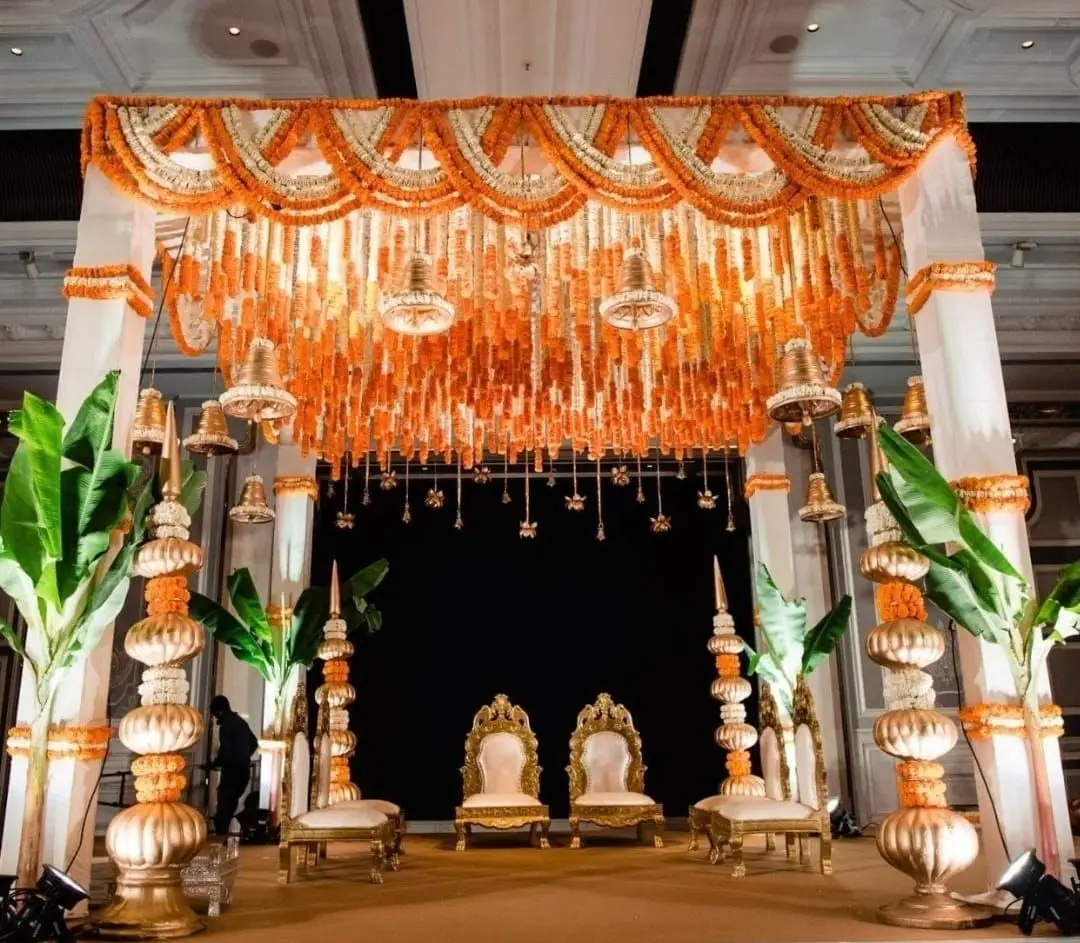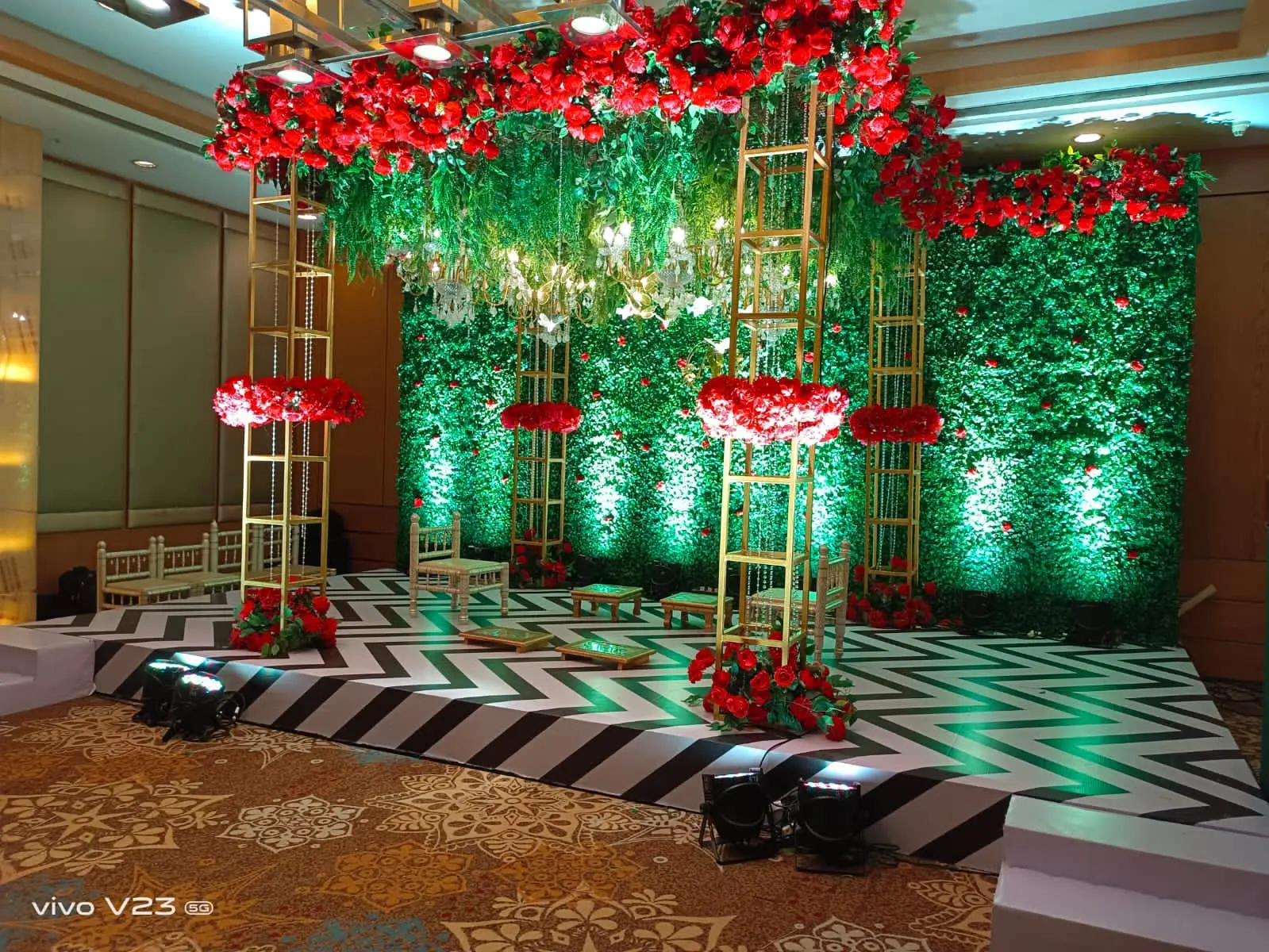


A wedding planner manages your entire journey from conception to execution over many months, while a wedding coordinator steps in during the final weeks to manage the wedding day itself. Knowing the difference helps you choose the right support level for your celebration.
When planning a major family celebration, understanding the wedding planner vs wedding coordinator distinction saves you from hiring the wrong type of help. While people often use these terms interchangeably, their actual roles, timelines of entry, and day-to-day responsibilities differ entirely. One builds the event from a blank sheet of paper over many months, while the other takes your ready plans and runs the actual day without a glitch. Let us look at what each role covers so you can decide which one fits your needs.
Planning this in Pune? See our wedding planners in Pune: one team plans and runs it with you, since 2013.
What Does a Full-Service Wedding Planner Do?
A full-service planner takes charge of the entire lifecycle of your event, starting months before the actual dates. This person sits with your family to map out the vision, design the aesthetics, select the venue, and lock in every crucial detail. You get guidance on budgeting, creative themes, and overall scheduling. Running since 2013, our team has seen how early planning sets the tone for a stress-free celebration.
Core Duties of a Planner
- Budget creation and tracking across all categories
- Venue scouting and contract reviews
- Design, decor styling, and theme finalisation
- Managing all visual and logistical elements
The planner stays with you through every single decision. They act as your primary shield against last-minute chaos, ensuring that your ideas turn into reality without requiring you to make hundreds of individual phone calls every day.
What Does a Day-Of Wedding Coordinator Do?
A day-of coordinator steps in when all the major bookings and creative decisions are already complete, usually a few weeks before the event. Their primary job is execution, not design. They review your existing contracts, check the timeline you have created, and take over running the actual wedding day from morning till night.
What a Coordinator Handles
- Managing the master wedding day schedule
- Directing guests and family members to the right spots
- Handling last-minute timeline shifts
- Guiding the family’s caterer and other hired hands
If you have already booked your venue, finalized your decor, and chosen your outfit designers, a coordinator makes sure that everyone arrives on time and performs their assigned duties correctly on the big day.
Comparing Scope and Timelines
The biggest difference between these two roles lies in when they enter your life and how deeply involved they are in the creative process. A planner works with you for six months to a year, while a coordinator focuses heavily on the final countdown and the event days themselves.
| Feature | Wedding Planner | Wedding Coordinator |
|---|---|---|
| Entry Timeline | 6 to 12 months prior | 4 to 6 weeks prior |
| Design & Styling | Full creation & curation | Execution of your design |
| Vendor Sourcing | Complete research & booking | Managing your booked team |
| Day-of Execution | Fully managed by team | Fully managed by team |
Reviewing this breakdown helps you figure out whether you need someone to build the puzzle from scratch or simply piece it together on the final weekend.
When Should You Hire a Planner?
You should hire a full-service planner if you have a demanding work schedule, little free time, or feel overwhelmed by the sheer volume of choices available. Couples living abroad or in another city often rely entirely on a planner to manage local arrangements.
Signs You Need a Planner
- You have no time for venue visits or design meetings
- You want professional guidance on styling and budgeting
- You are planning a multi-day celebration with complex ceremonies
Having one team manage everything from the initial venue search to the final send-off ensures consistency and peace of mind throughout the journey.
When Should You Hire a Coordinator?
You should hire a coordinator if you love the planning process, have already booked your venues and core suppliers, but simply want to enjoy your own wedding day without holding a walkie-talkie or a clipboard.
Signs You Need a Coordinator
- All major bookings are already done by you
- You want a professional to handle day-of logistics
- You refuse to let family members run around solving problems on the wedding day
A coordinator ensures that you, your parents, and your siblings get to be guests at your own celebration rather than unpaid event managers.
How Pune Venues and Logistics Affect Your Choice
Planning an event in cities like Pune brings specific local challenges, such as navigating peak traffic around areas like Kothrud or Baner during mahurat seasons, and coordinating with venue managements regarding sound permits and parking rules.
Whether you choose a sprawling lawn on the outskirts or a traditional banquet hall in the city, local experience matters immensely. A professional team knows how to handle municipal permissions, venue turnaround times, and local weather changes, keeping your celebration smooth from start to finish.
Critical Questions to Ask Before Booking Your Support
Knowing What to Ask
Before you finalize any professional support for your celebration, you need absolute clarity on their operational boundaries. Many couples assume a hired professional handles everything by default, leading to misunderstandings on the actual day of the event. Asking the right screening questions ensures you match your exact requirements with the correct level of expertise.
Start by clarifying their exact timeline for involvement. Does their service begin immediately upon signing, or do they step in only during the final weeks? Understand how they manage communication, response times, and whether they attend critical venue walkthroughs alongside you. In city settings with unique access rules, you must ask how they handle last-minute vendor dropouts, unexpected weather shifts, and strict noise curfews imposed by management.
- What specific month or date does your hands-on involvement officially begin?
- How many on-site team members will be present to manage the entire event schedule?
- Who specifically takes charge if an unexpected emergency arises during the ceremony?
- What is your exact policy on coordinating outside styling teams and external decorators?
Finally, always request detailed references from past events hosted at similar venues. Understanding how they handle high-pressure environments will give you peace of mind as your celebration approaches.
Event Scale Matters: Small Gatherings Versus Large Celebrations
Adapting Support to Guest Count and Complexity
The total guest count and the physical scale of your venue heavily influence the type of professional assistance you require. An intimate gathering with a handful of close family members presents vastly different logistical challenges compared to a massive multi-day celebration hosting hundreds of guests across sprawling lawns.
For smaller, intimate events, the scope of work is often focused on subtle styling touches, smooth guest arrivals, and managing a tight dinner flow. Because the moving parts are fewer, many couples opt for a lighter touch of professional coordination to manage the final timeline, allowing them to enjoy the day without stress. Conversely, large celebrations require extensive logistical frameworks long before the big day arrives. Managing complex seating charts, massive guest transportation schedules, and intricate decor setups demands deep strategic planning from the very beginning.
- Intimate celebrations focus heavily on guest comfort, personal touches, and relaxed hospitality flow.
- Large events require strict crowd management, multi-zone security, and synchronized vendor arrivals.
- Destination-style setups within the city need dedicated liaison work between local authorities and out-of-town guests.
- Complex multi-event timelines demand dedicated staff rotations to ensure high energy levels throughout.
Matching your support team to the true scale of your event guarantees that every logistical hurdle is anticipated and handled professionally, no matter how many guests attend.
Ready to Plan Your Big Day?
Deciding between full support and day-of management depends entirely on how much time you have and what you have already accomplished. If you want experienced professionals to handle your celebration from start to finish, explore our dedicated wedding planner in Pune services. Reach out to us today to share your dates and ask for a detailed, itemised plan tailored specifically to your family’s needs.
Frequently asked questions
What is the main difference between a wedding planner and a coordinator?
A wedding planner manages your entire journey from conception to execution over many months, while a coordinator steps in during the final weeks to manage the wedding day itself and ensure all pre-set plans run smoothly.
Can I hire a coordinator if I have already booked my venue?
Yes, hiring a coordinator is ideal if you have already booked your venue and key suppliers, but want an experienced professional to take over the schedule and run logistics on the actual wedding days.
When should I hire a full-service wedding planner?
You should hire a full-service wedding planner six to twelve months before your event if you have a busy schedule, want expert design guidance, or need help sourcing and managing every single supplier.
Does a wedding coordinator handle decor setup?
A wedding coordinator manages the setup according to your pre-existing instructions and timeline, whereas a full-service wedding planner conceptualises and designs the entire aesthetic and theme from scratch.
Will a planner or coordinator handle catering?
Neither a planner nor a coordinator handles actual food preparation, but your planner will coordinate closely with the family's chosen caterer to ensure timely service and proper dining area setup.

Vicky founded Plan With YOLO in Pune in 2013 and leads the planning on corporate events, weddings and stage production across Maharashtra.