
Planning great floral wedding decor starts with understanding local weather, choosing seasonal blooms that survive heat, and balancing fresh flowers with structural elements to keep your venue looking fresh from morning rituals to evening receptions.
When you are planning floral wedding decor for your celebration, small choices make a huge difference in how your venue looks and feels. Pune weather can test even the sturdiest petals, especially during afternoon pheras under open sky lawns. Getting the details right means combining what looks beautiful in photographs with what actually stays crisp through hours of rituals, guests arriving, and changing temperatures. Since 2013, we have planned, set up, and run over five hundred events, learning firsthand how different materials behave in local conditions.
Planning this in Pune? See our wedding decorators in Pune: one team plans and runs it with you, since 2013.
Choosing Between Fresh Flowers and Artificial Elements
Deciding between fresh blooms and artificial alternatives is usually the first big choice you will make for your setup. Fresh flowers bring natural fragrance, texture, and a soft depth that manufactured materials cannot fully replicate. However, delicate varieties droop quickly when exposed to direct sunlight during daytime functions.
When to Use Fresh Blooms
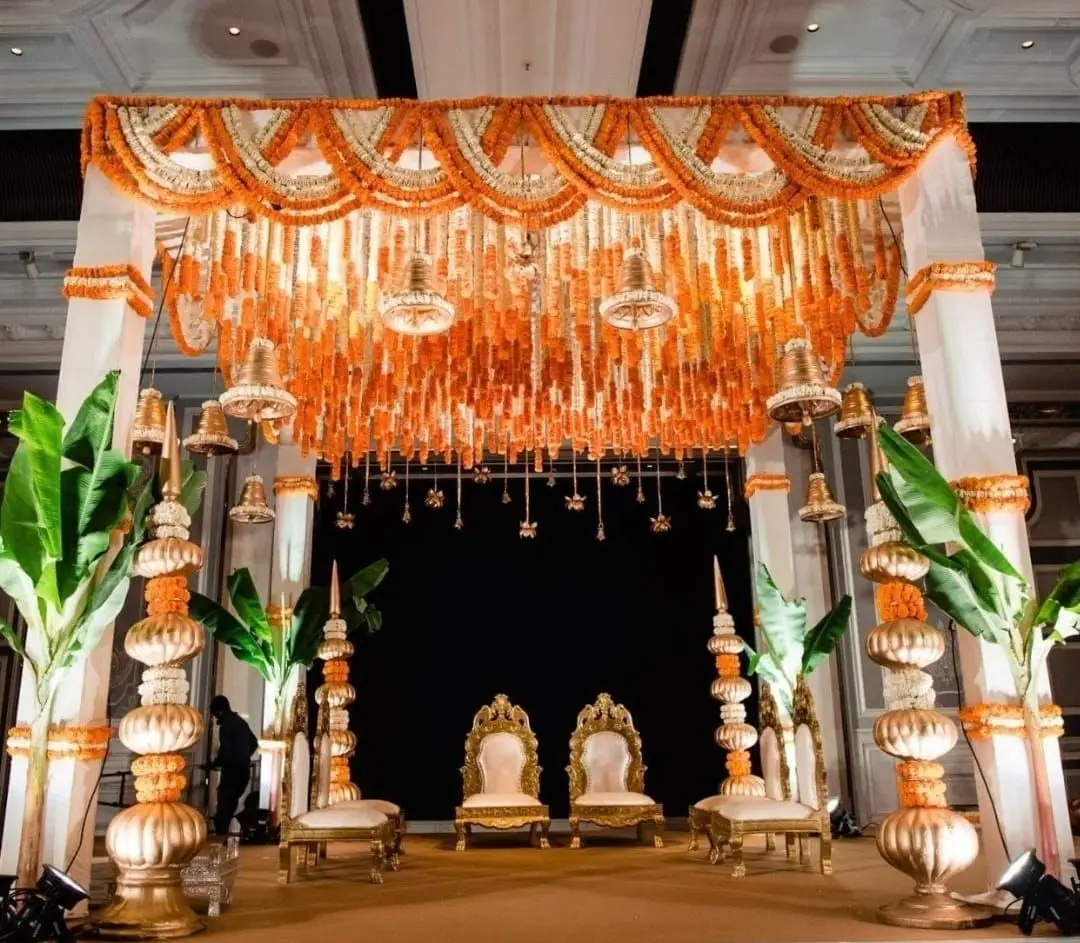
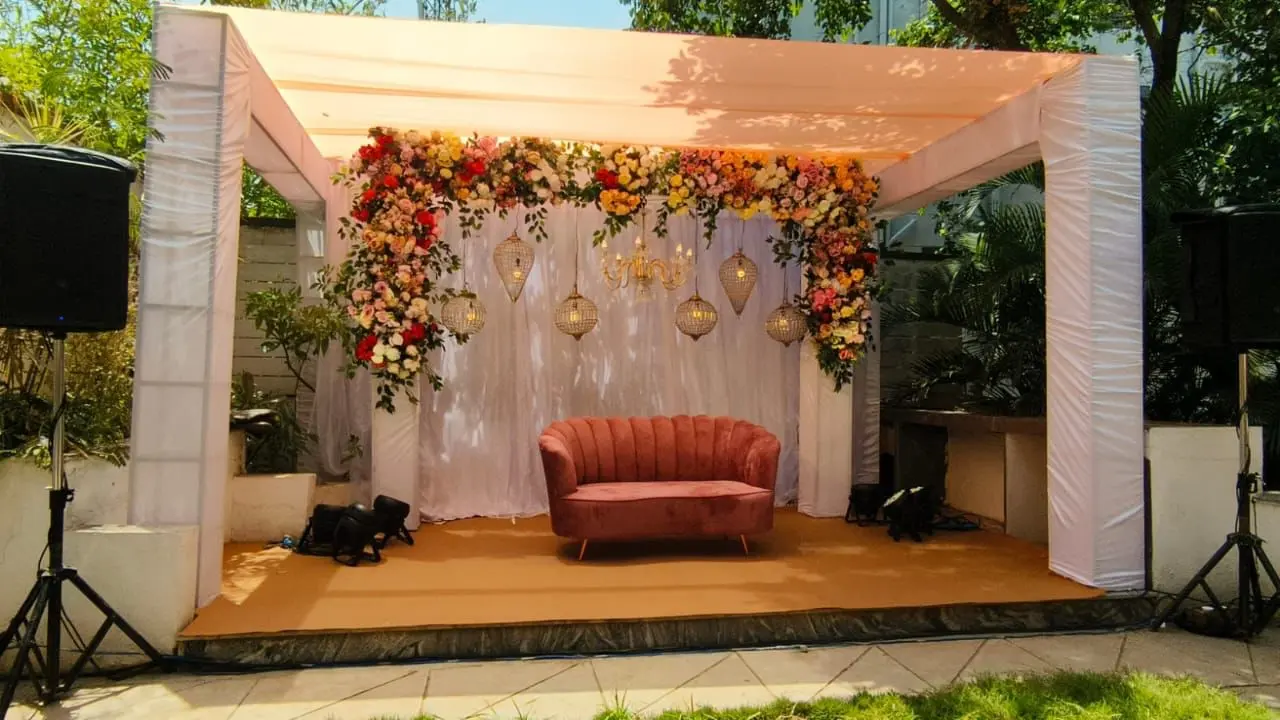
Use fresh flowers for key focal points where guests get a close-up view. The mandap pillars, the main seating sofa, welcoming entrance arches, and the bridal table benefit immensely from real roses, tuberoses, and orchids. Their natural charm creates an authentic, warm atmosphere.
When to Rely on Artificial Elements
Sturdy artificial fillers, fabric foliage, and high-grade silicone petals work best for large overhead canopies, deep background drapery structures, and high outdoor arches exposed to harsh winds or glaring sun. They do not wither, they keep their color uniform, and they let you achieve massive volume without worrying about wilting halfway through the evening.
Selecting Seasonal Flowers That Handle the Heat
Matching your flower choices to the local season keeps your budget sensible and your arrangements looking healthy. Importing out-of-season blooms often leads to premature wilting and unnecessary expenses.
Reliable Choices for Pune Weather
Traditional Indian staples like marigold (genda), jasmine (mogra), chrysanthemums (sevanti), and tuberoses (rajnigandha) handle local climate shifts remarkably well. They hold their shape through long ceremonies and resist moderate heat.
Handling Delicate Varieties
If you love exotic orchids, hydrangeas, or baby’s breath, plan them carefully. Keep them hydrated with concealed water tubes, place them in shaded zones like banquet halls, or reserve them for air-conditioned indoor reception spaces rather than open lawns.
| Flower Type | Best Used For | Heat Resistance |
|---|---|---|
| Marigold | Mandap, Entrance, Haldi | High |
| Tuberose | Garlands, Strings, Backdrops | High |
| Roses | Stage, Seating, Arches | Medium |
| Hydrangea | Indoor Tables, Reception | Low |
Designing for Different Venue Types
The layout and physical structure of your venue dictate how flowers should be arranged. An enclosed banquet hall behaves entirely differently from an open lawn or a heritage courtyard.
Banquet Halls and Indoor Spaces
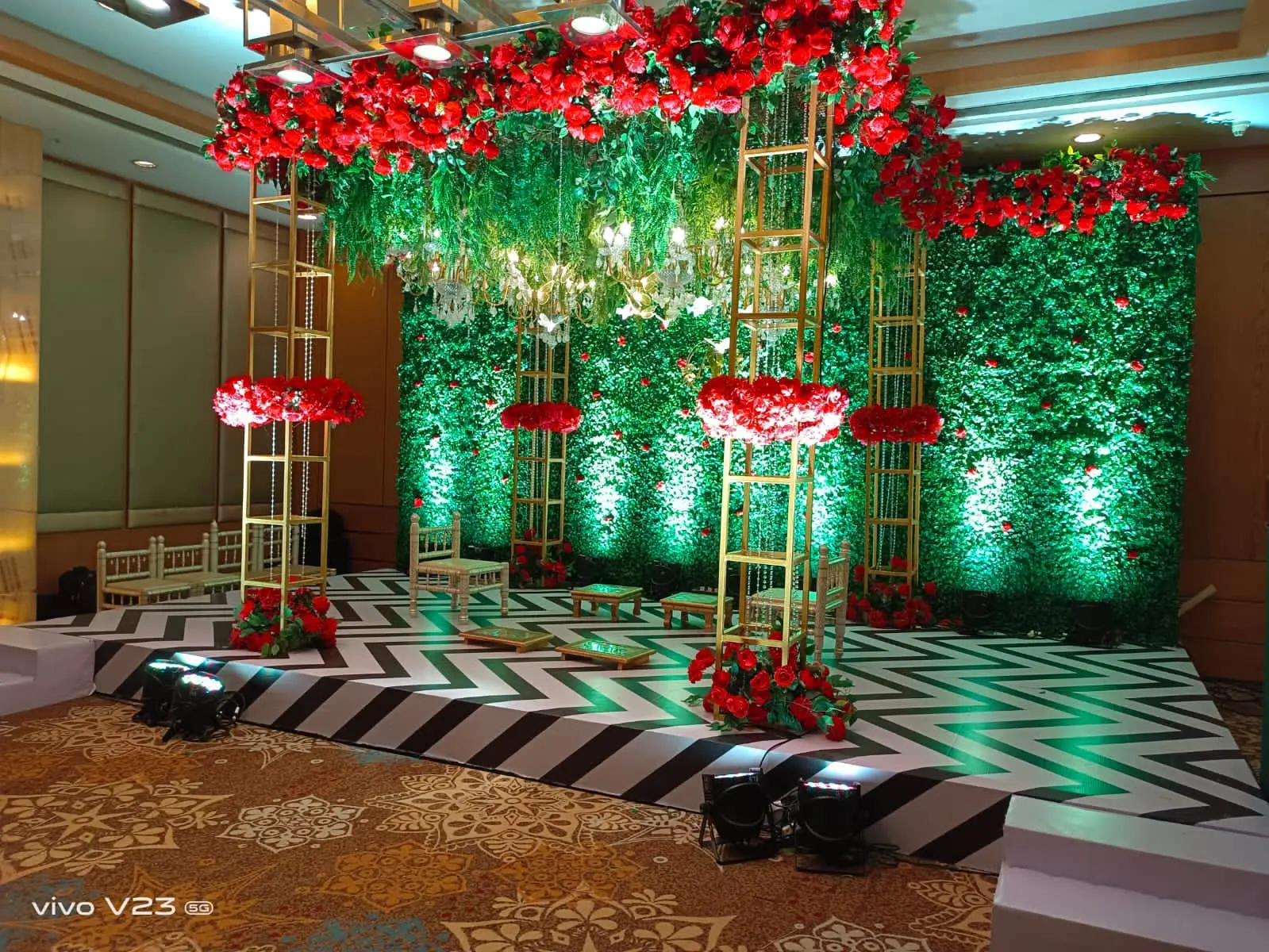
Indoor venues allow for delicate floral installations, hanging chandeliers wrapped in greenery, and intricate table centerpieces. Because indoor temperatures are controlled, you have a much wider choice of delicate blooms that stay fresh without constant misting.
Open Lawns and Outdoor Gardens
Outdoor lawns require sturdy framing and heavy bases to support floral structures against evening gusts. Focus floral density at eye level and around seating zones where guests will notice them, rather than spreading thin arrangements across vast open grounds.
Timeline and Coordination for Flower Delivery
Timing is everything when working with perishable materials. Flowers cannot be set up days in advance if they need to look vibrant on the actual wedding day.
The Setup Schedule
Fresh floral delivery typically arrives at the venue in the early hours of the morning or late night before the function. One team, one point of contact handles the receiving, sorting, and immediate assembly so that staging is complete well before the first guests arrive.
Coordination with Other Elements
Your decorator must coordinate closely with lighting technicians. Bright halogen or LED focus lights generate significant heat, which can dry out delicate petals within hours. Positioning lights at a safe distance protects the arrangement’s freshness.
Common Mistakes to Avoid in Floral Planning
A few simple planning errors can ruin an otherwise carefully designed venue. Avoiding these pitfalls saves time, money, and stress on your wedding day.
- Overcrowding fragile blooms: Forcing delicate flowers into unshaded outdoor spots leads to quick wilting.
- Ignoring color contrast: Dark stage backgrounds can swallow deep red or purple flowers; always pair contrasting tones.
- Last-minute changes: Altering floral quantities on the morning of the event creates chaos for the setup crew.
- Forgetting disposal plans: Decide beforehand who takes home the remaining fresh flowers after the celebrations end.
Balancing Budget and Visual Impact
You do not need to cover every square inch of a venue with expensive flowers to make a grand visual impression. Strategic placement creates a luxurious feel without unnecessary waste.
Concentrating on Key Zones
Allocate your floral budget to areas that draw the most attention: the welcome entrance, the main ceremony mandap, and the couple’s reception stage. Secondary seating zones can rely on simpler foliage and fabric drapes.
Blending Foliage and Blooms
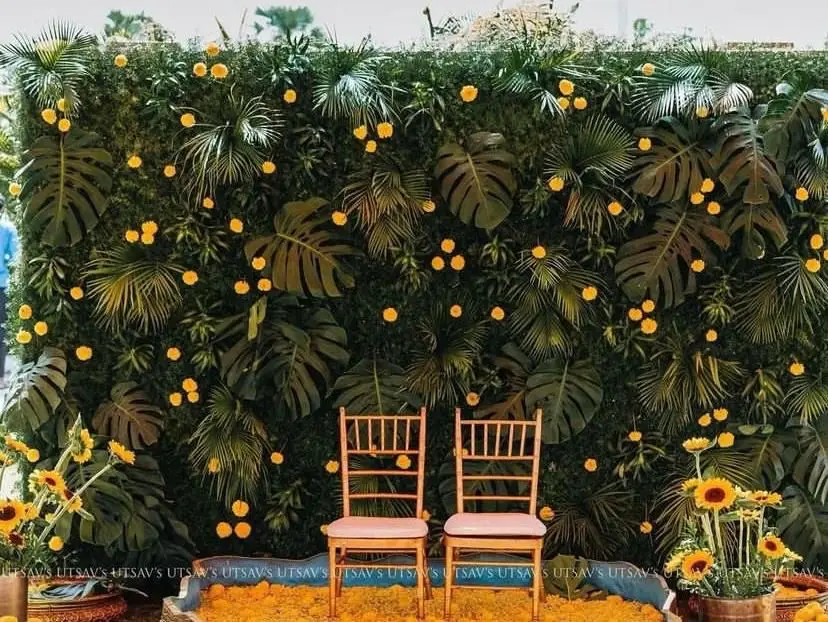
Using lush green leaves, ferns, and banana stems alongside flowers creates texture and volume while keeping costs manageable. Greenery fills gaps naturally and frames the colorful blooms beautifully.
What to Ask Before Booking Your Floral Designer
Critical Questions for Your Consultation
Securing the right professionals for your celebration requires asking the exact right questions during initial meetings. Beyond simply viewing a portfolio of past weddings, you must understand how a team handles real logistical challenges on the actual wedding day. Clear communication ensures there are no surprises when you arrive at your venue.
- Can you provide examples of how you handle sudden weather changes or extreme heat during outdoor ceremonies?
- Do you source blooms locally, and what is your backup plan if specific varieties are unavailable at the last minute?
- How do you coordinate setup and teardown times with the venue management team and other styling partners?
- Will you be present on-site throughout the entire event, or is a separate crew managing the execution?
Asking these practical questions helps you gauge the reliability and experience of the design team. A professional planner associated with Plan With YOLO always recommends clarifying the exact scope of responsibility for setup and removal before signing any agreements. Knowing who is in charge of maintenance during long hours in warm weather gives you complete peace of mind, allowing you to immerse yourself fully in your special celebration without worrying about drooping petals or misplaced centerpieces.
A Worked Example of the Wedding Day Flower Timeline
Step-by-Step Flow of Floral Execution
Understanding the chronological order of work on the wedding day helps you coordinate smoothly with all styling teams. A structured timeline ensures every stage—from early morning arrivals to late-night teardowns—happens smoothly without rushing other vital wedding preparations.
- Early Morning (Sunrise): Delivery trucks arrive at the venue with fresh blooms packed in temperature-controlled transport to prevent heat stress.
- Morning Prep: The core design crew begins constructing large structural pieces like stage backdrops and entrance arches while the space is still cool.
- Midday Styling: Table centerpieces, smaller arrangements, and hanging installations are placed carefully just a few hours before guest arrival.
- Post-Event Teardown: Designated crew members return after the celebrations conclude to dismantle structures and clear the venue efficiently according to guidelines.
Following this structured sequence guarantees that your venue looks immaculate right as the first guests walk through the doors. When you orchestrate these logistical details carefully with the guidance of Plan With YOLO, the entire styling process runs like clockwork, leaving your celebration looking breathtaking from the first greeting until the very last dance of the evening.
Plan Your Celebration With Confidence
Bringing your ideal wedding atmosphere together takes careful planning, reliable execution, and attention to local details. Whether you are envisioning a traditional mandap or a contemporary reception stage, having an experienced team makes all the difference. Explore our wedding decorators in Pune service page to see how we bring these setups to life. Get in touch with us to discuss your ideas and request an itemised plan tailored to your venue and dates.
Frequently asked questions
How early should fresh flowers be set up for a wedding?
Fresh flowers are usually arranged on the morning of the event or late the previous night, depending on the function schedule. This ensures maximum freshness and prevents wilting before guests arrive.
Can fresh flowers survive an outdoor lawn wedding in the afternoon heat?
Hardy local flowers like marigolds and tuberoses handle afternoon heat well, but delicate blooms require shaded placement, water tubes, or artificial alternatives to prevent quick withering under direct sunlight.
Is it better to mix fresh and artificial flowers in wedding decor?
Mixing fresh and artificial elements offers a practical balance, using real blooms for close-up areas like mandap pillars and bouquets, while durable artificial materials handle large overhead structures.
How do stage lights affect fresh floral arrangements?
Bright spotlights generate significant heat that can dry out and wither fresh petals within hours. Decorators must position lighting at a safe distance or use cool-toned LED fixtures.
What are the best seasonal flowers to use in Pune weddings?
Traditional Indian varieties like marigolds, chrysanthemums, tuberoses, and jasmine are reliable seasonal choices that handle local weather shifts and stay fresh throughout long ceremonies.

Vicky founded Plan With YOLO in Pune in 2013 and leads the planning on corporate events, weddings and stage production across Maharashtra.