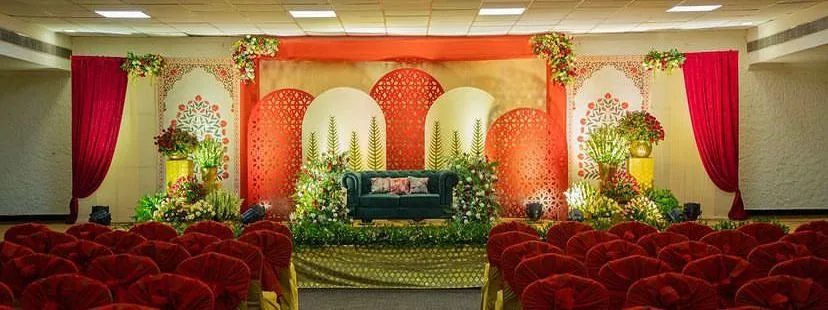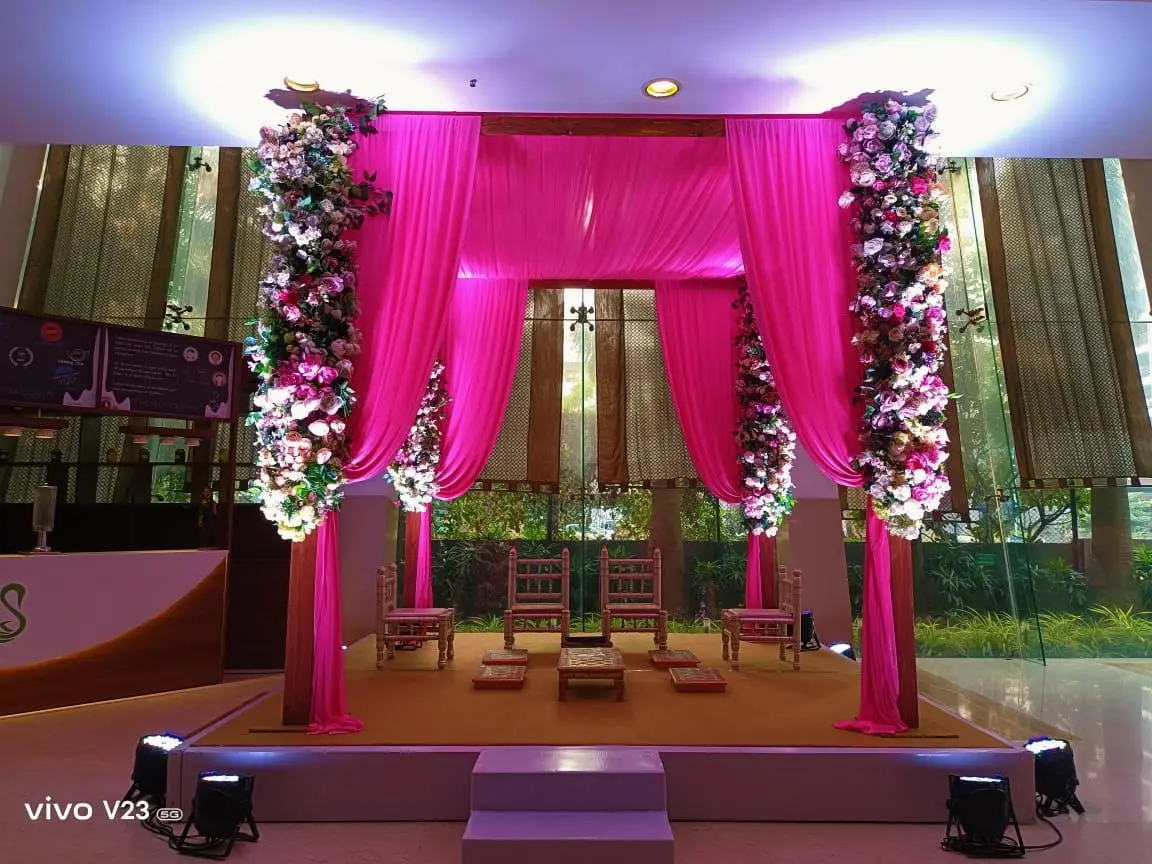

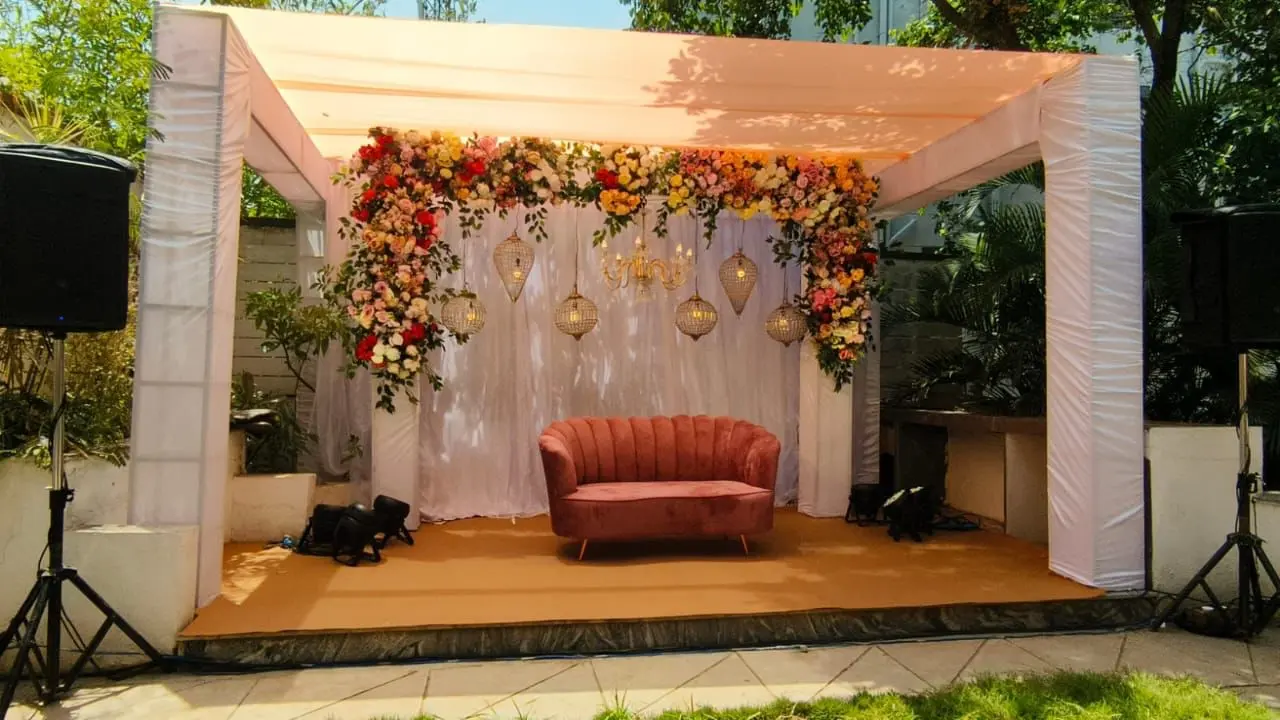
Embracing minimalist wedding decor means choosing fewer, high-impact design elements, leaving generous empty space, and using warm, focused lighting to create a clean and elegant atmosphere. Instead of crowding every corner with flowers and drapes, you highlight specific focal points like the stage or entrance, allowing the natural architecture of your venue to shine through.
Embracing minimalist wedding decor means choosing fewer, high-impact design elements, leaving generous empty space, and using warm, focused lighting to create a clean and elegant atmosphere. When you strip away heavy fabrics and cluttered props, your celebration feels intentional, calm, and deeply personal. Whether you are hosting a small gathering in a cozy banquet hall or an evening reception on an open lawn, scaling back lets the true beauty of the day stand out clearly for you and your guests.
Planning this in Pune? See our wedding decoration themes: one team plans and runs it with you, since 2013.
Why Less Truly Means More in Wedding Design
When you fill every square foot of a venue with flowers, drapes, and hanging props, the human eye gets tired quickly. Guests struggle to focus on what matters. Minimalist styling respects the architecture of the room or the open skies of a lawn.
Focusing on Impact Over Volume
Instead of placing small, busy arrangements on every single table, you invest in one striking centerpiece or keep tables clean with tall glass cylinders and simple floating candles. This approach stops guests from knocking over floral tubs while talking across the table.
The Power of Negative Space
Empty space is not a flaw in your design; it is a design tool. Leaving areas unadorned gives the eye a place to rest. It makes crowded venues feel larger and airy, which your guests will appreciate when moving around comfortably.
Choosing Fewer, Bigger Statement Pieces
Clutter often comes from trying to decorate every corner with dozens of small items. A cleaner aesthetic relies on a few large, well-placed installations that anchor the entire space immediately upon entry.
Where to Place Your Main Installations
Pick two or three spots that genuinely draw attention. The entry gate, the main stage, and perhaps the dining buffet area are enough. Let the transit zones remain simple without extra arches or hanging lanterns.
Material Choices That Stand Out
Using single-material concepts works wonders. A massive wooden frame with a single sweeping floral vine looks far more expensive and intentional than a mix of plastic grass, cheap satin drapes, and mismatched props. Quality beats quantity every single time when you scale back decoration elements.
How Lighting Carries the Entire Aesthetic
When you remove heavy fabrics, lighting becomes the primary decorator of your venue. Poor lighting will make a minimal setup look unfinished, while warm, layered lighting transforms simplicity into pure elegance.
Layering Your Light Sources
Combine ambient overhead wash lights with concentrated pin-spotting on your floral arrangements and dining tables. Avoid harsh white tube lights entirely. Warm amber tones make skin look great and turn simple white drapes into glowing textures.
Candles and Fairy Lights
Thousands of small fairy lights strung closely together create a starry ceiling effect without heavy props. Glass-enclosed candles placed safely along pathways add a soft, flickering glow that welcomes people gently as evening falls.
Comparing Traditional Clutter Versus Clean Styling
Understanding the difference between heavy traditional setups and paired-down aesthetics helps you explain your vision clearly to your planning team.
| Design Element | Traditional Heavy Styling | Minimalist Approach |
|---|---|---|
| Stage Backdrops | Dense multi-color fabrics and plastic panels | Clean wooden slats with one bold floral crescent |
| Table Centerpieces | Large heavy vases blocking eye contact | Low glass bowls with floating candles and greens |
| Lighting | Bright colored LED pars flashing rapidly | Warm white washes and steady amber spotlights |
| Entrance Gate | Massive thermocol and artificial flower walls | Simple arched frame with natural foliage |
Practical Steps to Plan Your Clean Aesthetic
Transitioning from a heavily decorated vision to a streamlined look takes discipline during the planning phase. Here is how to keep your design focused from start to finish.
Start With Your Venue’s Natural Strengths
If your venue features exposed brick walls, stone flooring, or beautiful garden trees, do not cover them up with drapes. Use lighting to highlight those natural textures instead of hiding them behind artificial walls.
Edit Your Mood Board Ruthlessly
Every time you find an image you love, ask yourself if it serves a real purpose. If an item is purely decorative and adds visual noise, cross it off your list. Share this refined mood board with your wedding decorators in Pune to ensure everyone stays on the same page.
Avoiding Common Pitfalls in Simple Styling
Simple does not mean cheap, and it certainly does not mean unfinished. Falling into certain traps can make a minimal setup look neglected rather than curated.
The Trap of Looking Empty
There is a fine line between minimalist and incomplete. If you remove too much, the venue feels barren. Balance the reduction of props by upgrading the quality of what remains, such as choosing premium fabrics and fresh blooms.
Forgetting Guest Comfort
Never sacrifice practical comfort for the sake of aesthetics. Seating must remain comfortable, pathways must stay wide enough for movement, and signage must be easy to read in the chosen lighting conditions.
What to Ask Before Booking Your Clean Styling Elements
Knowing Your Questions
Before you finalise any design rentals or structural rentals for your celebration, you need absolute clarity from your styling team. A clean, uncluttered visual approach relies heavily on precise placement and spatial management. If you ask the right questions early, you avoid last-minute clutter and ensure your aesthetic vision remains intact without unnecessary additions creeping in.
The Essential Checklist
- Can the production crew handle complete site clearance before the main ceremony begins?
- Are the statement structures sturdy enough to stand independently without extra decorative props?
- How does the team plan to manage cable management for lighting setups without ruining open sightlines?
- Is there a strict limit on the number of smaller decorative accents brought to the venue?
- How will the layout adapt if weather changes force an indoor shift?
By addressing these points during your initial discussions, you protect the breathing room of your venue spaces. Every element you approve must serve a distinct purpose, either structural or atmospheric, leaving no room for filler items that compromise the refined look you want to achieve.
How Scale Shifts Between Intimate Gatherings and Grand Celebrations
Adapting to Venue Size
Applying a restrained styling philosophy looks entirely different depending on your guest count and venue dimensions. For a smaller gathering, your primary focus should be on intimacy and warmth. You can rely on a single oversized floral arrangement or a striking architectural arch to anchor the entire room, ensuring the space feels cozy rather than stark. The lack of crowd density means every single open corner contributes to the peaceful ambiance.
Scaling Up Gracefully
When you scale the guest list to a massive crowd, maintaining that same sense of breathing room requires a strategic shift in perspective. Instead of relying on tiny accents across numerous tables, you must think in grand gestures. Utilize soaring height rather than horizontal spread. Tall, slender pillars and focused pin-spot lighting create vertical drama, drawing the eye upward and away from the density of the seating below. This maintains the clean aesthetic effortlessly, even in a vast ballroom or sprawling lawn.
Ultimately, the core principle remains identical regardless of scale. Whether your guest list is compact or expansive, resist the urge to fill every empty square foot. Let the architecture of the venue breathe, use purposeful lighting to define zones, and trust that restraint communicates elegance far better than abundance ever could.
Bring Your Clean Design Vision to Life
Creating a balanced, uncluttered celebration requires careful coordination between your venue layout, lighting plan, and floral arrangements. We plan, set up and run your entire celebration with one dedicated team and a single point of contact. Explore our wedding decoration themes to see how we bring clean, elegant styles to life. Reach out to us today to share your ideas and ask for an itemised plan tailored specifically to your venue and guest count.
Frequently asked questions
Does choosing minimalist wedding decor save money?
Choosing a stripped-down aesthetic can reduce costs on bulky props and heavy fabrics, but savings often shift toward higher-quality materials, better lighting equipment, and skilled labor. Because every single element remains visible in an open layout, the items you do choose must be of good quality.
How do I keep a minimal wedding setup from looking empty?
You prevent an empty look by focusing on high-quality materials and warm, layered lighting instead of sheer volume. Filling the room with amber wash lights, candlelight, and well-placed focal installations adds warmth and visual weight without adding physical clutter.
Can I use bright colors with minimalist wedding decor?
Bright colors work wonderfully as long as you use them with restraint and discipline. Instead of mixing five different bright shades, pick one strong color like marigold orange or deep magenta and pair it with neutral whites, greens, or natural wood tones.
What is the most important element in a simple wedding design?
Lighting is unquestionably the most critical element when you strip away heavy props. Without thoughtful lighting design, clean walls and open spaces can look stark and uninviting once the sun goes down.
How early should I finalize my decoration theme?
You should finalize your decor theme at least three to four months before the event date. This lead time allows your planning team to source specific materials, book specialized lighting equipment, and coordinate venue access timings smoothly.

Vicky founded Plan With YOLO in Pune in 2013 and leads the planning on corporate events, weddings and stage production across Maharashtra.