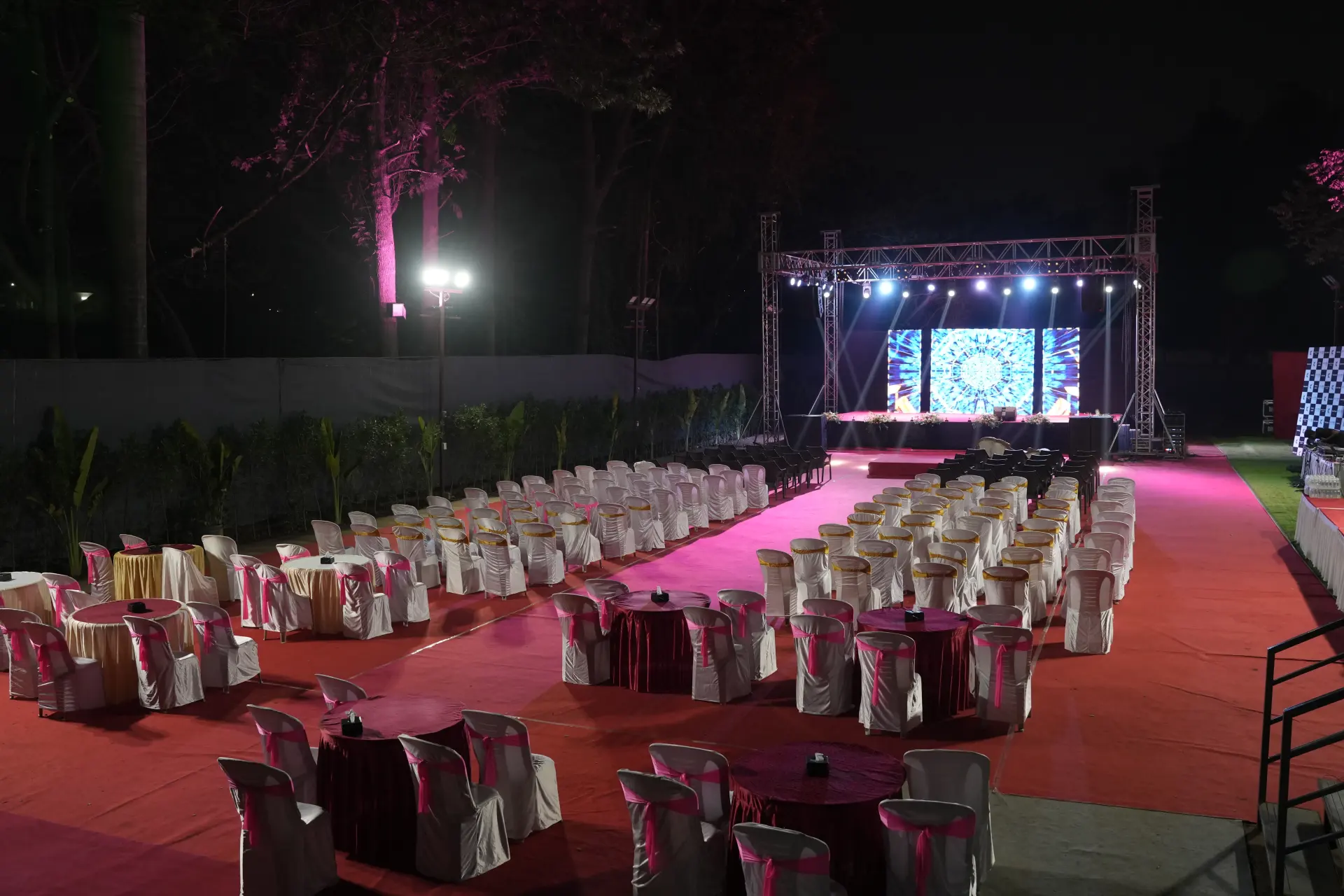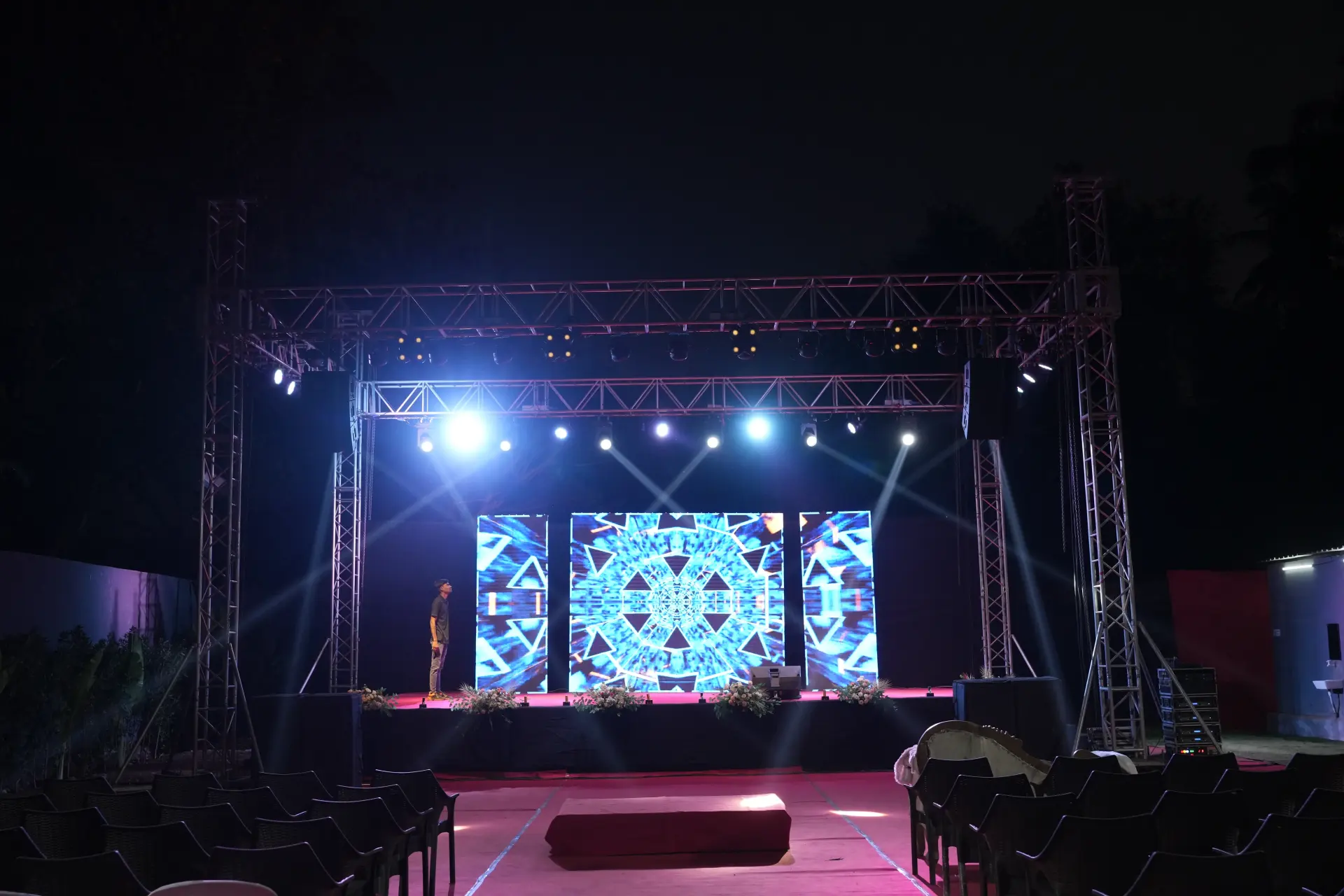
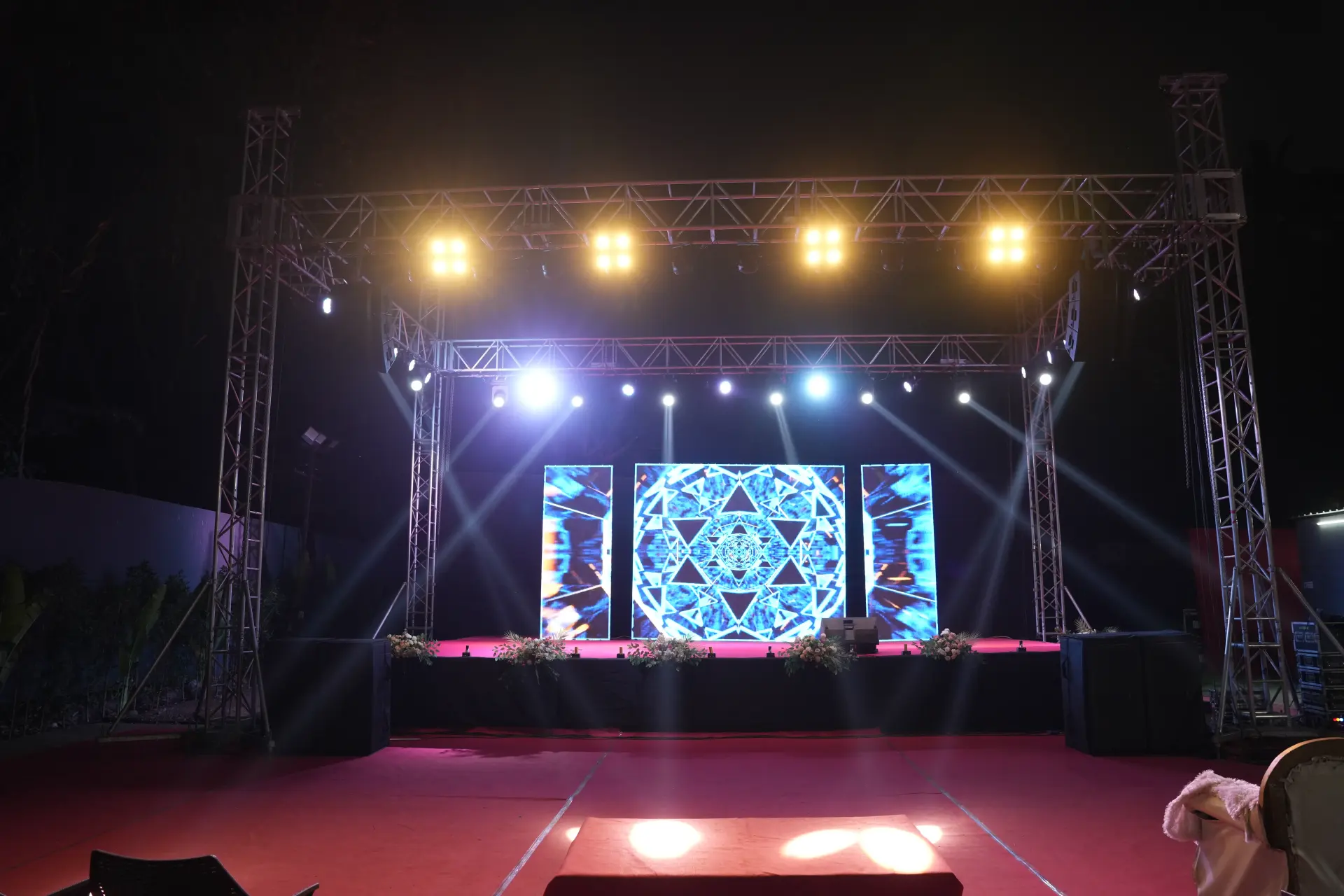
Events are commonly grouped into corporate events (conferences, dealer meets, annual days), social events (weddings, birthdays, anniversaries), promotional events (product launches, brand activations), cultural and educational events (college fests, exhibitions), sports events and virtual or hybrid events. Each type differs in audience, goal, budget and the production it needs.
Ask ten people what an event is and you will get ten answers, from a birthday in a living room to a three-day conference. In event management, the type of event decides almost everything else: who plans it, how long it takes, what it costs and what can go wrong. This guide explains the different types of events, gives real-world examples of each, and shows how the type changes the way you plan.
What counts as an event
An event is a planned gathering of people, at a set time and place or online, organised for a specific purpose.
That purpose is what separates an event from a normal day. A team lunch is a meal. A team lunch with a theme, an awards segment and a photographer is an event. Every event has four things in common:
- A goal: celebrate, inform, sell, train, connect or entertain.
- An audience: employees, customers, family, students, fans or the public.
- A time and place: a venue, an outdoor site, an online platform or a mix.
- A plan: a budget, a programme and the people who make it happen.
The main types of events at a glance
Most events fit into one of seven broad types. The table below sums them up before we look at each one.
| Type | Examples | Main goal | Typical audience |
|---|---|---|---|
| Corporate | Conferences, seminars, dealer meets, annual days, offsites | Inform, align, reward | Employees, partners, clients |
| Social and private | Birthdays, anniversaries, reunions, private parties | Celebrate | Family and friends |
| Weddings and family functions | Engagement, haldi, mehendi, sangeet, wedding, reception | Celebrate and follow tradition | Extended family and guests |
| Promotional and brand | Product launches, mall activations, roadshows, exhibitions | Create awareness and sales | Customers and the public |
| Cultural and educational | College fests, school annual days, festivals, workshops | Perform, learn, celebrate culture | Students, parents, communities |
| Sports | Corporate sports days, tournaments, marathons | Compete and bond | Players, teams, spectators |
| Virtual and hybrid | Webinars, online launches, live-streamed town halls | Reach people in many places | Remote and in-person audiences |
Corporate events and what they mean
A corporate event is any event a business organises for its employees, partners, clients or investors to meet a business goal.
Corporate events range from small board meetings to large conferences. Common ones include:
- Conferences and seminars: sharing knowledge with a large or focused audience.
- Dealer and distributor meets: aligning the sales channel and rewarding performers.
- Annual days and award nights: recognising employees and celebrating the year.
- Offsites and team building: building trust and planning away from the office.
- Town halls and leadership meets: communicating strategy to the whole company.
- Client and investor events: building relationships and trust.
Corporate events usually have formal approvals, fixed budgets, brand guidelines and a clear return the company expects. See our corporate event planner page for how these are planned.
Social and private events
Social events are personal celebrations organised by individuals or families rather than businesses.
Birthdays, anniversaries, baby showers, retirement parties, reunions, house-warmings and private parties with friends all belong here. The budget comes from the host, the mood is relaxed, and the host’s taste drives every decision. Theme decor, entertainment and food matter more than agendas and presentations.
Weddings and family functions
Weddings are the largest social events in India and are often treated as a category of their own because of their scale and complexity.
An Indian wedding is rarely one event. It can include a roka or engagement, haldi, mehendi, sangeet, the wedding ceremony and a reception, sometimes across several days and venues. Each function has its own decor, rituals, timings, guests and vendors. Destination weddings add guest travel and stays on top. This is why weddings need detailed timelines and a planner who understands both rituals and logistics.
Promotional and brand events
Promotional events are designed to put a product or brand in front of the right audience and move them towards buying.
- Product and project launches with a reveal on stage
- Mall and retail activations with demos, games and contests
- Roadshows that travel through several cities or towns
- Exhibitions and trade fair booths
- Sampling drives and society or campus activations
These events are measured by reach, leads and sales, and they need strong branding, trained staff and permissions from malls, societies or local authorities.
Cultural, college and sports events
Cultural, educational and sports events bring communities, students and teams together around performance, learning or competition.
Cultural and educational
College fests and gatherings, school annual days, festival celebrations such as Ganeshotsav or Navratri, concerts, workshops and exhibitions fall here. They involve many performers, large audiences and tight stage schedules.
Sports
Corporate sports days, cricket and football leagues, marathons, cyclothons and family sports carnivals need grounds, equipment, referees, scoring, medical cover and often permissions for public roads.
Virtual and hybrid events
Virtual events take place fully online, while hybrid events combine a live audience with people joining remotely.
Webinars, online product launches, virtual conferences and live-streamed town halls let companies reach teams across many cities at once. Hybrid events need everything a live event needs, plus cameras, streaming, a stable internet connection, an online host and a way for remote viewers to ask questions and feel included.
How event type changes planning
The type of event changes the planning timeline, the budget drivers and the skills you need on the team.
| Type | Typical planning time | Biggest planning focus |
|---|---|---|
| Corporate conference or annual day | One to three months or more | Agenda, production, branding, approvals |
| Wedding | Several months | Rituals, decor, guests, vendors across functions |
| Birthday or private party | A few days to a few weeks | Theme, decor, food, entertainment |
| Product launch or activation | A few weeks to a few months | Reveal moment, permissions, staff, content |
| College fest or cultural event | One to two months | Stage schedule, sound, crowd management |
| Sports event | One to three months | Venue, fixtures, safety, medical cover |
| Virtual or hybrid | A few weeks | Platform, streaming, audience engagement |
Many real events mix types. An annual day with families is part corporate and part social. A product launch streamed online is both promotional and hybrid. When an event sits between two types, plan for the stricter needs of each, such as approvals from the corporate side and hospitality from the social side.
Whatever the type, the basics stay the same: set a clear goal, know the audience, fix the budget early and build a run sheet that everyone follows on the day.
Events by size and format
Besides their purpose, events are also described by their size and format, and planners use these words every day.
- Small or intimate events: board meetings, private dinners, small ceremonies and room surprises, where detail matters more than scale.
- Medium events: most birthday parties, seminars, team parties and single wedding functions.
- Large events: annual days, conferences, big weddings, college fests and concerts, which need stage production, crowd flow and safety planning.
- Indoor and outdoor events: outdoor events add weather, power, toilets and noise rules to the plan.
- One-time and recurring events: a launch happens once, while an annual day or a festival returns every year and can improve each time.
Which events need an event management company?
Any event with many moving parts, many guests or a lot riding on it benefits from professional planning. Plan With YOLO has planned corporate events, weddings, annual days, launches, college fests and private parties since 2013, 500+ events across 30+ cities, with one team and one point of contact. See every event type we handle on our services page, or tell us about your event for a plan and an itemised quote.
Frequently asked questions
What are the main types of events?
The main types of events are corporate events such as conferences, dealer meets and annual days; social events such as birthdays and anniversaries; weddings and family functions; promotional events such as product launches and brand activations; cultural and educational events such as college fests and exhibitions; sports events; and virtual or hybrid events that include people joining online.
What is meant by a corporate event?
A corporate event is an event a business organises for its employees, partners, clients or investors to achieve a business goal. Examples include conferences, seminars, dealer meets, annual days, award nights, offsites, team building sessions, town halls and product launches. Corporate events usually follow a fixed budget, brand guidelines and an approval process, and are judged by the results they bring.
What is the difference between a social and a corporate event?
A social event is a personal celebration hosted by an individual or family, such as a birthday, anniversary or wedding, and is driven by the host's taste. A corporate event is organised by a business for a business goal, such as training, sales or recognition, and follows budgets, approvals and brand guidelines. The audience, funding and measures of success are different.
Which events need an event management company?
Events with many guests, several vendors, multiple days or high stakes benefit most from an event management company. Weddings with several functions, corporate conferences, annual days, product launches, dealer meets and large college fests all fall here. Small private parties can be managed by the host, though a planner still helps with decor, entertainment and a smooth day.