The main types of sponsorship for events are title, presenting, co-sponsor or associate, category, in-kind, media and venue sponsorship. Each tier gets a different level of visibility, from the event name and main stage branding for the title sponsor to a logo on shared boards for associates. Match each tier to clear, deliverable benefits.
Knowing the types of sponsorship helps you sell your event to the right brands at the right level. A college fest, a society festival, a marathon, a conference and a trade show can all be funded or supported by sponsors, but only if each sponsor knows exactly what they are paying for. This guide explains the common sponsorship types, what each one usually gets, how to build a sponsorship deck and how branding is placed at the venue.
Planning this in Pune? See our event branding: one team plans and runs it with you, since 2013.
Types of sponsorship at a glance
Event sponsorship usually works in tiers: one sponsor at the top, a few in the middle and several at the base. Here is a quick comparison.
| Type | Where it sits | What the sponsor usually gets |
|---|---|---|
| Title sponsor | Top tier, only one | Brand name in the event name, main stage and entry branding, first mention everywhere |
| Presenting sponsor | Just below title | ‘Presented by’ line, strong stage and print presence |
| Co-sponsor or associate | Middle tier, several | Logo on shared boards, stage mentions, a stall or display |
| Category sponsor | Exclusive in one category | Sole rights in a category, such as beverages or banking |
| In-kind sponsor | Varies by value | Visibility in return for goods or services instead of money |
| Media sponsor | Promotion support | Logo on promotions in return for coverage or ad space |
| Venue sponsor | Space support | Credit for giving the venue free or at a lower rate |
| Segment sponsor | One part of the event | Naming rights to an award, a stage slot, a zone or a contest |
The main types of sponsorship explained
Each sponsorship type suits a different kind of brand and budget. Understanding the difference helps you pitch the right tier to the right company.
Title sponsor
The title sponsor puts its name in the event name itself and gets the most visibility of any sponsor. There is only one. They usually receive the main stage backdrop, the entry gate, the first logo on every poster and pass, a speaking or welcome slot and the most mentions from the anchor. Because this is your largest commitment, agree every deliverable in writing.
Presenting sponsor
A presenting sponsor appears as ‘presented by’ alongside the event name. It is the second-highest tier and suits brands that want prominence without paying for the title. They get strong stage and print branding, a stall in a prime spot and regular stage mentions.
Co-sponsors and associate sponsors
Co-sponsors and associates form the middle tier and share visibility. Their logos appear together on sponsor boards, the LED wall loop and printed material. They often get a stall, a few passes and a mention during the event. This tier fills most of the budget for many college fests and community events.
Category sponsors
A category sponsor buys exclusive rights in one product category, such as the official beverage, bank, bike or mobile brand of the event. Exclusivity is what they pay for, so you must not sign a competing brand in the same category. List the categories you are offering before you start pitching.
In-kind sponsors
In-kind sponsors give goods or services instead of cash: food, drinks, prizes, printing, transport, hampers or equipment. Value the contribution fairly and give branding in proportion. Put quantities, delivery times and quality expectations in writing, because a late in-kind delivery hurts as much as a missed payment.
Media sponsors
Media sponsors promote your event through their channels, such as radio mentions, newspaper listings, websites or social pages, in return for logo placement. They help ticket sales and footfall more than they help the budget.
Venue sponsors
A venue sponsor gives space free or at a reduced rate and gets branding and credit in return. This is common for events held at malls, campuses and business parks.
Segment and digital sponsors
Segment sponsors put their name on one part of the event: an award, a fashion show, a kids’ zone, a photo booth or a live stream. These are easy to sell to smaller brands because the cost is lower and the link to the brand is clear.
What sponsors get in return
Sponsors pay for visibility, contact with the right audience and a good association. Build every package from the same list of benefits and assign them by tier.
- Branding spots. Entry gate, stage backdrop, LED wall, standees, photo booth, passes, lanyards, trophies and stage steps.
- Stage mentions. Anchor mentions, a short brand video on the LED wall, a welcome address or a prize presentation.
- Stalls and sampling. A stall, a sampling counter or a product display in a busy area.
- Passes and hospitality. Passes for the sponsor’s team and guests, and seating in a reserved area.
- Digital visibility. Logos on the event website, social posts and email invitations.
- Leads. Contest entries or sign-ups at the stall, collected with clear consent from visitors.
- Content. Photos and videos of the brand at the event, which sponsors can use later.
How to build a sponsorship deck
A sponsorship deck should answer one question fast: why should this brand be at this event? Keep it short, visual and specific. A clear deck usually has these slides.
- The event in one line. What it is, when, where and who it is for.
- The audience. Who attends: age group, interests, profession or neighbourhood. Use only numbers you can back up, such as past registrations or tickets sold.
- Past editions. Real photos from earlier years, if you have them.
- Sponsorship tiers. A table with each tier and its benefits side by side.
- Branding map. A simple layout showing where each tier’s logo will appear.
- Custom ideas. One or two activation ideas that fit the brand, such as a game zone or a sampling counter.
- Timeline and contact. Deadlines for logos and files, and one person to talk to.
Price each tier by what it delivers: reach, how prominent the branding is, exclusivity and direct contact with visitors. Send a tailored version to each brand rather than one generic file to fifty inboxes. For ideas on what a brand can run at your event, see our guide to types of promotional activities.
How sponsor branding is placed at the venue
Branding placement should follow the tiers you sold, and sponsors should be able to see it for themselves. Plan the layout before you print anything.
| Location | Branding element | Usually for |
|---|---|---|
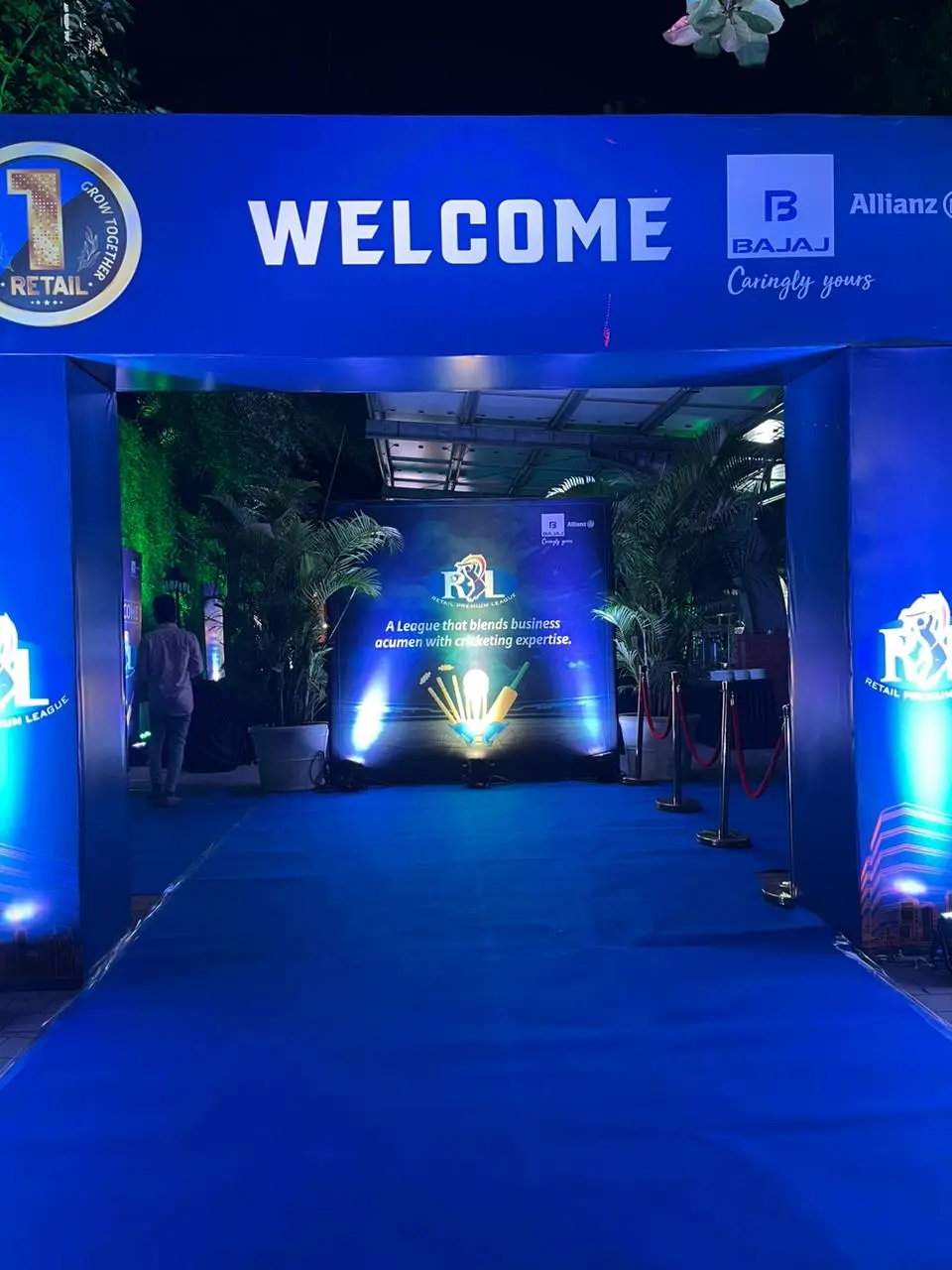
| Entry | Welcome gate or branded tunnel | Title sponsor |
| Main stage | Backdrop, stage front and podium | Title and presenting sponsors |
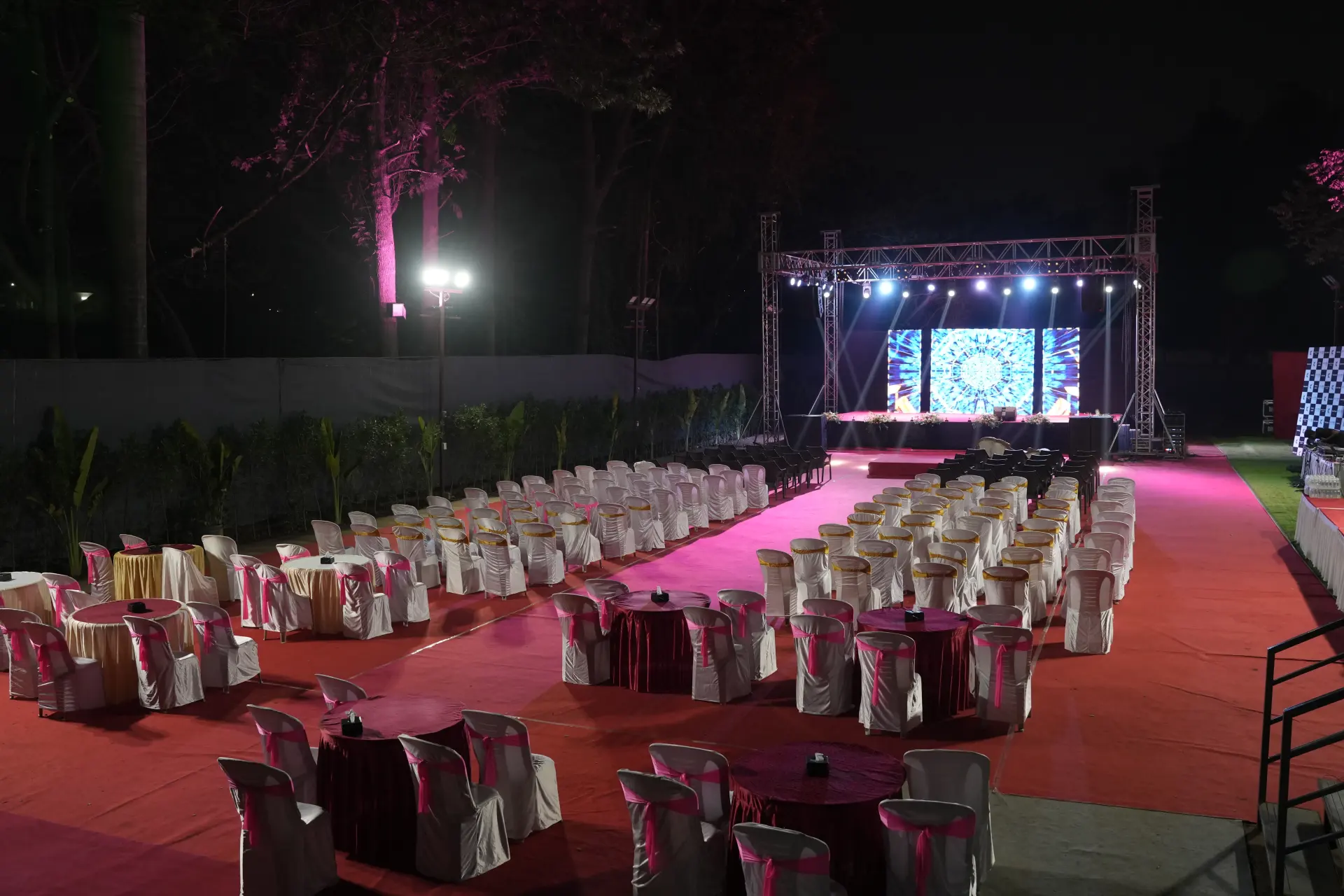
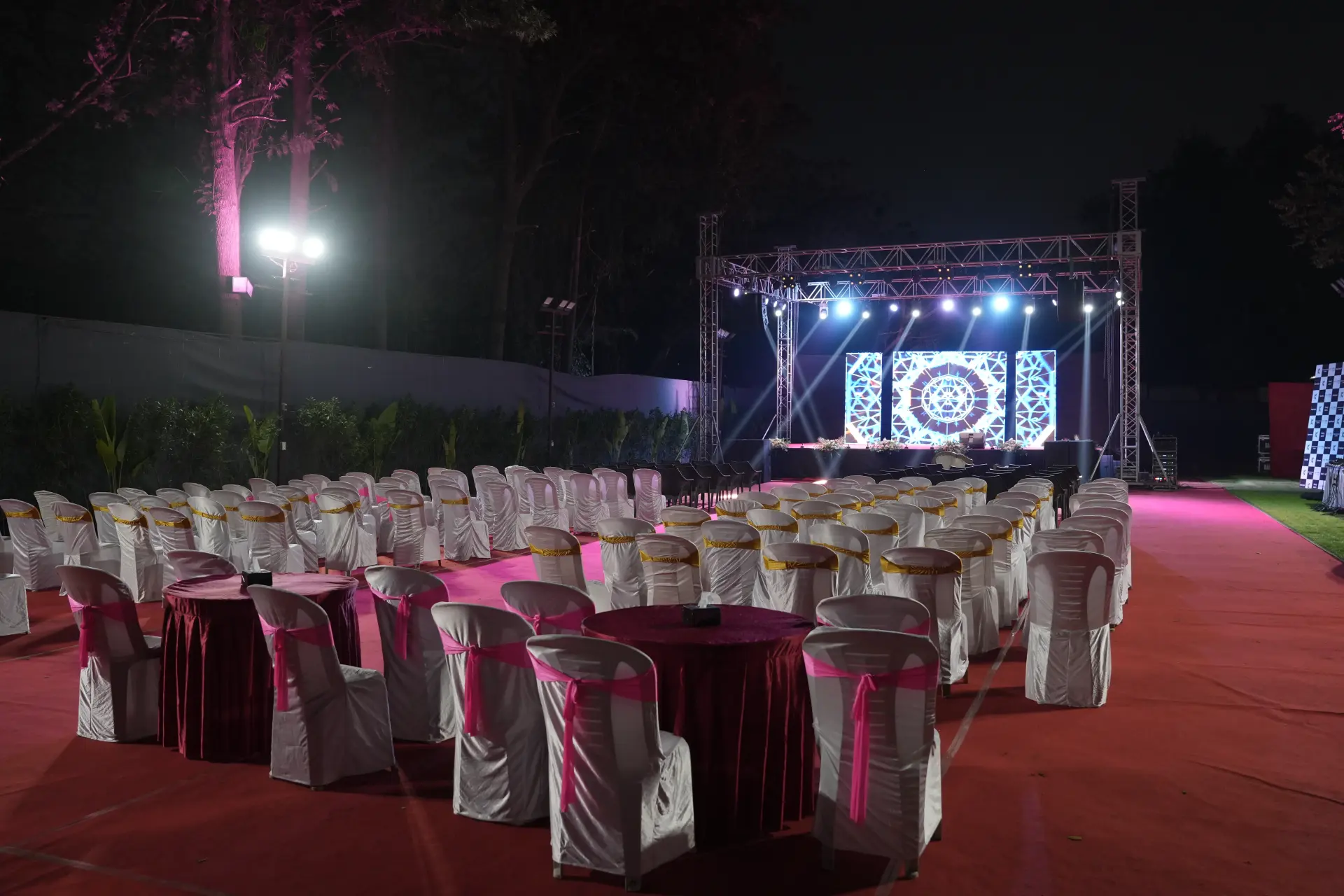
| LED wall | Logo loop and brand videos between segments | All tiers, with more screen time for higher tiers |
| Walkways | Standees, flags and hanging banners | Co-sponsors and associates |
| Photo booth | Logo on the backdrop | Segment sponsor |
| Stall area | Branded stalls and sampling counters | Co-sponsors, category and in-kind sponsors |
| Passes and lanyards | Printed logos | Title sponsor or a dedicated sponsor |
| Online | Website, social posts and invitations | All tiers by size |
At a busy campus fest in Shivajinagar or a mall event in Viman Nagar, sightlines matter as much as size. Place boards where people queue, wait and take photos. Stalls in the stall area also need proper design; our page on exhibition stall design explains what goes into one.
Keeping your promises to sponsors
Sponsors come back when they get what they were promised, on time and with proof. Keep one tracker with every sponsor, their tier, their deliverables and their file deadlines.
- Get logos in the right formats early and send proofs for approval before printing.
- Brief the anchor with a written list of sponsor mentions and their order.
- Photograph every branding spot on the day.
- Send each sponsor a short report after the event, with photos, mentions and any leads collected.
Get your sponsor branding planned and produced
Plan With YOLO has handled event branding for more than 100 brands and companies since 2013, from welcome gates and stage backdrops to standees, stalls and LED content. We plan, produce and set up sponsor branding so every tier gets exactly what was promised. See our event branding page, or share your event and sponsor list and we will map the branding and send an itemised quote.
Frequently asked questions
What are the main types of event sponsorship?
The main types of event sponsorship are title, presenting, co-sponsor or associate, category, in-kind, media, venue and segment sponsorship. Title sponsors get the most visibility, including the event name. Presenting and co-sponsors share stage and print branding. Category sponsors buy exclusivity, in-kind sponsors give goods or services, and media and venue sponsors give promotion or space in return for credit.
What is the difference between a title sponsor and a presenting sponsor?
A title sponsor puts its name in the event name, while a presenting sponsor appears as a presented-by line next to it. There is only one title sponsor, and it gets the most visible branding and the first mention everywhere. The presenting sponsor is the second tier, with strong stage and print presence but less prominence than the title sponsor.
What is in-kind sponsorship?
In-kind sponsorship is support given as goods or services instead of money. Examples include food, drinks, prizes, printing, transport, hampers or equipment. The sponsor gets branding in proportion to the value of what they give. Agree quantities, delivery times and quality in writing, because the event depends on those items arriving on time.
What should a sponsorship deck include?
A sponsorship deck should include a one-line event summary, the audience, photos from past editions, a tier table with benefits, a branding map, a few activation ideas and a timeline with one contact person. Keep it short and visual. Use only audience numbers you can prove, and tailor the deck to each brand you approach.
How is sponsor branding placed at an event?
Sponsor branding is placed by tier, with the most visible spots going to the highest tiers. The title sponsor usually gets the entry gate and main stage. Presenting and co-sponsors share the stage, LED wall and walkway boards. Stalls, photo booths, passes and online posts carry the rest. Photograph every spot and share the proof with sponsors afterwards.

Vicky founded Plan With YOLO in Pune in 2013 and leads the planning on corporate events, weddings and stage production across Maharashtra.