The main benefits of event management are saved time, one accountable point of contact, better supplier coordination, fewer costly mistakes, proper safety and backup planning, and a host who can enjoy the event. A hired team is worth it for larger, public or high-stakes events. Small, informal gatherings are often fine to plan yourself.
The benefits of event management go well beyond having someone to call the decorator. When you hire an event company, you are buying back your time, handing the risk to people who deal with it every week, and getting one person who is answerable for the whole day. This guide explains what you actually gain, compares doing it yourself with hiring a team, and is honest about the events where you do not need a planner at all.
Planning this in Pune? See our event management services: one team plans and runs it with you, since 2013.
Why event management matters
Event management matters because an event is a one-time performance with no second take. The guests arrive once, the chief guest has a fixed slot, and the sound either works when the first speaker walks up or it does not.
Behind every smooth evening there are dozens of small decisions made weeks in advance: which entry gate guests use, where the caterer parks, who switches on the generator if the power drops, how long each speech really runs. When nobody owns these decisions, they get made in a rush on the day, usually by the host, who should have been greeting guests instead. If you want to see the full scope, our guide on what an event management company does lists every stage from brief to wrap-up.
The key benefits of event management
The key benefits of event management fall into eight practical areas. Not every event needs all of them, but most people underestimate how many they are handling on their own.
1. You get your time back
Planning even a mid-sized event means many calls, site visits, quotes and follow-ups. A planner absorbs that load, so you spend your time on decisions rather than on chasing people.
2. One point of contact
Instead of managing a decorator, a caterer, a sound team, a photographer, a printer and an anchor separately, you speak to one person. If something slips, you know exactly who fixes it.
3. Experience you cannot buy in a hurry
An experienced team already knows which venue has a narrow service lift, how long a stage takes to build, and why a Saturday evening on a main road needs an earlier guest arrival time. That knowledge prevents problems you would only discover on the day.
4. Better value from suppliers
Event companies work with suppliers regularly and know what a fair scope looks like. They can spot a padded quote, suggest a simpler setup that looks just as good, and avoid paying twice for the same item.
5. A clear budget and fewer surprises
A good planner builds an itemised budget at the start and tracks it as decisions change. You see the effect of adding a second LED screen before you commit to it, not after the bill arrives.
6. Safety, permissions and backups
Crowd flow, fire exits, power backup, weather plans and permissions are easy to forget. A professional team plans them by habit and keeps a backup for the things most likely to fail.
7. A consistent look and message
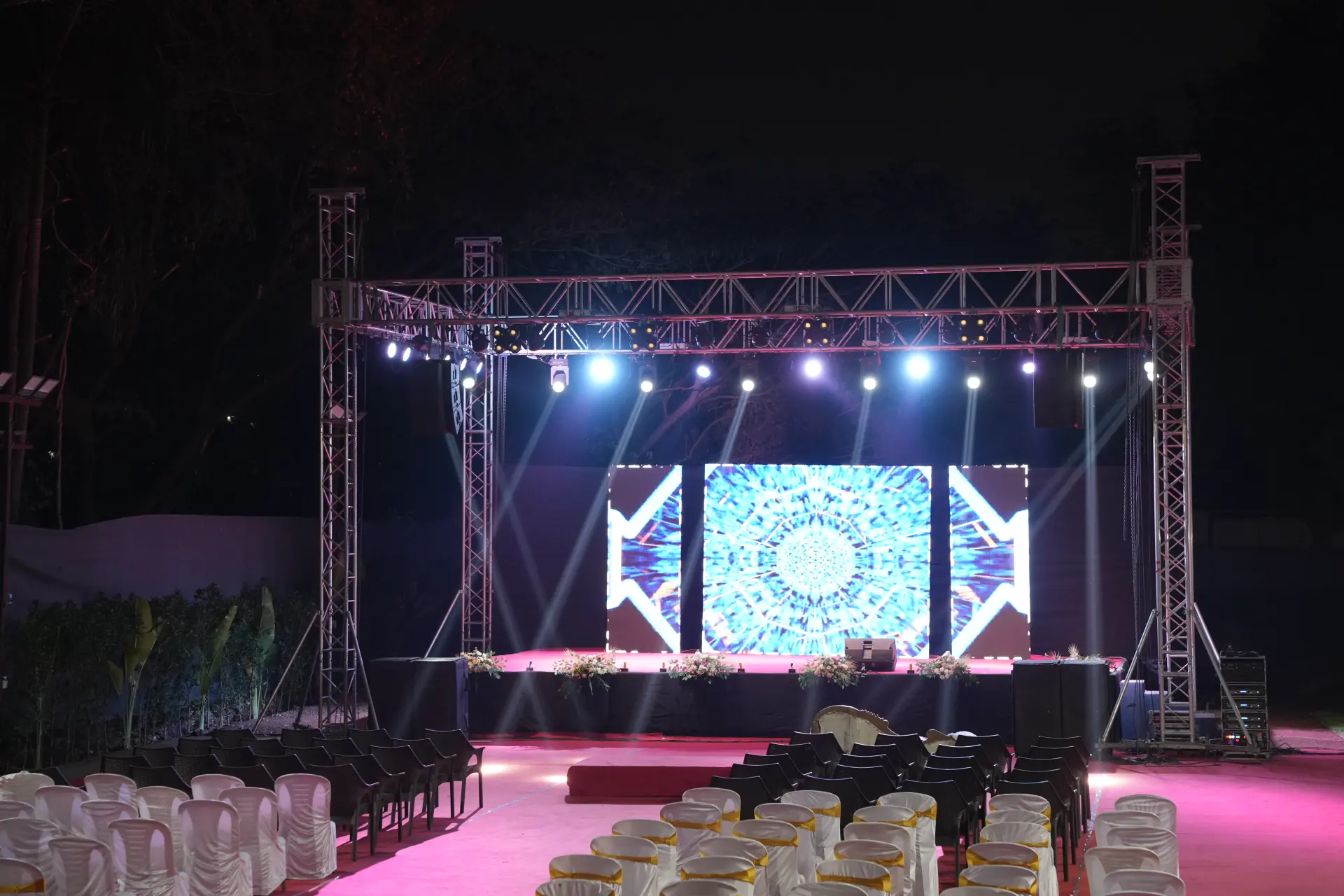
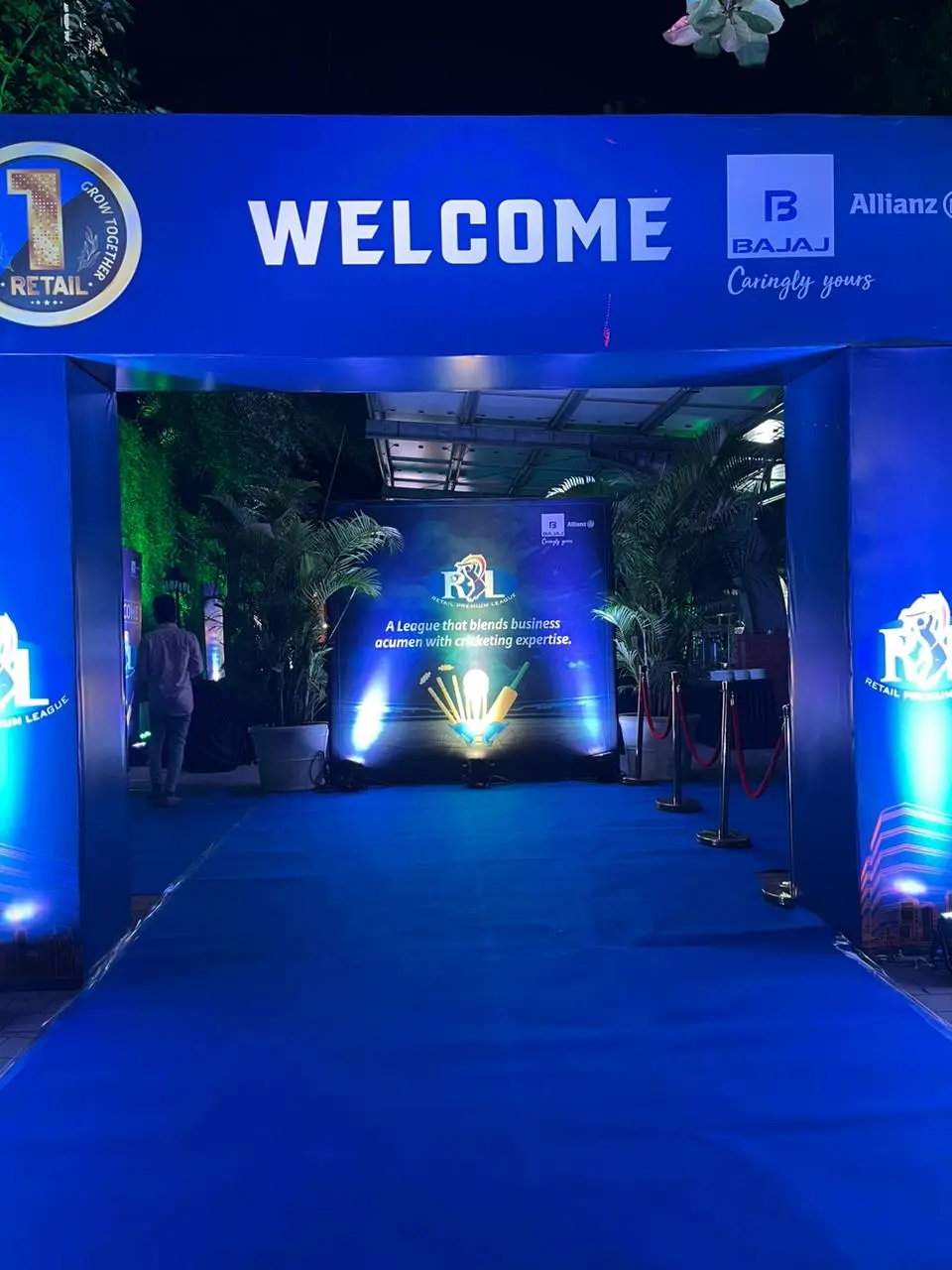
For corporate events, branding on the welcome gate, stage, screens and printed material needs to match. For weddings, the decor across functions needs to feel connected. One team carrying the design through gives you that consistency.
8. You get to be a guest
This is the benefit people value most afterwards. The host of a wedding, a milestone birthday or an annual day should be with their people, not in the kitchen asking where the dessert counter went.
DIY vs hiring an event management company
The difference between DIY and a hired team shows up most on the event day itself. This comparison shows where the work sits in each case.
| Area | Doing it yourself | Hiring an event team |
|---|---|---|
| Planning time | Evenings and weekends for weeks | A few meetings and approvals |
| Supplier coordination | You call and follow up with each one | One point of contact handles all of them |
| Budget tracking | Scattered across chats and receipts | An itemised budget updated as plans change |
| Venue and logistics | Learned by trial and error | Known from past events and site visits |
| Run-of-show | Often in someone’s head | Written, timed and shared with every supplier |
| Problems on the day | The host solves them | The event team solves them, often unseen |
| Backups | Rarely planned | Planned for power, weather and no-shows |
| Your role on the day | Manager and host at once | Host and guest |
When DIY is perfectly fine
Doing it yourself works well when the event is small, informal and forgiving. Not every celebration needs a professional, and a good event company will tell you so.
- A family dinner or a small birthday at home with close friends.
- A casual team lunch at a restaurant that already handles the food and seating.
- A society get-together where a committee of volunteers shares the work.
- Any gathering where a small slip will not embarrass anyone or cost much.
Even then, a simple written plan helps. Our event planning checklist walks you through the basics, from guest list to wrap-up.
When hiring a team makes the most sense
Hire an event company when the stakes, the scale or the complexity go beyond what a few friends can manage. These are the common signals:
- The audience matters. Clients, dealers, senior leadership, the media or elderly relatives travelling from far.
- There is a stage. Performances, awards, speeches and an anchor need rehearsals, cues and sound checks.
- Several suppliers are involved. Decor, catering, sound, light, photography and printing all need to arrive in the right order.
- The venue is new to you. An open lawn, a resort or a destination outside the city adds logistics you may not see coming.
- You have little time. Office teams juggling day jobs rarely have the hours a large event needs.
A corporate conference in a hotel near Baner, a product launch, a dealer meet or an annual day for a whole company almost always falls in this group. So does a wedding with several functions across two or three days. For business events, our corporate event planners page shows how we handle them from brief to wrap-up.
What hiring an event company costs you, and what it saves
The cost of hiring an event company depends on the scale of the event, the number of functions, the level of production and how much of the work you hand over. A planner’s fee is one line in the budget, but it often pays for itself through fewer wasted bookings, better supplier scopes and no last-minute emergency purchases.
When you compare quotes, compare scope rather than totals. Ask what is included, who will be on site on the day, how many site visits are covered and what happens if a supplier fails. Ask for an itemised quote so you can see where the money goes.
How to get the most out of your event company
You get the most from an event company when you give a clear brief and make decisions on time. A few habits help:
- Share your purpose, guest profile, date options and rough budget range at the first meeting.
- Name one decision-maker on your side, so approvals do not stall.
- Visit the venue together before you finalise the layout.
- Approve the run-of-show at least a week before the event.
- Tell the team your non-negotiables early, whether that is a family ritual or a leadership speech that cannot move.
Questions to ask before you hire
The right event company answers these questions clearly and in writing. If the answers are vague, keep looking.
- Can you show photos and details of events similar to mine?
- Who will be my point of contact, and will that person be on site on the day?
- What exactly is included in the quote, and what would cost extra?
- How do you handle a supplier who cancels or arrives late?
- What is your backup plan for power failure or bad weather?
- How and when do payments fall due?
A company that has done the work many times will have ready answers. It will also ask you plenty of questions in return, because a good plan starts with a clear brief.
Plan your next event with one team
Plan With YOLO has planned and run 500+ events for 100+ brands and companies since 2013, from office conferences to weddings and family celebrations across Pune, and in 30+ cities beyond it. You get one team and one point of contact, with the planning, setup and running of the day handled for you. See what we cover on our event management services page, or share your date and guest count and we will tell you honestly whether you need us.
Frequently asked questions
What are the benefits of hiring an event management company?
The main benefits are saved time, one point of contact, experienced planning, better value from suppliers, a tracked budget, proper safety and backup plans, and the freedom to enjoy your own event. An event company handles coordination, timelines and problems on the day, so you can focus on your guests, your message or your family instead of chasing suppliers.
Is it cheaper to plan an event yourself?
Planning an event yourself can look cheaper because you skip the planner's fee, but it is not always cheaper overall. Without experience, people often overbook decor, pay for items they never use, miss better supplier options or buy emergency replacements on the day. For small, informal gatherings DIY usually saves money. For larger or complex events, a planner often balances out the fee.
Why is event management important for companies?
Event management is important for companies because their events speak for the brand. A conference, product launch or annual day that runs late, sounds poor or looks disorganised reflects on the company in front of clients, dealers and employees. A professional team keeps the branding consistent, the schedule on time and the guest experience smooth, while staff focus on their actual jobs.
When should I hire an event planner?
Hire an event planner as soon as the date and rough guest count are known. For corporate events, six to eight weeks ahead is a sensible minimum. For weddings, several months ahead is better, especially in the busy winter season. Hiring early gives you more venue and supplier choices, and more time to fix the budget before prices change.

Vicky founded Plan With YOLO in Pune in 2013 and leads the planning on corporate events, weddings and stage production across Maharashtra.