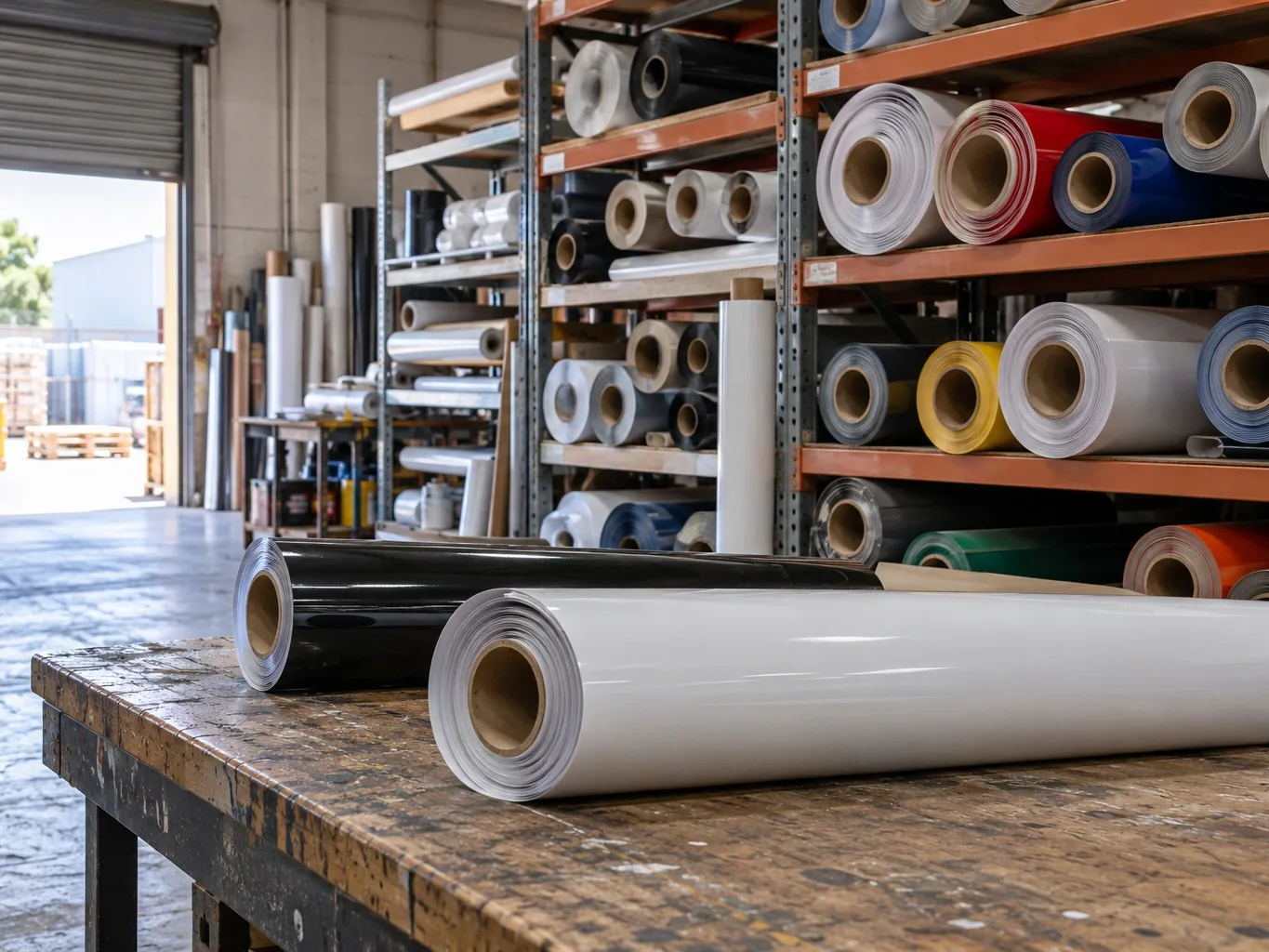
Vinyl lamination is a thin, clear protective film applied over printed adhesive vinyl to shield the ink from UV rays, scratches, moisture, and daily wear. It extends the life of your display boards, wall graphics, and vehicle wraps while giving you a choice between a high-shine gloss or a glare-free matte finish.
Vinyl lamination protects your printed graphics from environmental wear and tear so your visual communication stays sharp for longer. When you invest in storefront signage, office wall branding, or display panels, the printed surface faces dust, moisture, cleaning liquids, and harsh sunlight every single day. Applying a transparent protective layer over the ink prevents fading, scratching, and peeling. Whether you choose a high-gloss shine or a subtle matte finish, understanding how protective films work helps you make better choices for your next print project.
Planning this in Pune? See our vinyl printing in Pune: one team plans and runs it with you, since 2013.
How Vinyl Lamination Preserves Your Print Quality
Vinyl lamination extends the operational life of printed graphics by acting as a physical shield between the ink and the outside world. Without a protective film, dust settles into microscopic pores of the print, and cleaning agents can slowly break down pigment binders over time. A clear over-laminate seals the surface completely.
Key Protections Provided
- UV Ray Shielding: Special inhibitors in the laminate reduce color bleaching caused by direct sunlight.
- Scratches and Scuffs: Accidental bumps from inventory, cleaning tools, or foot traffic hit the laminate instead of scratching the ink.
- Moisture Resistance: Water splashes, humidity, and damp cloth wiping will not cause the printed colors to bleed or run.
When setting up branding elements in high-traffic spaces like busy retail corridors in Baner or bustling corporate lobbies in Hinjewadi, adding this protective layer ensures your investment remains presentable through months of daily operations.
Choosing Between Gloss and Matte Over-Laminates
Gloss and matte finishes serve very different visual purposes while offering the exact same level of physical surface protection. Selecting the right finish depends entirely on where your display will live and how lighting interacts with the room or street.
Comparing Your Surface Options
| Feature | Gloss Lamination | Matte Lamination |
|---|---|---|
| Light Reflection | High reflection, bright and shiny look | Diffused light, zero glare |
| Color Vibrancy | Boosts contrast and makes colors pop | Softens tones for a subtle, premium feel |
| Best Used For | Outdoor billboards, vehicles, dark branding | Indoor photo backdrops, reading menus, glass partitions |
| Fingerprint Resistance | Shows smudges easily under direct light | Hides fingerprints and minor surface smears |
If your display sits directly opposite a bright window or under harsh spotlight fixtures, matte finishes prevent annoying light reflections. Conversely, if you want vivid colors that catch the eye from across a large exhibition hall, gloss finishes deliver maximum visual punch.
The Step-by-Step Application Process
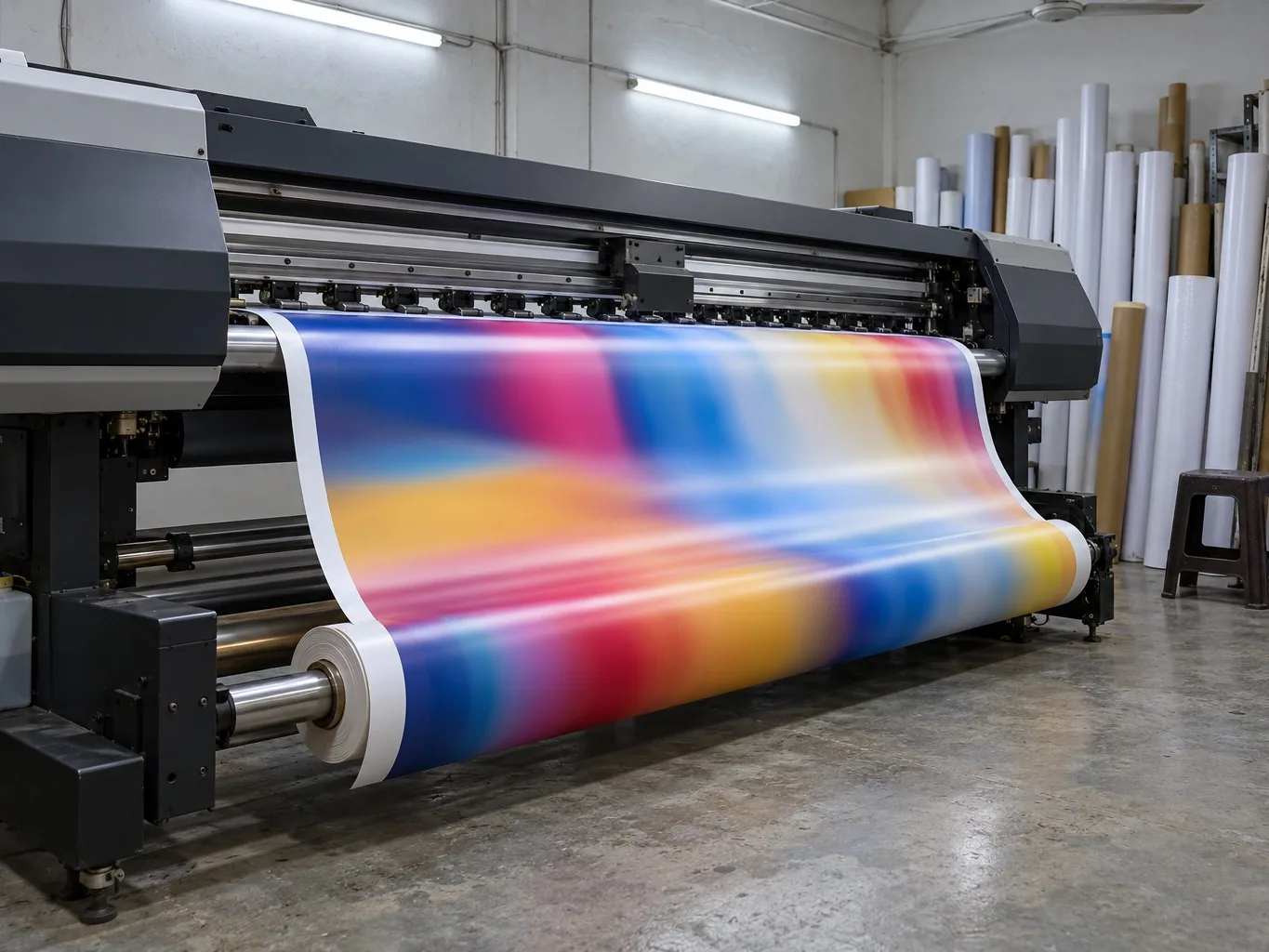
Applying a clear protective film requires precision machinery and a clean environment to ensure no trapped dust bubbles ruin the final appearance. The process starts right after the solvent or eco-solvent ink has fully cured on the adhesive base material.
Order of Work in the Studio
- Curing Time: Printed rolls rest for a set period so that ink solvents evaporate completely, preventing bubbles later.
- Tension Alignment: The print and the laminate roll feed evenly into a cold or warm roll laminator at matched speeds.
- Pressure Roller Pass: Heavy rubber rollers press the clear film down smoothly, squeezing out any trapped air pockets.
- Trimming Edges: The laminated sheet is trimmed precisely to your required dimensions before mounting or dispatch.
Maintaining steady roller pressure is crucial. Any uneven spot can create a silver streak or wrinkle, which ruins the professional look of the final display graphic.
Common Mistakes to Avoid With Protective Films
Skipping lamination or choosing the wrong film weight often leads to premature failure of your printed materials. Knowing these pitfalls saves you time, material costs, and the hassle of early replacements.
Pitfalls in Print Finishing
- Matching Incompatible Materials: Using cast laminate on calendered vinyl or vice versa can cause edge curling due to different shrinkage rates.
- Rushing the Ink Cure: Laminating fresh ink traps residual solvents, leading to bubbling and lifting within a few weeks.
- Ignoring Application Angles: Applying outdoor vertical graphics without checking the grain of the stretch can cause sagging over time.
Always discuss your exact display environment with your production team before the print run begins. Whether the material faces rain, dust, or air conditioning vents, getting the material pairing right from the start guarantees clean results.
Handling and Maintenance After Installation
Proper care after your laminated graphics are installed keeps them looking fresh and professional for years. While the protective film makes cleaning much easier, aggressive maintenance methods can still damage the edges.
Best Practices for Daily Upkeep
Clean your laminated surfaces using a soft microfiber cloth dampened with plain water or a mild, non-abrasive soap solution. Avoid scouring pads, stiff brushes, or strong chemical solvents like acetone or paint thinner, as these can dull the laminate surface or loosen the adhesive bond at the edges. When cleaning large wall graphics or office glass partitions, wipe gently from top to bottom and dry with a clean cloth to prevent water spots.
If your installation is outdoors near dusty roads, a simple regular wipe-down removes grit that might otherwise act like sandpaper when winds blow.
Planning Your Project Timelines in Pune
Managing realistic timelines ensures your printed displays arrive ready for your event, store launch, or office renovation without last-minute rush charges. Production schedules must account for printing, ink drying, lamination curing, and final cutting.
Typical Project Workflow
- Artwork Finalization: Verify vector files, bleed areas, and color profiles on day one.
- Print and Cure Phase: Allow proper time for large-format printing and ink stabilization.
- Finishing and Lamination: Apply the chosen gloss or matte film and trim to size.
- Dispatch or Installation: Coordinate delivery or on-site setup according to your schedule.
Monsoon weather in Maharashtra introduces high humidity, which can sometimes extend ink drying times slightly. Planning your print orders a few days ahead of your launch date gives the production team the necessary buffer to deliver flawless results without cutting corners.
What to Ask Before Booking Your Protective Film Finish
Getting Clarity Before the Print Run Starts
Before you finalize your order for protective film finishes, it pays to ask the right questions to ensure your materials match your exact requirements. Communication with your provider regarding the physical environment where your displays will live makes a massive difference in the final outcome. Different locations demand different approaches to surface protection, so clarifying these details upfront avoids costly reprints and unexpected wear.
Key Inquiries for Your Production Partner
- What is the expected lifespan of the protective layer under direct sunlight?
- Will the finish cause any glare under indoor venue lighting?
- Is the adhesive backing compatible with the specific surface material we selected?
- How do temperature changes in the installation area affect the applied film?
- Can samples of both smooth and non-reflective finishes be reviewed side by side?
Asking these targeted questions helps you understand the technical limits of your chosen finishes. It also ensures that the team executing the work fully grasps your vision. Taking a few extra minutes to discuss these operational details guarantees that your visual assets remain durable, clear, and visually striking from the moment of setup until the final day of your campaign.
Scale Matters: Small Gatherings Versus Large Venue Productions
Adapting Surface Protection for Different Environments
The scale of your event dictates how you approach protective surface finishes. For intimate gatherings or short-term corporate meetings, the focus is typically on close-up clarity and a refined, professional appearance. In these settings, attendees interact with the materials at a very close distance, making surface smoothness and flawless edge trimming critical priorities. Every minor detail is visible, requiring a meticulous touch during the finishing phase to ensure absolute perfection.
Managing High-Capacity Venue Requirements
Conversely, large-scale exhibitions and massive convention spaces demand robust protection that can withstand heavy foot traffic, environmental shifts, and bustling crowds. For expansive displays, the primary concern shifts toward structural endurance and resistance to accidental scuffs from passing visitors. The production workflow must account for wider spans of material, requiring specialized handling techniques to prevent air bubbles or stretching during application.
Regardless of whether you are planning an intimate seminar or a sprawling trade show floor, tailoring your choice of surface finish to the venue size ensures optimal performance. By understanding how environmental factors impact your printed assets at different scales, you can select the ideal level of defense to keep your visuals looking sharp and professional throughout the entire duration of the engagement.
Get Expert Advice on Your Next Print Project
Choosing the right finish for your display graphics doesn’t have to be confusing. One team, one point of contact handles your entire requirement from initial file review to final finishing and dispatch. Whether you need durable displays for a retail outlet or polished graphics for an office upgrade, we plan, set up and run the entire process smoothly for you. Visit our vinyl printing in Pune page to explore material options, or reach out to discuss your specific dimensions. Contact us today to ask for an itemised plan tailored to your timeline and budget.
Frequently asked questions
What is the main purpose of vinyl lamination?
Vinyl lamination provides a clear protective layer over printed graphics to shield them from UV rays, scratches, moisture, and everyday wear. This extra shield significantly extends the lifespan of your signage and display boards.
Should I choose gloss or matte lamination for outdoor signs?
Gloss lamination is usually recommended for outdoor signs because it boosts color vibrancy and makes graphics stand out. However, if your sign faces harsh direct sunlight that creates blinding glare, a matte finish is better for readability.
How long does printed vinyl need to cure before lamination?
Printed vinyl typically needs to cure for twenty-four hours before lamination. This waiting period allows solvent or eco-solvent inks to release trapped gases, preventing ugly bubbles or lifting under the protective film.
Can laminated vinyl prints be cleaned with regular household cleaners?
Laminated prints should only be cleaned with a soft microfiber cloth dampened with water or mild, non-abrasive soap. Avoid harsh chemical solvents, thinners, or abrasive scrubbing pads that can dull the film surface.
Does lamination protect against fading in direct sunlight?
Yes, quality over-laminates contain ultraviolet inhibitors that block harmful sun rays from bleaching the printed pigments. This keeps your corporate colors sharp and vibrant even in outdoor settings.

Vicky founded Plan With YOLO in Pune in 2013 and leads the planning on corporate events, weddings and stage production across Maharashtra.