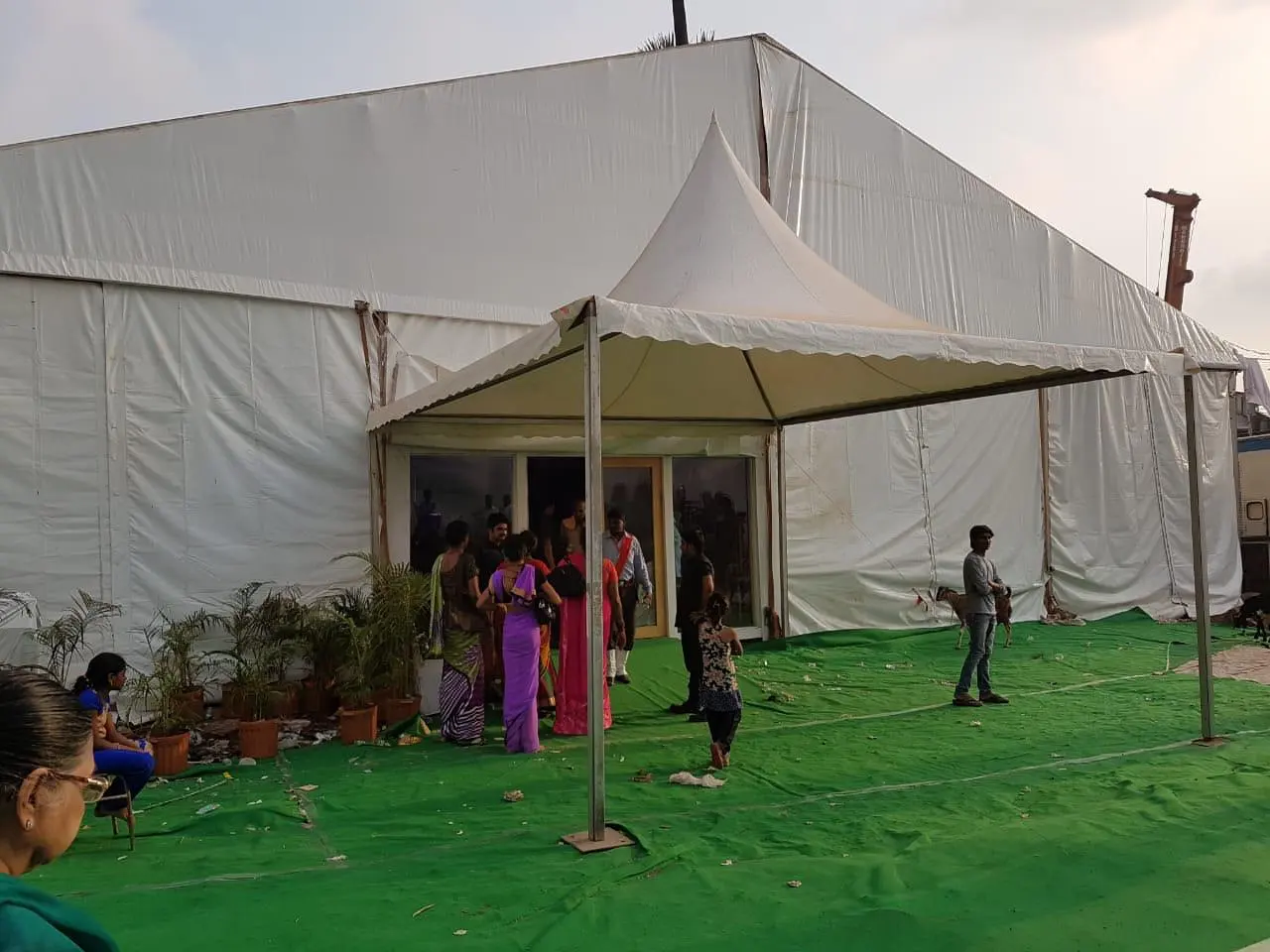
A calendar for the year
One planning session that fixes dates, formats and owners for twelve months, mapped against your business and festival calendar.
+91 84858 38274 · +91 84858 38219
Shop 7, Ekta Nagri, Near Dwarka Apartment, Anand Nagar, Pune 411051
Engagement works as a calendar, not as one big event. We plan the year with your HR team, spread the budget across it, and run each moment, from a Friday hour in the cafeteria to a full family day.

Engagement is a rhythm, not an event. A company that does one large party a year and nothing else has a good December and a quiet eleven months. A company that marks something small every few weeks, and two or three big things properly, feels different to work in, and it usually spends about the same money.
So we plan the whole year with your HR team in one sitting. Dates get mapped against quarter closes, audit weeks, appraisal cycles and delivery peaks, because an engagement event in the wrong week gets cancelled and remembered as a failure. The budget is split across the calendar rather than eaten by the first thing on it. Approvals happen once, for the year, instead of eight separate times.
Then we run the moments. Festivals in the office, a sports season, wellness sessions, a talent night, recognition moments, a family day, and the small cafeteria things that cost little and get talked about most. Multi-site teams in Pune get the same moment on the same day at each office, and you get one point of contact for the whole calendar instead of a new conversation every quarter.
These are the parts of an engagement programme we plan, set up and run with your HR team.
One planning session that fixes dates, formats and owners for twelve months, mapped against your business and festival calendar.
The yearly number divided between two or three anchors and a run of small moments, so nothing is starved in the last quarter.
Each moment sized for the people who will actually attend, in the office, on a ground or at a property out of town.
Cafeteria and atrium moments handled with decor, music, activity and cleanup, around shifts and without stopping the floor.
Announcements written, sign-up links tracked and reminders timed, so your HR team is not chasing numbers the day before.
Turn-up against sign-up, repeat attendance and two-question feedback after each moment, so next quarter is planned on evidence.
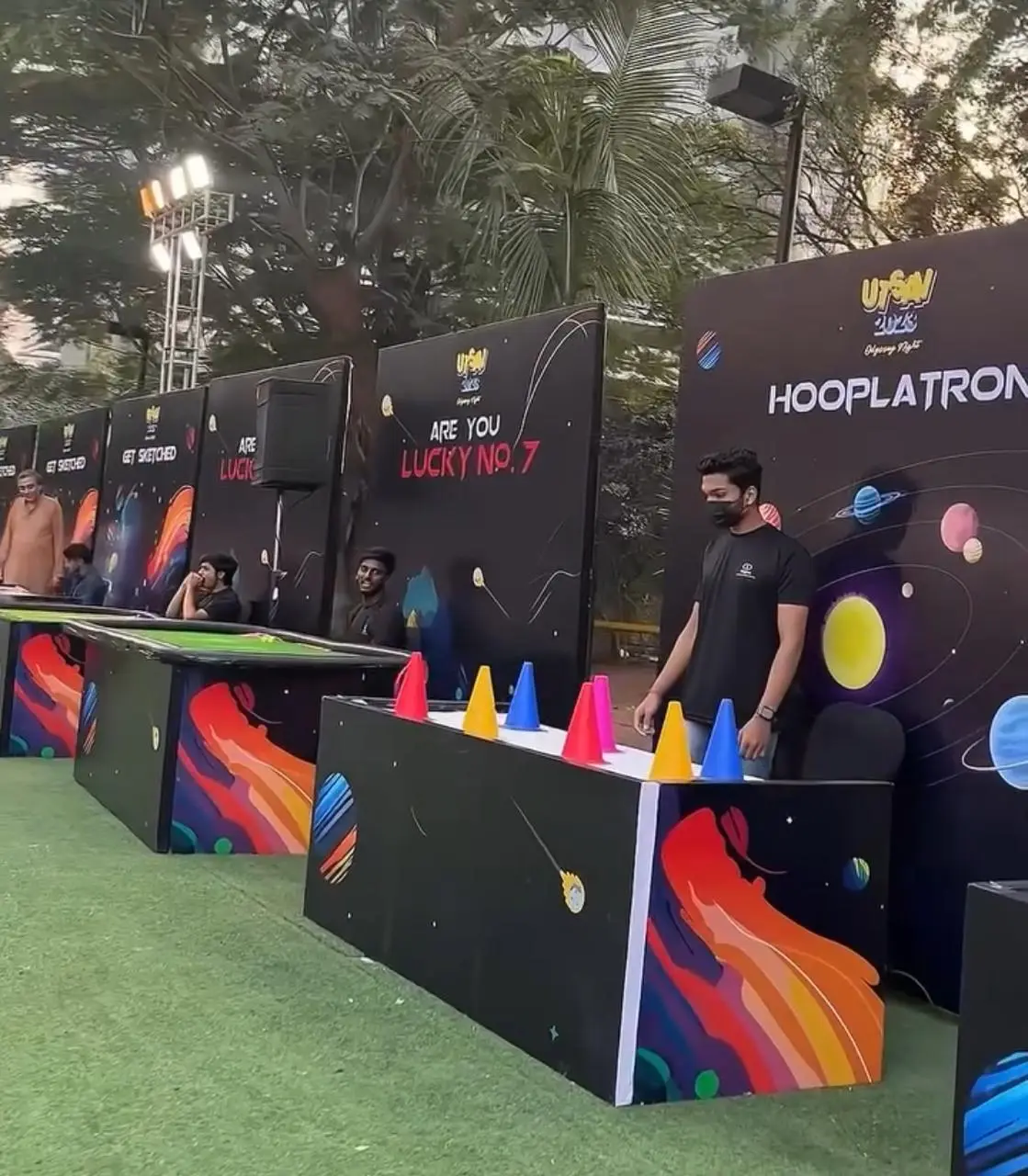
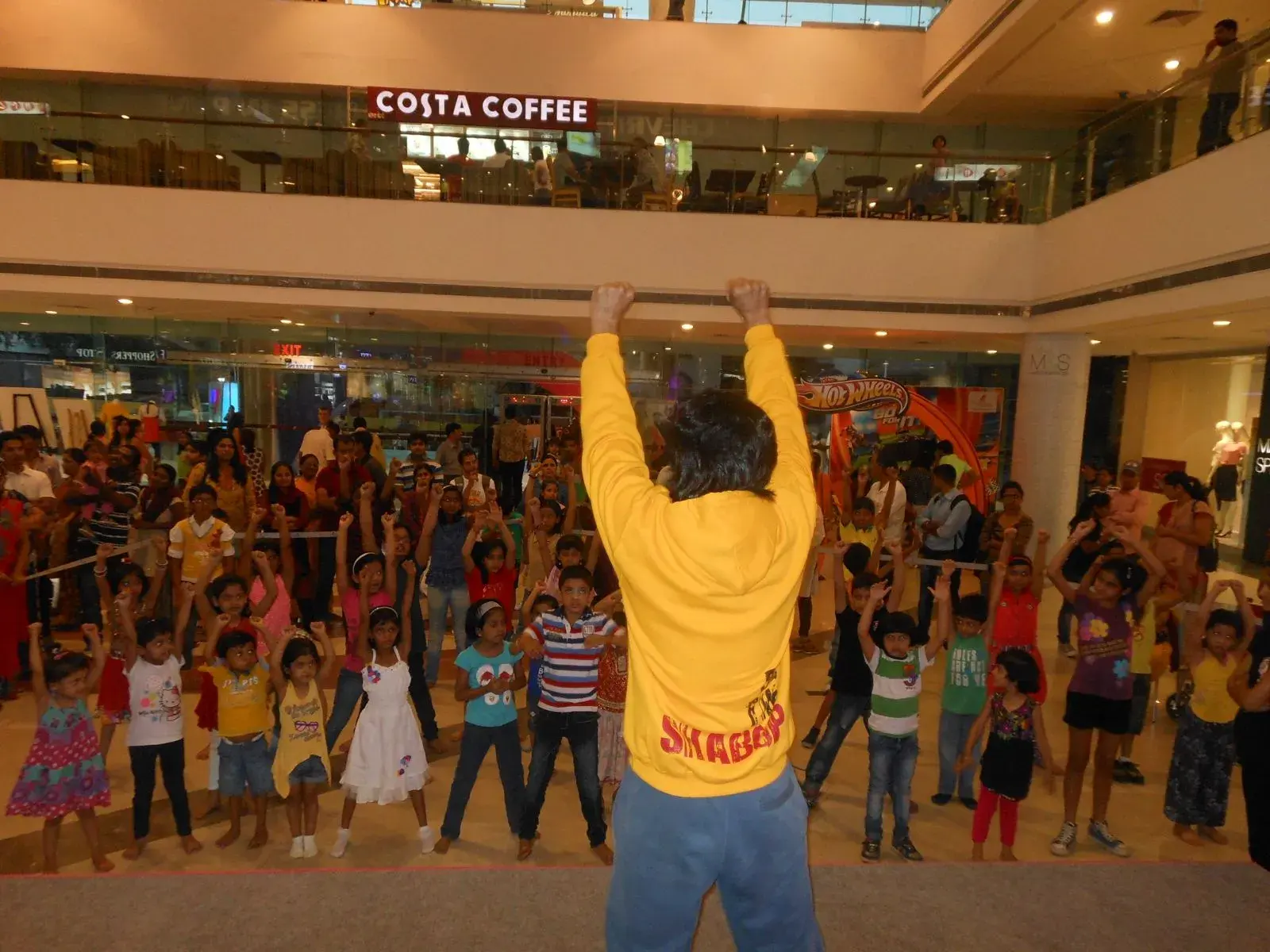
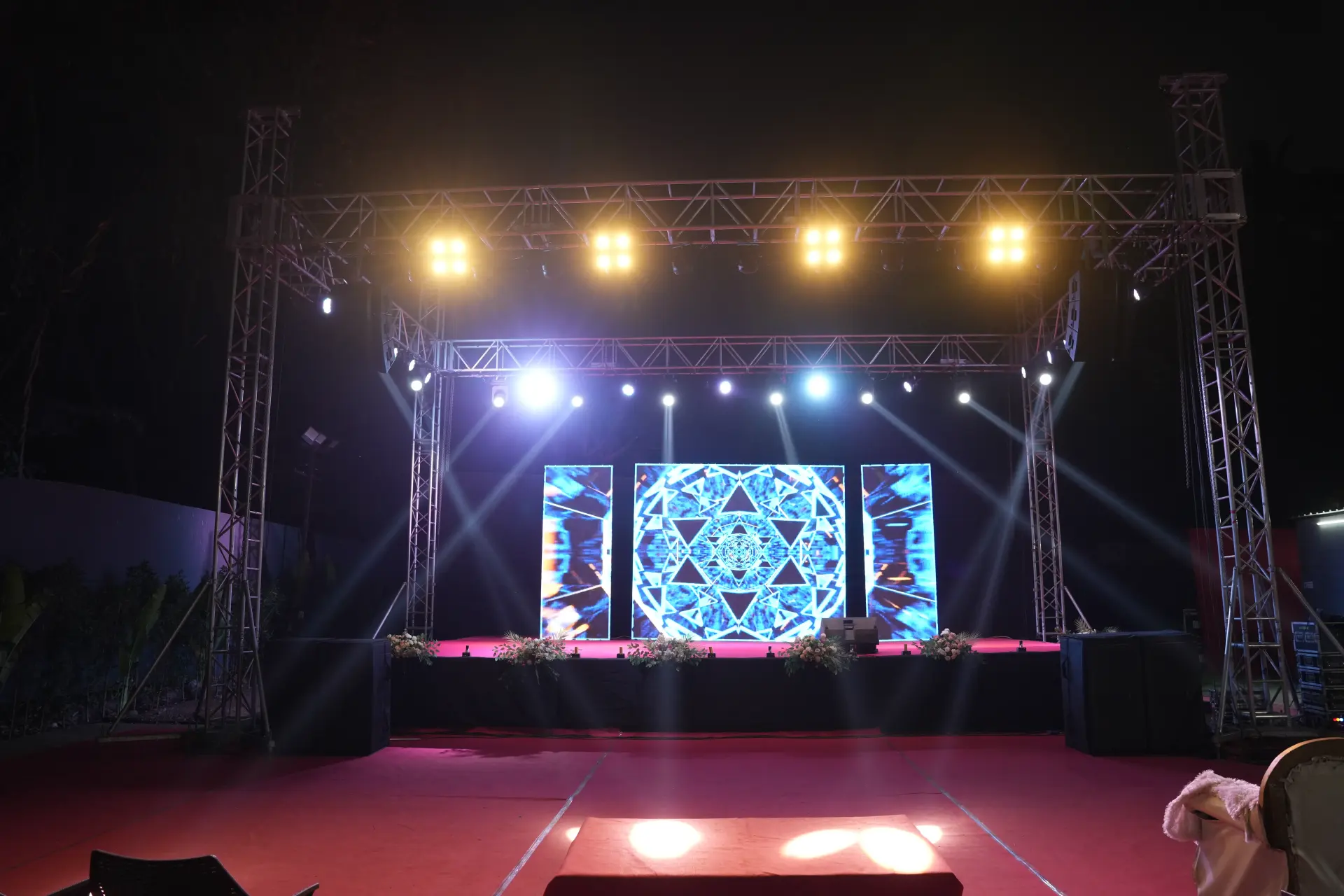
Every photo here is from an event our team planned and ran.
Tell us the date, the guest count, the budget and the feeling you want in the room. We ask the questions most people forget.
You getFirst ideas and a budget range
Theme, décor, stage layout and a minute-by-minute run of show, drawn up and revised until it feels like yours.
You getMoodboard, layout and an itemised quote
Venue shortlists, caterers, artists, anchors and the paperwork — police, music licences and venue approvals — handled by us.
You getLocked vendors, one point of contact
Décor goes up, truss and LED walls are rigged, sound is checked and the anchor rehearses every cue with our show caller.
You getA walk-through before guests arrive
Our crew runs the floor, the stage and the guests. When it is over, we clear the venue and send you the photos.
You getA calm host — you — and the memories
Engagement calendars fail in a predictable pattern. January is ambitious, March is busy, by June nothing has happened, and in November someone books a large party to make up for it. The fix is to plan the year once, in one room, with dates that survive contact with the business. What follows is how that session usually goes.
Open a calendar and block out the weeks you cannot use before you decide anything fun. Quarter close. Audit. Appraisal conversations. The delivery peak your teams dread. Long weekends when half the office travels. Exam season, if your workforce skews towards parents of school-age children. What is left is your real playing field, and it is usually smaller than people expect.
Now place two or three anchors: the moments that take budget, planning and a proper venue. A family day, a year-end party, an annual day, a sports finals day. Space them out. Between them, place the small things on a steady rhythm, roughly one a month, each costing very little. The anchors give people something to look forward to; the small things are what make the place feel alive in between. Write an owner's name beside every single entry, because a date with no owner does not happen.
Match the format to the number of people who will actually come, not to your total headcount. A team under fifty can do almost everything in the office and should, because a half-empty banquet hall is worse than a full cafeteria. Between fifty and two hundred, the small stuff stays in the building and the anchors move out. Past that, anchors need a ground or a hall, and the small moments have to be repeated across floors or shifts so everyone gets a turn.
| Quarter | What fits | Usual format | Load on HR |
|---|---|---|---|
| April to June | Year kickoff, sports league starts, summer moments for children of employees | Ground and in-office, evenings and weekends | Medium, plus league fixtures running in the background |
| July to September | Monsoon indoor formats, Independence Day, Ganeshotsav, wellness month | Cafeteria and atrium, short slots during the working day | Light, several small moments close together |
| October to December | Diwali celebration, family day, year-end party, annual recognition | Venue-led, the heaviest quarter of the year | Heavy, so start planning by August |
| January to March | New-year goals session, sports finals, talent night, milestone moments | Office and one venue evening, kept tight around closing | Medium, with appraisal weeks blocked out |
Split the budget the same way you split the calendar. Most of it goes to the anchors, a steady slice covers the monthly moments, and something is deliberately held back for the last quarter, which is when engagement budgets are usually found to be empty. Get the whole year approved as one number with a line-item plan behind it. One approval conversation is far easier than eight, and finance prefers seeing the shape of the year in advance.
Office moments are cheaper, faster and better attended, and they have their own constraints. You need a cleared slot in the cafeteria or atrium, power that is not already loaded, protection for flooring under food and craft, and facilities' permission for noise, especially if other companies share the building. Teams working shifts need two sittings, not one, or the night shift quietly learns that engagement is for other people.
Days out earn their cost when the point is to get people away from their desks and mixing across teams. A ground for a sports day, a property towards Lonavala for an offsite, a hall for an evening programme. Keep the travel honest: an hour each way is the limit before the day feels like work. Activity-led sessions that build teams are a service of their own and are covered on our team building activities page. Residential formats with sessions and stay sit with our corporate offsite planner service, and the evening party formats are on the corporate party planner page.
Festivals carry an engagement calendar in Pune, and they cost less than anything you invent. Ganeshotsav, Diwali, Holi, Christmas, Gudi Padwa and harvest festivals all give you a ready reason, a look and a mood. Keep participation voluntary, keep food inclusive with clearly labelled vegetarian and jain options, and make sure the celebration does not leave anyone standing outside it.
Watch the language, literally. Mixed teams in Pune speak Marathi, Hindi and English in the same corridor, so an anchor who moves between them keeps the whole room with the programme. Watch who never turns up, too. It is usually the same groups: the night shift, a satellite office, people who do not play sport, and new joiners who do not yet know anyone. Fixing that is not a budget problem, it is a format problem.
Announce a moment three times: once when the calendar is published, once a week before, once on the morning. Put the time, the place and the finish time in every message, because people decline what they cannot fit around a school pickup. Managers matter more than posters; a lead who walks down with the team is worth ten reminders. Keep the formal part short and do not open with a speech.
Then measure two simple things after every moment. How many signed up against how many came, and how many are attending for the second or third time. Ask two questions, no more. Over a few quarters that tells you which formats deserve budget and which are being run out of habit. Family-led formats have their own ideas list on our family day at office ideas page, and it is a useful place to start when the calendar needs something the whole household can join.
Can't find yours? Call or WhatsApp — a planner answers.
Employee engagement events are the moments a company runs through the year to bring people together outside their work: festival celebrations, sports leagues, wellness sessions, talent nights, recognition moments, family days and small in-office gatherings. Taken one at a time they look minor. Planned as a calendar, with dates and owners, they are what makes a workplace feel like one.
Cost is driven by how many moments you run in a year, how many are anchors at a venue against small in-office ones, headcount at each, food format, activities and hosts, stage and sound where needed, and whether offices repeat the same moment. Send us your headcount, sites and the yearly number you have, and we will send an itemised calendar plan.
Two or three anchors and roughly one small moment a month works for most companies. The anchors take budget and a venue, such as a family day or a year-end party. The monthly moments are an hour in the cafeteria and cost very little. That rhythm keeps engagement visible without asking HR to run a big event every quarter.
Team building is an activity with a goal, usually a day designed to get a team working together. An engagement calendar is the year around it: festivals, sports, wellness, recognition, family day and small office moments planned as a programme with dates, owners and a split budget. Most companies need both, and the calendar is what tells you when the team-building day should sit.
Do it in one sitting, not event by event. Block the weeks you cannot use, place two or three anchors, fill the gaps with one small moment a month, and write an owner's name against every entry. Get the whole year approved as one budget. After that, most of HR's work is announcing and showing up, and we handle the setting up and running.
Almost everything, held in your own office. A half-empty hall feels worse than a full cafeteria, so keep the moments in the building: festival lunches, a quiz, a Friday hour, a talent evening, a wellness session. Save the budget for one proper day out in the year, which is where a small team gets the most value from going somewhere together.
Announce three times, with the finish time in every message, and get managers to walk down with their teams. Keep the formal part short. Run moments inside the working day where you can, repeat them across shifts, and pick formats that do not exclude people who dislike sport or performing. Then track sign-ups against actual turn-up and adjust.
Yes, and the same day works better than the same month. We plan one format and set it up at each site, whether that is Hinjewadi and Kharadi or an office and a plant, with the same decor, the same activity and a shared photo stream so it reads as one company event. Anchors such as the family day are usually held together at one venue.
Pune · PCMC
Pune · PCMC
Conferences · Offsites · R&R nights · Dealer meetsPlan the whole year in one sitting
Tell us your headcount, your sites and the budget you have for the year, and we will come back with a calendar, dates and owners.