
Corporate event cost drivers typically include the total guest count, venue selection, technical production requirements like audio-visuals and lighting, and any necessary travel or stay arrangements. Understanding these main pillars helps companies allocate their budgets accurately without facing surprise expenses during final execution.
When you sit down to plan a company meet or annual gathering, managing your budget starts with knowing your corporate event cost drivers. Every business meeting or celebration involves several moving parts that directly influence the final ledger. Whether you are organizing a leadership conference in Hinjewadi or a rewarding gala dinner, the choices you make regarding scale, location, and technical setup will dictate your overall expenditure. By breaking down these financial pillars early, you can make informed decisions, avoid unexpected surprises, and build a realistic plan that keeps leadership happy while delivering a memorable experience for your team.
Planning this in Pune? See our corporate event cost in Pune: one team plans and runs it with you, since 2013.
How Guest Count and Seating Styles Shape Your Expenses
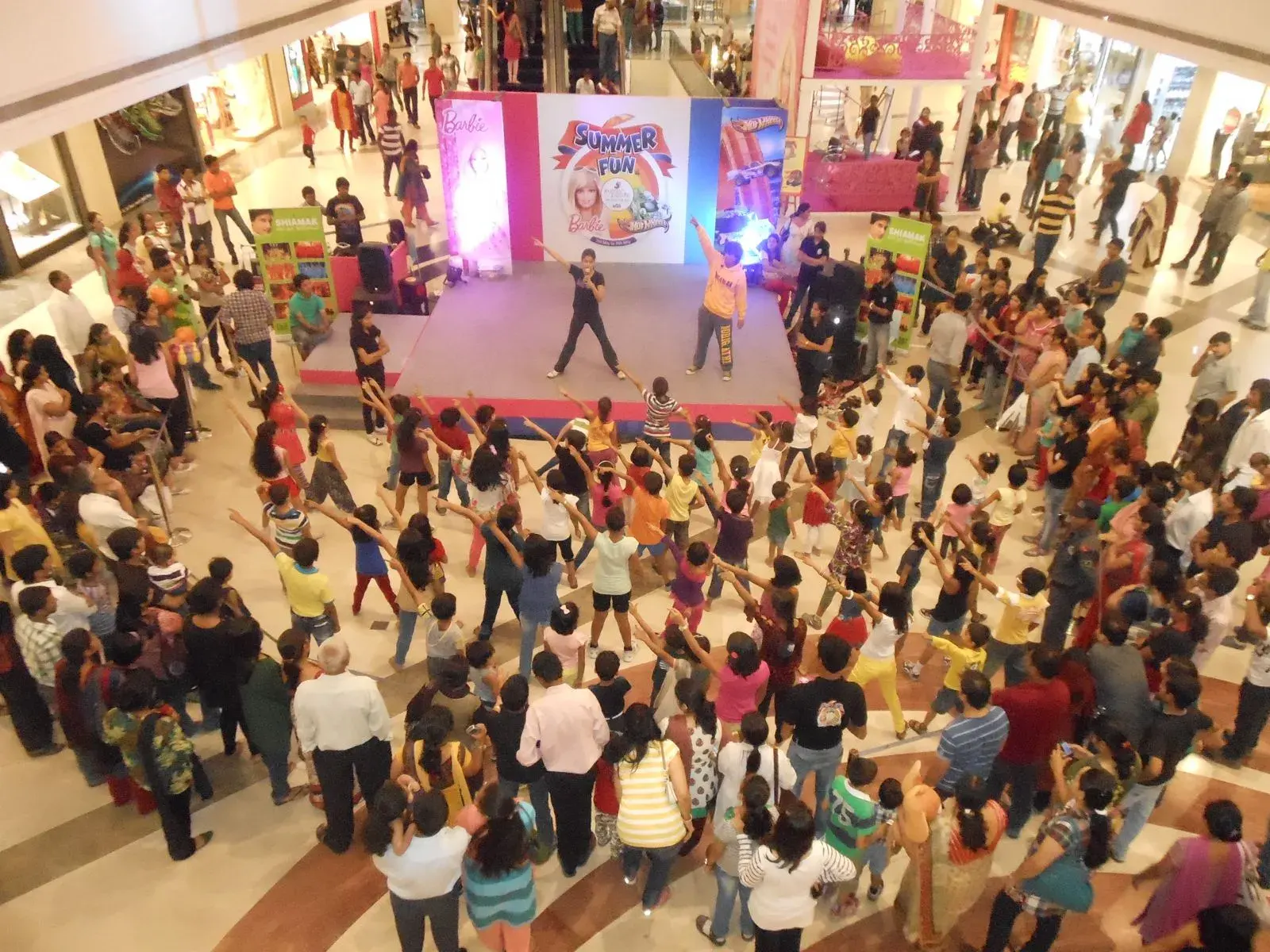
The number of attendees you host acts as the foundational multiplier for almost every part of your plan. More people mean larger spaces, additional seating arrangements, more printed materials, and higher staffing levels on the ground. When your headcount rises from a small boardroom session to a full company-wide annual day, the logistics scale up accordingly.
Matching Space to Attendance
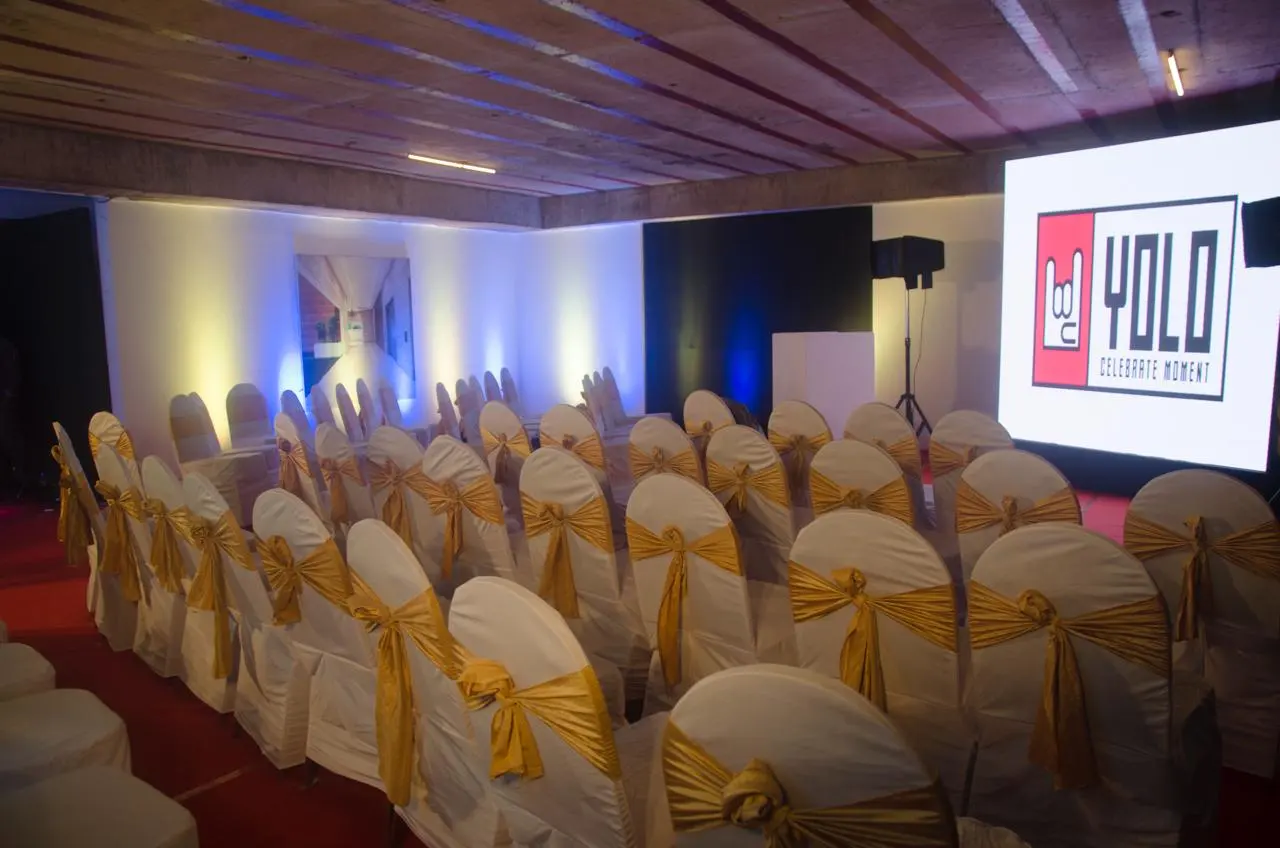
Choosing the right layout is critical for both comfort and cost control. Classroom setups, theater rows, and round tables each require different floor areas and furniture counts. A larger venue rented for a small group wastes money on empty square footage, while an overcrowded hall leads to discomfort and poor engagement.
- Theater seating holds the maximum people in a compact footprint.
- Cluster seating needs extra space and more centerpieces or branding elements.
- U-shape layouts suit collaborative workshops but limit total capacity.
Keep your RSVP lists tight and confirmed well in advance. Sudden last-minute additions create scramble, rush printing charges, and seating shortages that disrupt the flow of the day.
Venue Selection and Its Impact on Your Total Outlay
The venue you choose sets the tone for your gathering and takes up a major share of your financial allocation. Pune offers everything from five-star hotel banquet halls to specialized convention spaces and open-air lawns. Each option comes with its own billing structure, inclusions, and hidden restrictions that you must evaluate carefully before signing any agreements.
In-House Policies and Restrictions
Many premium venues enforce strict rules regarding outside service providers, timing extensions, and electrical loads. Working within these commercial spaces often means paying higher rates for power consumption, parking management, and security staff. On the other hand, raw indoor halls or open spaces require you to bring in temporary flooring, basic utilities, and independent power generators.
| Venue Type | Typical Cost Driver | Key Consideration |
|---|---|---|
| Hotel Banquets | Rental plus mandatory service fees | High convenience, strict outside vendor policies |
| Convention Centres | Per-day space rental | Ideal for large scales, heavy technical demands |
| Open Lawns | Ground rental and weather backup | Requires temporary setups, generators, and permits |
Always factor in the geographical location of your chosen venue. Sites situated deep within heavy traffic zones during peak hours may require you to arrange group transportation, adding another layer of logistics to manage.
Production Value: Audio, Visuals, and Stage Design
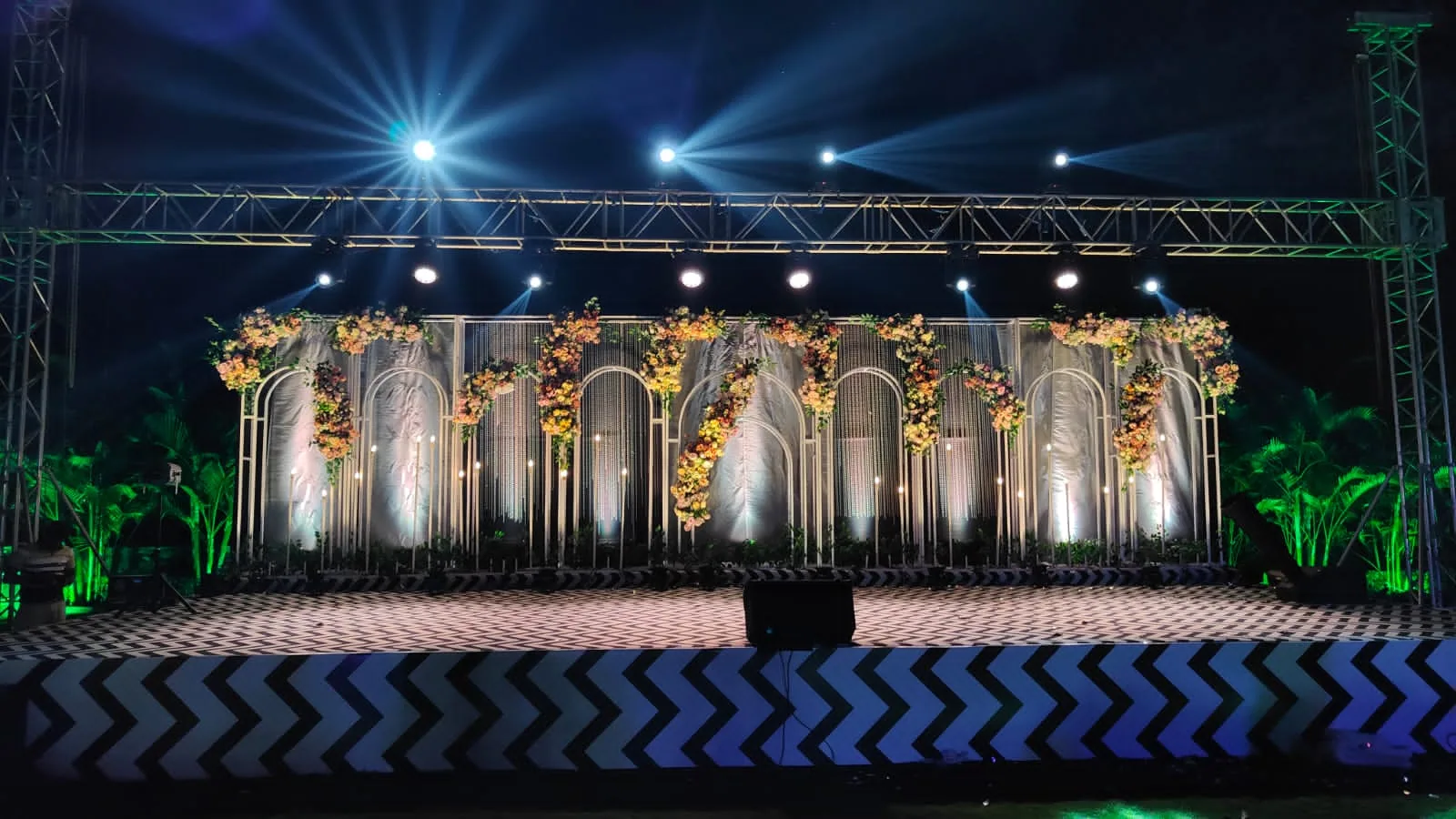
The technical production backbone transforms a plain conference room into an engaging corporate environment. Sound systems, professional lighting rigs, LED walls, and custom stage backdrops are essential for professional presentations and award ceremonies. However, these elements require skilled technicians and careful planning to execute safely and effectively.
Balancing Visual Impact and Practicality
Investing in a massive LED screen makes sense when you have hundreds of attendees seated far back in a hall, but smaller boardrooms only need a modest display or standard projection. Similarly, dynamic stage lighting enhances the mood during recognition events, whereas routine training sessions only require clear, glare-free ambient illumination.
Avoid over-engineering your technical rider with items your audience will barely notice. Focus your budget on crystal-clear audio and sharp visuals so your speakers deliver their message without technical interruptions.
Travel, Accommodation, and Ground Transportation
Bringing together teams from multiple regional offices or flying in guest speakers introduces travel and stay expenses into your budget. Managing flights, hotel rooms, airport transfers, and local commutes requires meticulous timing to ensure everyone arrives fresh and on schedule, especially when navigating busy corridors around places like Kharadi.
Coordinating Multi-City Logistics
Transportation costs depend heavily on the distance traveled, vehicle sizes, and the number of trips required. Group buses or dedicated cabs are often more cost-effective and easier to track than reimbursing individual personal travel. When booking accommodations, proximity to the main event venue reduces transit delays and keeps everyone on track.
- Book room blocks well ahead of peak business travel seasons.
- Consolidate airport pickups into scheduled shuttle slots where possible.
- Maintain a dedicated transport desk at the hotel lobby for smooth coordination.
Clear communication of itineraries via digital passes or printed schedules prevents confusion and ensures your out-of-town guests feel supported throughout their stay.
Common Planning Mistakes That Inflate Corporate Budgets
Avoid These Hidden Budget Traps
Planning a business gathering requires careful attention to detail, yet many organisers fall into predictable traps that quietly drain financial resources. One of the most frequent errors is locking in commitments before finalising the attendee list. When numbers fluctuate wildly after contracts are signed, companies often pay for empty spaces or scramble to upgrade facilities at premium rates. Another major pitfall involves ignoring technical constraints until the final week. Bringing in complex lighting or heavy staging requirements without prior coordination with the property management leads to urgent overtime fees and rushed setup charges that could easily have been avoided.
Timing also plays a critical role in fiscal control. Delaying the timeline often forces teams into emergency bookings where standard discounts disappear and express delivery surcharges apply. Furthermore, overlooking auxiliary expenses such as mandatory service fees, local permits, and basic utility charges creates an unpleasant surprise when final invoices arrive. A thorough review of all vendor agreements helps catch these hidden clauses early. To keep financial control intact, maintain a centralised tracking sheet that updates automatically whenever adjustments occur, ensuring that no single department overspends without the knowledge of the main coordination team.
- Finalise attendee numbers well before signing any major venue contracts
- Review technical requirements alongside property managers early in the process
- Account for permits, utility fees, and service charges in initial estimates
- Maintain a single shared tracking document for all departmental spending
Essential Questions to Ask Before Booking Any Venue
Interrogate Your Options Before Signing
Securing the right location is arguably the most critical decision in your planning journey, yet many planning committees fail to ask the right questions before putting pen to paper. Start by clarifying what is genuinely included in the base agreement. Many properties quote a low basic rate but exclude essential infrastructure like standard seating arrangements, basic sound systems, or adequate climate control, leaving you to source these items independently at significantly higher market rates. Understanding the exact loading dock accessibility and permitted load-in hours is equally vital for a smooth setup phase.
You must also investigate operational restrictions that could impact your schedule or creative vision. Enquire about noise ordinances, strict curfew limits, and exclusive supplier policies that might prevent you from bringing in your preferred external specialists. Clarify the exact cancellation and force majeure policies in writing to protect your organisation against unforeseen disruptions. Asking these detailed questions upfront empowers your team to negotiate from a position of strength, ensuring that the chosen location matches both your operational goals and your financial boundaries without unexpected compromises down the line.
- What specific equipment and furnishings are included in the basic rental quote?
- Are there exclusive agreements that restrict bringing in independent specialists?
- What are the exact timings permitted for setup, event execution, and dismantling?
- What flexibility exists in the cancellation policy if circumstances change?
Plan Your Business Gatherings With Clarity
Balancing these financial pillars requires careful coordination, clear timelines, and a realistic understanding of what your company aims to achieve. Instead of guessing your expenses or dealing with last-minute cost overruns, let one experienced team handle every logistical detail from concept to execution. We plan, set up and run corporate meets of all scales across the region with a single point of contact for your peace of mind. Explore our tailored approach by visiting our corporate event budget guide or reach out directly to discuss your requirements. Get in touch with us via our contact page to request a detailed, itemised plan tailored specifically for your organization.
Frequently asked questions
What is the most expensive part of organizing a corporate event?
Venue rental and food arrangements typically consume the largest portion of any corporate event budget. Choosing a high-end commercial space or a luxury hotel adds substantial fixed costs, while accommodating large headcounts increases space requirements and overall operational expenses significantly.
How can I reduce audio-visual production costs without hurting quality?
You can optimize your technical expenses by assessing the actual room size and audience viewing angles rather than opting for maximum specifications automatically. Choosing standard screen sizes for smaller gatherings and renting modular lighting setups keeps your visual presentation sharp while avoiding unnecessary equipment bloat.
Does the choice of venue location affect transportation expenses?
Venue location directly dictates local travel costs and commute times for your attendees. Selecting a venue situated away from major business hubs or heavy traffic zones often requires arranging dedicated group shuttles or cabs, which adds extra line items to your overall expenditure.
When should I finalize guest counts to avoid budget overruns?
Finalizing your attendee list at least two to three weeks prior to the event prevents last-minute rush charges. Late additions often force emergency bookings for seating, materials, and transport at premium rates, which can quickly destabilize your planned financial allocations.
How do I get an accurate cost estimate for my company meet?
Requesting a detailed, itemised quotation based on your exact guest count, venue preferences, and technical needs is the most reliable approach. Sharing your specific goals and timeline allows an experienced team to break down every expected expense transparently before you commit.

Vicky founded Plan With YOLO in Pune in 2013 and leads the planning on corporate events, weddings and stage production across Maharashtra.