Promotional activities are face-to-face brand activities run where customers already are: sampling counters, roadshows, mall and retail booths, society fairs. They run in a fixed order: objective, format, sites, permissions, fabrication, staffing, live shifts, then reporting. Site permissions usually set the calendar, and the cost follows days, sites and staff.
Promotional activities are the ground-level work a brand does where its customers already are: a sampling counter inside a supermarket, a van moving between weekly markets, a game booth in a mall atrium, a stall at a housing society fair. They are planned like small events and run like shifts. This piece follows the work in the order it really falls, from the first objective to the report that lands after the final day on the floor.
Planning this in Pune? See our btl activation: one team plans and runs it with you, since 2013.
What counts as a promotional activity
A promotional activity is direct brand contact in the place where people shop, live, study or travel through. No media slot is bought. The contact is a person, a counter and a few seconds of somebody’s attention, and the result shows up as trials, conversations, sign-ups and coupon redemptions rather than views.
Two things make it different from an advertisement, and both change the planning.
- You are interrupting someone. Nobody left home that morning to meet your brand, so the first three seconds have to earn the rest of the minute.
- It is staffed. An advertisement runs by itself once booked. A promotion is people standing on a floor all day, which brings rosters, training, meals, travel and supervision into the plan.
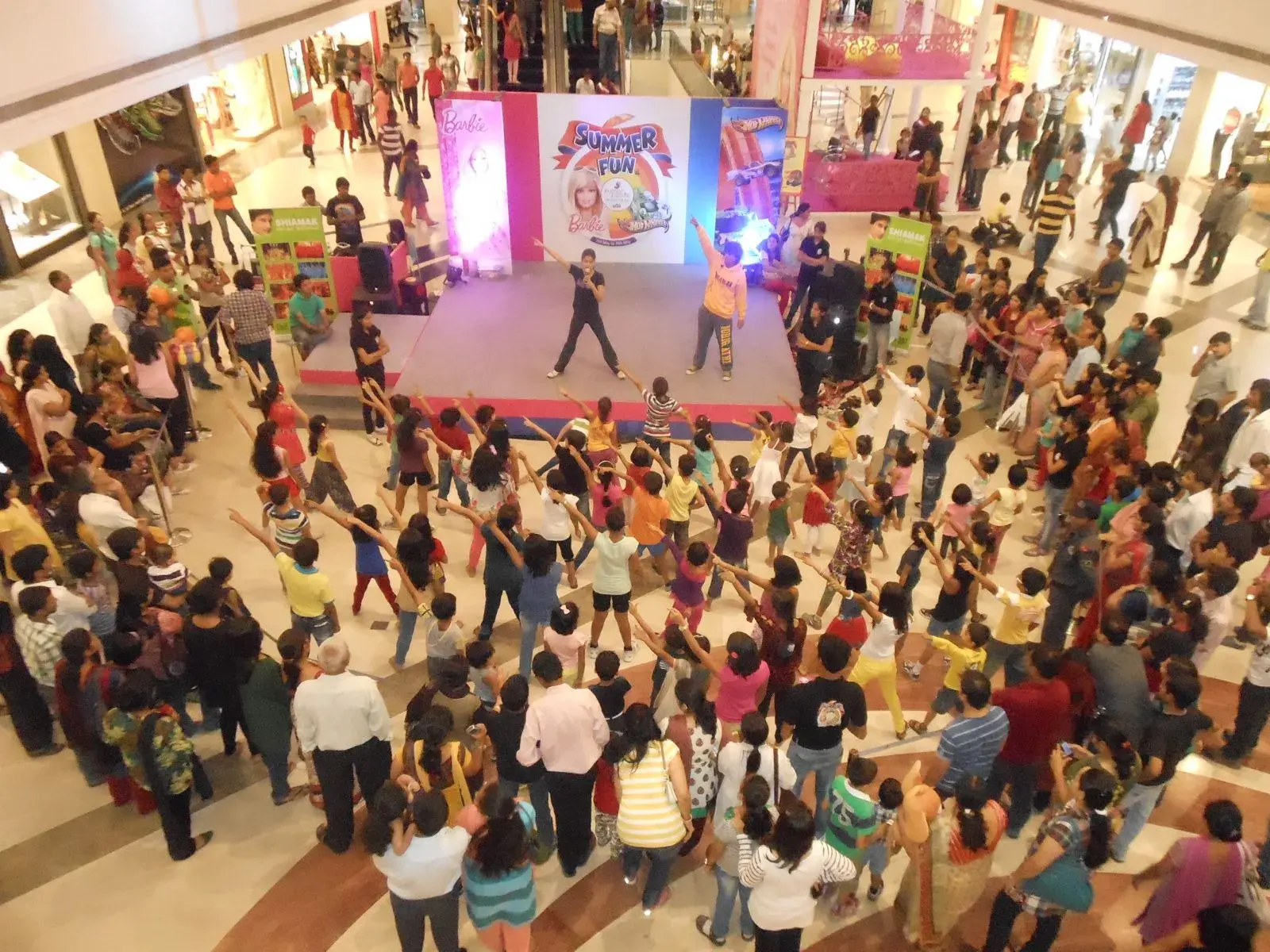
The familiar formats are sampling and demonstrations, retail and mall counters, van and roadshow routes, residential society drives, campus contact programmes and weekly market presence.
The order the work really happens in
Ground promotions move through eight stages, and a stage you skip is usually one you pay for twice.
| Stage | What happens | What exists when it closes |
|---|---|---|
| Objective and measure | The single thing the activity must produce is agreed, along with the number that will prove it | One sentence everybody on the team can repeat |
| Format and idea | The interaction is designed: what a passer-by does, in what order, inside a minute | A concept note and a rough drawing of the counter |
| Sites and dates | Locations are visited, ranked, then matched to days and shift hours | A site list with dates, hours and a reserve location |
| Permissions | Written approval from every location, plus any clearance the format itself needs | Signed layouts and confirmed build windows |
| Fabrication and print | Counter, graphics, giveaways, uniforms and data forms are produced and packed | A dispatch list set against delivery dates |
| Staffing and briefing | Promoters are hired, taught the product and rehearsed on the opening line | A roster by site and a briefing deck |
| Live shifts | Set-up, running the floor, restocking, counting, fixing whatever breaks | Daily numbers and photographs from each site |
| Reporting and handover | Numbers pulled together, contacts cleaned, learnings written down | A closing report and a contact list sales can use |
The objective decides the counter, not the other way round
Write the objective as one sentence with a measure attached, because every later decision is settled by it. Getting five hundred people to taste a new variant and leave a phone number builds a very different counter from making a new store visible to everyone crossing a junction for four days.
Three objectives come up again and again, and each one bends the design.
- Trial. The product must reach a mouth, a hand or a face. Stock quantity, hygiene and refill timing become the hardest part of the plan.
- Data. You want contacts you may lawfully call later. The interaction has to end at a form, and consent has to be recorded properly.
- Visibility with a next step. You want the area to know you exist, so the design leans on size, light, sound and a reason to walk into a nearby outlet.
Agree the objective with whoever will judge the campaign afterwards. A promotion built for trial and judged on leads looks like a failure even when it worked.
Reading a site before you book it
A recce is worth more than any footfall figure a landlord quotes you. Visit each location on the same weekday and at the same hour you intend to run, and stand there long enough to watch the pattern.
What to look at on the visit
- Which direction people walk from, and which side of the aisle they drift towards.
- Where they slow down on their own: a lift lobby, a billing queue, a gate, the edge of a food court.
- The nearest power point, and whether the location gives you a live line or expects a battery.
- Somewhere lockable for stock, because carrying cartons in and out twice a day wastes an hour of every shift.
- What is already standing beside your spot, including a competitor’s counter.
- Where the team can eat, sit and find a washroom, which quietly decides how they perform after lunch.
Rank the locations afterwards rather than booking the first one that says yes. In Pune a Sunday evening crowd in a Kothrud mall behaves nothing like a Tuesday morning crowd in the same spot, and one brand needs two different scripts for them.
Permissions set the calendar
Ask every location for its written rules before anyone starts designing, because those rules, and not the idea, decide when you can go live. Approvals arrive on their own schedule, and they are the commonest reason a start date slides.
What you collect differs by location type, but the shape is constant: a layout approved on paper, a build window, a limit on what you may hand out, a cap on staff numbers, and a rule about sound.
- Malls and large stores issue activation guidelines covering footprint, build and dismantle hours, electrical safety, staff passes and what may be sampled near which outlet.
- Housing societies decide through a committee that meets when it meets, so ask early and put the request in writing.
- Public roads and open grounds need clearance from the local authority, and anything amplified needs its own permission with a cut-off time.
- Food and drink sampling carries food-safety obligations on top of the location’s own hygiene rules, so the licence question has to be settled before stock is ordered.
Keep every approval in one folder with a named owner. On the day, a security guard who has not seen the paperwork can hold your vehicle at the gate while the shift clock runs.
Fabrication, print and what reaches the site
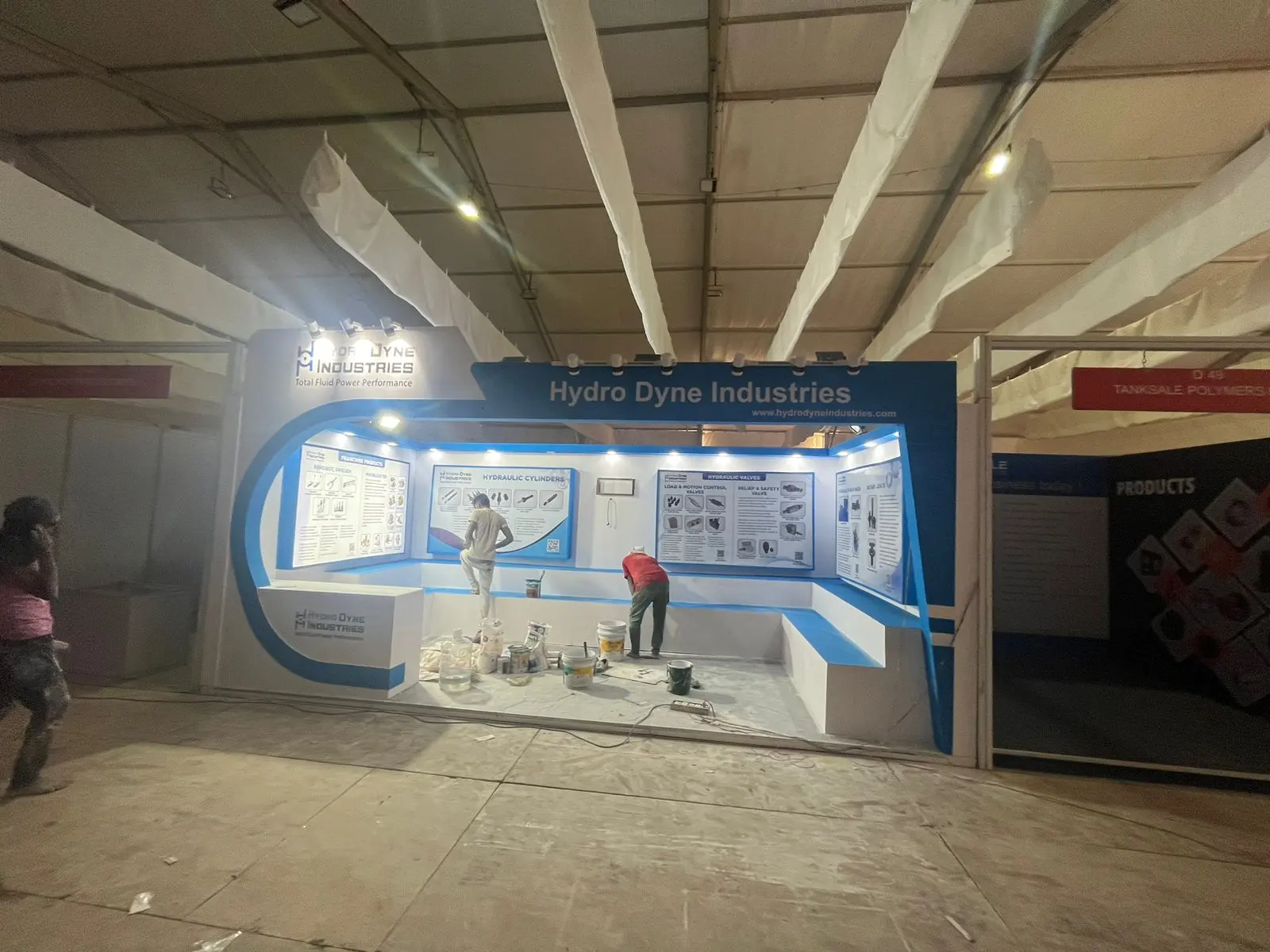
Design the counter to the approved footprint, then to the lift and the doorway. A structure that cannot be carried in has to be rebuilt, and a rebuild eats the contingency for the whole campaign.
Fix the practical constraints at drawing stage: modular panels that fit a standard vehicle, graphics that survive being packed and unpacked at eight locations, a spare of whichever panel is likeliest to tear, and weights rather than stakes wherever the floor cannot be drilled.
Pack by location, not by item. A carton labelled for Wakad holding everything that site needs beats four cartons of mixed stock somebody has to sort at seven in the morning.
Staffing the floor
The promoter is the campaign. A strong idea delivered by an unbriefed team performs worse than a plain idea delivered by people who know the product and are enjoying the day.
- A floor lead who deals with the location’s management, tracks stock and files the daily numbers.
- Inviters who step into the aisle and start conversations instead of waiting behind a counter.
- A host who runs the activity itself and keeps the queue moving.
- Somebody accountable for data, so every participant is registered rather than remembered.
Brief the team in person the day before, with the real product in their hands. Give them the opening line, the two questions customers always ask, an honest answer for the question nobody can answer, and a clear instruction on what must never be promised. Rotate roles through the day, so the person inviting at four in the afternoon is not the one who did it at ten.
How a live day is run
A shift has a rhythm, and the locations that perform are the ones that keep it. Set-up and a stock count before the doors open. A photograph of the finished counter sent to the brand team. A mid-morning check that the giveaway is not going faster than planned. A reset and restock in the quiet hour after lunch. The strongest push in the last two hours, when most locations are busiest. A close-out count of stock, forms and redemptions, then a short note on anything that changed.
File the same figures every evening in the same order, and the pattern becomes obvious by the third day. That is the whole point of daily reporting: you can move people, shift the hours or swap a slow location while the campaign is still running, which you cannot do from a document written at the end.
Reporting, and what happens to the contacts
Close with numbers set against the objective you wrote at the start, not with a photo album. Footfall at the counter, people who took part, samples used, contacts captured with consent, coupons redeemed, and whatever the nearby outlet can tell you about its own week.
Then hand the contacts over properly. Clean the list, drop incomplete entries, note which location each person came from, and pass it to sales within a few days while the memory of the counter is still fresh. A list that sits in a folder for a month is an expense, not an asset.
What moves the cost
The number is driven by a short list: how many locations, how many days at each, how many people per shift, what has to be fabricated and how often it travels, how much product you are giving away, and whether the space carries rent. Sound, lighting, a generator or a vehicle wrap each add a line of their own.
Move any one of those and the total moves with it, which is why a rate quoted over the phone means very little. Send the location list, the dates and the shift hours, and ask for the costs broken out line by line so you can see what one extra day actually buys you.
Plan your next ground campaign with Plan With YOLO
We plan, set up and run promotional activities across Pune and beyond: recce and site selection, approvals, counter design and fabrication, promoter hiring and briefing, daily supervision and an evening report, with one team you speak to throughout. Running since 2013, we have worked with 100+ brands and companies across 30+ cities.
Tell us the product, the area and the dates on our BTL activation agency in Pune page, or send the same note through our contact page. If your plan involves a moving route rather than fixed counters, the roadshow organisers page covers how those are put together, and what comes back to you is a site plan with a line-by-line quote.
Frequently asked questions
What are promotional activities?
Promotional activities are direct, face-to-face brand activities run in the places customers already visit: sampling counters, in-store demonstrations, mall and retail booths, roadshow vans, society drives and campus programmes. No media space is bought. A team meets people, gives them something to try or do, and records the trials, conversations and contacts that result.
How long does it take to plan a promotional activity?
Allow four to six weeks for a small counter programme and eight to ten for anything involving several cities, custom fabrication or public road permissions. The variable is almost never the creative work. It is approvals: mall guidelines, society committee meetings and authority clearances each move at their own pace, so start those in week one.
Who handles permissions for a promotional activity?
Your agency usually files and chases them, but the brand supplies what only it can: company documents, product details, food licences where sampling is involved and insurance papers. Agree that split in writing at the start. Keep approvals in one folder and carry printed copies, because a guard who has not seen the paperwork can stop your set-up.
How do you measure whether a promotional activity worked?
Measure against the objective written before the campaign, never after it. Count footfall at the counter, people who took part, samples used, contacts captured with consent, coupons redeemed and any sales movement at nearby outlets. Record these daily rather than weekly, so slow locations and weak shift timings can be changed while the campaign is still live.
How many staff does a promotional counter need?
A basic counter runs on three to four people per shift: a floor lead, one or two inviting passers-by, and a host running the activity. Add someone dedicated to data capture if contacts are the goal, and a second shift if the location stays open beyond eight hours. Understaffing shows up first in the afternoon.

Vicky founded Plan With YOLO in Pune in 2013 and leads the planning on corporate events, weddings and stage production across Maharashtra.