Effective all hands meeting ideas focus on short leadership updates, honest Q&A sessions, and team recognition rather than endless slide decks. Breaking the audience into smaller groups, limiting presentations to brief highlights, and keeping the energy high ensures employees stay tuned in and return to their desks feeling informed and valued.
Good all hands meeting ideas help you cut through the standard slide-deck fatigue and bring your entire office together with a shared sense of purpose. When teams gather in a city like Pune, balancing heavy business numbers with genuine human connection makes all the difference. Instead of reading out quarterly reports slide by slide, you need formats that encourage participation, celebrate actual achievements, and keep every single employee awake and involved from the first welcome to the final wrap-up.
Planning this in Pune? See our town hall event management in Pune: one team plans and runs it with you, since 2013.
Fixing the Format and Ditching the Slide Deck
Traditional company gatherings often fail because they rely on endless bullet points read aloud by different department heads. To fix this, turn your gathering into a moderated chat show or a live panel discussion. Give each speaker a strict time limit to share their key updates visually, using short video clips or striking infographics instead of dense text. When leaders speak plainly and invite questions directly from the floor, employees stop checking their phones and start listening.
Why shorter updates work better
Human attention spans drop sharply after the first twenty minutes of a monologue. Breaking your schedule into distinct twenty-minute blocks keeps the momentum alive throughout the session. You can feature a quick financial overview, followed by a product demo, and end with an open microphone segment. This rhythm respects everyone’s time and prevents fatigue from setting in early in the day.
- Limit department presentations to five minutes each.
- Use visuals and real product samples instead of corporate jargon.
- Keep the microphone moving so questions come from all corners of the room.
If you are managing this alongside a busy office park schedule in areas like Hinjewadi, keeping presentations punchy ensures teams can return to their core work without losing hours to a drawn-out meeting.
Structuring the Agenda for Maximum Engagement
A well-planned run-sheet acts as the backbone of your entire company gathering. Begin with an energetic icebreaker or a quick highlight video celebrating recent team wins. Follow this with the leadership address, but leave plenty of buffer time for the interactive segments. Rushing through the Q&A session usually leaves employees feeling ignored, so carve out a solid portion of your schedule for unscripted queries.
The ideal timing breakdown
Balancing your agenda requires careful thought about what matters most to your team. Here is a simple framework for a standard two-hour company gathering:
| Time Block | Segment Focus | Key Objective |
|---|---|---|
| 10 Mins | Welcome & Highlights | Set a warm, energetic tone |
| 30 Mins | Leadership Update | Share high-level company goals |
| 25 Mins | Department Spotlights | Showcase cross-functional wins |
| 45 Mins | Open Q&A & Awards | Address concerns and celebrate people |
Following a structured flow like this ensures no single speaker dominates the stage and keeps the audience mentally engaged from start to finish.
Designing Interactive Q&A and Feedback Loops
The question-and-answer segment is often the most revealing part of any company gathering. Instead of relying solely on brave individuals raising their hands in a crowded auditorium, set up an anonymous digital submission portal a few days before the event. This allows team members at all levels to voice genuine concerns or ask tough questions about company direction without hesitation. Address these queries transparently on stage to build deep trust across the entire organisation.
Encouraging live participation
When opening the floor for live microphones during your session, seed a few friendly questions beforehand to get the conversation started. Once the ice is broken, others will feel more comfortable sharing their thoughts. Make sure the leadership team answers honestly, even when facing difficult topics, as scripted PR answers usually alienate thoughtful employees.
- Collect questions anonymously beforehand to cover all topics.
- Ensure senior leaders answer without dodging the core issues.
- Keep wandering microphones ready to capture spontaneous feedback from the back rows.
Creating this safe environment transforms a one-way lecture into a genuine dialogue between founders, managers, and staff.
Recognising Peer Achievements and Milestones
Celebrating individual and team milestones should form the emotional core of your gathering. Publicly thanking people who went above and beyond creates a culture of appreciation that lasts long after the venue lights go down. Keep the awards meaningful by highlighting specific projects, creative problem-solving, or exceptional support shown to colleagues, rather than relying on generic performance certificates.
Making recognition feel personal
Instead of reading out long lists of names, invite the team lead or peers to share a quick, one-minute story about why the nominee deserves the spotlight. This personal touch resonates deeply with everyone in the room. You can also showcase team birthdays, work anniversaries, and personal milestones to weave a stronger community fabric within the workplace.
- Focus on specific project achievements and collaborative efforts.
- Let team leads share brief, genuine anecdotes about the nominees.
- Incorporate fun peer-nominated categories alongside formal awards.
When recognition feels heartfelt and grounded in real effort, it inspires the rest of the room to strive for excellence in their own daily work.
Planning Logistics and Venue Setup in Pune
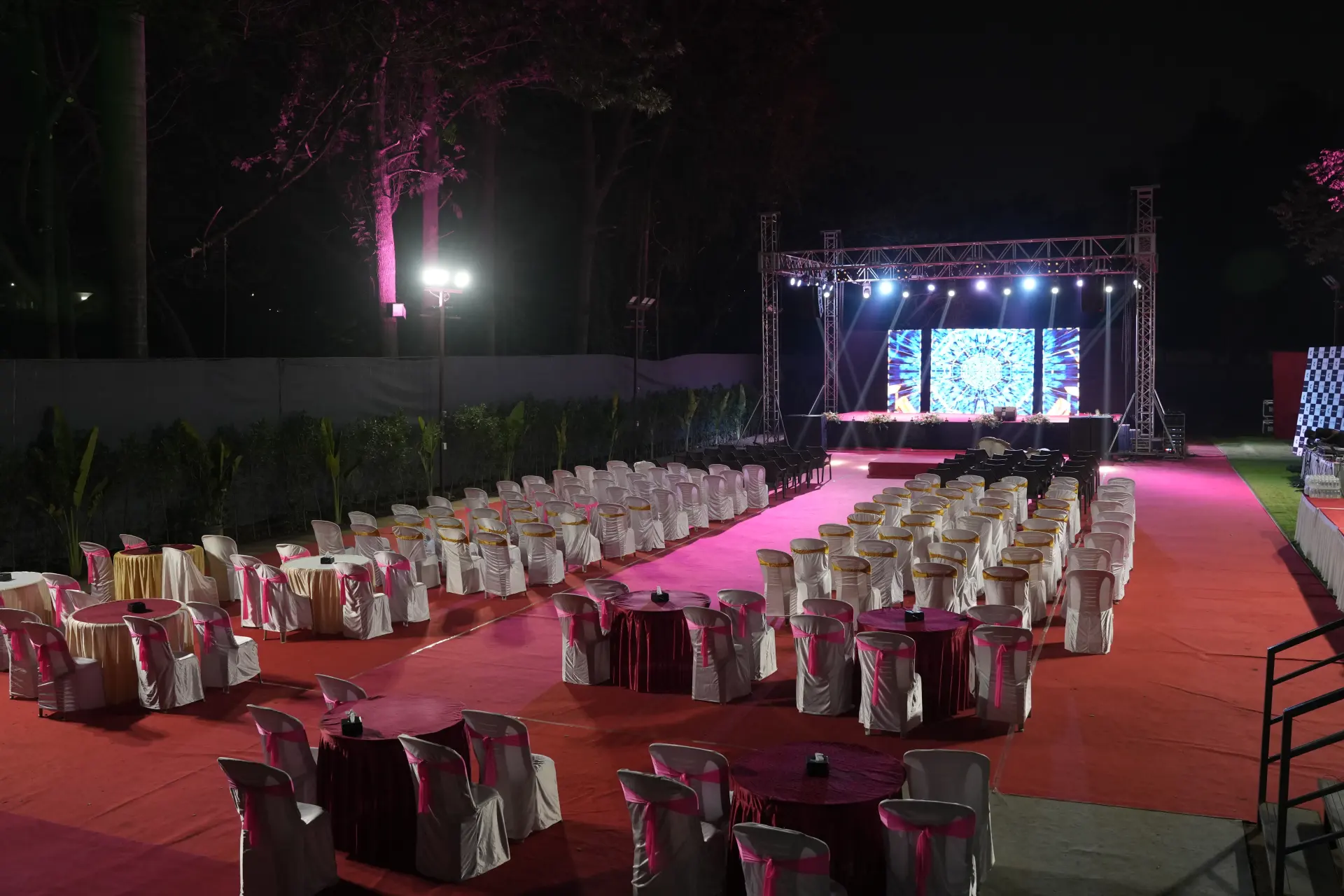
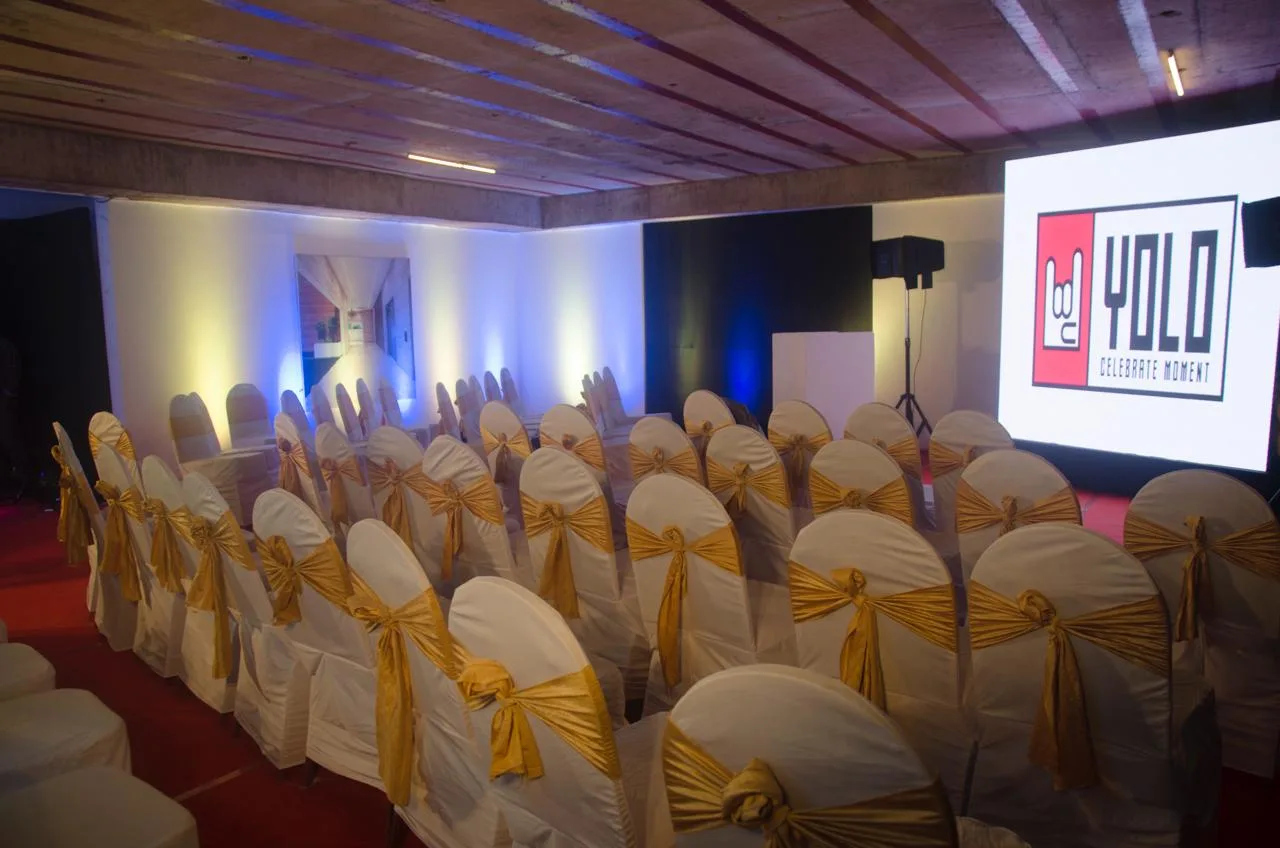
Choosing the right physical environment sets the mood before a single slide is presented. Whether you are booking a hotel banquet hall or setting up your own spacious cafeteria, the seating arrangement dictates how connected the audience feels. Avoid formal, rigid rows where people feel trapped; instead, opt for cluster seating or theatre-style layouts with wide aisles for easy microphone movement.
Managing local traffic and timelines
Pune traffic can easily disrupt your event schedule if attendees get stuck on routes like Baner Road during peak morning hours. Send out clear travel reminders well in advance and plan your start time with a generous buffer for late arrivals. Having one central coordination team manage the audio-visual checks, stage lighting, and attendee seating ensures everything runs smoothly without a hitch.
- Test all microphones and projectors at least two hours before guests arrive.
- Arrange comfortable seating that offers clear sightlines to the main LED display.
- Coordinate closely with your company’s chosen caterer for tea breaks and post-meeting networking.
A well-executed physical setup removes logistical friction, allowing everyone to focus entirely on the core business discussions and team bonding.
Bring Your Next Company Gathering to Life
Designing a memorable company gathering requires careful planning, crisp audiovisual execution, and a clear focus on what your team actually cares about. Whether you are planning your quarterly review or an annual company address, having an experienced crew handle the logistics lets your leadership team focus on the message. Check out our town hall event management services to see how we handle everything from stage design to run-sheet coordination. Reach out to us today to discuss your vision and ask for an itemised plan tailored to your company’s specific goals.
Frequently asked questions
How often should a company host an all-hands meeting?
Most growing companies find that holding these sessions once every quarter strikes the right balance. This frequency gives teams enough time to hit new milestones and review meaningful data without overwhelming regular work schedules or draining leadership time.
What is the best way to keep remote employees engaged during a hybrid all-hands meeting?
Keeping remote staff engaged requires dedicated live chat moderators, clear camera angles focusing on the stage, and interactive digital polling tools. Directing specific questions to remote team members also ensures they feel included in the live discussion.
How long should an all-hands meeting run?
An ideal all-hands meeting should last between ninety minutes and two hours. This window provides enough time for leadership updates, department showcases, and open Q&A sessions without causing audience fatigue or disrupting the entire workday.
What equipment is essential for a large corporate all-hands meeting?
Essential equipment includes a bright LED wall or high-definition projector, wireless lapel microphones for speakers, roving handheld microphones for audience questions, and robust audio speakers. Good stage lighting also ensures your presenters look sharp on video.
How can we encourage employees to ask questions during the meeting?
Encouraging participation works best when you allow anonymous digital question submissions prior to the event. Pairing this with a friendly, relaxed Q&A host helps break down the formality and makes staff feel safe sharing their thoughts.

Vicky founded Plan With YOLO in Pune in 2013 and leads the planning on corporate events, weddings and stage production across Maharashtra.