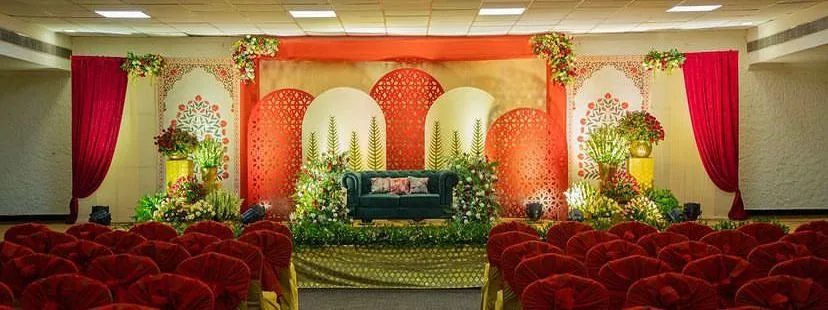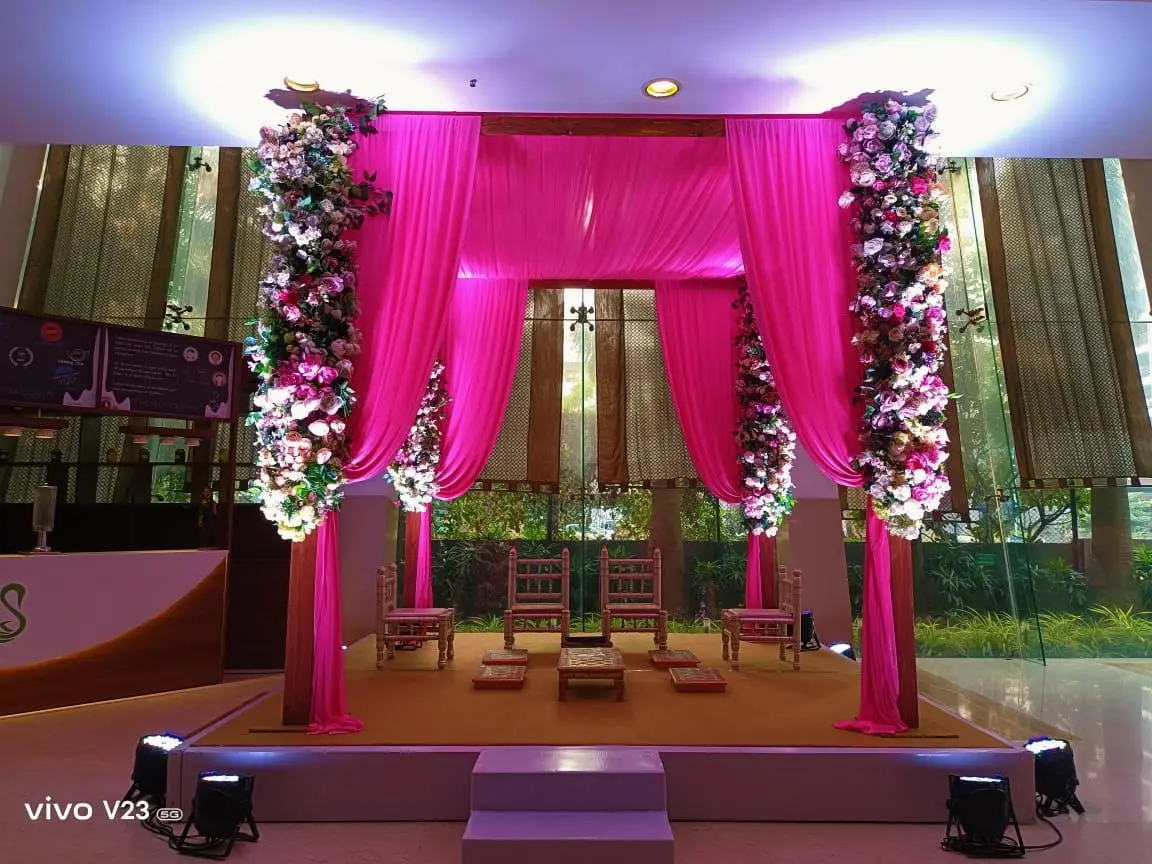

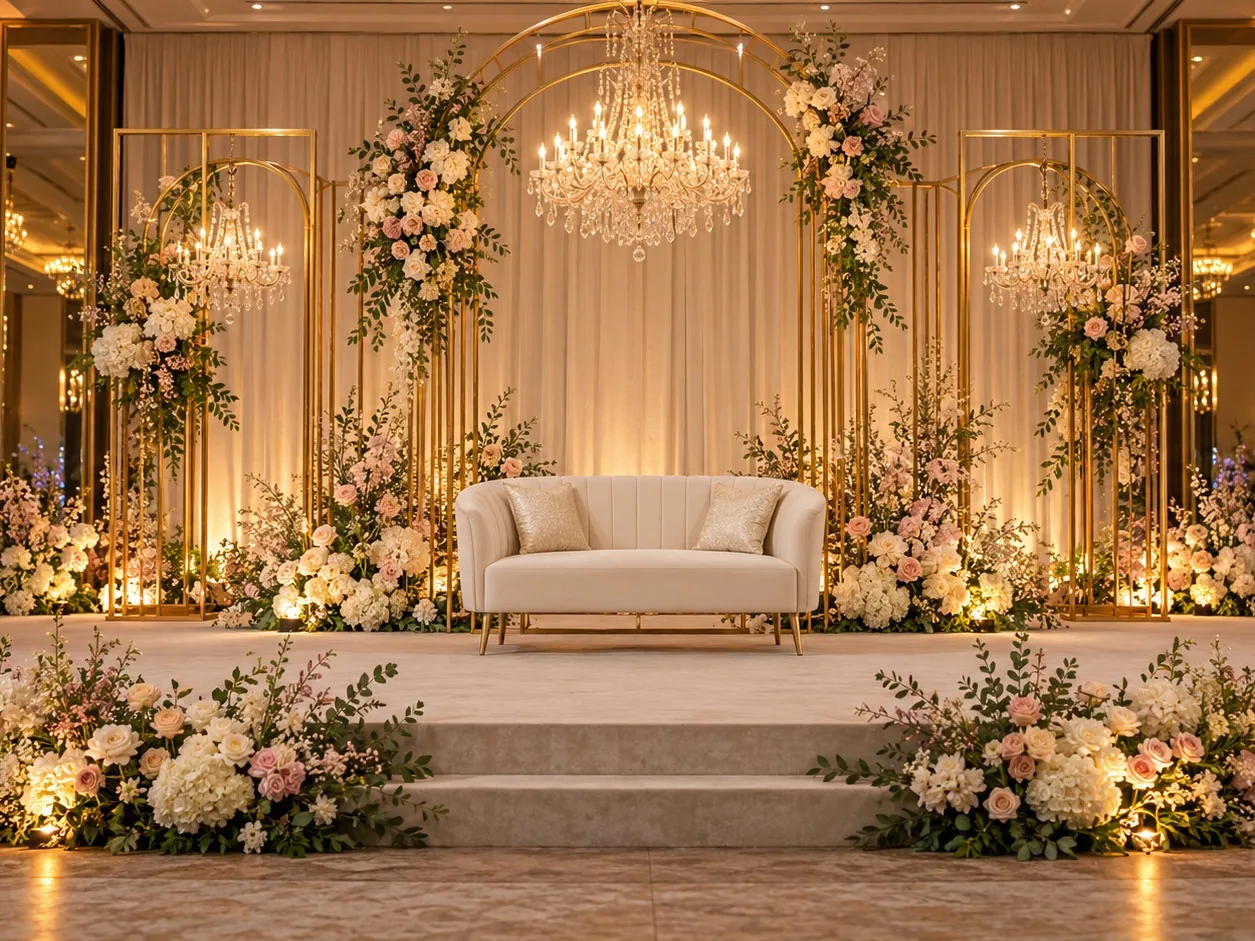
Good wedding lighting ideas focus on layering different fixtures to set the right mood. You should combine warm ambient washing with focused pin-spots on floral stages and dining tables. Avoid cold blue or harsh white bulbs, and always plan your power loads early with the venue management.
Finding practical wedding lighting ideas is the easiest way to completely change how your venue looks and feels after dark. Many couples spend months picking out flowers and fabrics, only to let harsh fluorescent bulbs ruin the photos. Good illumination does not happen by accident. It takes careful planning to mix ambient glows with focused beams so your guests feel comfortable and every corner of the lawn glows softly.
Planning this in Pune? See our sound and lighting for events in Pune: one team plans and runs it with you, since 2013.
Layering Ambient and Task Fixtures
A successful lighting plan relies on layering different types of bulbs rather than flooding the entire space with one harsh source. You need ambient light to help guests see where they are walking, task light for dining areas, and accent light to highlight key decor pieces. Start with a base layer of soft perimeter washing. This eliminates dark shadows around the edges of the venue.
Balancing Different Heights
When you set up lights at different heights, the room feels much warmer and more inviting. Floor-level cans point upward to highlight tent draping or stone walls. Mid-level pendants or fairy light curtains sit right at eye level to create intimate pockets. Overhead chandeliers or suspended bulb clusters draw the eye upward toward high ceilings or open-air sky tents. Make sure your electricians secure every cable safely along tent poles so nobody trips during the rush of the evening.
Choosing Between Warm and Cool Tones
The colour temperature of your bulbs dictates the entire emotional feel of the evening. Warm white tones around two thousand seven hundred to three thousand Kelvin mimic candlelight and make skin tones look natural in photographs. Cool white or blue bulbs tend to make spaces look sterile and feel like an office building. Stick strictly to warm golden tones for traditional ceremonies, dinner seating, and lounge areas.
Comparing Bulb Temperatures
| Bulb Type | Kelvin Range | Best Used For |
|---|---|---|
| Warm White | 2700K – 3000K | Mandap setups, dining, lounge zones |
| Neutral White | 3500K – 4100K | Buffet counters, registration desks |
| RGB Colour Changing | Variable | Sangeet dance floors, late-night parties |
You can use coloured LEDs during the late-night sangeet or cocktail party to add energy. Just keep them away from the main dining tables where people want to see what they are eating without looking like they are inside a nightclub.
Fairy Lights and Canopy Installations
Fairy lights create a magical ceiling of stars when strung across open lawns or banquet halls. Instead of a single messy tangle, ask your decorator to create structured grids using hundreds of individual copper wire strands. This creates a dense, starry blanket that photographs beautifully from below. You can also wrap fairy lights tightly around tree trunks or drape them behind sheer white fabric backdrops for a soft, diffused glow.
Safety and Power Management
Outdoor lawns require heavy-duty waterproof cabling and circuit breakers to handle moisture and dew as the night progresses. Always check with the banquet manager or farm owner about generator capacities before finalising heavy lighting loads. Running fairy lights, catering equipment, and heavy sound systems on a single weak generator will cause sudden blackouts right in the middle of your key rituals.
Uplighting Architectural Features
Uplights placed at the base of pillars, trees, or structural walls draw attention to the best architectural features of your venue. Instead of lighting up the entire open space, concentrated beams of light create dramatic vertical lines that make low ceilings feel taller and large halls feel majestic. Amber and soft gold uplights work universally across almost every colour palette.
Avoiding Over-Illumination
More light does not equal a better atmosphere. If every single corner glows at maximum brightness, the venue loses its romantic intimacy. Keep general seating areas dim and moody, while using focused pin-spots exclusively on the centerpieces, the wedding cake, and the main stage. This directs your guests’ attention naturally to the most important moments of the evening.
Chandeliers and Statement Hangings
Statement chandeliers add instant elegance over the main seating zone or the dance floor. Whether you choose crystal fixtures for a classic ballroom feel or rustic wooden frames wrapped in green foliage for an outdoor farm wedding, hanging pieces anchor the middle of the room. They act as natural focal points and fill empty overhead space.
Securing Heavy Fixtures Safely
Never compromise on structural safety when hanging heavy chandeliers from tent poles or ceiling trusses. Insist that the installation crew uses rated rigging gear and tests weight limits well before guests arrive. A secure setup lets you enjoy the celebration without worrying about overhead stability during sudden evening wind gusts.
Working With Planners on the Timeline
Good lighting requires careful coordination between your decorator, your venue managers, and your wedding planner. Electricians need clear access to the site hours before guests arrive to test every dimmer switch and run extension cords safely under protective rubber mats. Daylight testing is essential to make sure timers and directional beams hit their marks precisely as the sun goes down.
Final Checklist for Evening Glow
- Test all generator backups and fuel levels by late afternoon.
- Confirm that dimmer switches are installed for post-ceremony dining.
- Keep spare bulbs and extra extension leads stored neatly backstage.
- Assign one technician to monitor power loads throughout the entire reception.
By sorting these technical details early, you ensure the atmosphere stays warm, bright, and completely trouble-free from the first guest’s arrival until the very last dance.
Common Lighting Mistakes to Avoid on Your Big Day
Steering Clear of Typical Setup Errors
When finalising your venue decor, it is very easy to get carried away with visual aesthetics while forgetting basic practical requirements. One major pitfall is failing to check power supply locations across the venue grounds. Overloading a single circuit with too many heavy fixtures can cause sudden blackouts right in the middle of your main celebrations. Always map out your power sources with the venue manager well before the event date to ensure everything runs smoothly.
Another common misstep is relying on a single type of illumination for the entire space. Using only harsh overhead bulbs washes out photographs and makes the venue feel more like a corporate office than a celebratory gathering. Mixing soft glowing elements with focused spotlights adds much-needed depth and dimension to your photographs.
- Ignoring power load capacities and generator backups
- Placing bright spotlights directly where guests sit and dine
- Forgetting to test battery-operated decor pieces before sunset
- Overlooking how daylight transitions into evening shadows
Finally, do not leave your final illumination check until the guests have already arrived. Take time during late afternoon to walk through the entire property. Look closely at dark corners, pathways leading to parking areas, and buffet counters. Making small adjustments to fixture angles before the ceremony begins guarantees a polished look throughout the evening without causing any unnecessary stress for you or your family members.
Important Questions to Ask Before Booking Your Setup
What to Clarify with Your Decor Team
Before you finalise any agreements for your celebration space, having a clear conversation with your setup crew is vital. You need absolute clarity on what is included in the package and who takes responsibility if a bulb burns out midway through the evening. Asking the right questions early saves you from unexpected surprises and ensures your vision comes to life exactly as planned.
Start by asking about their experience with venues similar to yours. Every property has unique architectural challenges, from low ceilings to sprawling outdoor lawns that require specific mounting techniques. Understanding how the team handles these spatial quirks gives you greater peace of mind as your wedding day approaches.
- Do you provide backup generators and spare extension cords on-site?
- What is the exact schedule for installation and dismantling after the event?
- Can we adjust the brightness levels and color tones during the reception?
- Who remains on-site during the celebration to manage sudden technical issues?
Taking time to review these details ensures smooth coordination between your design team and the venue staff. By addressing technical requirements upfront, you create a stress-free environment that lets you focus entirely on enjoying your celebrations with loved ones under a beautifully illuminated canopy.
Plan Your Perfect Wedding Setup
Creating the right atmosphere takes careful coordination of power loads, fixture placement, and decor styling. We help you plan, set up and run every detail so your celebration looks stunning from every angle. Take a look at our sound and lighting for events in Pune page to see how we handle technical setups for local celebrations. Get in touch with us today to discuss your plans and request an itemised plan for your upcoming wedding day.
Frequently asked questions
How early should lighting installation begin on the wedding day?
Lighting installation should always begin at least six to eight hours before the first guests arrive. This leaves enough time to run cables safely, test generator loads, adjust dimmer switches, and make sure every spotlight hits its mark before sunset.
Are fairy lights safe to use outdoors on damp lawns?
Fairy lights are completely safe for outdoor lawns when using weather-rated, waterproof cables and proper circuit breakers. Your setup crew must protect all plug points from ground moisture and evening dew to prevent any electrical tripping during the function.
What colour temperature works best for evening wedding receptions?
Warm white light ranging between two thousand seven hundred and three thousand Kelvin works best for wedding receptions. It creates a cosy, welcoming atmosphere and ensures that photographs capture natural skin tones without looking washed out or cold.
How do I prevent generator power failures during the wedding?
You prevent generator failures by calculating total wattage needs in advance and keeping a dedicated backup generator on standby. Always separate high-draw catering equipment loads from delicate lighting and sound circuits to maintain stable power.
Can uplighting be adjusted during different parts of the wedding?
Uplighting can easily be adjusted using programmable controllers or simple dimmer boards throughout the event. You can keep lights bright during arrival and dinner, then dim them down or shift colours as the evening dancing starts.

Vicky founded Plan With YOLO in Pune in 2013 and leads the planning on corporate events, weddings and stage production across Maharashtra.