Choosing between vinyl vs flex printing comes down to your display duration, finish quality, and where the material will be installed. Flex works well for temporary outdoor hoardings, while vinyl offers a sharper finish, tear resistance, and longevity for retail signage and vehicle branding.
When planning signage or event backdrops, understanding vinyl vs flex printing helps you pick the right material for your budget and location. Choosing the wrong substrate can lead to faded colours, sagging banners, or peeling edges after just a few weeks under the sun. Deciding between these two common options requires looking at how long your display needs to last, whether it faces direct weather, and the viewing distance of your graphics.
Planning this in Pune? See our vinyl printing in Pune: one team plans and runs it with you, since 2013.
Understanding Flex Printing: Materials and Common Uses
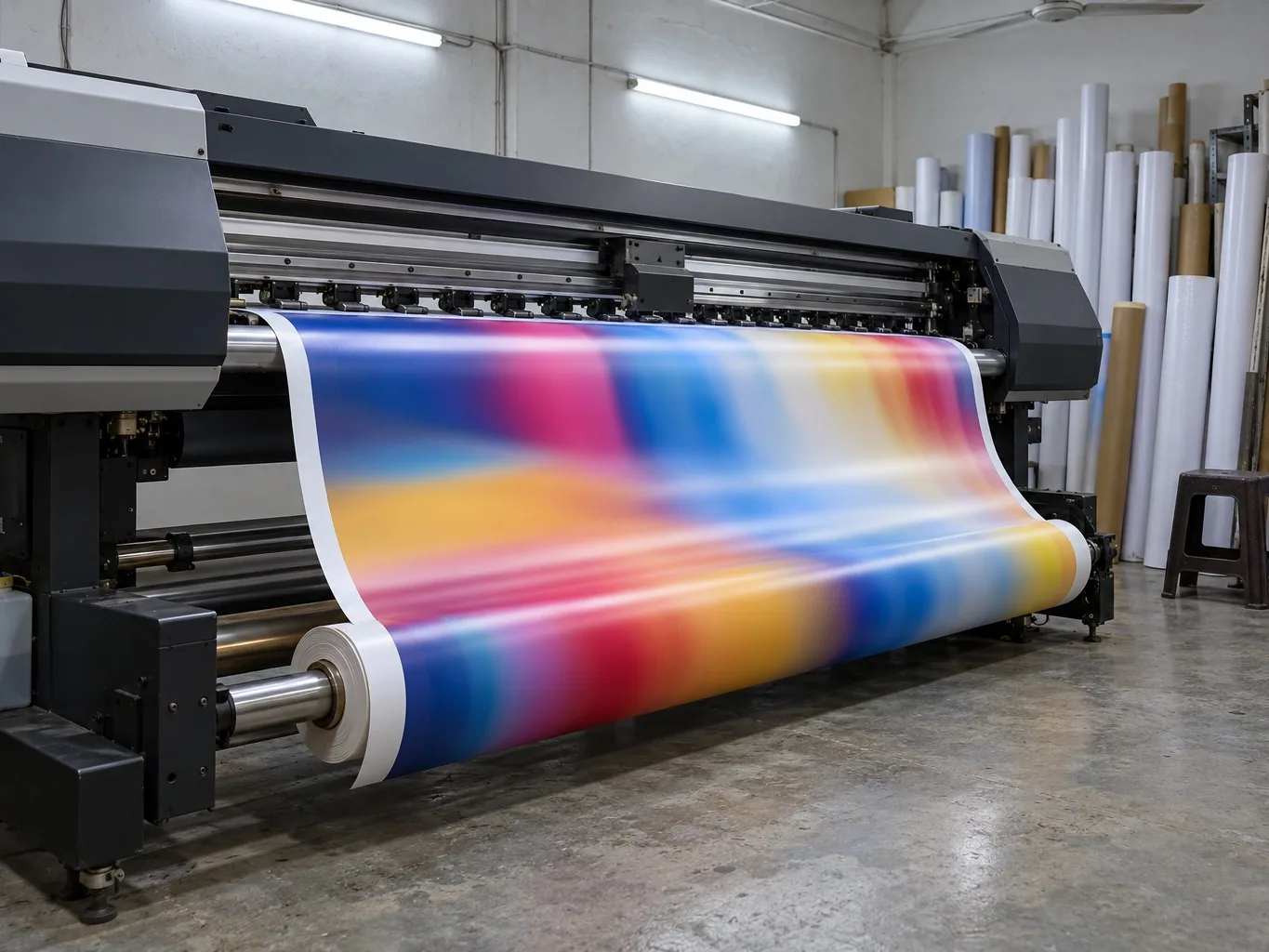
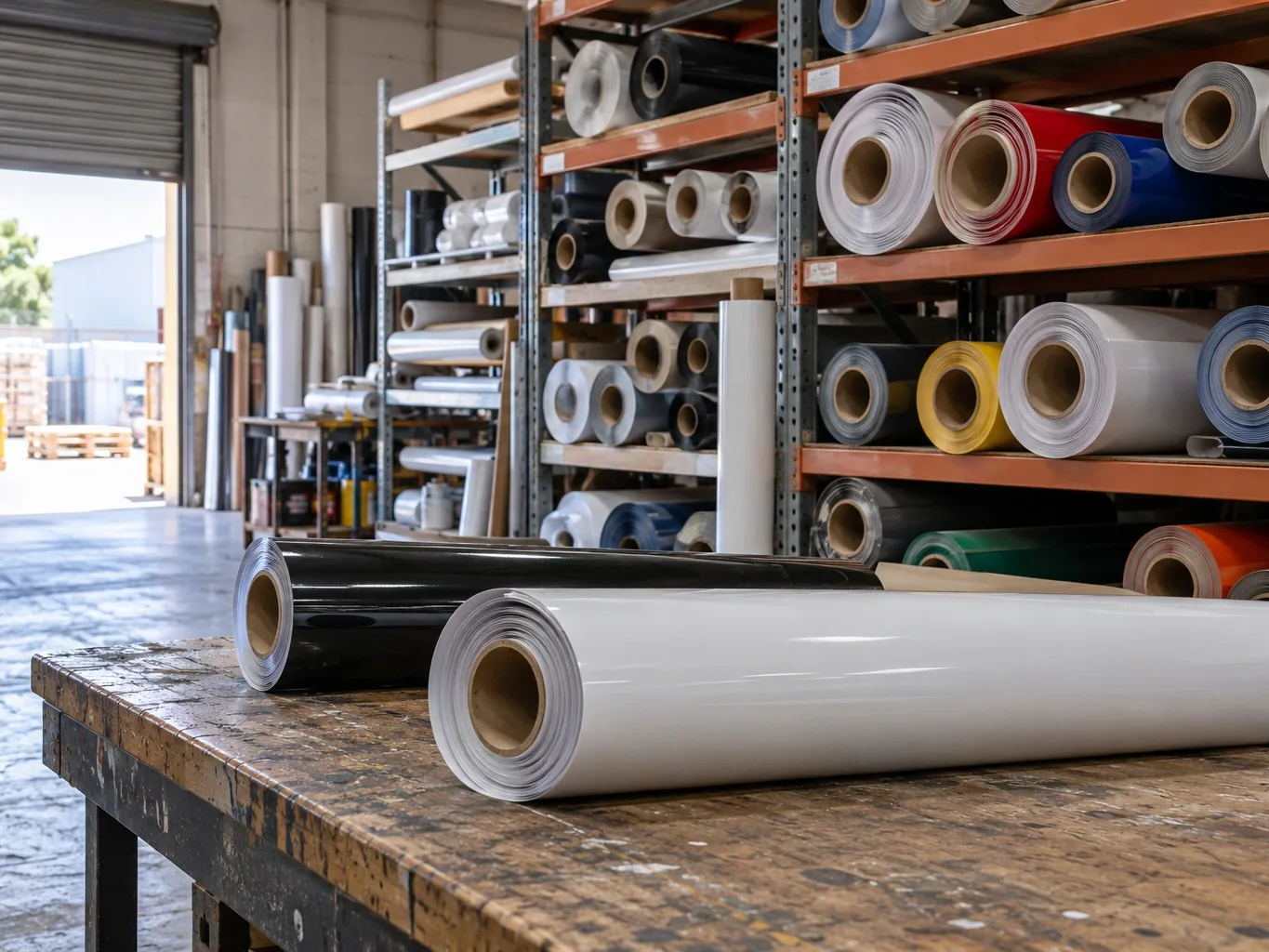
Flex material is a PVC-based banner substrate reinforced with a woven polyester scrim. This mesh-like inner layer gives the material its tear strength while keeping it lightweight and flexible. It is the standard choice for large outdoor displays where viewers stand several metres away.
Where Flex Works Best
- Temporary outdoor hoardings and road-side banners
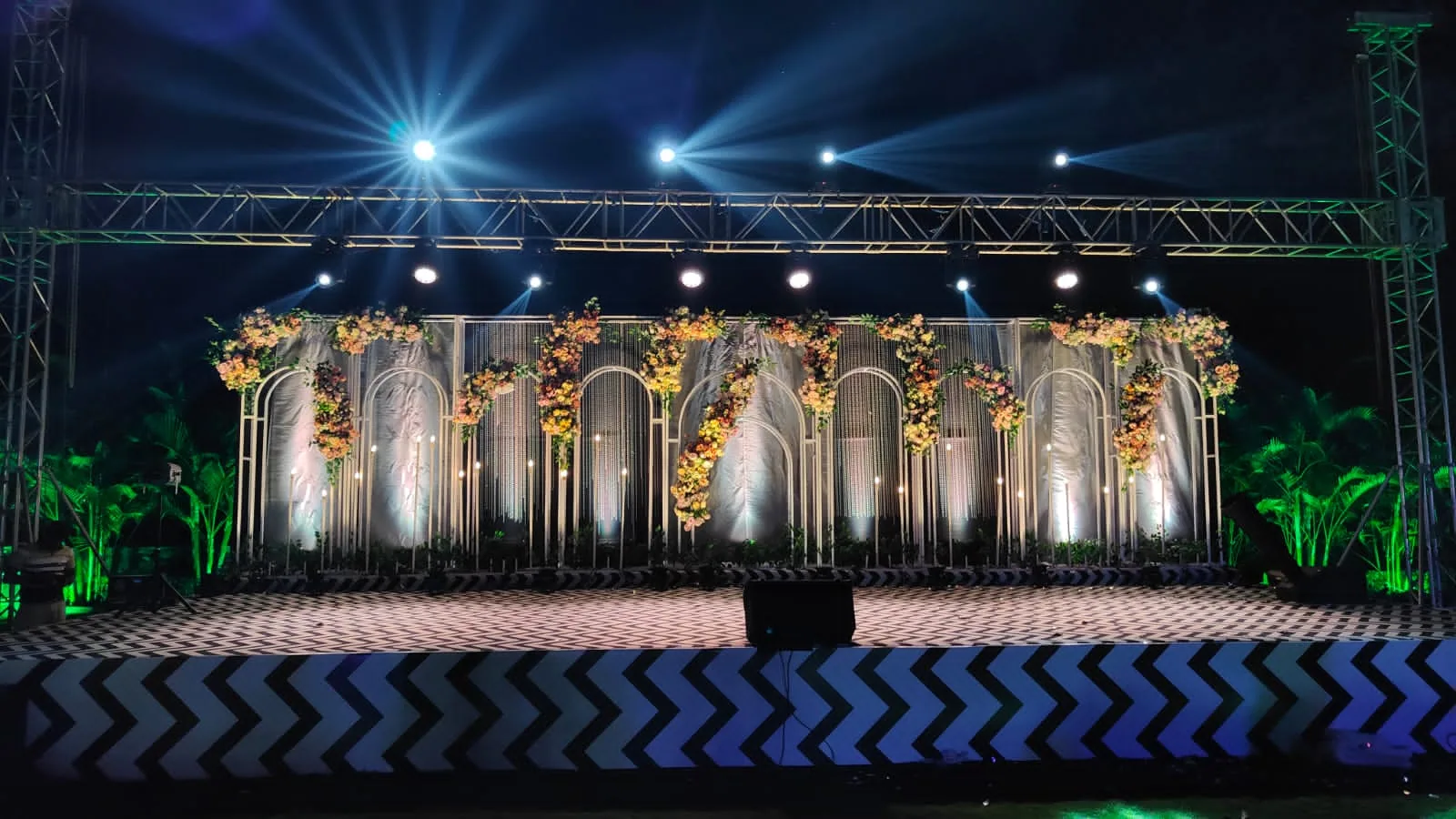
- Event entrance arches and stage backdrops
- Exhibition directional signage
Because flex rolls come in wide formats, you can cover large spans without joining multiple panels. However, printed ink sits on top of the PVC layer and can crack or fade over time if exposed to harsh UV rays and heavy monsoon rains.
Understanding Vinyl Printing: Materials and Common Uses
Vinyl is a thinner, denser plastic film with an adhesive backing or solid construction designed for smooth application. Unlike flex, vinyl can be laminated with a gloss or matte protective layer that shields the printed pigments from scratches, dust, and moisture.
Where Vinyl Works Best
- Retail storefront branding and glass door graphics
- Vehicle wraps and corporate car decals
- Smooth indoor display panels and sunboard mounts
Vinyl offers a crisp, photographic finish that holds up well to close-up viewing. It does not stretch like flex, making it ideal for precision application on flat walls or curved metal surfaces.
Comparing Durability and Weather Resistance
Weather resilience is often the deciding factor for outdoor advertising in Maharashtra. Flex handles high wind loads well if grommets and wind slits are added, but standard flex tends to degrade after six to twelve months outdoors. Vinyl, especially when paired with cast grade film and protective lamination, withstands sun and rain for years without losing colour depth.
Key Durability Factors
- UV Exposure: Vinyl lamination blocks fading much better than standard flex coatings.
- Wind Resistance: Flex is prone to tearing at eyelets under strong gusts unless mounted securely to a wooden or iron frame.
- Surface Contact: Vinyl adheres directly to solid boards, preventing the flapping noise common with loose banners.
Comparing Finish Quality and Viewing Distance
The visual texture of your printed material dictates how professional your brand appears up close. Flex has a subtle woven grid pattern visible if someone stands close to the banner. Vinyl provides a smooth, uniform canvas that allows fine text and intricate logo details to remain sharp.
| Feature | Flex Printing | Vinyl Printing |
|---|---|---|
| Surface Texture | Slightly textured due to scrim | Smooth, flat finish |
| Up-Close Clarity | Best viewed from a distance | Crisp for close-up viewing |
| Backlighting | Available in backlit grades | Used with translucent films |
| Installation | Tied with ropes or cable ties | Pasted or mounted on boards |
Cost Factors and Lead Times
Material costs depend on the square footage, grade of the substrate, and finishing requirements like eyelets, hemming, or lamination. Flex generally costs less per square foot, making it economical for high-turnover campaigns. Vinyl carries a higher material cost but lasts longer, reducing replacement frequency for permanent brand displays.
What Affects Your Timeline
- Design Readiness: High-resolution vector files speed up prepress checks.
- Finishing Steps: Lamination and cutting take extra time compared to direct printing and rolling.
- Installation Method: Pasting vinyl onto smooth walls requires skilled hands to avoid air bubbles.
Making the Final Choice for Your Project
To select the right medium, ask yourself three simple questions. How long does the display need to stay up? Is the viewer standing close to the graphic or far away? Is the backing surface a wall, a glass partition, or an open frame?
For short-term promotional banners at a venue entrance, flex is practical and budget-friendly. For permanent retail signage inside a Pune showroom or exterior glass branding, vinyl delivers the polished finish your business needs.
What to Ask Before Booking Your Signage Material
Essential Questions for Your Print Provider
Booking the right display material requires a quick chat with your print provider to ensure your branding looks sharp and professional throughout the event. Before finalising your order, you should always ask about the expected lifespan of the display under direct sunlight and heavy rain. Many planners forget to check whether the chosen substrate is fire retardant, which is a mandatory safety requirement for indoor corporate venues and exhibition halls.
- Ask about the specific gauge or weight of the material to ensure it meets your structural needs.
- Confirm the mounting requirements, such as whether eyelets, pole pockets, or wooden frames are included.
- Inquire about ink fading resistance when exposed to intense outdoor light over long durations.
Another crucial conversation involves checking the colour profile setup before the final print run goes live. Ask your provider if they offer digital proofing or test swatches, especially if your corporate brand relies on strict pantone matching. Clarify the exact delivery timelines, keeping buffer days in hand for unforeseen transport delays or emergency touchups. Taking these simple precautions beforehand guarantees that your visual assets arrive in pristine condition and match your original design expectations without any last-minute surprises on site.
Step-by-Step Workflow for a Successful Signage Setup
From Digital Canvas to Venue Installation
Managing large print installations smoothly comes down to following a structured order of work from concept to completion. Establishing a clear timeline helps coordinate design teams, print production units, and on-ground installation crews without causing unnecessary chaos during event setup days. Careful planning ensures every banner and display piece finds its correct home at the venue.
- Finalise vector artwork with correct bleed areas and high-resolution imagery to prevent pixelation.
- Share exact venue measurements with the production team to determine smooth panel joints.
- Select the appropriate base substrate depending on whether the application is temporary or long term.
- Coordinate dry runs or digital proofs to sign off on colour accuracy and typography legibility.
- Schedule logistics and deployment well ahead of guest arrival to allow secure mounting.
Executing this workflow methodically prevents common scheduling bottlenecks that typically happen right before an event opens its doors. By treating the production phase as a sequence of well-defined checkpoints, your team can resolve minor alignment issues or sizing corrections early. This proactive approach guarantees a polished final presentation that lifts the venue aesthetics and leaves a lasting positive impression on all attending guests and stakeholders.
Get Expert Advice on Your Print Project
Choosing the right print medium ensures your message looks sharp and lasts through the season. Whether you need durable signage or large-scale displays, we plan, set up and run the entire process for you. Explore our vinyl printing in Pune services to see how we handle your branding needs. Contact our team today to discuss your requirements and get an itemised plan tailored to your timeline.
Frequently asked questions
Which is more durable, vinyl or flex printing?
Vinyl is generally more durable than flex printing because it resists tearing, accepts protective lamination, and withstands harsh weather conditions for years. Flex works well for short-term outdoor use but degrades faster under strong sunlight and heavy rain.
Can vinyl printing be used outdoors?
Vinyl printing is well suited for outdoor use when applied to solid surfaces like ACP sheets, glass, or vehicles. High-grade cast vinyl with UV lamination resists fading and peeling even when exposed to direct sunlight and seasonal weather changes.
Is flex printing cheaper than vinyl?
Flex printing is more cost-effective per square foot than vinyl, making it the preferred choice for large temporary banners and event hoardings. Vinyl carries a higher material cost due to its fine finish, adhesive backing, and longevity.
Can I use flex banners for indoor retail branding?
Flex banners can be used indoors, but the visible woven texture and gloss reflection make them less ideal for close-up viewing. Retail stores typically choose vinyl or sunboard mounted prints for a cleaner, more professional interior look.
How do I decide which material to use for my project?
Decide based on your display duration, viewing distance, and mounting surface. Choose flex for temporary outdoor banners viewed from afar, and select vinyl for permanent store signage, glass graphics, or vehicles where clarity matters.

Vicky founded Plan With YOLO in Pune in 2013 and leads the planning on corporate events, weddings and stage production across Maharashtra.