Strong product launch ideas build curiosity before the reveal, let people try the product directly and keep the story going afterwards. Common formats include teaser campaigns, a live reveal event, hands-on demos or mall activations, creator previews and limited early offers. Choose the formats that match where your buyers already spend their time.
A new product gets one real chance at a first impression. Launch it quietly and it can take months to recover. Launch it with a clear story, a moment people can see and touch, and follow-up that keeps the conversation going, and the product starts life with momentum. Here are 15 product launch ideas, grouped by stage, with a checklist for the day itself.
Start with the launch goal and audience
Every good launch starts with one sentence: who needs to know about this product, and what should they do next?
A launch aimed at dealers needs a trade event with pricing and schemes. A launch aimed at young buyers needs social media, creators and a place to try the product. A real estate launch needs site visits and booking desks. Write down these four things before you plan any idea:
- Audience: buyers, dealers, media, investors or your sales team.
- Action: pre-order, visit a store, book a site visit, place a trade order.
- Message: the one reason the product matters, in plain words.
- Timeline: teaser period, launch day and the weeks after.
Pre-launch teaser ideas
Teasers work when they create a question in people’s minds without giving the answer away.
- 1. Countdown campaign. A daily post, hoarding or email counting down to the reveal, each showing a small detail of the product.
- 2. Mystery box to key people. Send a sealed box to dealers, media or loyal customers with instructions to open it only on launch day.
- 3. Waitlist or early-access list. Invite people to register for first access. The list becomes your launch-day audience.
- 4. Behind-the-scenes series. Short videos from design, testing or the factory floor build trust before the product is even shown.
Launch event formats
The launch event should be built around one reveal moment, with everything before it building up and everything after it letting people explore.
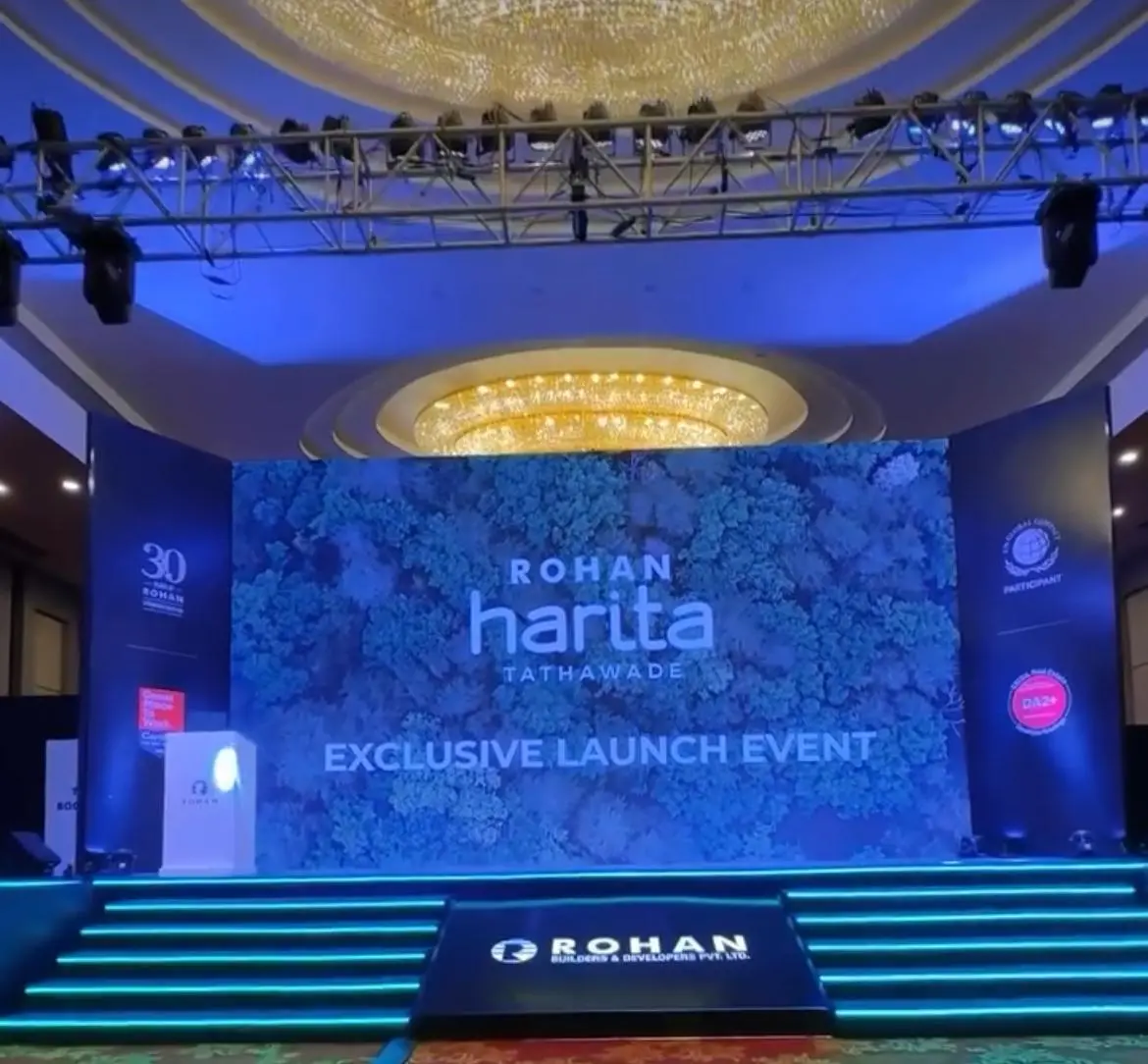
- 5. Live stage reveal. A countdown, lights down, a video on the LED wall and the product revealed on stage. It suits cars, real estate projects, appliances and anything with visual impact.
- 6. Experience zone launch. Instead of speeches, guests walk through zones where they see, touch and try the product with trained staff at each point.
- 7. Dealer and trade launch. A business session with the product, pricing and schemes, followed by recognition and dinner. This works well as part of a dealer meet.
- 8. Press preview. A small, early session for journalists and reviewers with hands-on time and a spokesperson for questions.
| Format | Best for | Main production needs |
|---|---|---|
| Live stage reveal | Big visual products, real estate, vehicles | Stage, LED wall, reveal mechanism, lighting, anchor |
| Experience zone | Gadgets, appliances, food and beverage | Zone builds, demo units, trained promoters, signage |
| Dealer launch | B2B products, building materials, auto parts | Conference setup, presentation, awards, dinner |
| Press preview | Consumer tech, lifestyle brands | Small venue, demo tables, media kits, spokesperson |
Retail and mall activation launches
Mall and retail activations put the product in front of buyers who are already in a shopping mood.
- 9. Mall atrium launch. A branded stage with a short show, product demos and a contest pulls crowds on weekend evenings.
- 10. Sampling and demo stations. For food, beverages, personal care and small gadgets, trying the product does more than any advert.
- 11. Pop-up store. A temporary branded space in a busy area for a few weeks, with launch offers and trained staff.
Mall activations need permissions, brand guidelines from the mall and a crowd plan. Our promotional activity planner page shows how we run them.
Digital and influencer launch ideas
Digital launch ideas extend the reach of a physical event to people who were never in the room.
- 12. Live stream the reveal. Stream the launch on your social channels with a host, audience questions and a link to buy or register.
- 13. Creator previews. Give products to creators who genuinely fit your audience and let them review in their own voice.
- 14. User challenge. A simple challenge around the product, with a hashtag and a prize, turns buyers into promoters.
- 15. Limited early offer. A launch-week price, bundle or gift for the first buyers gives people a reason to act now rather than later.
Paid social, content calendars and creator outreach sit under our social media marketing service.
Advertising that supports a launch
Launch advertising should run in two waves: curiosity before the reveal and a clear call to action after it.
- Outdoor: hoardings, bus shelters and mall branding near your target stores or project site.
- Print and radio: still strong for real estate, education and local retail launches.
- Digital ads: search and social ads that point to a launch page with a single action.
- On-ground: canopy activations, society activations and leaflets for hyperlocal products.
Launch-day checklist
Launch day goes smoothly when every detail has a named owner and a time.
| Item | Check |
|---|---|
| Product | Demo units tested, spares on site, reveal rehearsed twice |
| Stage and AV | Launch video, music cues and mics tested, backup laptop ready |
| People | Anchor briefed, spokespersons prepared for tough questions, promoters trained |
| Guests | RSVP list, registration desk, seating plan for VIPs and media |
| Content | Photographer and videographer with a shot list, social team posting live |
| Sales | Order forms, booking desk or QR link ready, launch offer explained |
| Follow-up | Thank-you messages and press release scheduled for the next morning |
Common launch mistakes to avoid
Most launches that fall flat fail on timing and follow-through, not on creativity.
- Launching before stock is ready. Nothing kills excitement faster than a sold-out message on day one, or dealers who cannot get the product for weeks.
- Too many messages. Pick one reason the product matters and repeat it everywhere, from the teaser to the stage script to the ads.
- A reveal nobody can see. Place the reveal where every guest and every camera has a clear view, and light it properly.
- Untrained demo staff. Promoters who cannot answer basic questions make a good product look weak. Train them and give them a one-page answer sheet.
- No plan for the day after. The launch is the start of the campaign, not the end. Have content, ads and offers ready for the following weeks.
- Ignoring permissions. Mall activations, outdoor branding and public events in India often need approvals from the mall, the society or local authorities. Build that time into the plan.
Adapting ideas to your budget
You do not need every idea on this list. A small brand can combine a countdown, a waitlist, a weekend mall activation and a creator preview. A larger launch might add a live stage reveal, a dealer launch and outdoor advertising. Start with the one idea closest to your buyer and add the rest only where they support it.
Measuring whether the launch worked
Measure a launch against the action you set at the start, not by how full the hall looked.
- Pre-orders, bookings, trade orders or leads in the first weeks
- Registrations and attendance against invitations
- Reach and engagement of launch content, and searches for the product name
- Media coverage and dealer feedback
- Cost per lead or per booking, compared with your usual channels
Plan your product launch with one team
A launch touches stage production, activations, advertising and digital all at once, and it goes wrong when these are handled by people who never speak to each other. Plan With YOLO has run launches, activations and brand events since 2013 across 30+ cities, with one team and one point of contact. See our promotional activity and launch services, look at advertising support for the campaign around it, or share your launch date for a plan and itemised quote.
Frequently asked questions
How do you launch a new product?
Launch a new product in three stages. First, define the audience and the action you want, then build curiosity with teasers for a few weeks. Next, hold a launch moment, such as a stage reveal, an experience zone or a live stream, where people see and try the product. Finally, follow up with offers, reviews and advertising to turn interest into sales.
What is a good product launch event idea?
A good product launch event is built around one strong reveal moment and hands-on time with the product. A countdown on the LED wall followed by an unveiling on stage works for visual products. For gadgets or food, an experience zone where guests try the product at trained demo stations often works better than speeches. Always stream or film the reveal for social media.
How long before launch should promotion start?
Start teaser promotion two to six weeks before launch for most consumer products, and earlier for real estate projects or products that need pre-orders. A short teaser period keeps curiosity high without people losing interest. Plan the event itself earlier still, since venue booking, stage builds, mall permissions and creator outreach all need lead time before the teaser even begins.
Should a launch be online or on-ground?
The strongest launches combine both. An on-ground event or activation gives people a real experience of the product and creates content, while online channels carry that moment to a much larger audience. Choose on-ground first when the product must be seen or tried, and online first when your buyers are spread across cities and mostly buy digitally.