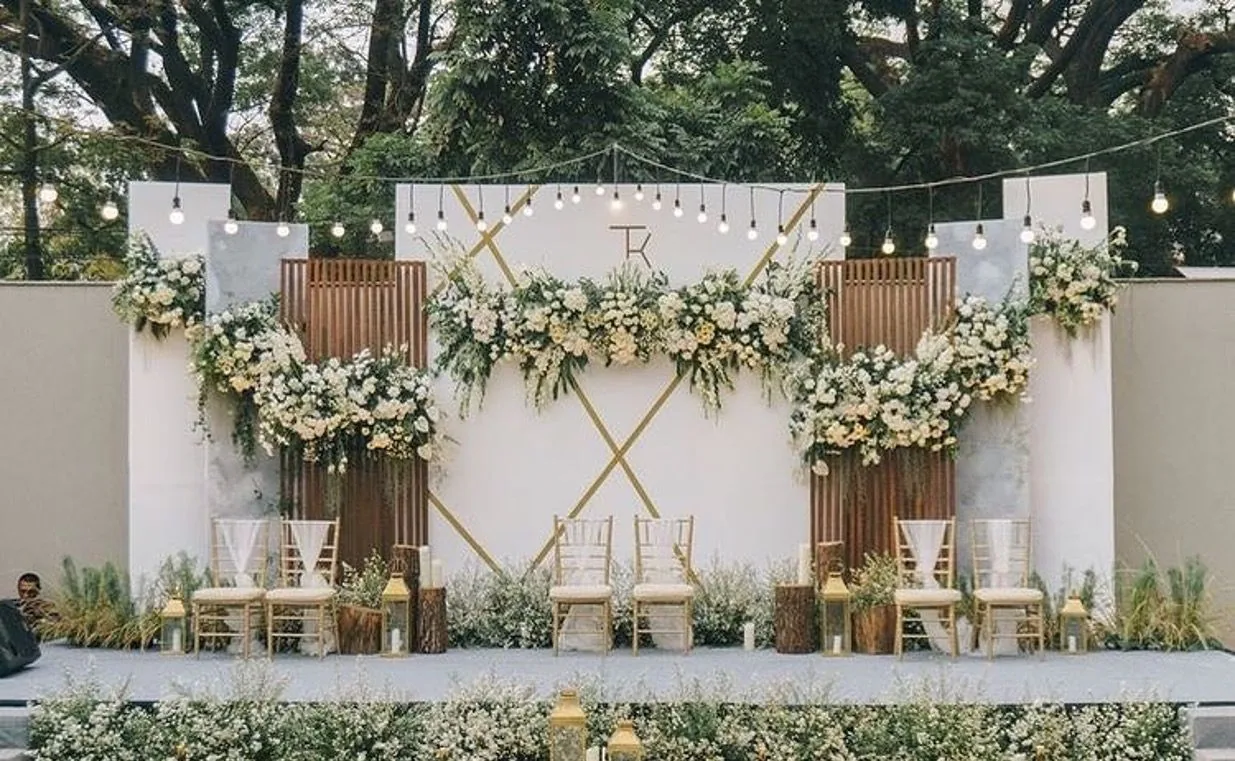
Event Anchor in PuneThe one person your audience listens to all evening

A host either holds your programme together or quietly loosens it. We match the anchor to your audience, brief them properly, and give them a script they can actually work from.

  • Corporate hosts
  • Award nights
  • Bilingual anchors
  • Marathi hosts
  • Wedding emcees
  • College fests
Event Anchor in Pune

Booking an event anchor in PuneMatch the voice to the room

Booking a host is a casting decision, not a line item. The same confident performer who lifts a college crowd can feel loud in a boardroom evening, and a polished corporate compère can go flat in front of a lawn full of families. What matters is who is sitting in front of the stage, what language they think in, and how formal the occasion genuinely is.

So we shortlist against the audience first. You see profiles and recordings from real stages rather than a studio edit, and you can speak to your choice before confirming. Once booked, the host gets a written script built from your agenda, a name and pronunciation list, a list of subjects that are off limits, and a briefing call with whoever knows the programme in most detail.

Audiences in this city are rarely single-language. A plant audience in Kothrud and a technology crowd near Aundh need different registers, and most gatherings need a host who moves between Marathi, Hindi and English without it sounding like translation.

  • Profiles and stage recordings before you confirm
  • A call with the host before booking is closed
  • Script written from your agenda, not a template
  • Pronunciation list checked against employee records
  • A named substitute held for the same date
Booking an event anchor in Pune

What booking a host coversCasting, briefing and holding the room

Hiring the person is the quick part; these six make the difference on the day.

  1. 01

    Shortlist and selection

    Profiles, recordings from real stages and a call with your shortlist, so you hear the voice before you commit to it.

  2. 02

    Script built on your agenda

    Opening, links between segments, housekeeping lines and a closing, written to the order your programme actually follows.

  3. 03

    Name and pronunciation list

    Every name, designation and technical term the host must say, written phonetically and checked before rehearsal.

  4. 04

    Briefing before the day

    A proper conversation on tone, seniority in the room, sensitivities, sponsor mentions and what must never be joked about.

  5. 05

    Time-keeping on stage

    Visible cues, agreed signals and a host who can shorten or stretch a link without the audience noticing.

  6. 06

    Audience interaction

    Games, quick rounds and giveaways used where attention dips, planned into the run rather than invented on the spot.

Stages we hostEvery room wants a different register

01

Conferences and seminars

A calm, precise host who introduces speakers accurately, protects the clock and never becomes the main act.

02

Award evenings

Citation reading, steady pacing between categories, and the discipline to keep every winner's moment equal.

03

Annual and family days

A warm host for a mixed crowd of employees, children and elders, comfortable running games between performances.

04

Product launches

Tight scripting around the reveal, with product words pronounced correctly and the message repeated without sounding repeated.

05

Dealer and channel meets

A bilingual host who can carry business content by day and an easier tone once the evening begins.

06

Weddings and sangeet nights

A host who manages families, performances and rituals gently, keeping the running order moving without rushing anyone.

07

College fests and youth events

High-energy hosting with crowd control built in, and a firm line on what stays appropriate on a campus stage.

08

Activations and store openings

Street-level hosting that gathers a crowd, repeats the offer clearly and keeps a shifting audience engaged.

How our event planning worksFrom first call to final bow.

  1. 01 Day 1

    The call

    Tell us the date, the guest count, the budget and the feeling you want in the room. We ask the questions most people forget.

    You getFirst ideas and a budget range

  2. 02 Week 1

    Concept & moodboard

    Theme, décor, stage layout and a minute-by-minute run of show, drawn up and revised until it feels like yours.

    You getMoodboard, layout and an itemised quote

  3. 03 Weeks 2–4

    Venue, vendors & permissions

    Venue shortlists, caterers, artists, anchors and the paperwork — police, music licences and venue approvals — handled by us.

    You getLocked vendors, one point of contact

  4. 04 Event eve

    Build & rehearsal

    Décor goes up, truss and LED walls are rigged, sound is checked and the anchor rehearses every cue with our show caller.

    You getA walk-through before guests arrive

  5. 05 Show day

    Showtime & wrap

    Our crew runs the floor, the stage and the guests. When it is over, we clear the venue and send you the photos.

    You getA calm host — you — and the memories

Choose the host after you know the room, never before. Audience, language and formality decide the casting, and everything else — jokes, energy, costume changes, interaction — follows from that. A brilliant performer in the wrong room is still the wrong choice.

Settle the language mix first

Ask who is actually in the seats. A leadership audience may be comfortable in English throughout; a plant or field team will warm up only when the host moves into Hindi or Marathi; a family gathering will contain grandparents who follow one language and children who follow another. Decide whether you want a single language, a natural switch between two, or a second host to share the stage. The skill you are testing is switching without translating: a good bilingual host says the next line in another language, rather than repeating the previous one. Ask for a recording from a live stage with a similar crowd, because a studio showreel proves polish but not judgement.

Work out what kind of host the evening needs

An anchor holding a formal agenda, a compère entertaining between performances and a moderator steering a panel are three different jobs, and few people are equally good at all three. For a business programme, the host should introduce, link and vanish. For a celebration, they carry energy and keep the room together through gaps. For a panel, you need someone who has read the subject and can interrupt politely. Say which of these you want when you brief, and take a view on the pair option: two hosts look lively but double the chances of cross-talk unless their split is rehearsed.

The script and the pronunciation list

Give the host everything in writing, and do it days ahead rather than in the car park. The pack should carry the running order with timings, exact designations and correct spellings, the phonetic form of every difficult name, any product or technical term they must say, the sponsors to acknowledge and where, and a plain list of subjects that stay off the stage. Mark which lines are fixed wording and which are theirs to improvise. Add names of people in the room who should not be joked about, and say clearly how the organisation likes to be described. Then talk it through on a call, because a host who has heard the context in your voice will handle the unexpected the way you would.

Where the host takes the cue from

SegmentWhat the host is doingCue they wait for
Doors openLight announcements, moving people to seatsNod from the registration desk
OpeningWelcome, housekeeping, phones and exitsConfirmation that leadership is seated
Inauguration or lamp lightingReading names and designations in orderHand signal from the stage manager
Address from the stageA short, accurate introduction, then out of framePrevious speaker leaving the lectern
Film or presentationSilence, then a clean handbackCountdown from the technical desk
Recognition segmentReading citations, pacing each walk-upTrophy desk confirming the next name
Dinner callReleasing the room in an orderly wayCatering lead signalling ready
CloseThanks, travel notes, what happens nextWrap cue from the show-caller

When the programme slips

Every programme slips, and the host is the only person the audience can see while it happens. Agree in advance what gets shortened first, what is protected whatever happens, and who makes that call from the floor. A host should stretch with content that belongs to the event rather than with jokes, and should never explain the delay or name whoever caused it. Silence for a few seconds is better than filler nobody asked for. Keep one segment in reserve that can be dropped in or pulled out at a moment’s notice, and make sure the host, the technical desk and the catering lead all know which one it is, so the recovery is a shared plan rather than an improvisation by whoever is nearest the microphone. Award evenings, where pacing across categories decides the whole night, are covered on the award ceremony event management page. Planning and producing the whole event around the host, from venue to stage and crew, sits on our event management services page; this one covers only the person holding the microphone.


Event anchor in pune — FAQsQuestions people ask us.

Can't find yours? Call or WhatsApp — a planner answers.

What does an event anchor in Pune actually do?

An anchor runs the programme from the stage: welcoming the room, introducing each segment, keeping the agenda on time and holding attention through the gaps. Good hosts also absorb problems invisibly, stretching or shortening links while the crew fixes something backstage. They are not there to perform at the audience; they are there to keep the evening moving.

How far ahead should we book a host?

Book once the date and the format are fixed, especially for the festive and year-end weeks when experienced hosts are committed early. Leave time for a briefing call and a rehearsal. Short-notice bookings are possible, but the script, the name list and the run-through are what make a host look effortless, and those need days rather than hours.

Can you provide a Marathi or bilingual anchor?

Yes. We shortlist hosts by the language mix your audience actually uses, whether that is Marathi, Hindi, English or a natural switch between them. Tell us the composition of the room, including plant teams, families or guests from other states, and we will suggest hosts who move between languages without repeating every line twice.

What drives the cost of hiring an anchor?

It depends on the host's experience and profile, the length and complexity of the programme, how much scripting and rehearsal is involved, whether it is a weekday or a peak-season date, and any travel or stay for events outside the city. Multiple hosts, costume changes and full-day formats add to it. Tell us the format and we will quote it line by line.

What should we give the anchor before the event?

Give them the running order with timings, correct names and designations, a phonetic list for difficult names, product or technical terms, sponsors to acknowledge and the subjects to avoid. Add a note on who is senior in the room. Then have a briefing call, because context explained in conversation is what helps a host improvise safely.

How does a host handle a delay on stage?

By absorbing it without announcing it. The host stretches with material that belongs to the event, brings a segment forward, or hands to a filler that was planned for exactly this moment. They do not explain the reason or name the cause. Agree beforehand what gets cut first and who signals that decision from the floor.

How do we choose the best anchor for a corporate event?

Watch a recording from a live stage with a similar audience, not a studio showreel, and speak to the person before confirming. Listen for clarity, timing and restraint rather than volume. Then check availability for a rehearsal. A host who asks you detailed questions during that first call is usually the one who will need least correction later.

Reviews & location — Plan With YOLO, PuneRated by the people we plan for.

Planning events in Pune since 2013 — 500+ events for 100+ brands across 30+ cities. Read what clients say on Trustpilot, or find our Anand Nagar office on Google Maps.

See all reviews
4.1
TrustScore · 5 reviews
  • Great EventGautam
  • User friendly experienceRahul Roushan
  • This company made sure to take care of everythingVaishnavi Todkar
  • Best Event Planner.Pranali Ladkat
  • Detailed workMolly Vernon
Read reviews on Trustpilot
G
Plan With YOLOShop 7, Ekta Nagri, Near Dwarka Apartment, Anand Nagar, Pune 411051
Directions

More from Plan With YOLOPages people read next.

Tell us who is in the room

Share your date, audience and language mix, and we will send host profiles with recordings from live stages.

Talk to a planner