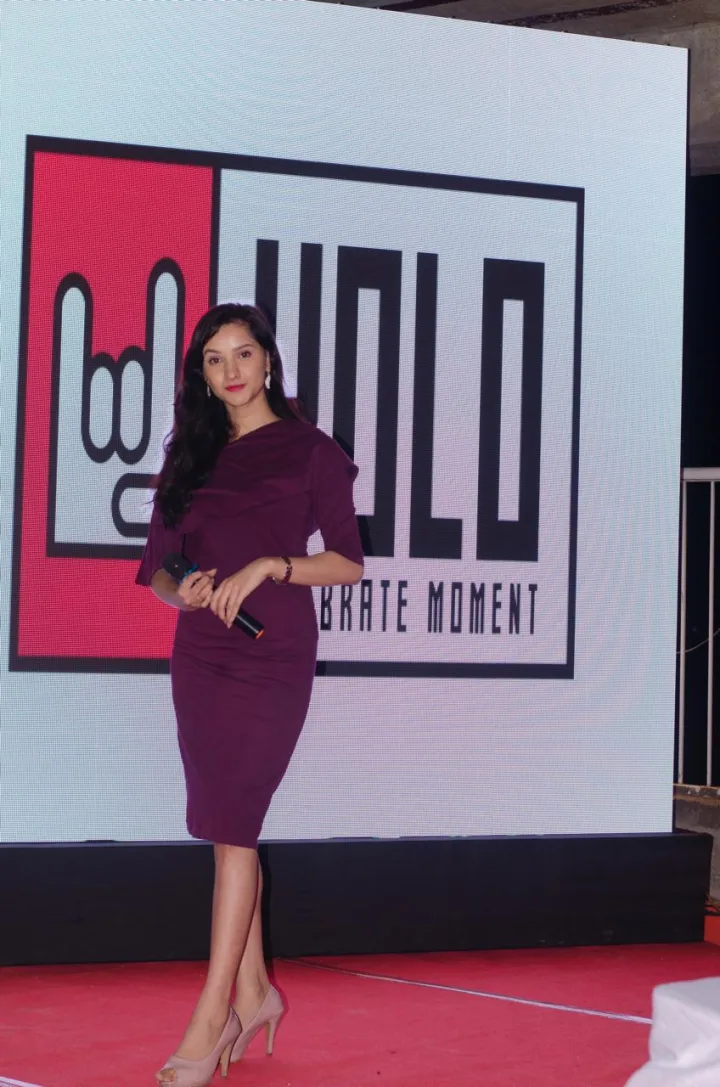
Effective employee engagement for remote teams requires balancing digital check-ins with meaningful in-person get-togethers. When hybrid staff meet regularly at a dedicated venue or office space, working relationships strengthen, communication improves, and company culture thrives beyond daily video calls.
True employee engagement for remote teams goes far beyond sending occasional gift boxes or running scheduled trivia quizzes over video calls. When your staff works from home across different neighbourhoods, keeping everyone connected takes deliberate planning. You need a rhythm that combines digital check-ins with actual face-to-face time. Whether your people operate out of home offices or travel in from places like Hinjewadi, bringing everyone under one roof for well-structured events bridges the distance and builds lasting team loyalty.
Planning this in Pune? See our employee engagement events in Pune: one team plans and runs it with you, since 2013.
Why Hybrid Formats Matter for Employee Engagement for Remote Teams
Relying solely on online meetings often leads to burnout and quiet disengagement among staff members. People miss the spontaneous chats by the coffee machine and the creative spark of brainstorming around a physical table. By introducing hybrid formats, you give remote staff a compelling reason to step away from their screens and interact directly with their peers. This balance acknowledges that while remote work offers flexibility, human connection still requires shared physical spaces.
Structuring the Hybrid Calendar
Avoid planning random get-togethers that disrupt ongoing project delivery. Instead, map out your company calendar well in advance so every team member can plan their work around these dates. Consistency matters more than grand scale. A predictable cadence of quarterly meetups or seasonal celebrations gives people something to look forward to and ensures higher attendance rates across all departments.
- Schedule major gatherings once every quarter rather than every week.
- Announce dates at least four weeks prior to allow travel planning.
- Keep digital-only sessions short, interactive, and focused on non-work topics.
When you design your annual calendar this way, attendance feels natural rather than mandatory. Teams can clear their workloads ahead of time, ensuring that when they do gather, their minds are fully present for the experience.
Planning In-Person Gatherings in Pune
When bringing dispersed staff together in Pune, location logistics can make or break your event. Traffic across major commercial hubs means that choosing an easily accessible venue saves everyone from travel frustration. Pick a central spot or a resort on the city outskirts depending on whether you are hosting a quick evening party or a full-day strategy retreat. Accessibility dictates how relaxed your team feels when they arrive at the venue.
Managing Venue Logistics and Timings
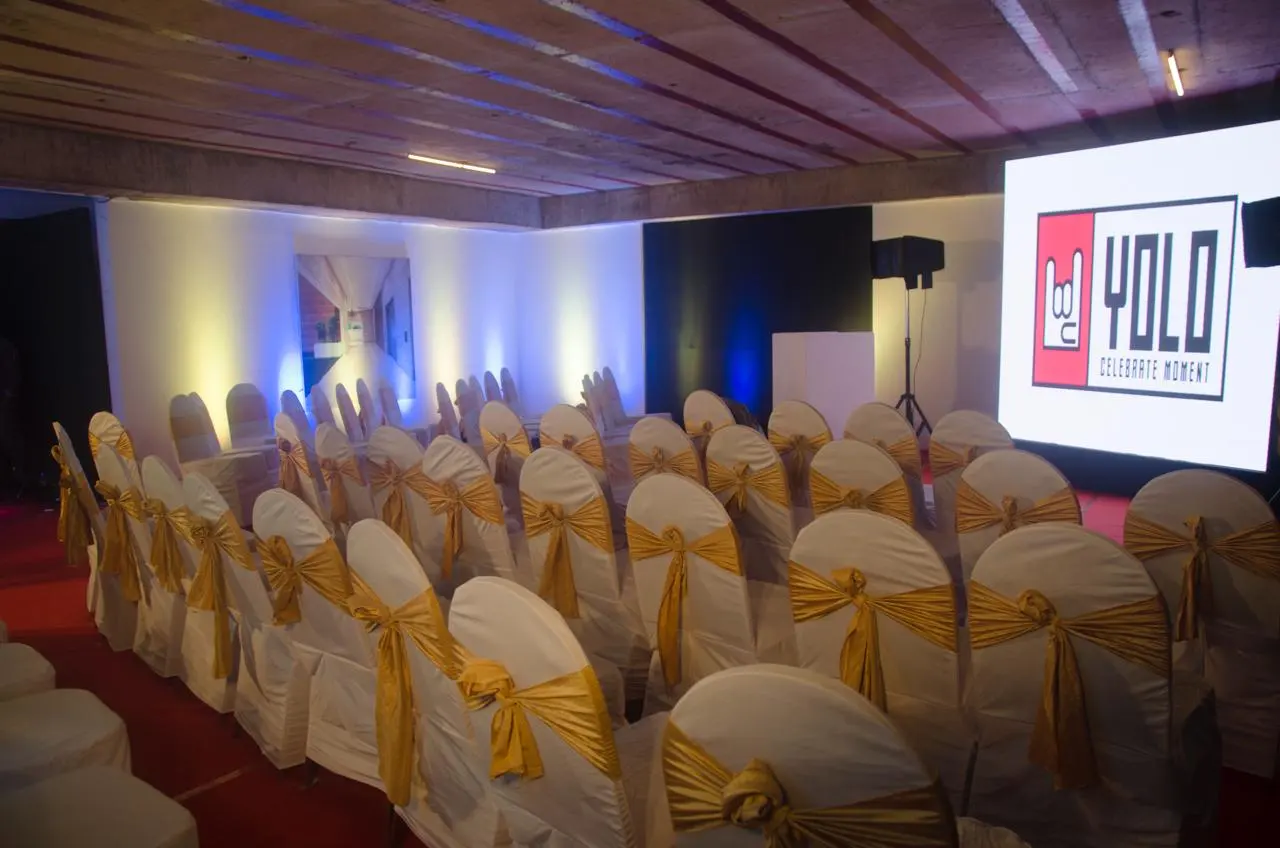
Successful in-person gatherings require careful attention to the physical comfort of your attendees. Ensure the seating arrangement encourages conversation rather than passive listening. If your office space is too small, book a dedicated corporate event venue that offers comfortable seating, good acoustics, and reliable audio-visual setups for presentations or team announcements.
- Choose venues close to major arterial roads to ease transit from residential zones.
- Ensure ample parking space if your employees are driving down from different parts of the city.
- Allow buffer time in the schedule for late arrivals due to city traffic conditions.
Taking care of these practical details shows your team that you respect their time and comfort, setting a positive tone for the entire gathering from the moment they step through the doors.
Comparing Digital and Physical Team Building Activities
Different formats serve different purposes when building connections across a dispersed workforce. A purely online quiz works well for a quick Friday wind-down, but it cannot match the depth of bonding that happens during a collaborative physical challenge. Understanding the strengths of each format helps you allocate your time and resources effectively.
Choosing the Right Activity Mix
Below is a quick reference table to help you decide when to use digital tools versus physical gatherings for your workforce.
| Activity Type | Best Used For | Ideal Frequency | Key Benefit |
|---|---|---|---|
| Virtual Check-ins | Quick updates and icebreakers | Weekly or Bi-weekly | Maintains regular contact without travel |
| Hybrid Workshops | Skill sharing and collaborative tasks | Monthly | Bridges remote and in-office participation |
| Physical Offsites | Deep bonding and strategic planning | Quarterly or Annually | Strengthens long-term workplace relationships |
Balancing these formats ensures your remote staff never feel left out of company culture while still enjoying the rich benefits of meeting face-to-face when the opportunity arises.
Designing Collaborative Experiences That Include Everyone
In a hybrid setup, a common pitfall is focusing entirely on the people physically present in the room while ignoring those joining through a screen. True inclusion means designing activities where remote participants have an active voice and a clear role. Whether it is a collaborative trivia game or a group problem-solving task, the digital feed must be integrated smoothly into the physical room.
Tools and Setup for Hybrid Inclusion
To make remote participants feel included, invest in good audio and visual equipment. A single laptop microphone sitting on a desk will not capture room discussions clearly. Ensure you have proper speakerphones, large display screens, and dedicated facilitators who keep an eye on the chat window and invite remote voices into the live conversation.
- Position cameras so remote attendees can see everyone in the room.
- Assign a co-facilitator specifically to manage online participant interactions.
- Use digital whiteboards that both in-person and remote staff can edit simultaneously.
Attention to these technical details prevents the silent frustration of feeling like a second-class attendee during company-wide events.
Common Pitfalls in Managing Remote Team Morale
Many managers try to fix remote disconnection by overloading calendars with mandatory video calls, which often achieves the exact opposite effect. Zoom fatigue is real, and forcing exhausted staff onto camera after a long workday breeds resentment. Another frequent mistake is organizing events without clear objectives, leaving attendees wondering why they gave up their personal time.
How to Keep Events Refreshing and Welcome
Respect your team’s personal boundaries by keeping structured engagement events within working hours whenever possible. Ask for feedback after every gathering so you know what worked and what felt like a chore. Keep the focus on peer recognition, shared experiences, and open communication rather than corporate lectures.
- Avoid turning casual social hours into status update meetings.
- Encourage participation rather than making attendance strictly punitive.
- Rotate activity types so different personalities get a chance to shine.
When you treat engagement as a genuine two-way conversation rather than an administrative checkbox, your team will naturally lean in and participate with enthusiasm.
Setting a Sustainable Schedule for Company Culture
Building a strong company culture remotely is a marathon, not a sprint. You do not need to host elaborate gatherings every single week to keep morale high. A steady, well-paced schedule of meaningful interactions leaves a deeper impression than a flurry of unorganized activities that quickly fizzle out.
Working with Professional Planners
Coordinating venues, schedules, audio-visual setups, and team activities takes time away from your core business operations. If your internal HR team is stretched thin, bringing in an experienced coordinator helps manage the logistics smoothly. From booking the right venue to handling the on-ground flow of events, having one reliable team handle the details lets you focus entirely on enjoying time with your staff.
Establish clear goals for every gathering before booking any services.
Involve team leads in the planning process to understand what their people enjoy.
Review engagement levels regularly and adjust your format based on honest feedback.
A thoughtful, measured approach ensures your workforce stays connected, motivated, and aligned with your company goals throughout the year.
Plan Your Next Team Gathering with Confidence
Bringing your remote and hybrid teams together should feel exciting, not exhausting. When you are ready to plan your next company meetup, office party, or team-building day, let us handle the logistics, venue coordination, and on-ground management from start to finish. We work closely with your internal team to design an experience that fits your schedule and company culture. Take a look at our employee engagement events in Pune to see how we can help. Reach out to us today to share your ideas and ask for an itemised plan tailored to your team.
Frequently asked questions
How often should companies plan in-person events for remote teams?
Companies should aim for quarterly in-person gatherings to maintain strong team bonds without disrupting daily remote workflows. Quarterly meetups give remote staff enough time to plan travel while providing consistent touchpoints that keep company culture alive throughout the year.
What are the best venues for hybrid team offsites in Pune?
The best venues for hybrid team offsites depend on your group size and agenda, ranging from quiet resorts on the city outskirts for overnight retreats to central banquet spaces for day-long workshops. Choose locations with good connectivity, ample parking, and reliable audio-visual capabilities.
How can we include remote workers during physical office events?
You can include remote workers during physical events by setting up dedicated screens, high-quality microphone systems, and assigning a moderator to monitor online chats. Using collaborative digital whiteboards and ensuring remote staff can see and hear room discussions keeps everyone engaged equally.
What should be included in an employee engagement budget?
An employee engagement budget should cover venue rentals, audio-visual equipment, transport arrangements, facilitator fees, and event decor. Working with an experienced planner helps you itemise these costs clearly so you can allocate funds effectively across your annual calendar.
How do we avoid virtual meeting fatigue during team activities?
To avoid virtual meeting fatigue, keep online engagement sessions short, interactive, and strictly non-work related. Limit video calls to interactive games or casual coffee catch-ups, and prioritize face-to-face meetings for longer strategy workshops and team celebrations.

Vicky founded Plan With YOLO in Pune in 2013 and leads the planning on corporate events, weddings and stage production across Maharashtra.