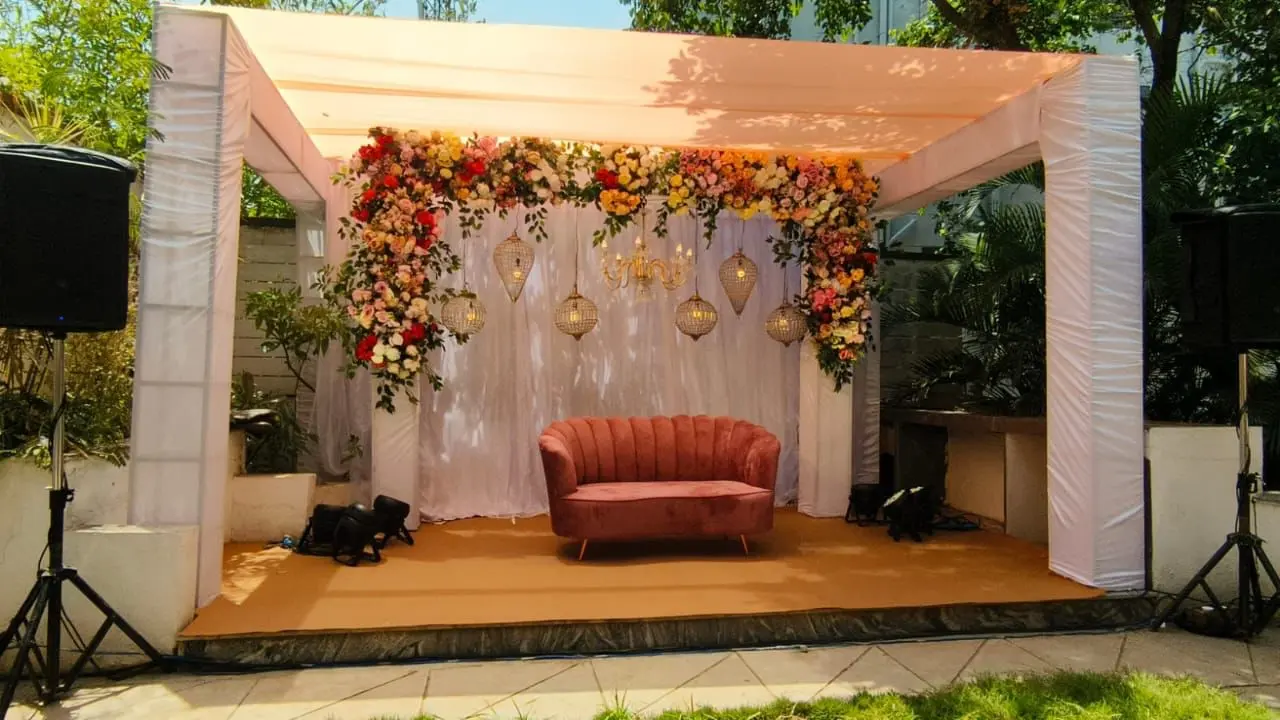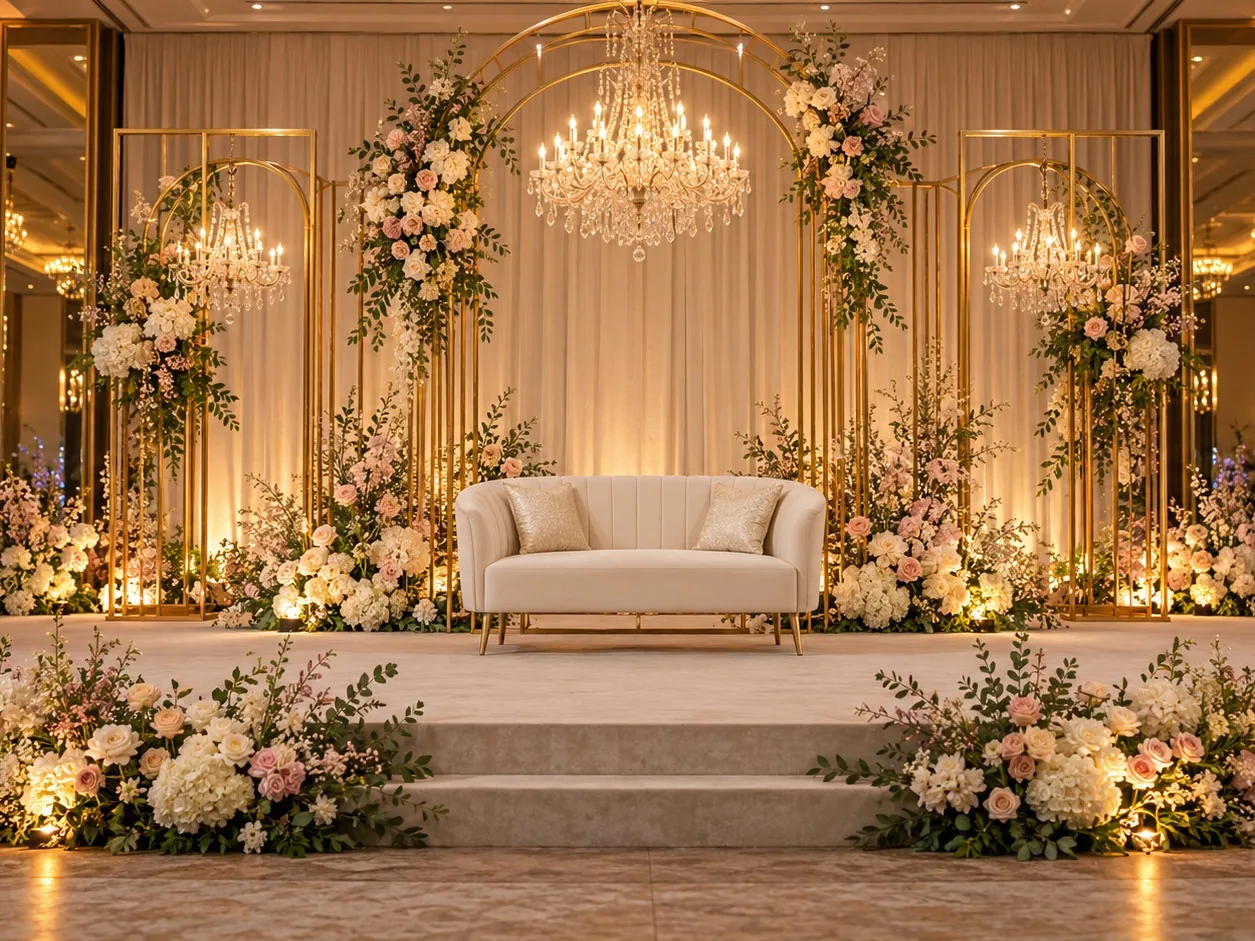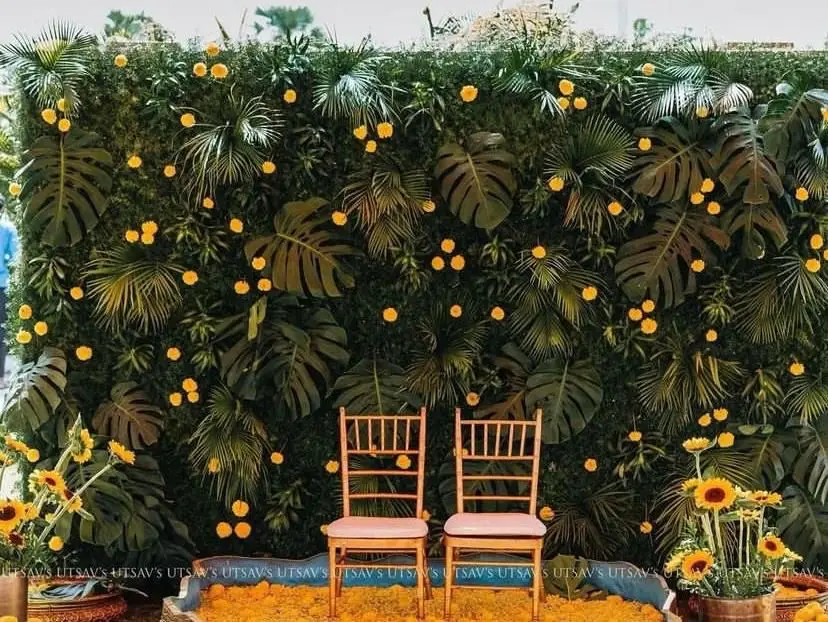

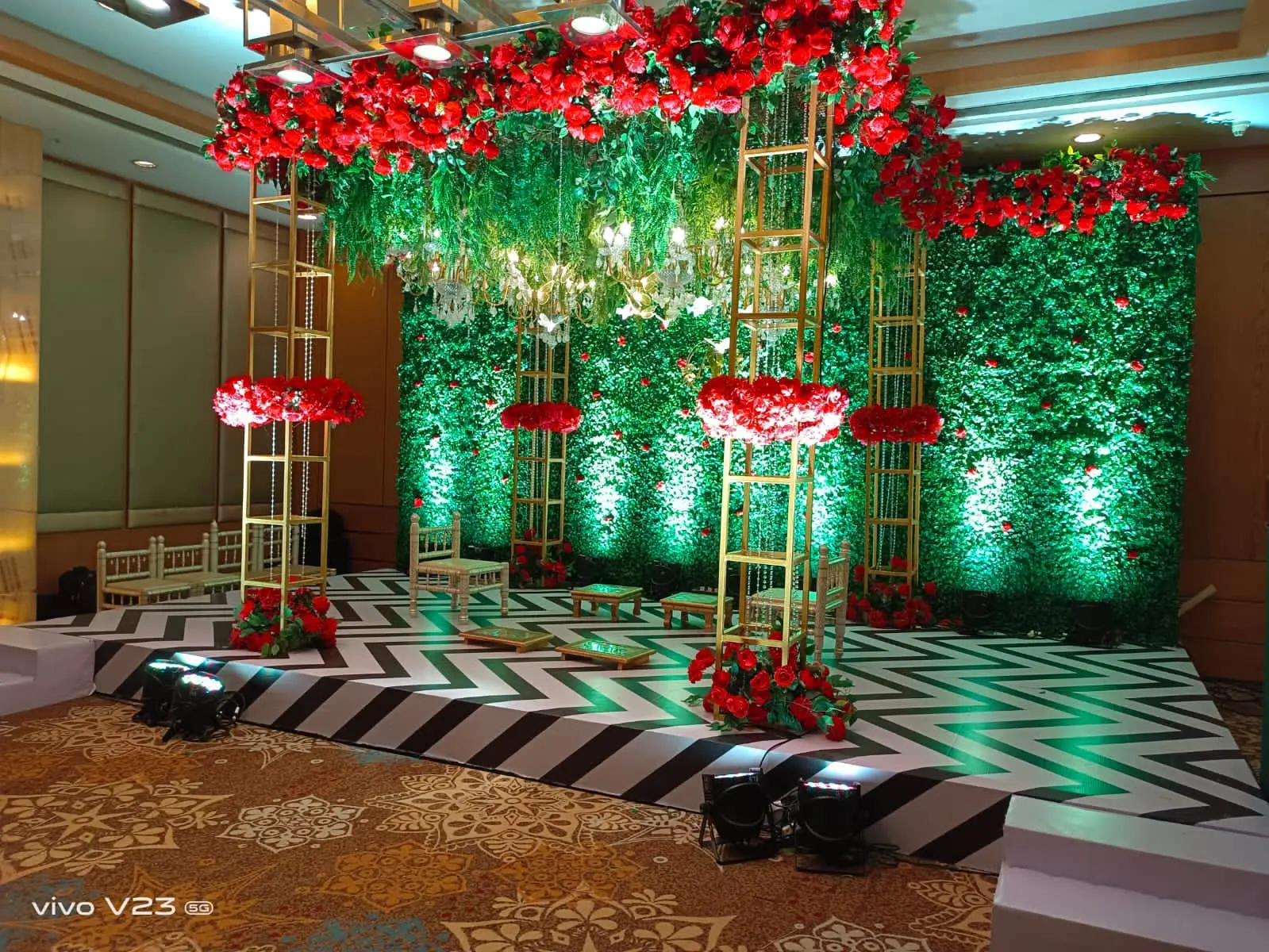
Adopting eco friendly wedding decor means swapping out single-use plastics and thermocol for natural fabrics, potted plants, rented iron frameworks, and sensible flower reuse. This approach reduces waste, respects local venues in Pune, and creates a grounded, beautiful atmosphere for your family and guests.
Planning a wedding in Pune often brings a mountain of single-use plastic, foam, and thermocol that ends up in the trash the morning after. Shifting toward eco friendly wedding decor lets you celebrate your special day without leaving a heavy footprint on the planet. By choosing natural materials, rental structures, and mindful floral planning, you can create a gorgeous setting that feels intentional, warm, and deeply respectful of the environment. Here is how one team plans and executes sustainable celebrations from start to finish.
Planning this in Pune? See our wedding decorators in Pune: one team plans and runs it with you, since 2013.
Replacing Thermocol and Plastic with Reusable Structures
Traditional event styling relies heavily on thermocol cutouts, foam boards, and cheap plastic backdrops that shatter during tear-down and cannot be recycled. A sustainable approach uses strong, reusable frameworks made of iron, wood, or bamboo. These structures form the skeleton of your stage, photo booths, and entrance arches without generating daily landfill waste.
Why Rental Frameworks Work Better
- Metal and wooden frames hold heavy floral drapes and lights securely.
- Rental structures reduce the need to manufacture new single-use props for every single day.
- Modular designs adjust easily to banquet halls, lawn venues, or heritage properties.
- Clean lines look sophisticated and modern in photographs.
When you sit down with your wedding planner in Pune, ask upfront about their inventory of metal arches, wooden lattice screens, and fabric panels. Renting these foundational items instead of building fresh plywood and foam sets for a few hours of use cuts down waste drastically. It also saves hours of messy fabrication work at the venue site.
Bringing Life In: Potted Plants and Living Greenery
Cut flowers are lovely, but they wither within hours under hot studio lights or open skies. Integrating living potted plants, ferns, and small trees into your design keeps greenery fresh and vibrant throughout multi-day functions. You can place potted palms along pathways, line the mandap base with dense ferns, or use cascading money plants on lounge tables.
Practical Ways to Use Living Plants
- Place potted areca palms or fiddle-leaf figs at the venue entrance.
- Use small tulsi or ornamental shrubs as table centerpieces.
- Surround the seating areas with nursery trays covered in natural jute cloth.
- Gift the potted plants to visiting relatives or return them to the nursery after the event.
Working with local nurseries around areas like Kothrud or Baner helps reduce the transport emissions of hauling decorations across long distances. After the celebrations wrap up, these plants go right back to grow or find permanent homes in family gardens. This practice keeps living greens alive rather than tossing them into the evening compost bin.
Mindful Flower Management and Second-Day Reuse
Marigold, jasmine, and roses bring traditional Indian weddings to life, but massive quantities of fresh blooms are discarded immediately after the pheras. Managing flowers sustainably means planning second-day reuse or arranging local composting pathways. You can design floral strings that easily transition from the morning ritual space to the evening reception stage.
Flower Reuse Strategies
| Floral Element | Day One Placement | Day Two Reuse Option |
|---|---|---|
| Marigold Strings | Mandap pillars and entrance gates | Lounge ceiling hangings or passage borders |
| Loose Petals | Welcome rangoli and pathway carpet | Phoolon ki holi or compost collection |
| Tuberose Garlands | Seating backdrop and photo frame | Dining area pillars and buffet arches |
Coordinating closely with your venue management ensures that withered blooms are gathered separately from food waste. Several local community groups and social enterprises collect discarded temple and wedding flowers to convert them into organic incense or natural dyes. Keeping sorting bins clearly marked at the venue makes this transition effortless for the cleaning crew.
Natural Fabrics, Paper, and Minimal Lighting
Fabric backdrops made from unbleached cotton, khadi, raw silk, and handloom jute add rich texture to your event without synthetic polyester sheen. Avoid plastic banners and vinyl print flex boards entirely. Instead, use hand-painted cloth signage, wooden chalkboards, or recycled paper tags to guide guests toward the dining area, seating zones, and the mandap decorators‘ workspace.
Lighting Choices for Sustainable Events
- Use warm LED fairy strings instead of high-draw halogen floods.
- Incorporate brass urlis with floating oil wicks for natural glow.
- Place pillar candles inside glass cylinders to protect flames from outdoor drafts.
- Position focus lights carefully to avoid unnecessary power wastage.
Power consumption remains a major hidden footprint in large gatherings. Discussing generator loads and power-saving schedules with your technical crew keeps energy usage sensible. Natural daytime light works wonderfully for afternoon functions held on open lawns, reducing the need for artificial bulbs until the sun dips below the horizon.
Step-by-Step Timeline for Planning a Green Wedding
Switching to sustainable methods requires an earlier start than standard party rentals because sourcing unique natural materials takes time. Rushing through decisions often forces planners to fall back on plastic-heavy market shortcuts. Building a clear calendar keeps everyone aligned and ensures your green choices remain practical and stress-free.
Your Sustainable Planning Timeline
- Four Months Out: Finalise your venue, keeping in mind natural shade, ventilation, and access to local plant nurseries.
- Three Months Out: Book your core decor team and review their inventory of rental metal frames and unbleached fabrics.
- Two Months Out: Plan the flower sourcing with local growers, arranging for composting or post-event donation partners.
- One Month Out: Finalise paperless digital invitations and confirm the logistical movement of potted plants and rental props.
- Wedding Week: Brief the venue setup crew on waste sorting, flower separation, and protecting living plants during transport.
Giving yourself breathing room allows you to inspect materials personally and confirm that no hidden plastics are sneaking into the supply list. It also helps coordinate with the family caterer or hospitality team so everyone respects the waste-reduction goals you have set for the celebration.
What to Ask Before Booking Your Sustainable Event Partners
Critical Questions for Your Creative Teams
Selecting the right partners for your celebration requires looking beyond portfolios and diving straight into their material management practices. When you meet prospective design teams, florists, and production crew members, you need a specific list of queries to ensure their operational style matches your green vision. Ask them how they handle waste generated during setup and teardown. Do they own their props, or do they rent single-use items from external warehouses every single weekend? Understanding their inventory habits prevents unexpected plastic waste from sneaking into your venue.
Digging Into Material Origins and Disposal
You must also inquire about the lifecycle of the raw supplies they propose for your venue styling. Ask where their fabrics come from, whether their timber is sourced locally, and how they manage leftover floral waste after the celebrations conclude. A truly mindful team will readily explain their composting tie-ups, donation channels, or storage methods for future events. If a team hesitates or struggles to provide clear answers regarding their daily material sourcing and disposal routines, treat that as a sign to keep looking.
- Request to see physical samples of alternative fabrics and papers they use.
- Confirm their exact policy on eliminating single-use packaging during transport.
- Clarify who takes responsibility for clearing down and sorting materials post-event.
Key Differences in Sustainable Styling for Small Versus Large Events
Intimate Gatherings and Hyper-Local Focus
Designing a green celebration changes dramatically depending on your guest count and venue scale. For an intimate gathering with close family and friends, you have the luxury of focusing heavily on hyper-local, handmade details. Smaller guest lists allow you to use genuine heirloom pieces, hand-woven linens, and delicate potted herbs that double as thoughtful return gifts. Because the physical footprint is compact, managing waste is straightforward, and you can easily coordinate manual sorting without needing heavy machinery or complex logistics teams.
Managing Logistics for Grand Venues
On the flip side, larger events demand robust structural planning to maintain green standards across vast banquet halls or open-air lawns. When scaling up, you cannot rely entirely on delicate potted plants or fragile paper crafts because they might not withstand heavy foot traffic or wind currents. Instead, your styling strategy must pivot toward sturdy, modular wooden frames, rented metal arches, and deeply integrated landscape lighting. Managing large-scale celebrations sustainably means coordinating precise delivery schedules, ensuring every large structural element is packed securely for future reuse, and partnering with reliable local institutions to receive donated florals the very next morning.
- Scale your structural choices based on venue capacity and weather exposure.
- Utilize multi-functional elements like seating markers that double as favors for large crowds.
- Establish clear transport protocols to minimize fuel consumption during massive setups.
Plan Your Sustainable Celebration With Us
Bringing a sustainable vision to life takes careful coordination, honest material choices, and an eye for detail. Since 2013, we have planned over five hundred events, working alongside more than a hundred brands and companies across thirty-plus cities to craft thoughtful, memorable spaces. Whether you envision a quiet courtyard gathering or a large family celebration, we handle the planning, setup, and execution from start to finish with one dedicated point of contact. Explore our wedding decorators in Pune service page to see how we work, and reach out to request an itemised plan tailored specifically to your family’s upcoming celebration.
Frequently asked questions
Are eco friendly wedding decor setups more expensive than traditional styling?
Sustainable styling can actually cost less or remain comparable because you rent structural frameworks instead of building single-use plywood sets from scratch. While sourcing specific natural fabrics or renting large potted plants requires careful budgeting, cutting out disposable plastics and excessive thermocol helps balance overall material expenses.
What happens to the flowers and decor items after the wedding ends?
Potted plants are returned to local nurseries or gifted to family members, while rental iron frames and unbleached fabrics go back to our storage inventory. Fresh flowers are sorted for composting, second-day venue use, or collection by local initiatives that transform discarded petals into natural dyes and organic incense.
Can I achieve a grand, traditional look without using plastic or thermocol?
You can achieve a rich, traditional aesthetic by relying on dense marigold strings, brass urlis, banana leaves, jute drapes, and wooden structural props. Skilled draping and warm lighting create depth and elegance without needing artificial foam cutouts or synthetic vinyl banners.
How far in advance should we start planning a sustainable wedding?
We recommend starting your planning at least four months in advance to secure venues that support natural ventilation and local nurseries that supply healthy potted plants. Sourcing rented metal structures, unbleached cotton fabrics, and ethical floral partners takes more time than ordering standard plastic decor off the shelf.
How does the planning team handle venue waste management during the event?
Our on-site team coordinates with venue housekeeping to set up clear sorting bins for organic waste, recyclable glass, and general refuse right from the setup phase. We ensure that leftover flowers are separated immediately from food waste so they can be sent onward for composting or upcycling.

Vicky founded Plan With YOLO in Pune in 2013 and leads the planning on corporate events, weddings and stage production across Maharashtra.