Choose a corporate offsite venue near Pune by drive time first, then by what the property can actually host. Check rooms against day use, conference hall size, AV, outdoor space for activities, food flexibility and mobile network. Hill, lakeside, farm stay and camp properties each suit a different kind of offsite.
Pune is unusually well placed for an offsite. Within a two-hour drive you can reach hills, lakes, farmland and forest, and within four hours you can change the climate entirely. The hard part is not finding a property. It is finding one that suits the offsite you actually want to run. This guide covers the types of property around Pune, drive times by direction, what to check before you book, and how the seasons change the answer.
Planning this in Pune? See our corporate offsite near Pune: one team plans and runs it with you, since 2013.
Decide what the offsite is for, first
The venue follows the purpose, so agree the purpose before anyone starts sending links.
- Strategy and planning: you need a proper conference hall, good AV, reliable power and quiet. Scenery matters less than the room.
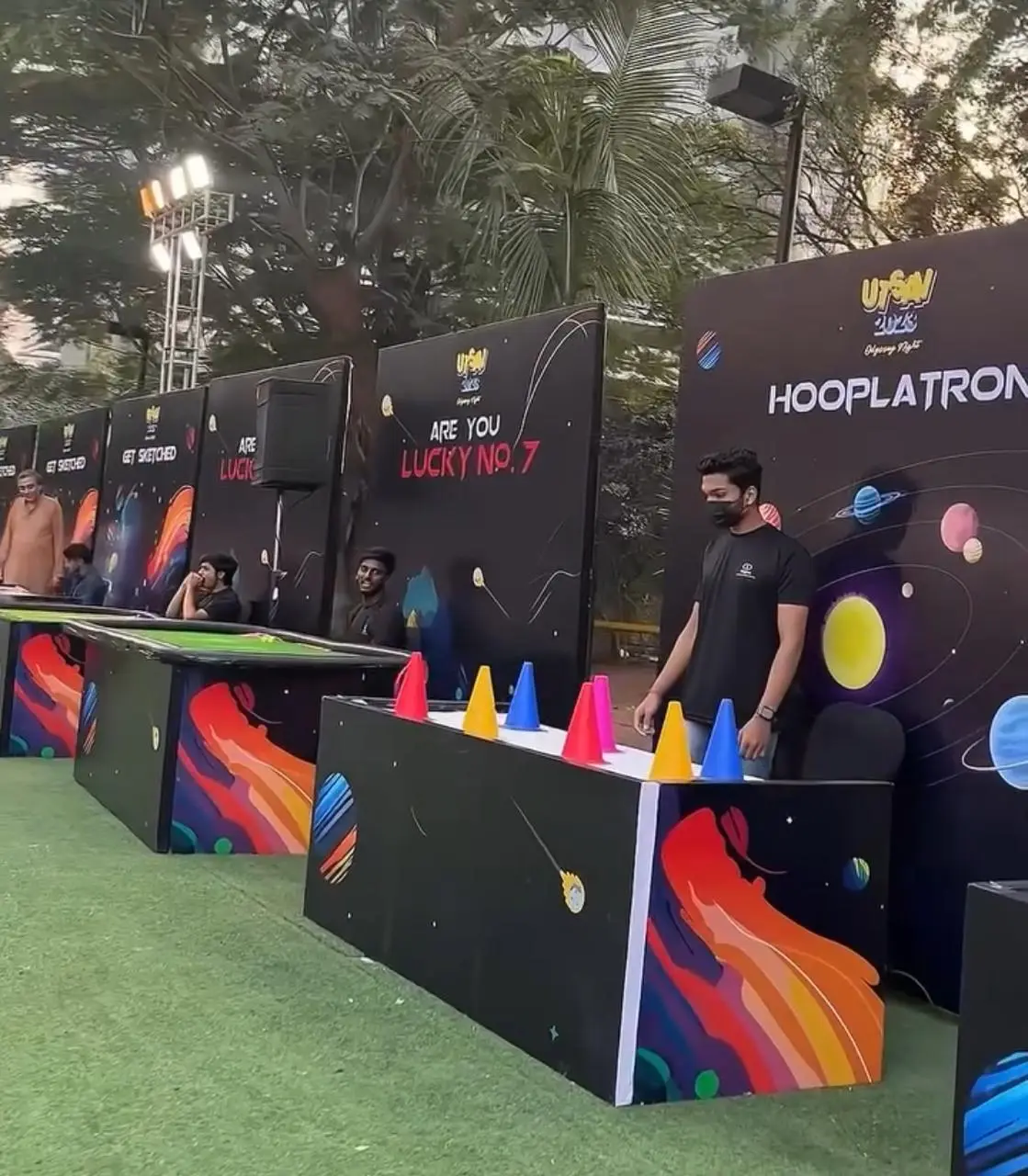
- Team building and bonding: you need open ground, space for activities, and a property that will let you use it.
- Reward and recharge: you need comfort, a pool or a view, and a relaxed evening. Sessions stay short.
- A mix: most offsites are a mix, which means you need both a hall and outdoor space, and a realistic plan for moving people between them.
Write the agenda before you shortlist. A day with four sessions and one activity needs a very different property from a day with one session and four activities.
Types of property around Pune
There are broadly five kinds of place companies use, and they behave differently on the day.
| Type | Suits | Watch out for |
|---|---|---|
| Hill resorts | Overnight offsites, reward trips, larger groups | Weekend rates and crowds, winding approach roads |
| Farm stays and agri properties | Small to mid teams, outdoor activities, rustic feel | Fewer rooms, simpler bathrooms, limited AV |
| Lakeside properties | Views, water activities, photographs | Access in monsoon, water levels changing by season |
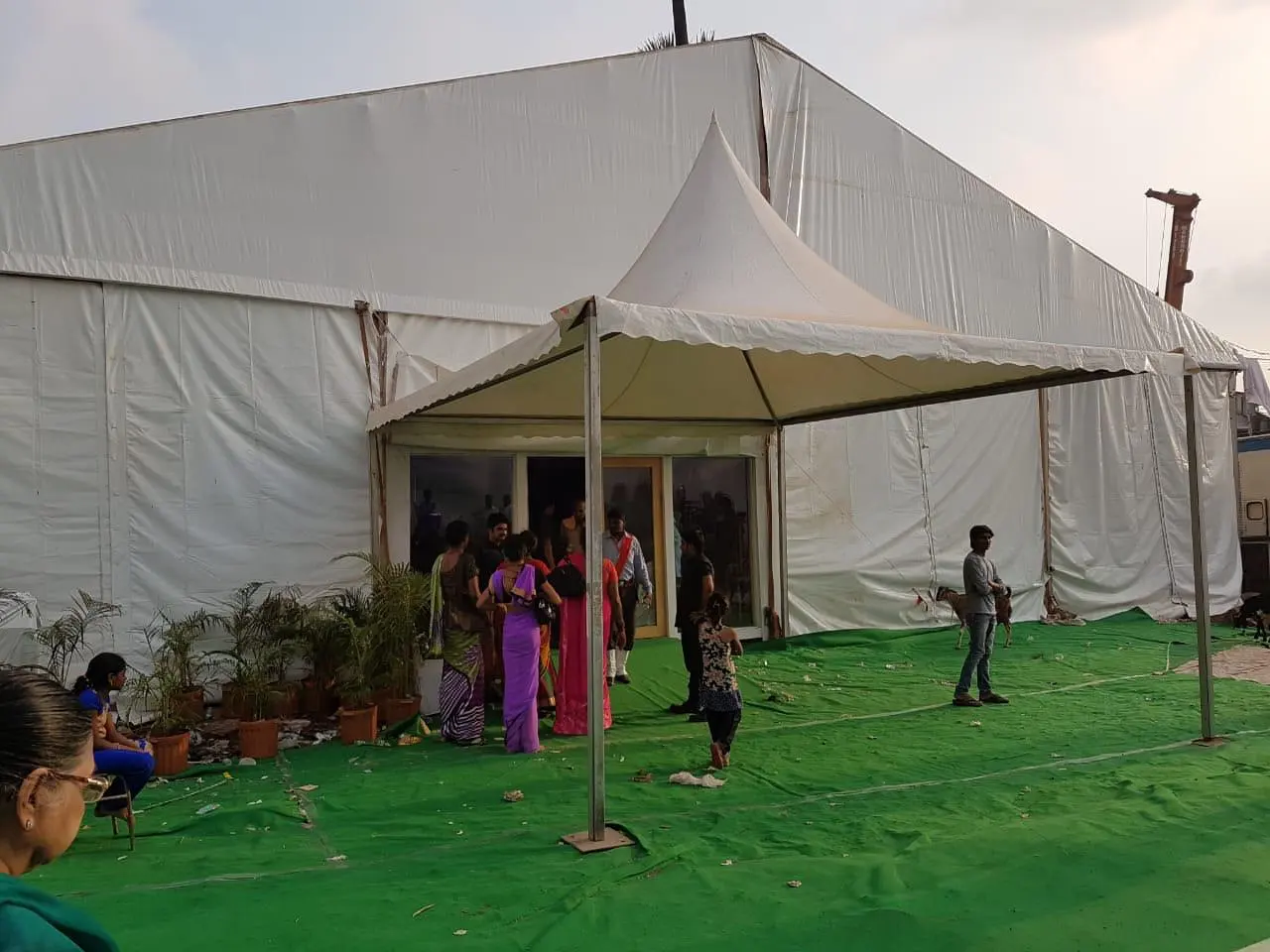
| Camp sites and adventure properties | Team building, younger teams, tented stays | Shared washrooms, weather dependence, comfort levels |
| City and highway hotels | Day offsites, conferences, mixed travel plans | Feels like the office, no outdoor ground |
One more option people forget: a day-use property close to the city. If half the team has young children or long commutes, a single well-run day near Pune often beats a night away that half the group leaves early.
Drive times by direction
Plan around drive time, not distance. A short distance on a ghat road can take longer than a longer run on the expressway, and the number that matters is how long your slowest bus takes at the time you actually leave.
| Direction | Approximate drive | What that side suits |
|---|---|---|
| Lonavala side, north-west on the expressway | About 1.5 to 2 hours | Hill weather, the widest choice of property sizes, easy for teams coming from Mumbai too |
| Kamshet, north-west | About 1.5 to 2 hours | Open valley land, adventure and outdoor activity offsites |
| Mulshi, west | About 1.5 to 2 hours | Lake and hill views close to the city, good for one-night offsites and day use |
| Panshet and Sinhagad side, south-west | About 1.5 hours | Water and forest settings, short travel from the Sinhagad Road side of the city |
| Mahabaleshwar and Panchgani, south | About 3.5 to 4 hours | Two-night offsites and reward trips where the change of climate is the point |
| Nashik side, north | About 4 to 5 hours | Longer offsites with a vineyard and countryside feel |
Two practical rules. Anything over about two hours each way should be an overnight, or you spend the offsite in a bus. And set the departure point where most of the team lives. A group drawn from Hinjewadi and Wakad will thank you for leaving from the west, while a Kharadi-heavy team will not.
Rooms or day use
Decide this early, because it changes both the shortlist and the cost structure entirely.
- Day use: you pay for the hall, the grounds and meals. No rooming list, no late-night management, everyone home by evening. Best for one-day strategy or team building.
- One night: the most common format. Arrive by late morning, sessions and activities through the day, evening programme, breakfast and a relaxed start on day two.
- Two nights: worth it only past about three hours of travel, or when the offsite has a real agenda across both days.
- Room sharing: ask how many rooms are twin-share and how many are doubles. This decides your headcount far more often than the hall does.
- Check-in and check-out times: ask whether you get the rooms early on day one and a late checkout on day two. Without it, day two ends at eleven in the morning.
What to check before booking
Visit if you can, and if you cannot, ask for photographs taken this season rather than the ones on the website.
- Conference hall size: ask for length, width and ceiling height, and the capacity in theatre, cluster and U-shape. A hall rated for a hundred in theatre style may hold forty in clusters, which is what most offsites actually need.
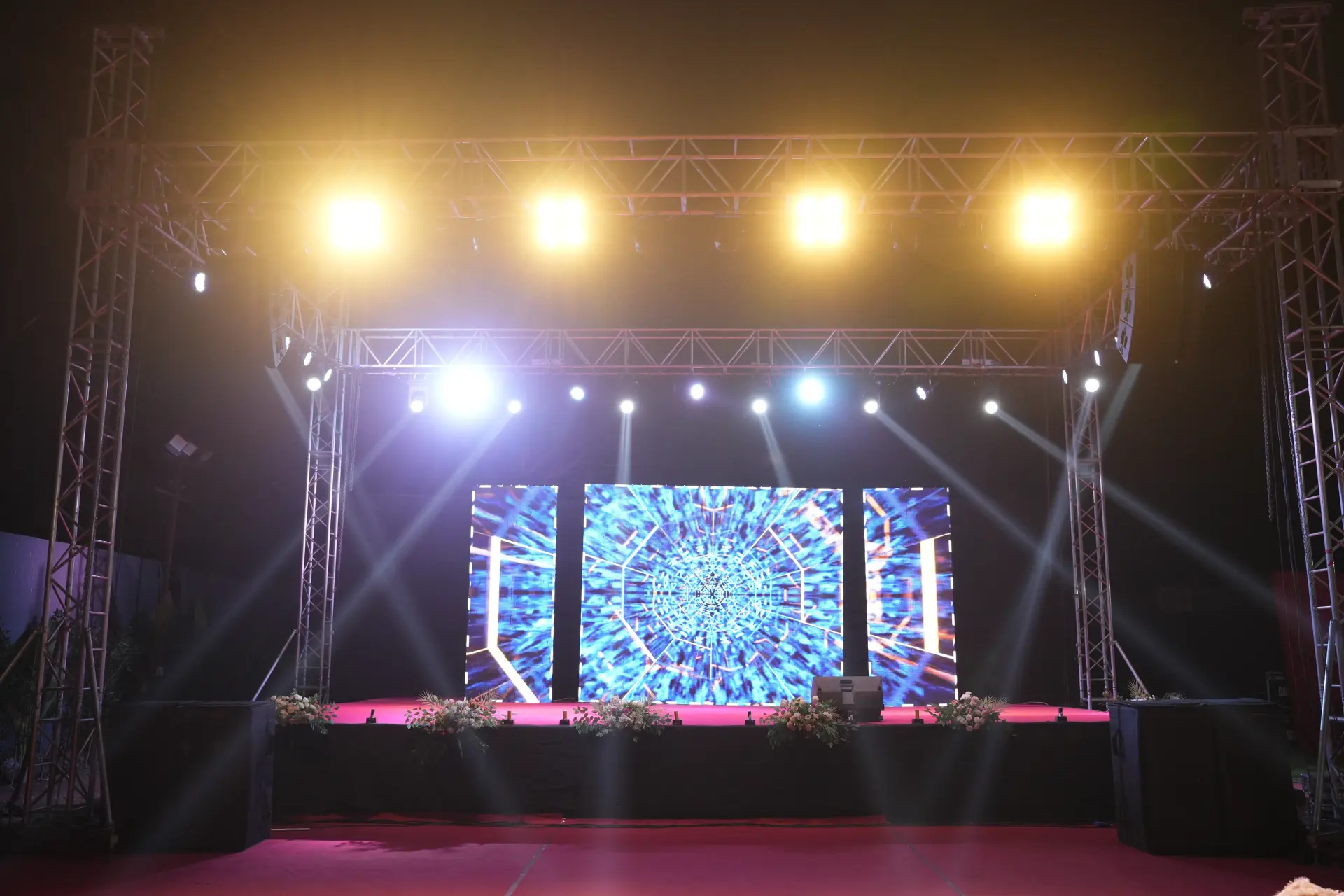
- AV: projector or screen size, sound with enough microphones, and whether you can bring your own equipment. Ask what happens if the projector fails.
- Power: generator backup, how quickly it kicks in, and whether it covers the hall and the outdoor area or only the rooms.
- Outdoor space: the actual usable flat area for activities, whether it drains after rain, and whether the property allows games, sound and a bonfire.
- Food flexibility: can you set meal times around your agenda, add a late evening snack, and get vegetarian, Jain and non-vegetarian options? Ask whether a fixed buffet is the only option.
- Network: which mobile networks work on the property, and whether the wifi covers the hall or only reception. If anyone must join a call, test this before you book.
- Alcohol and music rules: permissions, sound cut-off time, and whether an outside DJ is allowed.
- Access: whether a bus can reach the property, or the last stretch needs smaller vehicles.
- Medical: distance to the nearest hospital, and whether a first-aid kit and a doctor on call are available.
- Written terms: cancellation, payment stages, what counts as a headcount change, and by when.
Send the same questions to every property on the shortlist. Comparing three properties on the same list is far easier than comparing three brochures.
Season and monsoon notes
The best months and the best properties around Pune change completely with the season.
- Monsoon, roughly June to September: the countryside is at its best and the hills are green, but outdoor activities are unreliable, ghat roads slow down, and lakeside access can be difficult. Book a property with a covered activity area and treat outdoor plans as a bonus.
- October to February: the easiest window. Pleasant weather, full outdoor use, and the season most companies plan for, which also means properties fill early.
- March to May: hot in the day near the city, so either go higher and further south, or plan indoor sessions in the afternoon and outdoor activity early morning and after sunset.
- Weekends and long weekends: busier and harder to hold. A Thursday-Friday offsite is usually easier to book and gives the team the weekend back.
- Festival dates: check them before fixing, both for travel load on the highways and for staff availability at the property.
A quick comparison
| If you want | Look at | Format |
|---|---|---|
| A working strategy offsite | A property with a proper hall and backup power | Day use or one night, close to the city |
| Team building with games | Open flat ground, activity-friendly rules | One night, west or north-west of Pune |
| A reward trip | Comfort, view, pool, good evenings | Two nights, further south |
| A large group | Room count and bus access first | One night on an expressway route |
| A small senior team | Quiet, privacy, flexible meals | Day use or one night, a smaller property |
Let us shortlist and run it for you
Plan With YOLO has planned corporate events since 2013, in Pune and across 30+ cities. We shortlist properties against your agenda, handle the recce, travel, rooms, sessions, activities and the evening, and give you one point of contact through the whole thing. See our corporate offsite planner services, browse corporate outing places near Pune for ideas, add team building activities, or tell us your dates and headcount for options and an itemised quote.
Frequently asked questions
How far should a corporate offsite venue be from Pune?
Keep a one-day offsite within about two hours of Pune each way, or the day disappears into travel. Anything beyond that works better as an overnight, and three hours or more usually justifies two nights. Judge by drive time rather than distance, since ghat roads and weekend traffic add far more time than the map suggests.
What should you check before booking an offsite venue?
Check the conference hall dimensions and its capacity in cluster seating, the AV and whether you may bring your own, generator backup, usable flat outdoor space and whether activities and sound are allowed, food flexibility including Jain and vegetarian options, mobile network coverage, bus access to the gate, distance to a hospital, and the written cancellation and payment terms.
Which direction from Pune suits a corporate offsite?
The Lonavala and Kamshet side on the expressway offers the widest choice and suits larger groups and teams travelling from Mumbai. Mulshi and the Panshet side are closest for a short one-night offsite or a day use. Mahabaleshwar and the Nashik side are three to five hours away and suit two-night reward trips where the change of setting is the point.
Is the monsoon a good time for an offsite near Pune?
The countryside around Pune is at its best in the monsoon, but outdoor activities become unreliable, ghat roads slow down and lakeside access can be difficult. If you go between June and September, pick a property with a covered activity area, plan the agenda indoors and treat outdoor sessions as a bonus. October to February is the easiest window and fills early.
Should an offsite be day use or an overnight stay?
Day use suits a one-day strategy session or team building close to the city, with no rooming list and everyone home by evening. An overnight suits offsites where the evening programme matters and people need time together. Before booking rooms, confirm how many are twin-share, and ask for early check-in on day one and a late checkout on day two.

Vicky founded Plan With YOLO in Pune in 2013 and leads the planning on corporate events, weddings and stage production across Maharashtra.