Vehicle vinyl branding turns commercial cars, delivery vans, and fleet vehicles into moving billboards using pressure-sensitive adhesive cast or calendered films. It involves careful surface prep, precise graphic application, and adherence to local RTO regulations regarding colour changes on registered logbooks.
Effective vehicle vinyl branding turns your daily commute or delivery fleet into a steady stream of local visibility. When you put your company name, logo, and phone number on a car or delivery van, thousands of commuters see your message every day. However, getting a clean wrap that stays stuck through heavy monsoon rains and rough city roads requires more than just slapping a sticker on metal. You need the right film grade, a spotless application surface, and proper alignment to avoid peeling edges over time.
Planning this in Pune? See our car wrapping in Pune: one team plans and runs it with you, since 2013.
Choosing Between Cast and Calendered Films
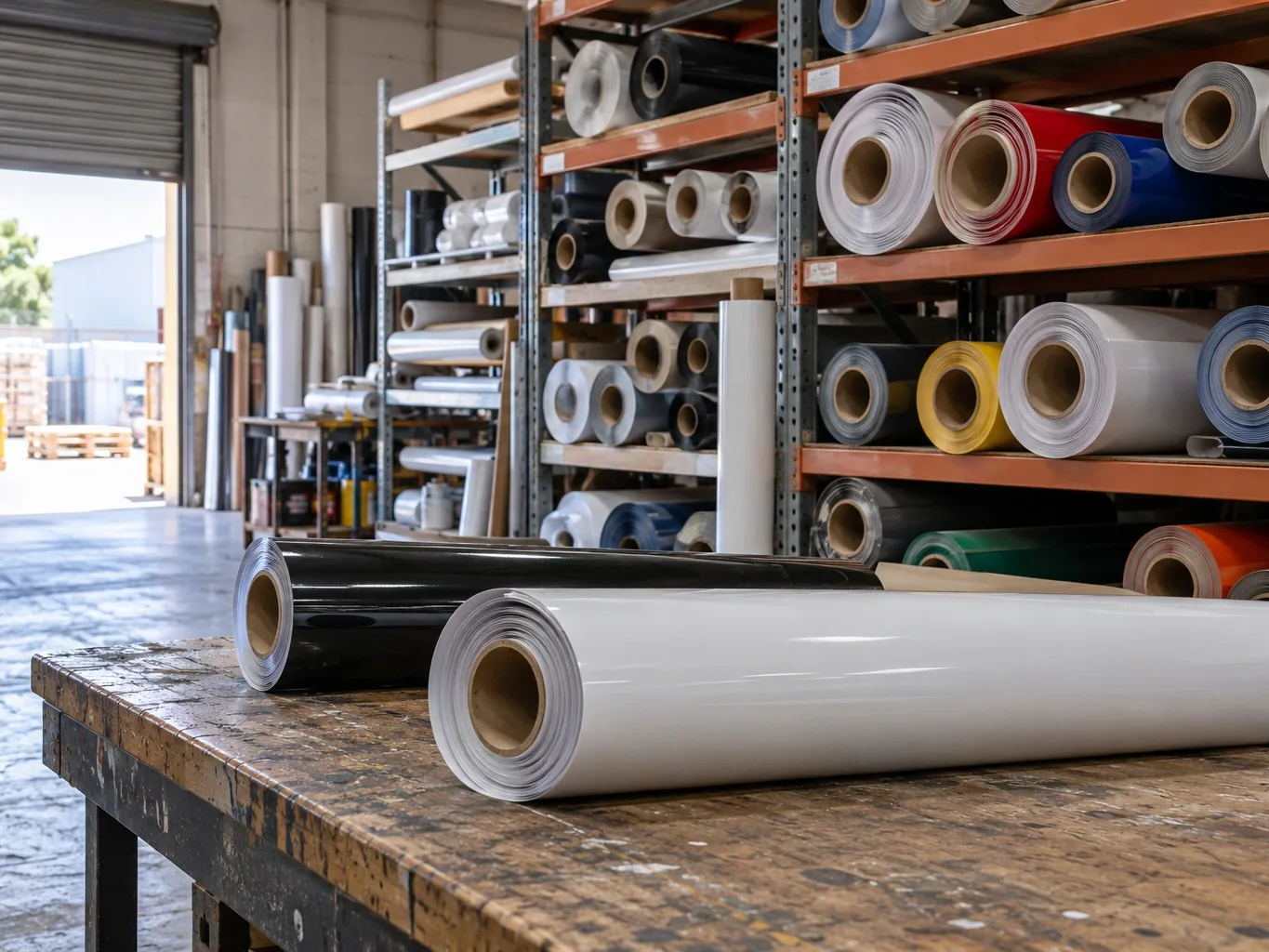
Choosing the correct vinyl material dictates how long your graphics will last and how well they conform to curved body panels. Cast vinyl is thin, highly flexible, and poured into liquid form before curing, making it ideal for deep recesses, door handles, and complex vehicle body contours. Calendered vinyl is thicker, less conformable, and rolled out mechanically, which suits flat panels and short-term promotional campaigns.
When to Use Each Film Type
- Cast films: Perfect for full wraps, deep curves, and long-term fleet branding lasting several years.
- Calendered films: Best for flat door panels, rear windows, and short campaign announcements.
- Perforated window vinyl: Essential for rear glass, allowing outward visibility while displaying full-colour graphics outside.
Understanding these material differences prevents premature cracking, fading, or edge lifting caused by road vibrations and constant sun exposure.
Surface Preparation and Application Steps
Surface preparation is the single most important factor in whether your vinyl graphics stay stuck or peel off within weeks. Even microscopic traces of road grime, wax, or silicone residue prevent the acrylic adhesive from bonding properly with the factory paint. The installation bay must be dust-free and maintained at a moderate temperature so the vinyl does not stretch incorrectly during squeegee application.
The Standard Application Process
- Deep washing: Removing all grease, mud, and road film using dedicated automotive cleaners.
- Clay bar treatment: Extracting embedded industrial fallout and paint contaminants from the body panels.
- Solvent wipe: Cleaning every edge with isopropyl alcohol to ensure zero residue remains.
- Post-heating: Using a heat gun to lock cast vinyl memory into deep recesses and prevent shrinkage.
Skipping any cleaning step almost always leads to bubbling and lifting around door handles and wheel arches.
Design Considerations for Mobile Billboards
Designing for a moving vehicle differs significantly from designing a printed flyer or a stationary signboard on a wall. Pedestrians and other drivers only have a few seconds to process your company name, core offering, and contact number while in motion. Cluttering the doors with excessive text, small bullet points, and complicated background imagery ruins readability from a distance.
Key Design Rules for Fleet Graphics
- Keep the primary brand mark and telephone number large and high-contrast against the car colour.
- Avoid placing critical text over deep body creases, door gaps, or plastic trim lines.
- Ensure the background colour complements or contrasts sharply with the original factory paintwork.
- Leave adequate breathing space around logos so the eye can scan the message instantly.
A clean, bold layout communicates professionalism much faster than a crowded design that forces people to squint.
Understanding RTO Rules and Regulations
Modifying a registered motor vehicle requires careful attention to legal guidelines set by regional transport authorities. While simple door decals and magnetic signs rarely pose issues, covering a large portion of the vehicle with a colour-changing wrap can alter the primary registered colour on your RC book. Neglecting these rules can lead to traffic fines or inspection complications during annual vehicle renewals.
| Coverage Type | Visual Impact | RTO Compliance Notes |
|---|---|---|
| Door Decals & Logos | Small logos and contact details | Generally safe as long as original base paint remains dominant. |
| Partial Wrap | Hood, roof, or side panels covered | Permissible provided the dominant registered body colour is unchanged. |
| Full Colour Change Wrap | Entire vehicle transformed | Requires official endorsement on the registration certificate if colour changes entirely. |
Always verify local transport office guidelines before committing to a dramatic full-body colour transformation.
Maintenance and Care After Installation
Proper aftercare ensures your graphics look crisp and professional throughout their operational lifespan. Freshly wrapped vehicles need a curing period of a few days before being exposed to harsh automated car washes or high-pressure water jets. Direct high-pressure spray directed straight at vinyl seams can force water underneath the adhesive and cause immediate edge lifting.
Best Practices for Washing Wrapped Vehicles
- Wash cars by hand using a mild automotive shampoo and a soft microfiber wash mitt.
- Keep pressure washer nozzles at least a metre away from vinyl edges and overlapping seams.
- Avoid harsh petroleum solvents, abrasive scouring pads, and mechanical wax buffers.
- Park in shaded areas or covered parking whenever possible to minimize ultraviolet degradation.
Taking a few extra minutes during routine washes protects your investment and keeps your mobile advertising looking brand new.
Timeline and Planning for Fleet Branding
Planning a vehicle branding project requires coordinating design finalisation, material procurement, vehicle downtime, and professional installation. Unlike digital printing jobs that finish in hours, wrapping a car or delivery van involves meticulous hand labour that cannot be rushed without risking bubbles or loose corners.
Typical Project Milestones
- Day one: Artwork sizing, vector proofing, and material selection based on vehicle model.
- Day two: High-resolution printing, UV lamination, and precision contour cutting.
- Day three: Vehicle wash, paint inspection, and supervised film application in a clean bay.
- Day four: Post-heating, quality check, edge sealing, and handover.
Coordinating vehicle schedules in advance ensures your commercial fleet stays operational without unexpected delivery delays.
What to Ask Before Booking Your Installation
Questions to Ask Your Wrap Partner
Before handing over your commercial cars or delivery vans for graphics application, you need absolute clarity from your chosen installation studio. Clear communication prevents costly errors, ensures your mobile marketing campaign launches on schedule, and guarantees your commercial fleet looks professional on the road.
- What is the exact post-heating procedure used for complex curves and deep recesses on our specific van models?
- How long must the newly wrapped transport remain indoors curing under controlled temperature before hitting the highway?
- Do your installation bays have dust-free, climate-controlled environments to prevent debris getting trapped under the cast film?
- What specific warranty coverage is provided for edge lifting, peeling, and premature fading due to harsh sunlight?
- Can your design team provide a physical test print on the actual vinyl material before rolling out graphics across the entire fleet?
Asking these detailed technical questions ensures your transport graphics investment is protected and your brand identity is accurately represented across every vehicle.
A Step-by-Step Order of Work for Fleet Graphics
The Practical Installation Workflow
Executing a flawless commercial vehicle makeover requires a strict, sequential order of work. Skipping any phase in this workflow can lead to premature vinyl failure, bubbling, or peeling edges when your transport is exposed to changing weather conditions.
- Initial Inspection and Measurement: Technicians inspect the paint condition, check for hidden rust or previous damage, and take precise measurements of every body panel.
- Deep Cleaning and Degreasing: The exterior surfaces undergo thorough washing followed by specialized solvent wiping to remove wax, road grime, and silicone residues.
- Panel Dismantling: Door handles, side mirrors, light assemblies, and rubber trims are carefully removed to allow smooth wrapping around edges.
- Application and Heat Setting: Large vinyl graphics are positioned, squeegeed firmly onto the panels, and heat-treated along recesses to lock in the memory of the film.
- Trimming and Reassembly: Excess material is trimmed away with precision knives, and all removed body parts are refitted securely.
- Final Post-Heating Inspection: The entire exterior is reinspected with a heat gun to activate the pressure-sensitive adhesive fully before final handover.
Following this rigorous sequence guarantees a durable, long-lasting mobile advertisement for your business.
Ready to Brand Your Fleet?
Transforming your commercial vehicles into professional mobile advertisements is a smart way to build local brand recognition wherever you drive. Whether you need subtle door decals for a single sedan or a complete fleet graphic overhaul for delivery vans, we are here to plan, set up, and run the entire project smoothly. Explore our dedicated car wrapping in Pune service to see how we handle every detail from design proofing to final application. Reach out to our team today to discuss your vehicle dimensions, share your artwork ideas, and ask for an itemised plan tailored to your fleet.
Frequently asked questions
How long does vehicle vinyl branding last?
High-quality cast vinyl films generally last between three to seven years depending on sun exposure, weather conditions, and routine washing habits. Using UV-laminated films protects the printed colours from fading quickly under harsh sunlight, while proper edge sealing prevents lifting along panel curves.
Will vinyl wraps damage the original car paint?
Professional grade cast vinyl films will not damage factory paint when applied and removed correctly by trained technicians. In fact, the film protects the covered paint from minor stone chips, road debris, and ultraviolet fading until the wrap is safely peeled off.
Can I remove the graphics later if my branding changes?
Vehicle vinyl graphics can be cleanly removed at any time using controlled heat from a professional heat gun to soften the acrylic adhesive. Any minor adhesive residue left behind on the clear coat is easily wiped away with specialized surface cleaners without harming the paint.
Do I need special permission for a full car wrap?
Major visual modifications that change the primary registered colour of your motor vehicle require an official endorsement on your RC book with transport authorities. Simple company logos, contact details, and partial graphics that preserve the base paint colour do not require special clearance.
How should I clean a wrapped vehicle?
Wrapped cars should be washed by hand using mild automotive shampoo and soft microfiber mitts rather than abrasive automated brushes. You must keep high-pressure sprayers away from vinyl edges and seams to prevent water from forcing the adhesive to lift prematurely.

Vicky founded Plan With YOLO in Pune in 2013 and leads the planning on corporate events, weddings and stage production across Maharashtra.