
Effective team building for large groups requires structured zoning, staggered arrival times, and clear communication channels to prevent bottlenecks and keep participants engaged. When you plan activities for two hundred or more employees, success depends on dividing the crowd into manageable sub-teams, securing spacious venues, and coordinating sound and seating so that instructions remain audible to everyone.
Organising team building for large groups is very different from managing a standard office get-together. When you bring two hundred or more employees into one space, minor details like registration queues and audio clarity can make or break the day. Instead of forcing everyone into one massive circle, you need a thoughtful layout, smart scheduling, and reliable support to keep things moving. Here is how you can pull off a large workforce gathering in Pune without the usual chaos and confusion.
Planning this in Pune? See our team building activities Pune: one team plans and runs it with you, since 2013.
Handling Transport and Arrival Logistics
Transport bottlenecks are the first major hurdle when moving hundreds of employees to an offsite venue. If everyone arrives in personal cars at the exact same hour, you will face parking jams and delayed entry. Staggering your arrivals by department or floor can save hours of waiting at the gate.
Structuring Bus Movements
- Arrange dedicated pick-up points across major corporate hubs like Hinjewadi or Kharadi.
- Assign a coordinator to each bus to track attendance before departure.
- Keep a thirty-minute buffer between the arrival of the first bus and the opening activity.
Once the team steps down, registration must move quickly. Set up multiple counters sorted by employee ID or team colour rather than one long queue. Hand out pre-printed badges and wristbands immediately so participants can find their assigned zones without wandering around the venue looking for answers.
Selecting Venues That Breathe
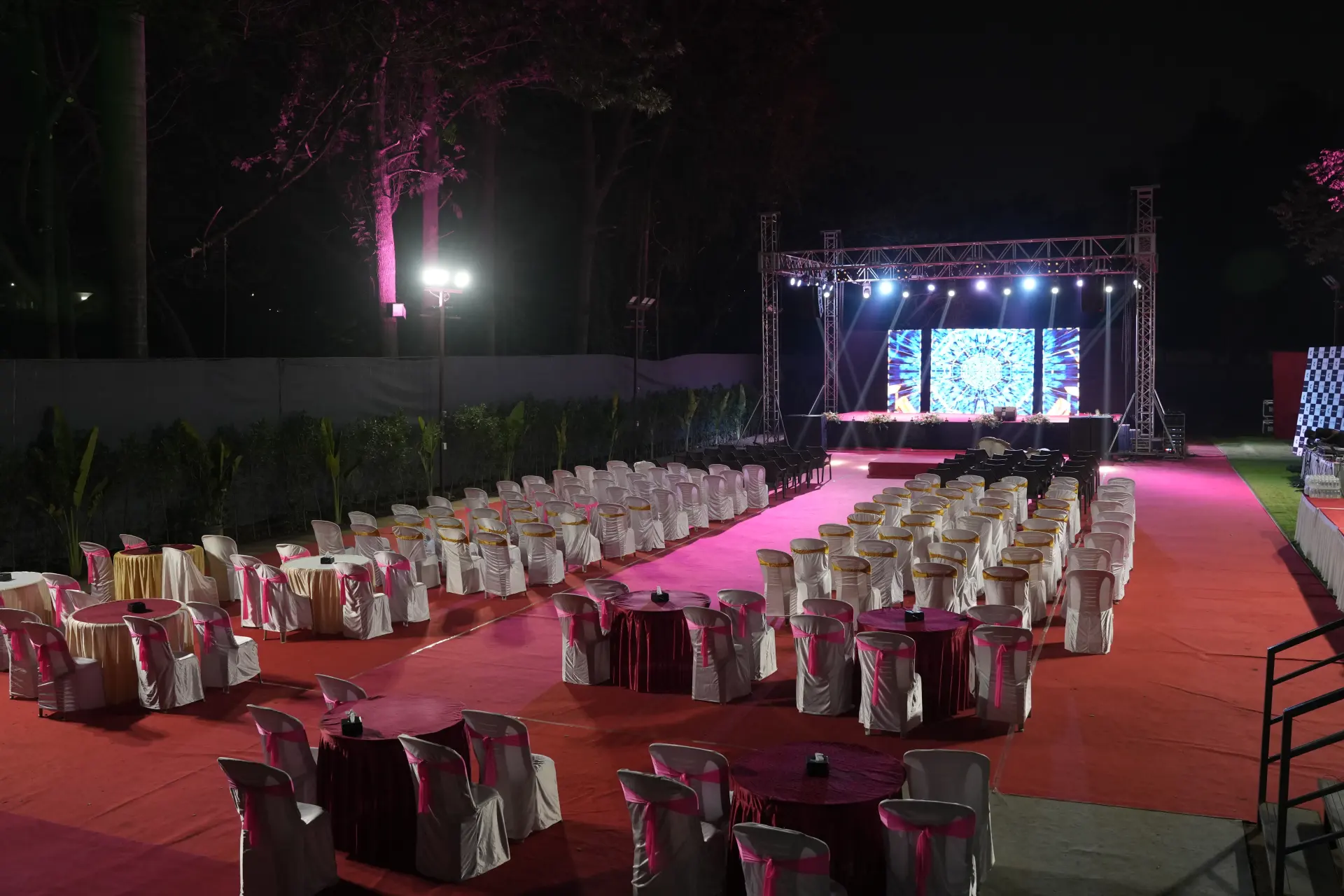
Choosing the right location dictates whether your event feels energising or suffocating. Large groups need wide-open lawns, high-ceiling banquet halls, or dedicated resort grounds with distinct zones for dining, briefing, and active games. If the venue is too cramped, the noise level spikes and participants lose interest quickly.
What to Check Before Booking
- Ensure the indoor backup space can fit the entire headcount if weather turns unpredictable.
- Verify that restroom facilities are sufficient and located close to the main activity zones.
- Check if the venue allows heavy sound systems without strict decibel caps.
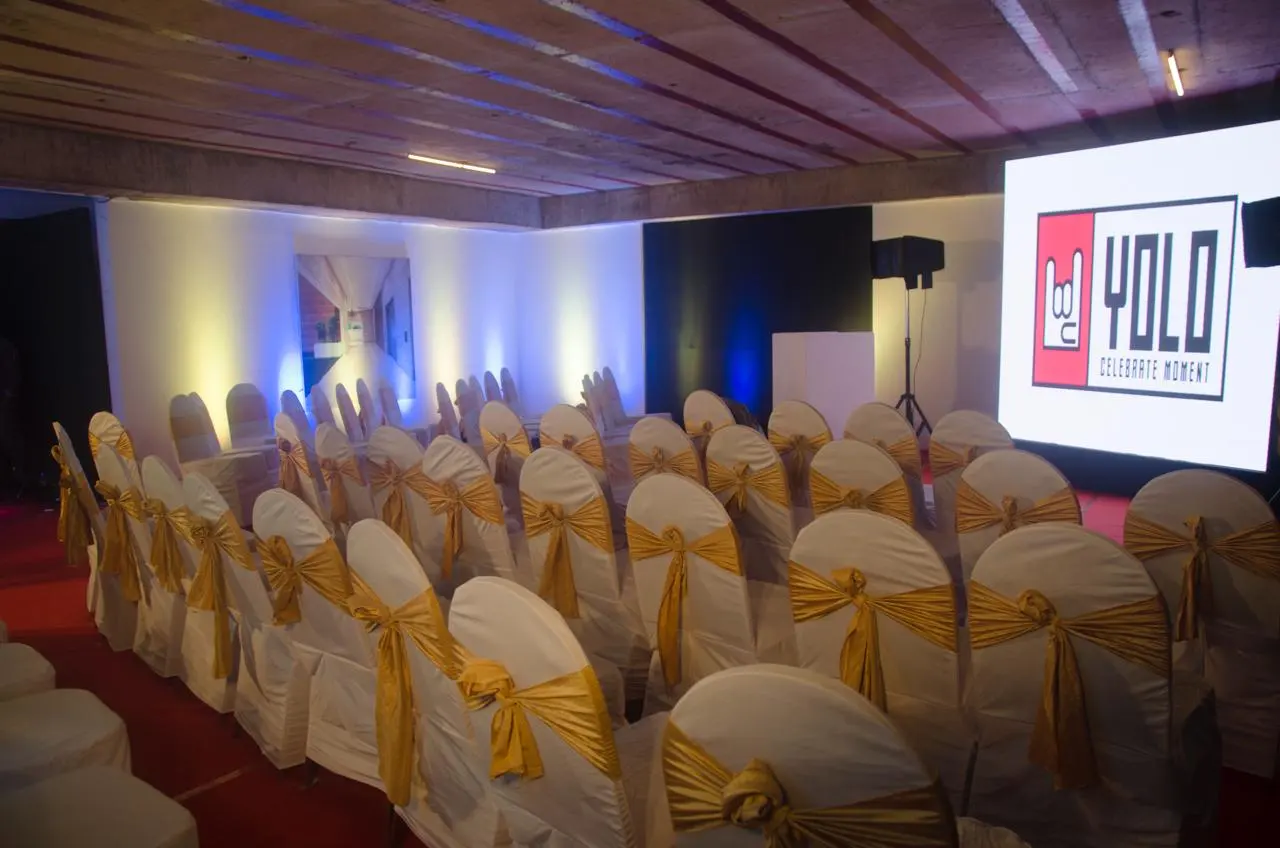
Indoor halls near Baner work well for monsoon retreats, while sprawling farm stays on the city outskirts suit winter outings. Always visit the venue at the exact time of day your event will take place to check sun angles, wind flow, and parking capacity under real conditions.
Structuring Activities Without Chaos
Running one activity for two hundred people simultaneously is practically impossible. The secret lies in rotational modules where groups move through different stations. This keeps energy high and ensures every participant gets actual playing time rather than standing at the back watching others.
| Station Type | Group Size | Duration | Focus Area |
|---|---|---|---|
| Problem Solving | 15-20 people | 30 minutes | Communication |
| Physical Relay | 25-30 people | 20 minutes | Energy & Speed |
| Creative Build | 10-15 people | 45 minutes | Strategy & Planning |
| Debrief & Rest | Open Zone | 15 minutes | Water & Recovery |
Assign energetic facilitators who can project their voice without straining. Use wireless mic sets for the main emcee so instructions echo clearly across the lawn, and keep backup batteries charged and ready near the stage area.
Managing Sound, Stage, and Seating
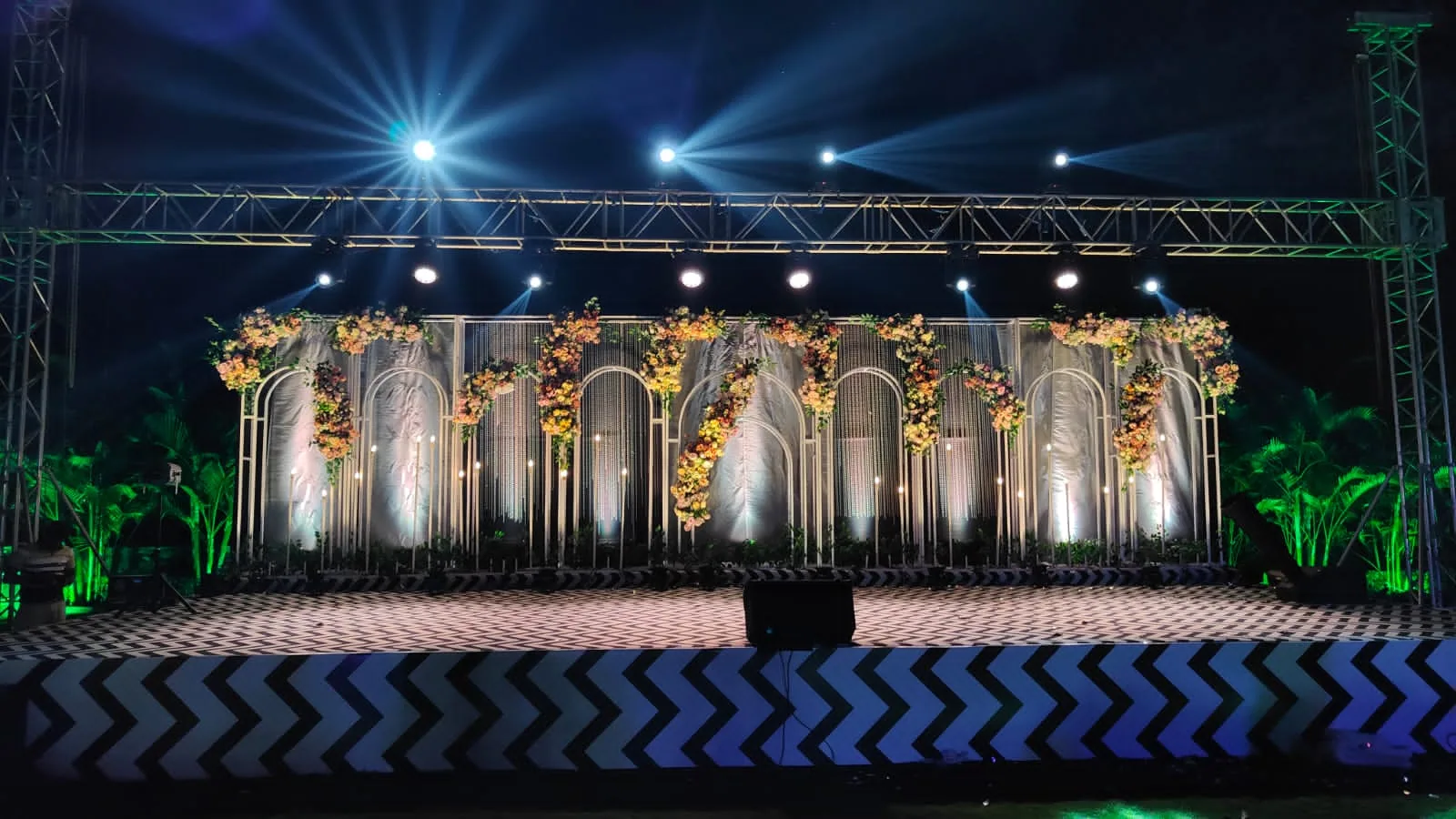
Audibility is the backbone of any large-scale gathering. If half the room cannot hear the rules of a game, confusion spreads and enthusiasm drops within minutes. Position line-array speakers facing outward rather than piling all sound at the front, so the audio carries evenly across the crowd.
Audio and Visual Checklist
- Use LED screens for displaying scores and team leaderboards so everyone can see results instantly.
- Keep a shaded seating zone ready for older staff members or those who need a break from standing.
- Ensure cables crossing pathways are taped down securely to prevent tripping hazards.
Work closely with your technical crew during morning sound checks to eliminate feedback loops. A well-managed sound setup keeps the energy upbeat and ensures your announcements are heard loud and clear from the back row.
Timing and Meal Management
Hungry crowds get restless, and delayed lunch schedules can ruin an otherwise brilliant afternoon. When dealing with large headcounts, buffet lines need careful spatial planning to avoid massive bottlenecks. Create multiple identical food counters rather than one long continuous buffet table.
- Split the workforce into alternating batches for meal times to keep lines short.
- Coordinate closely with your company’s caterer to ensure dietary preferences are clearly marked.
- Keep hydration stations stocked with water and electrolytes throughout the active gaming hours.
Stick to a realistic timeline. Build ten-minute buffer periods between sessions because moving two hundred people from a lawn to a dining hall always takes longer than expected.
Common Mistakes to Avoid
Many corporate planners stumble by trying to pack too many games into a tight three-hour window. Rushing participants from one activity to the next leaves no room for casual networking, which is often the most valuable part of an offsite. Give people time to breathe and socialise naturally.
Pitfalls That Kill Momentum
- Overcomplicating game rules that take longer to explain than to play.
- Forgetting to arrange a dedicated first-aid kit and a resting tent for minor injuries or fatigue.
- Failing to appoint a single decision-maker from the company to handle last-minute adjustments.
Keep your agenda simple, focus on high-engagement formats, and maintain open communication with your planning team. A relaxed management style on the floor reflects on the employees, keeping the mood positive and stress-free.
What to Ask Before Booking
Critical Questions for Your Venue and Support Partners
Locking down the right location for a massive workforce requires asking the tough questions before signing any paperwork. Do not just take a property manager’s word for capacity; instead, drill down into the specifics of how the infrastructure handles heavy foot traffic during peak hours.
Start by evaluating power reliability and backup systems. When you are managing extensive technical setups, lighting arrays, and audio equipment, a sudden grid failure can completely derail the agenda. Ask venue representatives about their dedicated generator capacities and how quickly technical teams can respond to an outage.
- Can the main hall accommodate all participants simultaneously without crowding emergency exit pathways?
- What are the exact load-in timings and freight elevator dimensions for bringing in bulky props or materials?
- Are there dedicated holding rooms available for speakers, performers, or organizing crew members?
- What is the policy regarding weather contingencies if an outdoor segment gets suddenly disrupted by rain?
Another crucial area to cover is accessibility and crowd flow. Request a physical walkthrough during a busy time to observe how elevators, washrooms, and corridors handle high density. Clarify parking regulations for dozens of buses or personal vehicles to prevent blockages on the main access roads. Finally, ensure that the venue allows you to bring in specialized coordination agencies and confirm what local permits are mandatory for hosting such a large gathering legally and safely.
Worked Example of the Order of Work
A Step-by-Step Timeline Blueprint for Event Execution
Executing an enterprise-level gathering smoothly depends entirely on a meticulously planned timeline. Below is a practical, phased blueprint that outlines the operational milestones required to bring a massive corporate event to life without last-minute panic or confusion.
- Six Months Prior: Finalize the core concept, establish the overarching theme, secure the primary venue, and lock in dates with senior leadership.
- Four Months Prior: Draft the detailed day-of itinerary, begin mapping out breakout zones, and initiate discussions regarding transport logistics and bus scheduling.
- Two Months Prior: Finalize activity structures, assign volunteer floor managers, conduct a full site walkthrough with key stakeholders, and release initial communication teasers to employees.
- One Month Prior: Distribute digital passes, finalize seating charts, run technical rehearsals for stage presentations, and brief all support staff on emergency protocols.
- Event Day: Execute the master timeline, starting with transport dispatch at dawn, continuing through synchronized activity blocks, and concluding with a structured dispersal plan.
Following a structured chronological framework helps ensure that no critical detail slips through the cracks. By breaking down the preparation journey into distinct milestones, the organizing committee can maintain complete control, reduce stress levels, and deliver a smooth experience for every single participant in attendance.
Bring Your People Together With Confidence
Planning a large corporate gathering does not have to be an overwhelming burden for your HR team. When one experienced crew handles the logistics, sound setup, and activity flow, you are free to actually participate and enjoy the day alongside your colleagues. Take a look at our dedicated team building activities in Pune to see how we structure engaging corporate outings. Reach out to us today to share your headcount and dates, and we will put together a clear, itemised plan tailored to your company.
Frequently asked questions
How far in advance should I book a venue for large team building events?
You should begin scouting and booking your venue at least two to three months in advance, especially if your event falls during peak winter resort seasons. Large properties that can comfortably host two hundred or more guests get reserved quickly by corporate bookers, so early planning ensures you secure the best location.
How do we handle employees who prefer not to take part in physical games?
Always include a mix of mental challenges, trivia, creative building stations, and relaxed spectator zones alongside physical activities. This ensures that every employee finds something they enjoy, and no one feels pressured to participate in games they find uncomfortable.
What is the best way to manage catering lines for large groups?
The most effective approach is setting up dual buffet counters serving identical menus in separate areas of the dining space. Staggering meal timings by department or team batches also prevents long queues and ensures food remains fresh and hot for everyone.
How many facilitators are needed for a group of two hundred people?
You generally need one lead emcee to steer the main agenda, supported by at least six to eight active activity facilitators. This ratio ensures that each sub-team of twenty to twenty-five people gets dedicated attention, clear instructions, and fair scoring during competitive rounds.
Can team building events be hosted indoors during the monsoon?
Indoor team building events work exceptionally well during the rainy season if you book a venue with large banquet halls or indoor sports arenas. A good event planner will always review the indoor backup space before finalising the venue contract to keep activities weather-proof.

Vicky founded Plan With YOLO in Pune in 2013 and leads the planning on corporate events, weddings and stage production across Maharashtra.