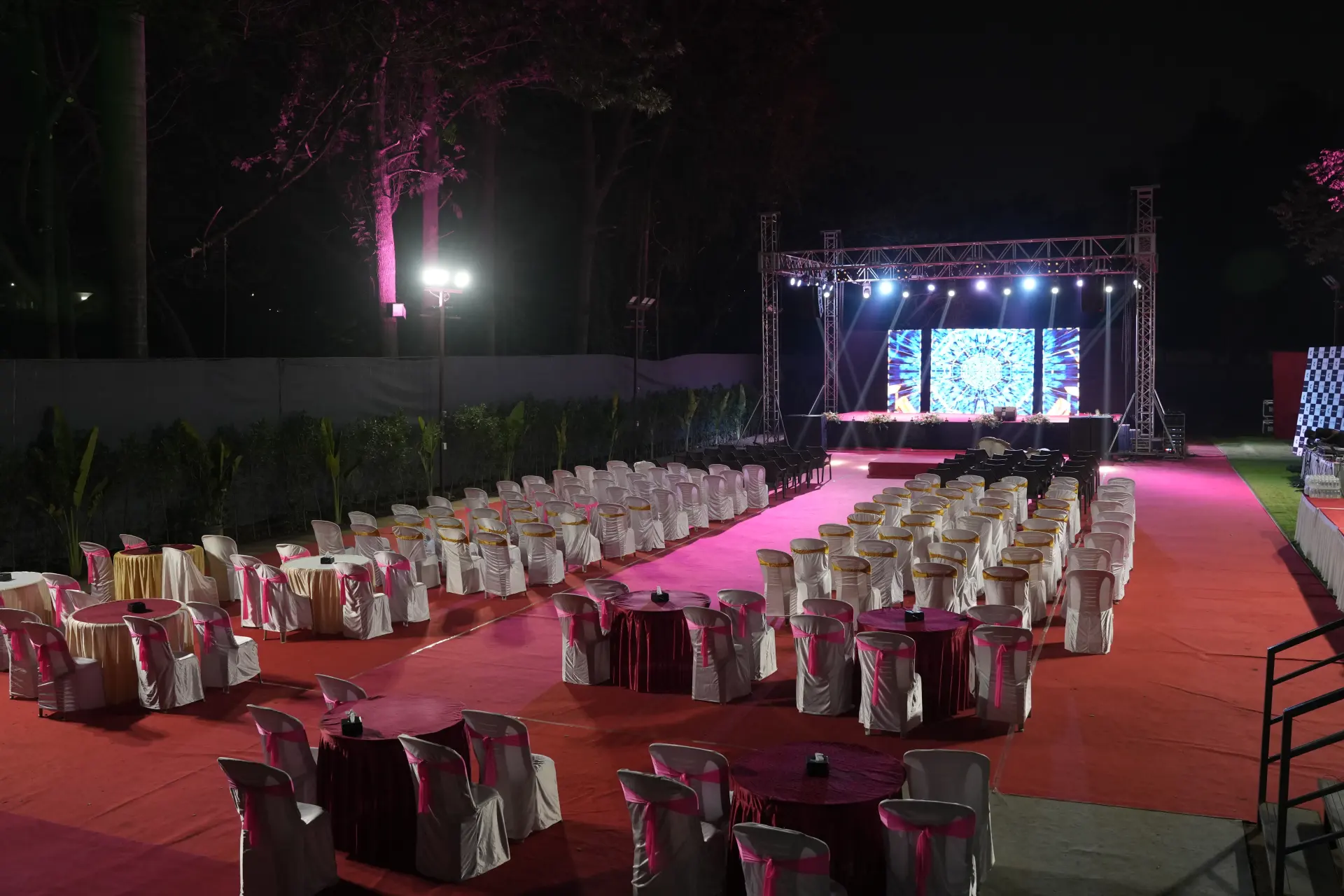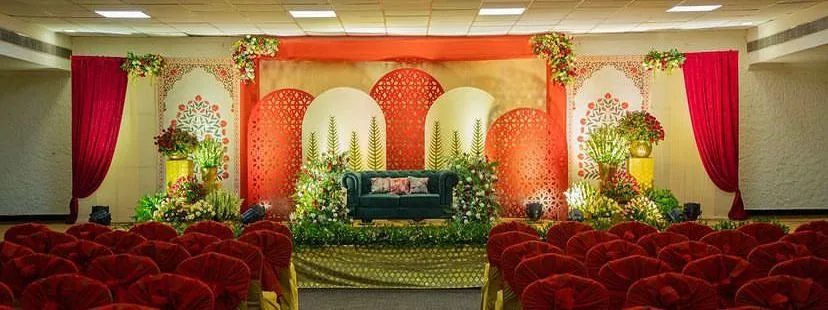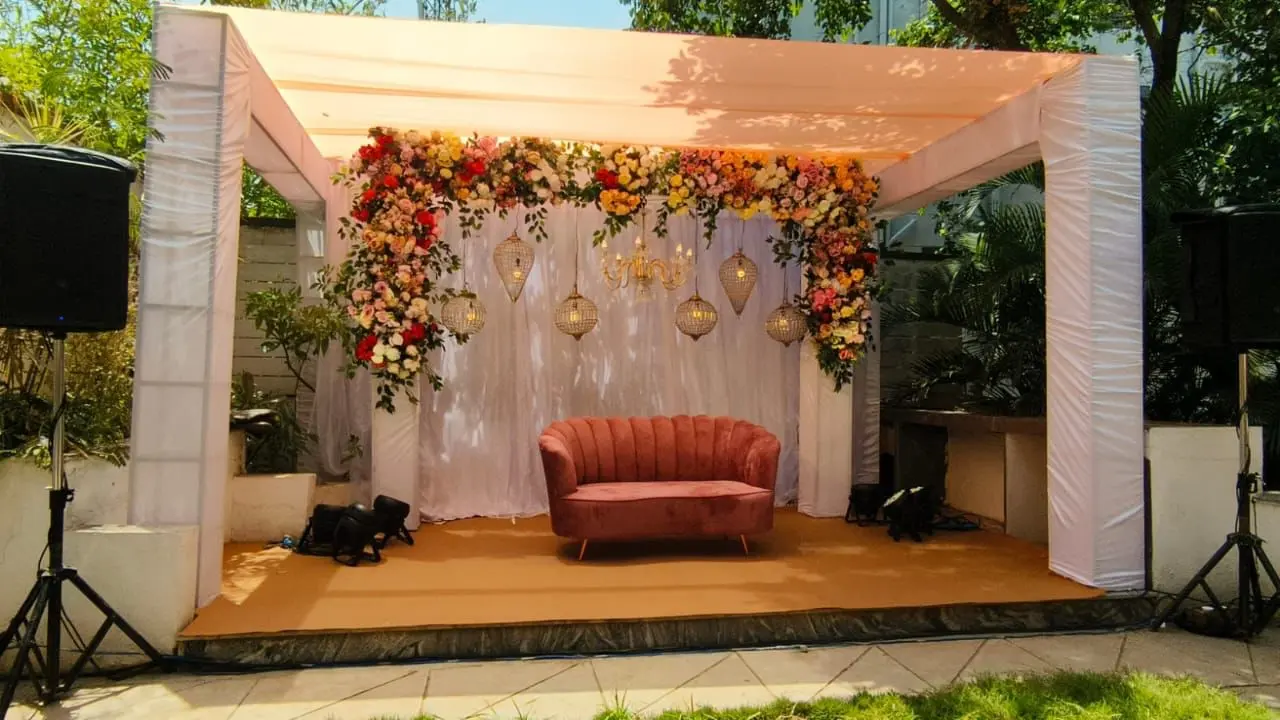


When preparing questions to ask a wedding planner, focus on team size, day-of coordination, backup plans for weather, and itemised billing clarity. A reliable professional will provide clear answers about lead times, vendor coordination, and how they handle last-minute changes during peak celebration dates.
Knowing the right questions to ask a wedding planner helps you separate smooth talkers from dependable professionals who can actually deliver your vision. Hiring someone to manage your big day is a massive trust exercise, especially when you are balancing family expectations, venue rules, and tight calendar dates. Instead of relying on guesswork, sit down with your shortlist and run through a structured set of queries covering logistics, team presence, and financial transparency before you put pen to paper.
Planning this in Pune? See our wedding planners in Pune: one team plans and runs it with you, since 2013.
Experience, Team Strength, and On-Site Presence
Experience and ground support determine whether your celebration stays calm when things get hectic. You need to know exactly who will be managing your venue on the actual day rather than just meeting the person who sells the service. Ask about the team’s physical presence and operational background.
What to check on day-of staffing:
- How many supervisors will be physically present at the venue from setup till wrap-up?
- Have you managed celebrations at my specific type of venue before?
- Who is our single point of contact during the event week?
- What happens if our primary planner falls ill on the wedding day?
A trustworthy team will never dodge these questions. They should explain their shift structures, how they coordinate with venue managements, and how they keep family members out of logistical stress so everyone can enjoy the rituals.
Financial Clarity, Payment Terms, and Hidden Costs
Money conversations set the tone for the entire planning journey. You need complete transparency on how bills are structured, when payments fall due, and what happens if scope changes halfway through the process. Ambiguity here leads directly to end-of-season disputes.
| Payment Phase | What It Covers | Common Pitfall |
|---|---|---|
| Initial Booking | Date blocking and conceptual design | Paying without a detailed scope of work |
| Midway Milestone | Production advances and material booking | Unclear terms on refundability if dates shift |
| Final Settlement | Day-of execution and strike clearance | Failing to account for late-night venue charges |
Always request an itemised breakdown rather than a lump sum. This ensures you can review individual costs for lighting, floral styling, printing, and transport without surprises.
Design, Setup, and Execution Details
Visual transformation relies entirely on clear communication between your ideas and the ground team executing them. You must understand how digital mood boards translate into physical setups under real-world constraints like wind, lighting shifts, and strict venue entry timings.
Key design coordination queries:
- Do you provide physical mock-ups or digital 3D renders for stage and mandap concepts?
- How do you handle lighting integration with floral decorations?
- What is your policy if local municipal permissions or venue rules restrict certain setups?
- Who manages the dismantling and clearance once the function concludes?
Good planners will walk you through past setups similar to your vision, pointing out realistic limitations and clever workarounds for space management.
Timeline Management and Decision Deadlines
A structured timeline prevents last-minute panic and keeps everyone aligned. Without clear milestone dates for guest lists, print approvals, and final run-sheets, chaos usually ensues in the final weeks before the ceremonies begin.
Ask your planner to share a sample milestone schedule. You should know precisely when final headcounts are needed, when printing materials like invites or welcome boards must go to press, and at what point design changes are locked. Knowing these deadlines protects you from rush charges and stress.
Contingency Planning and Backup Solutions
Weather surprises, power cuts, and delayed shipments can test any celebration. A professional planner always has a Plan B ready before a single prop arrives on site.
Crucial safety questions to ask:
- What is your backup plan if sudden rain affects an open-air lawn setup?
- How do you handle generator failures or sudden venue power loss?
- What protocols exist if key decorative materials arrive damaged?
Listen closely to how they describe past problem-solving instances. Their answers should show calm authority and practical readiness rather than vague optimism.
Coordination with Family and Other Specialists
Your celebration involves many moving parts beyond decor and printing. From family elders managing rituals to photographers capturing moments and independent specialists handling music or makeup, everyone needs to sync smoothly.
Clarify how the planning team coordinates arrival times and working spaces for photographers, makeup artists, and sound technicians. They should act as the central communication hub so your family never has to chase service providers on the wedding morning.
Spotting Red Flags and Common Planning Pitfalls
Navigating Common Missteps Before You Sign
Choosing the right professional for your big day requires looking beyond a polished social media gallery and smooth sales pitches. Many couples make the mistake of focusing entirely on the initial package price without examining the fine print regarding coordination hours, vendor exclusivity clauses, and additional travel fees. When sitting down for an initial consultation with Plan With YOLO, you should ask about their policy on outside decor partners and whether they receive commissions that might influence their recommendations. A trustworthy organizer will always prioritize your vision and budget over behind-the-scenes kickbacks.
Another frequent oversight involves failing to clarify communication channels and response time expectations during peak celebration seasons. You need to know exactly who will be managing your emails, how often progress updates will be shared, and what happens if your primary contact falls ill before the celebration. Transparent professionals will clearly outline their availability and escalation procedures. Watch out for vague answers regarding who actually shows up on the morning of the event, as bait-and-switch tactics involving junior staff members are surprisingly common in the industry.
- Inquire about their policy on handling vendor disputes and missed deadlines.
- Verify if they carry comprehensive liability insurance to cover property damage or accidents.
- Ask how many other celebrations they manage during your specific weekend.
Adapting Your Strategy for Intimate Gatherings Versus Grand Galas
Tailoring Support to the Scale of Your Celebration
The operational approach required for a cozy family gathering differs vastly from the logistics needed to manage a massive multi-day celebration with hundreds of guests. While large events demand complex crowd management, extensive parking coordination, and rigid staging schedules, smaller functions often require a delicate touch focused on intimate guest comfort and highly personalized decor elements. When discussing your guest count with Plan With YOLO, ask the team how their staffing ratios adjust depending on the scale of the function. An expert organizer will explain how they scale their on-site team to ensure every detail receives proper attention regardless of the crowd size.
Scale also dictates your venue flexibility and rental requirements. Intimate celebrations often allow for unique historic properties or scenic outdoor spaces that present distinct logistical hurdles like limited power supply or restricted setup windows. Larger galas require rigorous crowd flow mapping and detailed staging run-sheets to prevent bottlenecks during meals or photography sessions. By understanding how your chosen specialist adapts their methodology to fit your specific scale, you can ensure a smooth execution from start to finish.
- Discuss how crew numbers scale up or down based on your final expected guest count.
- Explore how venue restrictions impact setup times for both large and small gatherings.
- Confirm their experience in managing the specific venue type you have chosen.
Plan Your Celebration with Complete Peace of Mind
Armed with these questions, you are ready to evaluate planners objectively and choose a team that aligns with your expectations. We believe in total transparency, detailed itemised planning, and keeping one dedicated point of contact in your corner from day one. Whether you are planning a grand gathering or an intimate traditional ceremony, we handle the logistics so you can focus on making memories. Explore our wedding planner in Pune services to see how we work. Get in touch with us today to discuss your vision and request an itemised plan tailored to your needs.
Frequently asked questions
What are the most important questions to ask a wedding planner?
The most important questions cover day-of team strength, itemised cost structures, backup plans for weather, and how they handle vendor coordination. Make sure you understand who will personally manage your venue on the actual date and how they resolve last-minute emergencies.
When should I start interviewing wedding planners?
You should begin interviewing planners six to twelve months before your celebration date, especially if your preferred season falls during peak wedding months. Early conversations give you enough time to review portfolios, discuss design concepts, and secure dates without rushing.
Do wedding planners charge a flat fee or a percentage?
Wedding planners typically charge either a flat management fee based on the scope of work or a percentage of the overall event budget. Always request an itemised quote that breaks down design, production, printing, and coordination charges clearly.
Will the lead planner be present on my wedding day?
Yes, your lead planner should personally oversee operations on your wedding day along with a trained ground team. Always clarify in writing who your designated point of contact will be throughout the event week to avoid miscommunication.
How do wedding planners handle weather contingencies?
Professional planners prepare backup solutions such as covered tents, indoor alternative spaces, and waterproof anchoring for outdoor setups. They review weather forecasts in advance and coordinate with venue management to shift arrangements smoothly if conditions change.

Vicky founded Plan With YOLO in Pune in 2013 and leads the planning on corporate events, weddings and stage production across Maharashtra.