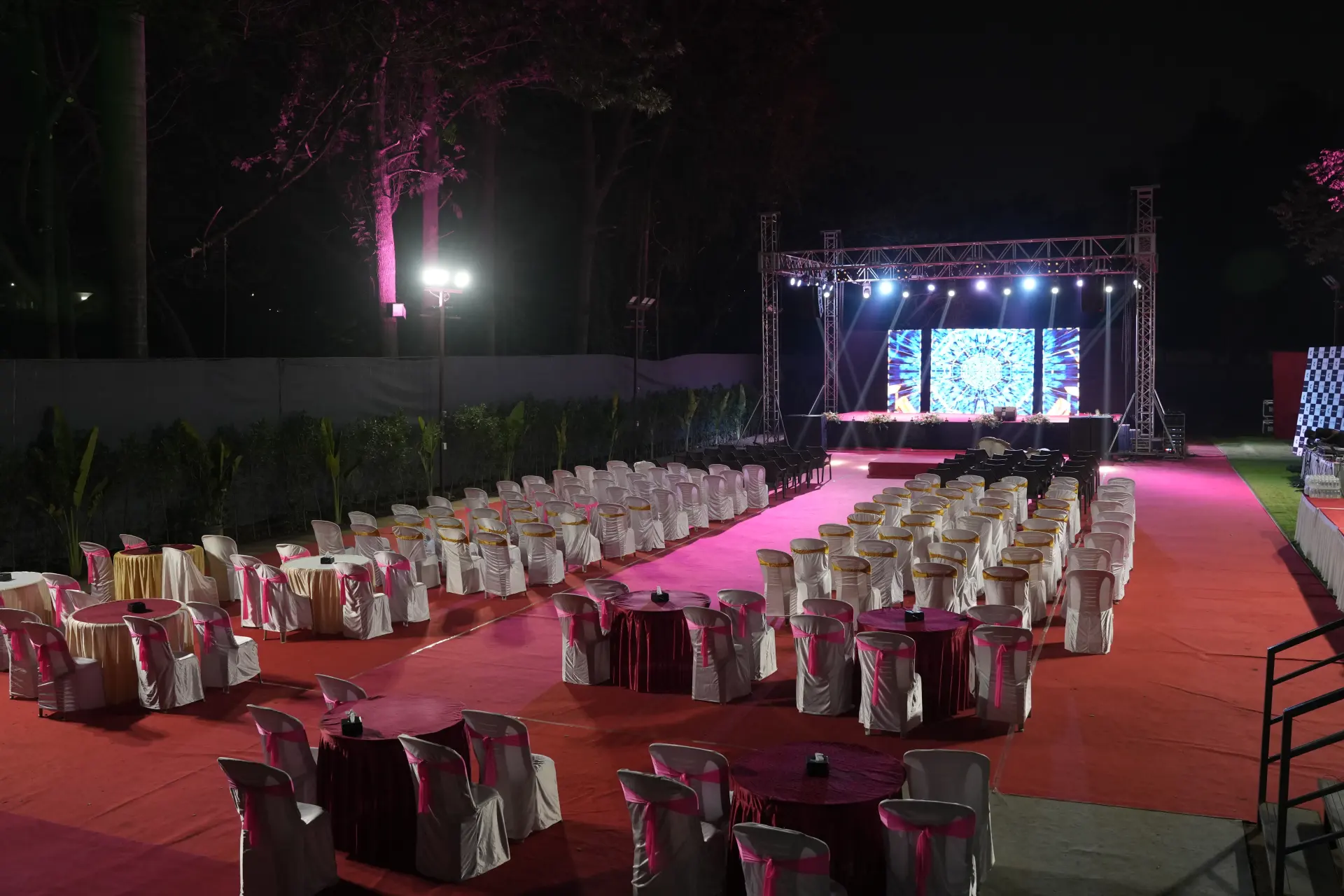


An effective offsite planning checklist starts months in advance by locking dates, finalising attendee counts, and selecting a venue within comfortable driving distance from the city. Coordinate your transport, map out daily itineraries balancing workshops with downtime, arrange AV gear, and assign one lead coordinator to manage all suppliers and schedules.
Following a reliable offsite planning checklist helps your team skip last-minute panic and focus on actual collaboration. Bringing colleagues together outside the regular office requires careful attention to transport, comfortable seating, and clear schedules. Whether you are heading towards nearby hill stations or booking a resort on the city edges, keeping your timelines clean makes the entire experience smooth for everyone involved.
Planning this in Pune? See our corporate offsite near Pune: one team plans and runs it with you, since 2013.
Finalising dates, headcount, and budget frameworks
Getting your basic numbers locked down is always the first step. You cannot book transport or rooms until you know exactly who is traveling. Start by circulating a tentative calendar invite at least two months ahead to check team availability.
Defining the scope early
Avoid changing headcounts at the last minute because it disrupts room sharing and bus seating. Once you have a firm list, sit down with finance to understand what the overall kitty covers. Separate costs into clear buckets such as venue stay, travel, AV equipment, and facilitator fees.
- Confirm the exact list of employees and leadership attending
- Establish fixed deadlines for RSVP responses
- Keep a small buffer for unplanned expenses
Clear budgeting stops surprises halfway through the planning cycle. When your numbers are locked, every subsequent choice becomes much easier to evaluate against your goals.
Choosing the right venue and managing transport logistics
Location dictates the mood of your entire gathering. If you pick a spot too far away, people spend half their day in transit and arrive too tired for meetings. Look for properties that offer dedicated conference rooms alongside open lawns for evening networking.
Travel coordination
Transport logistics need meticulous timing, especially when moving large groups out of heavy traffic zones like Hinjewadi or Baner. Arrange private buses or cabs that pick up teams from central office locations. Make sure the vehicle capacity matches your headcount with extra room for luggage and equipment.
| Logistics Item | Recommended Lead Time | Key Responsibility |
|---|---|---|
| Bus Booking | 4 weeks prior | Ensure AC coaches with adequate seating |
| Venue Contract | 6 weeks prior | Verify check-in times and meal schedules |
| AV Equipment | 2 weeks prior | Test projectors, mics, and backup power |
A well-chosen venue provides reliable Wi-Fi, comfortable chairs for long strategy sessions, and responsive staff on-site to handle immediate requests.
Designing productive work sessions and breakout talks
An offsite is not just a holiday; it is a chance to align vision and tackle big projects without daily office distractions. Design your agenda so that heavy strategy discussions happen during morning hours when energy levels remain high.
Keeping attention levels steady
Avoid packing back-to-back presentations for eight hours straight. People zone out quickly if they sit listening to slides all day. Break teams into smaller circles for interactive whiteboard sessions or problem-solving exercises.
- Limit keynotes to concise thirty-minute blocks
- Schedule short tea breaks every ninety minutes
- Provide printed or digital agenda handouts so everyone stays aligned
Appoint a strict timekeeper for each session to ensure discussions do not spill over and eat into scheduled recreation time.
Balancing structured fun and downtime for employees
The best company trips strike a healthy balance between professional growth and relaxed bonding. Do not fill every single hour with structured tasks. Give people time to explore the property, catch up with colleagues from other departments, or simply rest.
Engaging team activities
Plan team-building exercises that do not feel forced or overly athletic. Trivia nights, music sessions, or outdoor treasure hunts work well because they encourage natural laughter and teamwork. Coordinate with the resort or bring in professional facilitators to run these games smoothly.
- Keep team challenges inclusive for all fitness levels
- Avoid mandatory participation in late-night parties
- Set clear expectations about professional conduct during leisure hours
When employees get adequate downtime, they return to work refreshed and genuinely connected with their peers.
Managing AV tech, stage setups, and branding elements
Technical glitches can derail a great presentation in minutes. Whether you are hosting a formal town hall or a casual annual review, check all audio-visual setups the evening before your sessions begin. Make sure microphones, sound mixers, and display screens communicate properly.
Branding and stage aesthetics
Adding subtle company branding helps reinforce the event theme. Simple backdrop banners, podium branding, or digital standees make the space look professional. Coordinate with the resort management to secure access for setting up equipment well ahead of the start time.
- Keep extra power strips and extension cords handy
- Ensure backup internet routers are active in the conference hall
Taking care of these technical foundations ensures your speakers look confident and your audience hears every word clearly.
Executing on-site coordination and post-event closure
On the day of the event, someone must act as the central point of contact for the venue staff, transport drivers, and company leadership. Avoid making the senior managers run around fixing logistics. Assign one dedicated coordinator to handle every real-time challenge.
Smooth wrap-up and feedback
As the gathering concludes, oversee room check-outs, settle final bills with the property, and ensure all company property or leftover materials are loaded back into transport vehicles. Once everyone is back home, send out a brief feedback form to understand what worked and what needs improvement for next time.
- Conduct a final walkthrough of rooms to check for left items
- Collect invoice copies for internal accounting closure
- Share photographs and summary notes with participating teams
Structured execution from start to finish leaves a lasting positive impression on your entire workforce.
Critical questions to ask before booking your corporate retreat space
Knowing what to clarify upfront
Before locking in any property for your upcoming corporate retreat, operations and human resources teams must dig deeper than standard resort brochures. Securing the ideal destination involves vetting both the physical infrastructure and the support systems available during your stay. Getting clarity on operational details early prevents last-minute surprises that can derail your schedule.
- Can the primary meeting hall accommodate our entire team comfortably with various seating arrangements like theatre or classroom styles?
- What backup power arrangements exist on-site to ensure uninterrupted work sessions during unexpected electrical outages?
- Are breakout spaces included in the base booking, or are they billed separately based on hourly usage?
- What is the exact policy regarding outside branding materials, roll-up standees, and backdrop installations inside the conference areas?
- Is dedicated high-speed internet provided for all participants simultaneously, or is there a device limit per room that requires an upgrade?
Asking these pointed questions helps teams evaluate whether a location truly matches their professional requirements. A property might look picturesque online, but operational readiness is what actually dictates the success of corporate gatherings. Ensuring the management team is transparent and responsive during these initial discussions is also a strong indicator of how smoothly your event execution will run once everyone arrives on-site.
A chronological blueprint for orchestrating your team getaway
Mastering the timeline from concept to execution
Successfully orchestrating a corporate retreat requires disciplined sequencing. Trying to tackle venue selection, content planning, and team activities all at once leads to missed details and unnecessary stress. Establishing a clear chronological order of work ensures that every milestone is met without rushing critical decisions.
- Lock down the exact dates and secure executive approval on the high-level financial framework at least a few months prior.
- Finalise the headcount to understand rooming requirements and transport capacity before approaching properties.
- Shortlist and visit prospective locations, confirming room availability, internet capabilities, and indoor meeting capacities.
- Draft the agenda for professional sessions and align internal speakers well in advance of travel bookings.
- Arrange group transport logistics, ensuring clear communication channels for pickups and drop-offs across all participant locations.
- Consolidate all final details, confirm room allocations, and brief internal leads on their specific on-site roles.
Following this structured sequence allows planners to build momentum steadily. Each completed phase acts as a solid foundation for the next, reducing the likelihood of overlapping tasks. When every team member understands the timeline and their specific responsibilities, the journey from initial brainstorming to the final wrap-up becomes remarkably straightforward, leaving ample room to focus on delivering a memorable experience for the entire organisation.
Plan your next corporate offsite with experienced planners
Bringing a large group together for an impactful company meet takes dedicated coordination, from securing comfortable venues to managing daily schedules and technical setups. If you want to bypass the stress of managing dozens of suppliers and transport schedules alone, we are here to help. One experienced team coordinates every detail from start to finish so your leadership can focus entirely on the team. Explore our corporate offsite planner in Pune services to see how we handle logistics, venue management, and engagement. Reach out to our team today to discuss your vision and ask for an itemised plan tailored to your company’s goals.
Frequently asked questions
How early should we start using an offsite planning checklist?
You should begin preparing your checklist at least two to three months before the actual dates. This lead time gives you better venue choices, cheaper group transport options, and adequate time for employees to clear their project deadlines.
What is the best way to choose a venue for a company retreat?
Select a venue that balances comfortable stay accommodations with well-equipped conference rooms and open outdoor spaces. Consider travel time from the city to ensure employees do not spend excessive hours sitting in transit buses.
How do we balance meetings and leisure time during an offsite?
Dedicate morning hours to focused strategy sessions and workshops when energy levels remain high. Keep afternoons and evenings free for team-building games, informal networking, and unstructured downtime so participants do not experience burnout.
Who manages suppliers and transport schedules on the day of the event?
Assign a single point of contact or an external planning team to oversee all on-site coordination. Having one dedicated coordinator prevents confusion among venue staff, transport drivers, and company leadership during the trip.
What factors influence the overall budget of a corporate offsite?
Total costs depend primarily on the venue tariff, room sharing configurations, distance and type of transport hired, technical AV requirements, and any special team-building facilitators you choose to bring on board.

Vicky founded Plan With YOLO in Pune in 2013 and leads the planning on corporate events, weddings and stage production across Maharashtra.