How long does vinyl printing last depends mostly on material quality, sun exposure, and lamination, ranging from a few months for basic indoor stickers to several years for heavy-duty outdoor grade signage.
Asking how long does vinyl printing last is usually the first thing business owners and event planners wonder when investing in visual displays. The actual lifespan of your printed material depends directly on where it is placed, whether it faces direct sunlight, and how well it is applied to the surface. By understanding the differences between calendar and cast films, along with the protective role of lamination, you can choose the right material for your storefront or exhibition stall without wasting budget on premature replacements.
Planning this in Pune? See our vinyl printing in Pune: one team plans and runs it with you, since 2013.
Understanding How Long Does Vinyl Printing Last Indoors Versus Outdoors
Indoor graphics generally outlast outdoor displays because they are protected from harsh weather, heavy rain, and continuous ultraviolet radiation. When applied inside an air-conditioned office or a retail counter, standard adhesive prints can stay fresh and vibrant for multiple years without peeling at the edges.
Outdoor Exposure Factors
Outdoor graphics face a much tougher environment, especially under direct sunlight and high humidity during monsoon seasons. Without proper UV-resistant inks and protective layers, outdoor prints can fade, crack, or shrink within a single season.
- Indoor wall graphics: Maintained easily for several years.
- Window displays facing glass: Protected from wind but vulnerable to intense afternoon heat.
- Outdoor hoardings and standees: Require heavy-duty media to survive local weather extremes.
Choosing the correct grade for your specific placement prevents early degradation. If you are putting up displays in areas like Baner or Kothrud where afternoon sun hits storefronts directly, upgrading to cast vinyl makes a noticeable difference in longevity.
Comparing Material Grades: Monomeric Versus Polymeric Films
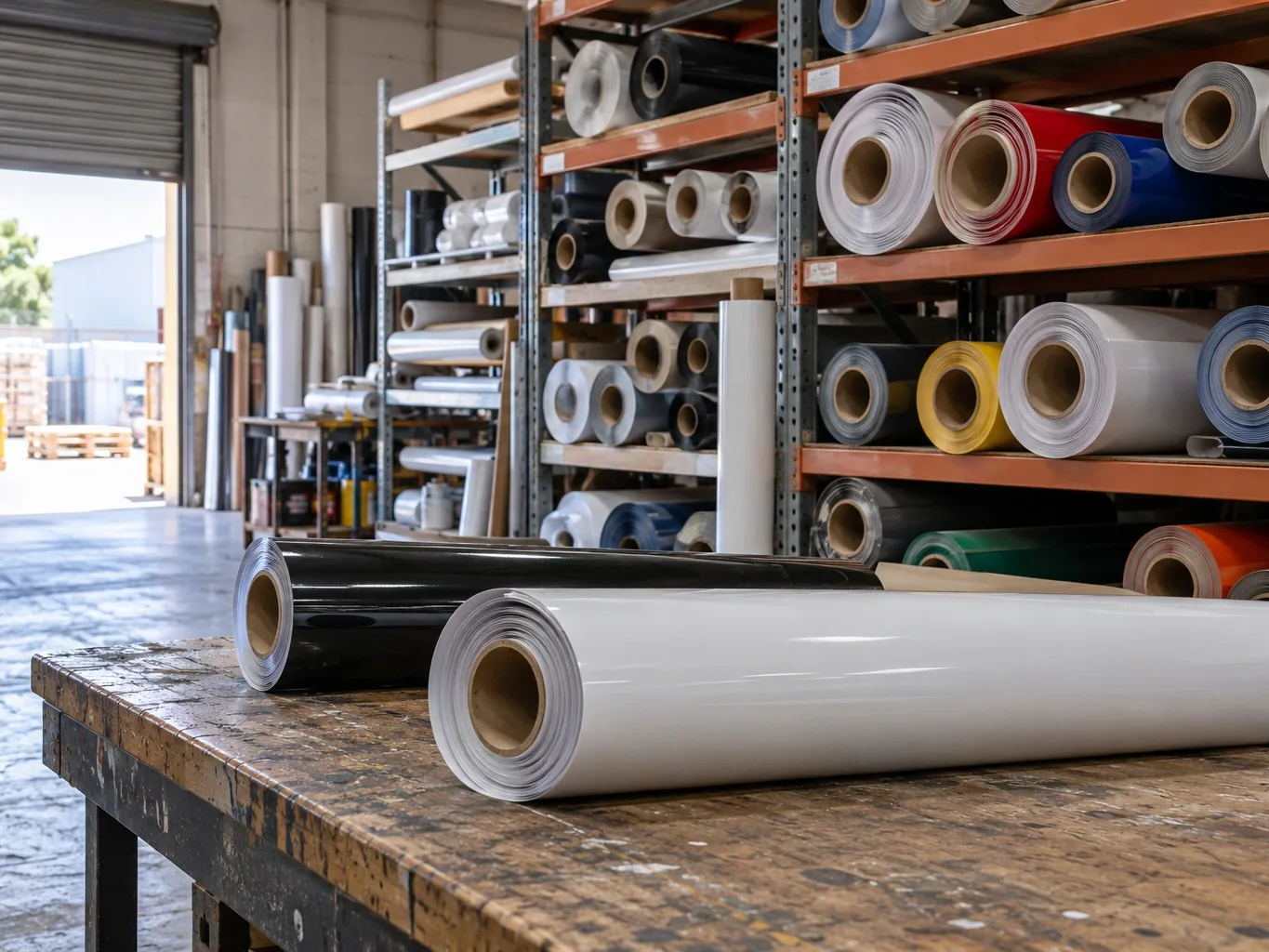
The raw film type you select dictates the physical limits of your print. Monomeric vinyl is cost-effective and works wonderfully for short-term flat surface applications such as exhibition notices, temporary sales banners, and indoor product labeling.
Polymeric and Cast Options
Polymeric vinyl uses a more stable plasticizer, making it shrink-resistant and suitable for curved surfaces or medium-term outdoor use lasting up to several years. Cast vinyl is the premium choice for vehicle wraps and long-term outdoor branding because it conforms smoothly to rivets and deep grooves without lifting.
| Vinyl Type | Best Use Case | Typical Lifespan |
|---|---|---|
| Monomeric | Short-term indoor, flat boards | Up to 1 year |
| Polymeric | Medium-term outdoor, curved walls | 2 to 5 years |
| Cast | Vehicle wraps, complex contours | 5 plus years |
Selecting the right grade upfront saves you from recurring replacement costs and keeps your brand presentation looking sharp year-round.
The Critical Role of Lamination in Extending Print Life
Adding a transparent over-laminate layer is the single most effective way to protect your printed graphics from physical wear, scratches, and chemical cleaners. Glossy laminates make colors pop and catch the eye, while matte laminates cut down unwanted glare under harsh interior lighting.
Protection Against UV Rays
Quality laminate films contain ultraviolet inhibitors that block harmful sun rays from breaking down the ink pigments underneath. This prevents your vibrant brand colors from washing out into dull tones after just a few months of exposure.
- Applies an extra barrier against accidental liquid spills or dusting rags.
- Prevents edge curling caused by temperature fluctuations.
- Makes surface wiping safer without scratching the printed ink.
Always ask your printer if lamination is included in your quote, especially for displays meant to last more than a few months outdoors or in high-traffic retail aisles.
Surface Preparation and Application Techniques That Prevent Peeling
Even the highest grade material will fail prematurely if the underlying surface is dirty, greasy, or damp during installation. Proper cleaning with isopropyl alcohol removes microscopic dust and oil residue, creating a secure bond between the adhesive and the wall or glass.
Weather Conditions During Installation
Applying vinyl during extreme cold or high humidity prevents the pressure-sensitive adhesive from activating correctly. Professional installers ensure the mounting surface is at a stable temperature before smoothing down the film with a squeegee to eliminate trapped air bubbles.
- Thoroughly scrub and dry glass, metal, or acrylic panels.
- Check for porous or textured walls that require specialized heavy-tack adhesive.
- Allow freshly painted walls to cure for at least a couple of weeks before sticking vinyl.
Taking time during the preparation phase ensures your graphics stay firmly anchored for their entire intended lifespan.
Common Mistakes That Shorten the Life of Printed Vinyl
Many brand displays fail early simply due to improper cleaning methods or incorrect material selection for the job at hand. Using harsh chemical solvents, abrasive scouring pads, or high-pressure water jets directly over vinyl edges can force moisture underneath and ruin the adhesive bond.
Ignoring Environmental Challenges
Another frequent error is using budget-friendly indoor sticker stock on an exterior glass facade exposed to intense seasonal heat. The vinyl dries out, becomes brittle, and shatters into tiny flakes when you eventually try to peel it off.
- Scrubbing prints with abrasive steel wool or bleach-based cleaners.
- Placing standard stickers where rainwater pools continuously.
- Stretching the material excessively during installation, causing tension lines.
Avoiding these simple pitfalls protects your investment and keeps your promotional displays looking pristine throughout their operational cycle.
Routine Care and Maintenance Tips for Long-Lasting Graphics
Maintaining your printed vinyl requires gentle cleaning routines using soft cotton cloths and mild soapy water. Wipe down the surface lightly to remove accumulated dust, soot, and urban grime without pressing hard against cut edges or seams.
Periodic Inspection Checks
Inspect your installations every few months, particularly around corners exposed to direct wind currents. Catching a small lifting edge early allows you to secure it with a dab of edge sealer before the wind tears the entire graphic off the surface.
- Wash gently with lukewarm water and mild dish soap.
- Rinse thoroughly and pat dry with a clean microfiber cloth.
- Keep sharp objects and cleaning machinery away from the print edges.
Regular upkeep takes only minutes but adds significant time to the usable life of your signage and decorative wall films.
Plan Your Next Display with Confidence
Getting your visual displays right starts with choosing the correct material grade and trusting experienced planners to handle the production and setup without hassle. Whether you need durable storefront branding, exhibition graphics, or office window films, one team manages your complete requirement from design setup to final on-site installation. Explore our vinyl printing in Pune services to see how we can assist your upcoming project. Reach out to us today to share your requirements and ask for a detailed, itemised plan tailored to your timeline.
Frequently asked questions
Can vinyl prints be applied to rough or textured walls?
Textured walls require specialized cast vinyl with high-tack adhesive and heat application to conform securely to uneven surfaces. Standard sticker materials will quickly bridge over gaps and fall off rough plaster.
Will peeling off old vinyl damage my glass or painted walls?
Old vinyl can usually be removed cleanly by gently warming the material with a heat gun to soften the adhesive. Quality films rarely leave heavy residue, though older cheap stock might require mild adhesive remover.
Is lamination mandatory for all vinyl printing jobs?
Lamination is not strictly mandatory for short-term indoor notices, but it is highly recommended for anything facing sunlight, physical contact, or outdoor weather to prevent rapid fading and scratching.
How soon after painting can I apply vinyl to a wall?
Newly painted walls should cure for at least two to four weeks before applying adhesive vinyl. Fresh paint releases gases that break down adhesives and cause the vinyl to bubble and peel away.
What is the difference between vinyl stickers and flex banners?
Vinyl is a thin, adhesive-backed film suited for direct mounting on smooth flat surfaces, glass, and vehicles. Flex banners are non-adhesive PVC materials typically stretched across metal frames for large outdoor signage.

Vicky founded Plan With YOLO in Pune in 2013 and leads the planning on corporate events, weddings and stage production across Maharashtra.