

In today’s competitive digital world, understanding advertising psychology is no longer optional. It is essential. Every ad we see is designed to influence how we think, feel, and ultimately buy. From social media campaigns to search ads, businesses use psychological principles to guide consumer behavior and improve conversions.
In 2026, marketing is more data-driven and personalized than ever. Brands are not just promoting products. They are shaping perceptions and emotions. Companies that understand why people respond to certain messages create campaigns that connect deeply with audiences. With structured strategy and creative execution, teams like Plan with Yolo help businesses design advertising campaigns rooted in psychology and measurable performance.
What Is Advertising Psychology and Why It Matters in 2026
It is the study of how marketing messages influence human thoughts, emotions, and decisions. It blends behavioral science, marketing strategy, and communication techniques.
In 2026, audiences are exposed to thousands of ads daily. To stand out, brands must understand attention triggers, emotional cues, and buying motivations. Psychological insights help create relevant, memorable campaigns.
When marketers apply behavioral principles correctly, advertising becomes more targeted and effective.
How It Influences Buying Decisions
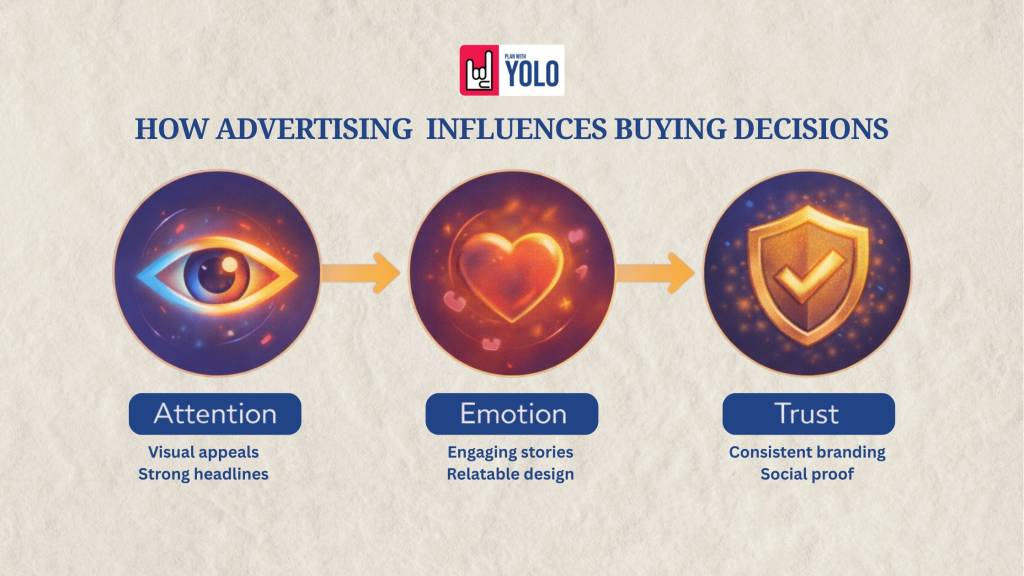
Advertising works through three stages:
- Attention – Strong visuals and headlines capture interest.
- Emotion – Storytelling and design create connection.
- Trust – Reviews, consistency, and credibility drive action.
When all three elements align, conversion rates improve significantly.
The Science Behind Consumer Behavior in Advertising
Consumer behavior in advertising focuses on how people react to visuals, messaging, and brand communication. Studies show that most buying decisions are emotional first and logical second. People often justify purchases with logic after an emotional response has already occurred.
Why People Buy Emotionally, Not Logically
Emotions like excitement, trust, and belonging influence purchasing decisions. A well-designed advertisement creates a feeling that connects the brand with the consumer’s needs or aspirations.
The Role of Subconscious Decision-Making
Many buying decisions happen subconsciously. Colors, music, facial expressions, and storytelling can influence perception without the viewer actively noticing. This is why subtle design elements play a major role in advertising success.
Consumer Behavior in Advertising: Trends Marketers Must Know
Consumer behavior in advertising is evolving quickly. Today’s audiences expect personalization and authenticity.
Consumers respond better to ads that reflect their interests and needs. Generic promotions are less effective. AI-driven targeting and behavioral data help create personalized campaigns.
Short-form videos and interactive ads are dominating in 2026. These formats capture attention quickly and drive higher engagement.
Emotional Advertising Techniques That Drive Sales
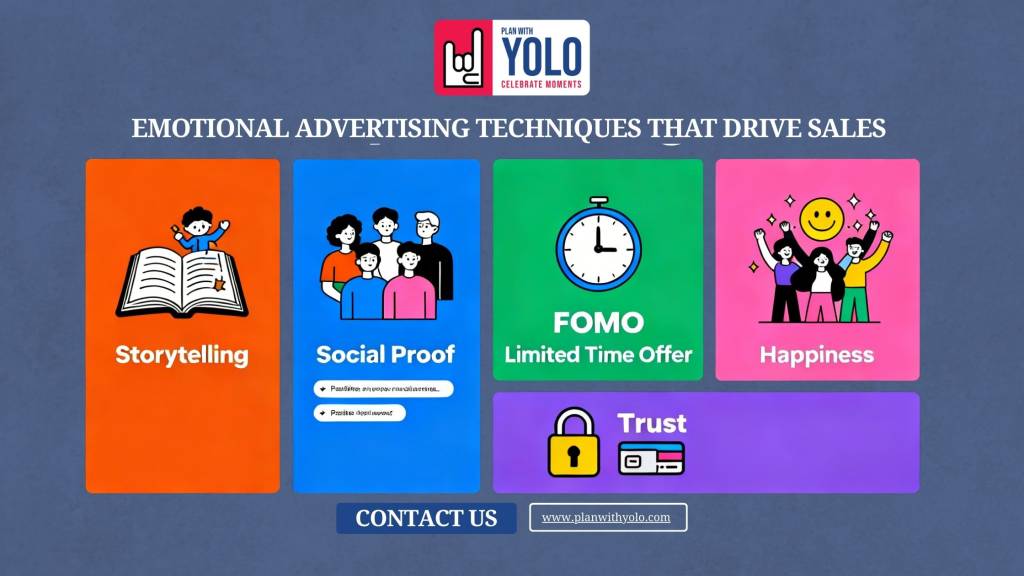
Emotional advertising techniques focus on creating feelings that connect audiences to brands.
Storytelling is one of the most powerful methods. When ads tell relatable stories, people remember them longer. Humor, nostalgia, and aspiration also influence buying behavior.
Music, visuals, and tone amplify emotional impact. When people feel emotionally connected to a brand, loyalty increases.
Persuasive Advertising Strategies That Increase Conversions
Effective persuasive advertising strategies guide audiences toward action. Scarcity messaging such as limited-time offers increases urgency. Social proof such as reviews builds trust. Clear calls to action reduce confusion.
Consistency in brand messaging improves recognition. When audiences repeatedly see aligned messaging, they develop familiarity and trust. Companies seeking reliable advertising execution can partner with Plan with Yolo, where strategic planning and psychology-driven campaigns help improve performance and results.
Neuromarketing in Advertising: How the Brain Responds to Ads
Neuromarketing in advertising focuses on how the brain reacts to visuals, sounds, and messaging used in campaigns. Research shows that the brain processes images faster than text, which is why strong visuals, colors, and facial expressions play an important role in capturing attention. Elements such as color psychology, storytelling, and repetition help create familiarity and trust, influencing how consumers perceive brands and remember advertisements.
Many responses to ads happen subconsciously. Music, tone, and visual cues can trigger emotions like trust, excitement, or curiosity without the viewer actively noticing. When ads create emotional and sensory connections, they become more memorable and persuasive. Understanding these brain responses helps marketers design campaigns that feel engaging and natural, leading to better brand recall and improved buying decisions.
Comparison: Emotional vs Rational Advertising
| Aspect | Emotional Advertising | Rational Advertising |
|---|---|---|
| Focus | Feelings | Facts |
| Impact | Strong memory recall | Clear value explanation |
| Conversion | Emotion-driven | Logic-driven |
| Best Use | Brand building | Product comparison |
Most successful campaigns combine both approaches.
Advertising Psychology Trends in 2026
Personalization powered by AI is dominating marketing strategies. Ads tailored to individual behavior perform better.
Short-form video continues to rise. Interactive and immersive content increases engagement.
Ethical advertising and transparency are also gaining importance. Consumers value honesty and authenticity in brand messaging.
Companies that combine psychology with data-driven execution see higher marketing ROI.
Why Understanding Advertising Psychology Improves Marketing ROI
When brands understand this, they reduce wasted ad spend. Targeted messaging improves engagement and conversions.
Psychology-based campaigns resonate more deeply with audiences. This leads to higher click-through rates and stronger brand loyalty.
Strategic application of behavioral insights ensures sustainable growth. Teams like Plan with Yolo help businesses integrate psychological principles into performance-driven campaigns that deliver measurable results.
Conclusion
Mastering advertising psychology allows businesses to move beyond basic promotion and build meaningful connections with audiences. By combining emotional triggers, persuasive techniques, and data insights, brands can influence buying decisions effectively.
In 2026, marketing success belongs to businesses that understand consumer behavior and apply it strategically. With structured planning and creative execution, Plan with Yolo supports brands in building impactful advertising campaigns that increase engagement, drive leads, and improve marketing ROI.