Digital printing is printing directly from a digital file onto the material, with no plate or screen made first. Ink or toner goes straight onto vinyl, fabric, card or board. Because nothing is made up front, short runs are cheap, every copy can be different, and artwork changed in the morning can print the same afternoon.
When people ask what is digital printing, the honest answer is short. It is printing straight from a file onto the material, with no plate, screen or block made first. The press reads your artwork and lays ink or toner down directly, so the first copy costs much the same as the fiftieth, and every copy can carry different words.
Planning this in Pune? See our digital printing services in Pune: one team plans and runs it with you, since 2013.
That single difference decides nearly everything else. Nothing is made before the press runs, so a short job is cheap and a long job stops being cheap. A spelling mistake found on Thursday afternoon is a reprint, not a new set of screens.
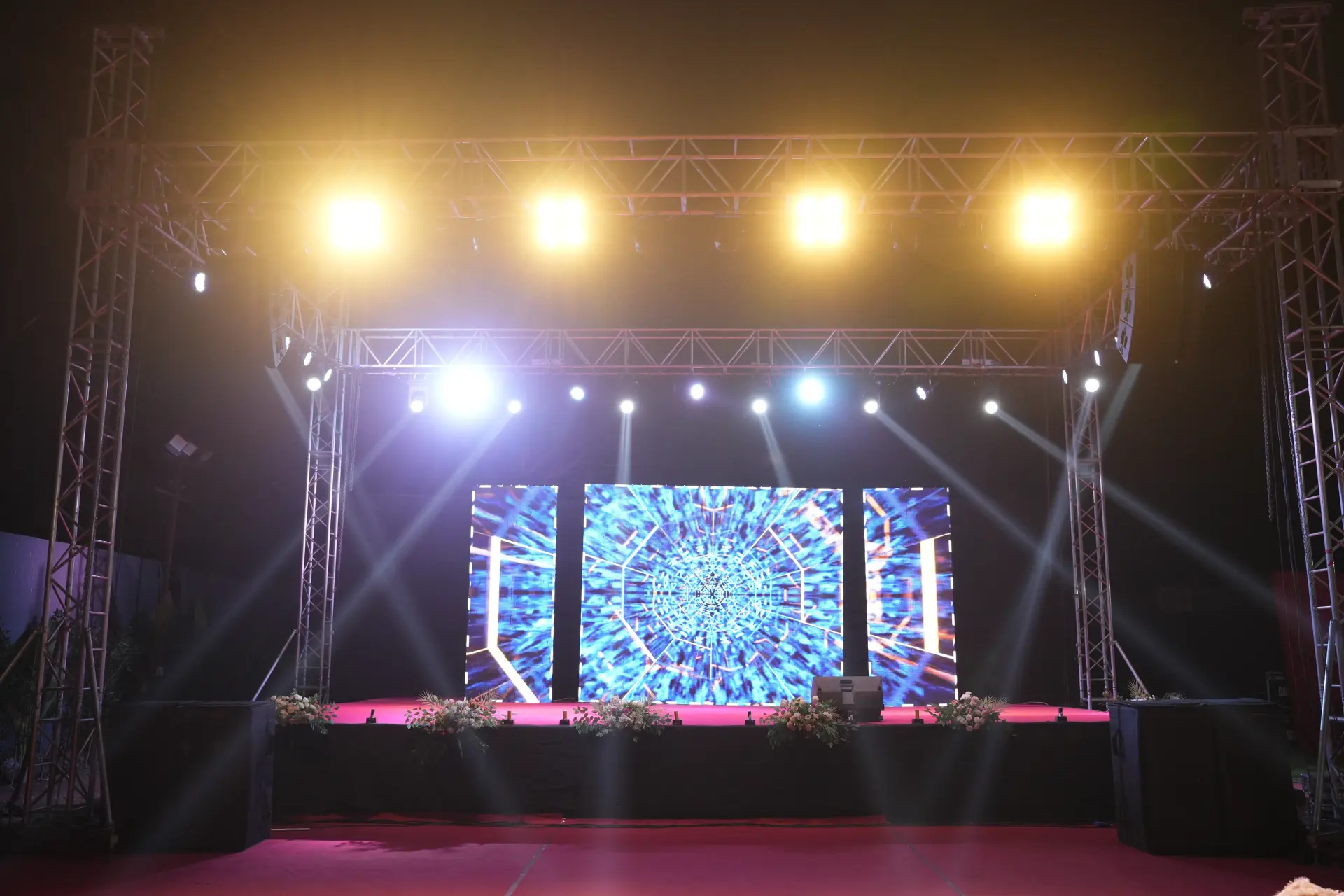
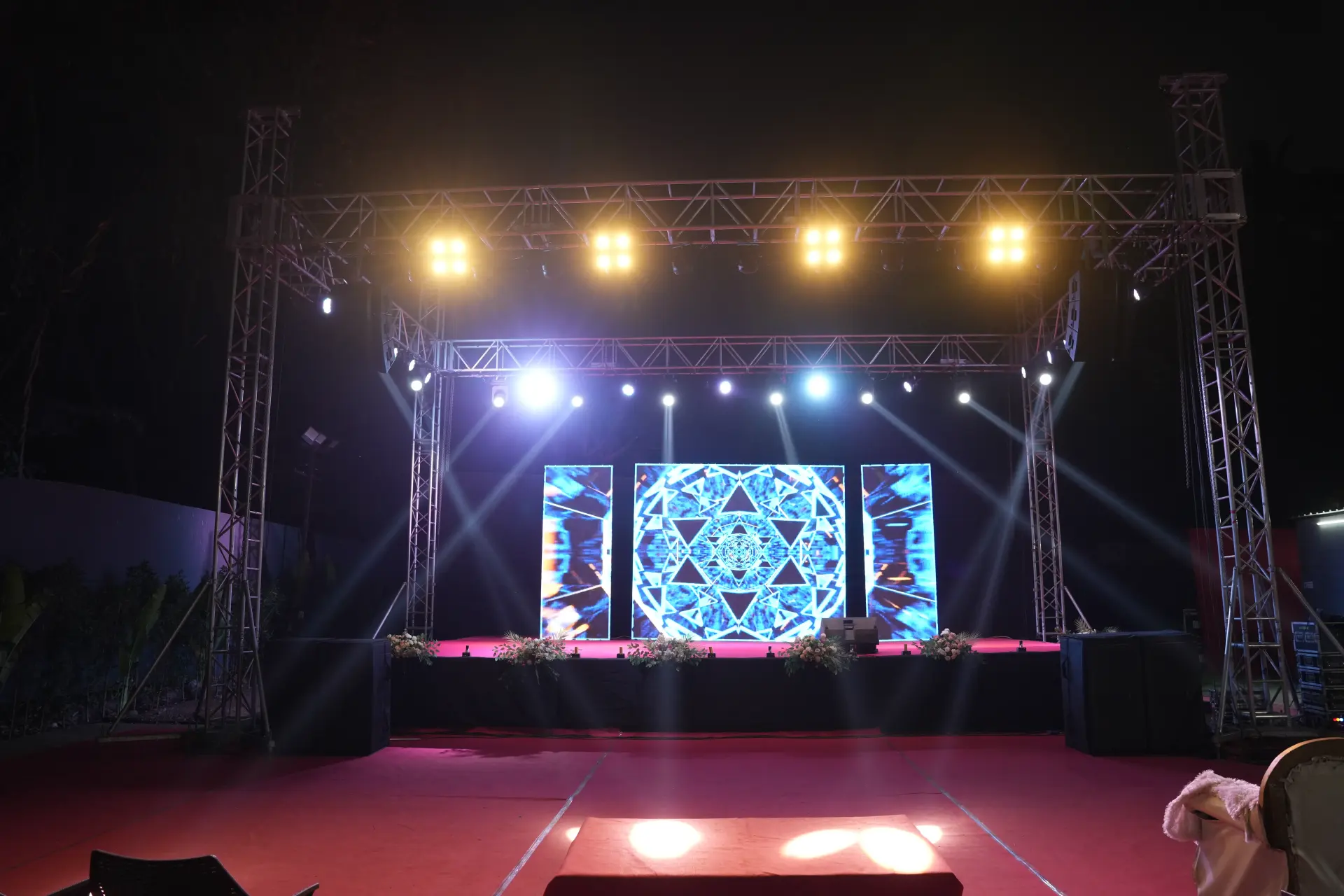
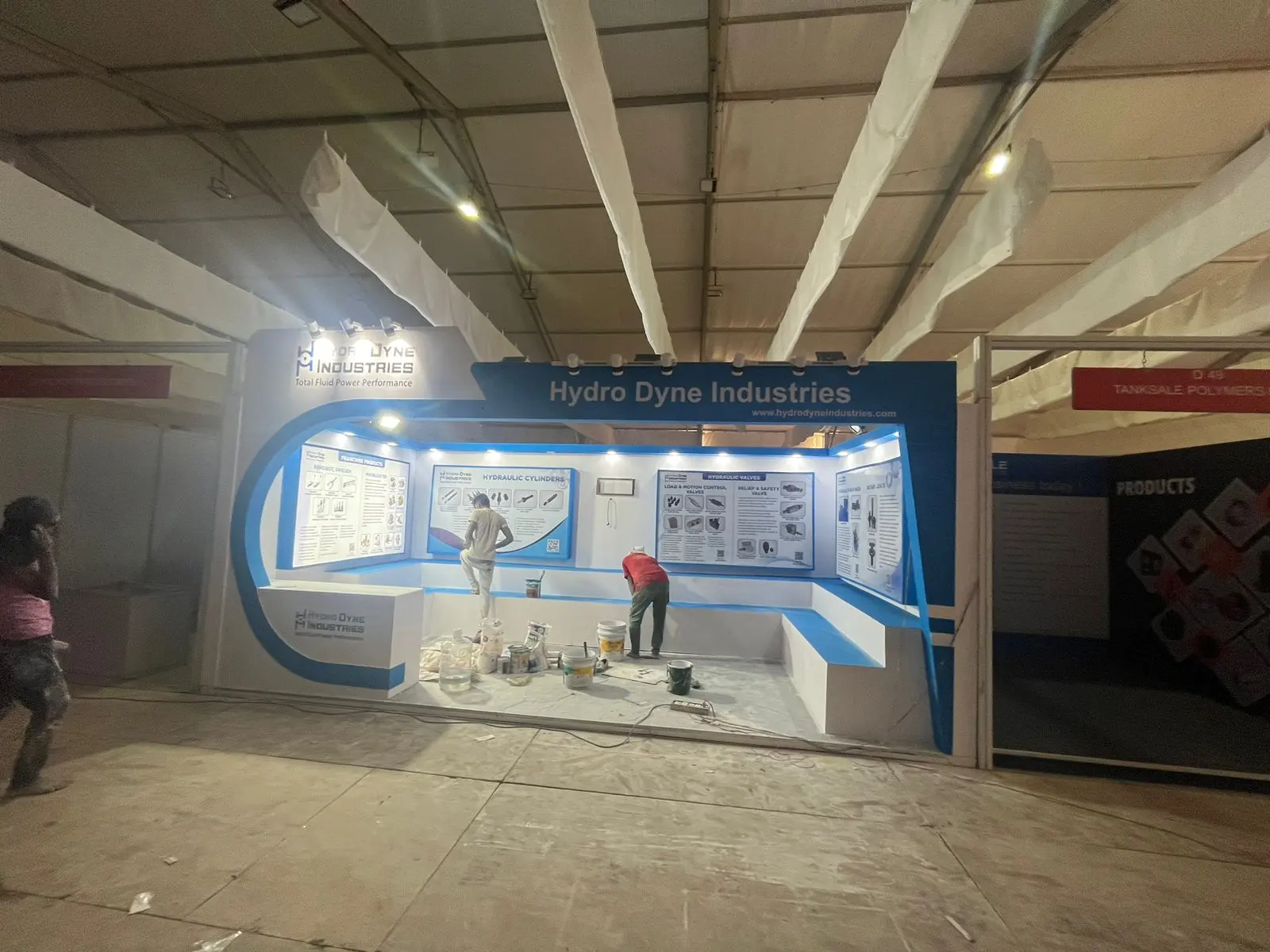
For an event in Pune this matters more than the machine does. The backdrop behind the stage, the welcome gate, the standees at the door, the table names, the vinyl on the glass door: almost all of it is digitally printed. The questions worth asking are about material, file and lead time.
How digital printing actually works
Every older method shares one step. Something physical is made that carries the image. Offset makes plates. Screen printing makes a stencil on a mesh for each colour. That step costs money and time before a single sheet comes out, which is why those methods only pay once the run is long.
The file goes straight to the press
A digital press skips it. Your artwork reaches the machine as a file and the machine puts colour on the material in one pass. Nothing is stored between jobs and nothing has to be remade when the artwork changes, so the second version of a backdrop is simply another print.
Ink or toner, depending on the job
Two families of machine do the work. Inkjet presses spray droplets and handle wide, flexible material such as vinyl, flex, fabric and canvas, which is where banners and stage backdrops come from. Toner presses fuse coloured powder onto paper and card: invitations, menus, badges, short booklet runs. Same principle, different limits on what you can feed it.
Colour is built from four inks
Both families build colour from cyan, magenta, yellow and black, while your screen builds it from red, green and blue light. That is why a design that glows on a laptop can print flat, and why deep navy and bright orange are the colours clients most often say look wrong. Send artwork in CMYK and see a printed proof before a large piece runs. The technique is the same whether it prints a visiting card or a backdrop the width of the hall.
Which printing method suits which job
Digital is not automatically the right choice. What decides it is how many pieces you need and whether they are all identical.
| The job | Method that suits it | Why |
|---|---|---|
| Stage backdrop, 20 ft wide | Digital on stretch fabric | One piece, no joint, no hotspot under light |
| Welcome gate, outdoor banner | Digital on laminated flex | Takes rain, sun and wind for a full season |
| Standees and booth panels | Digital on sunboard or foam board | Rigid, light, fits in a lift and a car boot |
| Graphics on glass and pillars | Digital on self-adhesive vinyl | Sticks to a smooth surface, peels off later |
| 50 invitation cards, 200 name badges | Digital on card | Every piece can carry a different name |
| 25 team t-shirts | Digital transfer or sublimation | No screen charge to spread over a small run |
| 500 team t-shirts | Screen printing | Cheaper per piece once the screens exist |
| 10,000 brochures | Offset | Plate cost spreads out, and colour holds across the run |
What digital printing services cover
The phrase covers a list of materials and widths, not a single machine. Ask what is digital printing services and you get a brochure. Ask which materials a printer runs, at what width, and how long each takes to finish and dry, and you get something you can compare.
Wide format, for anything on a wall or a stand
Flex, vinyl, fabric, sunboard, foam board, canvas. Width matters more than people expect. A backdrop wider than the press has to be printed in panels and joined, and a joint running down the middle of a couple’s names is the kind of thing nobody notices until the photographs come back. Ask the printable width before the designer starts. These notes on large format printing go through the standard sizes.
Short-run paper and card
Invitations, menus, seating cards, badges, certificates. This is where variable data earns its keep: every card a different name, printed in one run, with no extra setup.
Finishing, which is where the time goes
Printing a sheet takes minutes. Laminating it, mounting it on board, cutting it to shape, punching eyelets and letting the ink cure is the part that decides whether Saturday is possible.
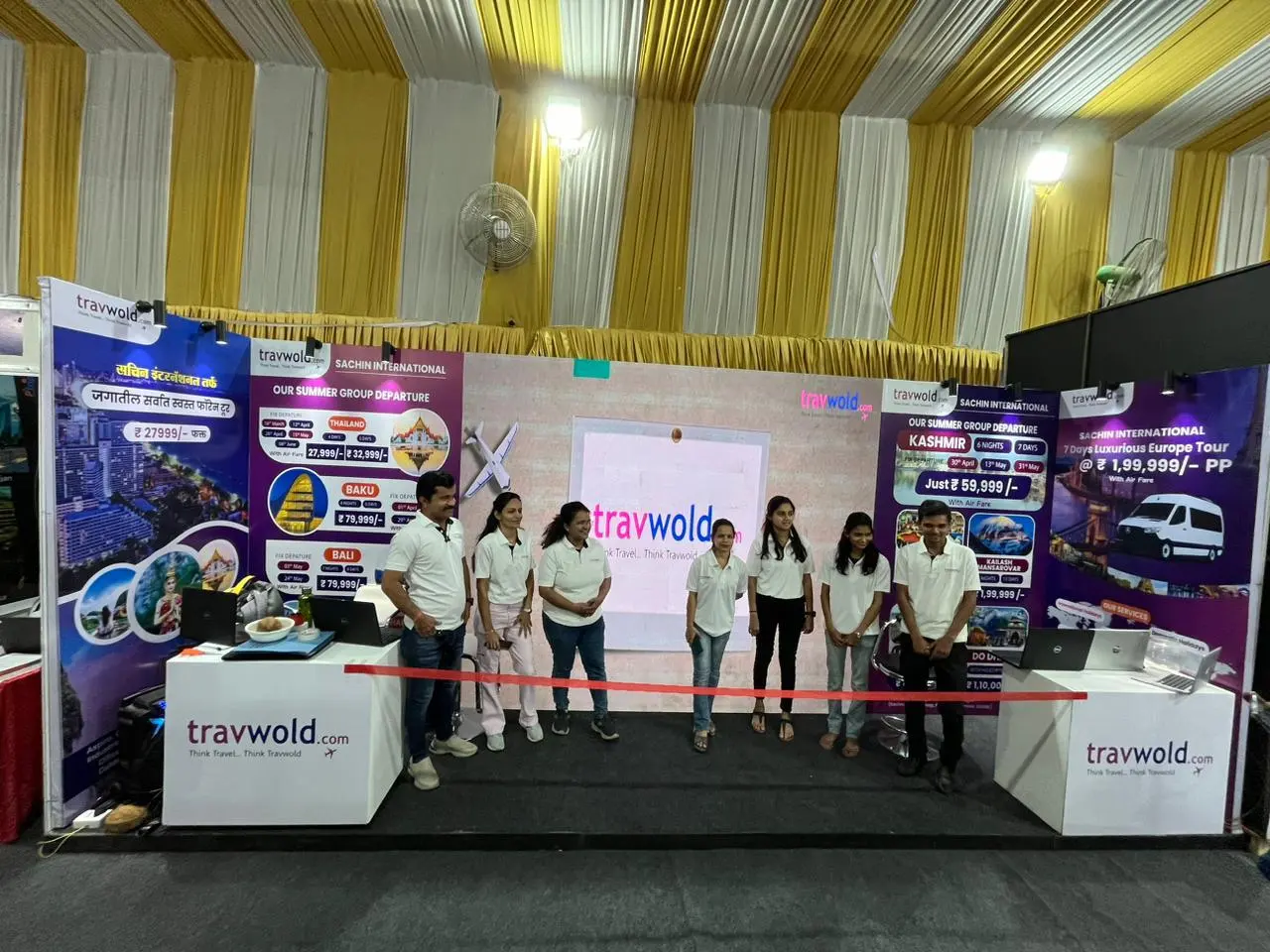
What is digital vinyl printing
Digital vinyl printing is digital printing onto a plastic sheet instead of paper, and it is the kind you will meet most often at an event. Vinyl comes in several forms and they are not interchangeable.
Flex, the outdoor workhorse
Thick, woven-backed and matt, made to be stretched on a frame and left outside. Flex is what hoardings, welcome gates and site banners are printed on. Laminated flex holds its colour through a Pune monsoon; unlaminated flex facing west looks tired by the end of the season. On a public road or a compound wall, check the civic rules first: the Pune Municipal Corporation requires permission for outdoor advertising displays, and a banner put up without it comes down at your cost.
Self-adhesive vinyl, the kind that sticks to things
Thinner, with glue on the back and a paper liner. It goes on glass doors, pillars, floors and the back of a sunboard panel. Both things that go wrong are about the surface: glue will not take on a dusty or freshly painted wall, and it lifts paint off an older society wall when you remove it. Agree the removal before you agree the design.
One-way vision and frosted film
Perforated vinyl that reads as a printed image from outside and as a window from inside, used on showroom and office glass. Frosted film gives the etched-glass look and is cut rather than printed. The vinyl printing page sets out which film suits which surface.
What is digital printing on fabric
Digital printing on fabric means the ink goes into the cloth rather than sitting on top of it, so the piece still feels like cloth, folds without cracking and does not shine under a light. For indoor stage work it has quietly replaced flex.
How the ink gets into the cloth
The common method is dye sublimation. The design is printed onto a transfer paper, then heat and pressure turn that ink into a gas which bonds with polyester fibre. Nothing sits on the surface, which is why a sublimated backdrop has no sheen and why the colour does not crack along a fold. Cotton needs a different process and is usually printed directly with pigment ink.
Why stage backdrops moved to fabric
Three reasons, all practical. Fabric takes LED wash and spotlight without a hotspot, so faces and photographs come out even. It folds into a bag instead of rolling into a long tube, which matters when the lift in an older building off Sinhagad Road will not take the roll. And a stretch-fabric panel pulls onto its frame in minutes, with no creases to steam out on site. Outdoors is the exception: fabric sags when wet and tears at the eyelets in wind, so keep flex for the gate and the road-facing banner.
Where printing goes wrong on a Pune event
Almost every printing problem on an event is a file problem or a measurement problem, and both are avoidable in an afternoon.
Artwork at screen resolution
A logo pulled off a website is a few hundred pixels wide. Printed on a gate it looks like a photograph of a logo. Ask whoever owns the brand for the vector file, the one ending in .ai, .eps, .cdr or .svg, before the designer starts.
Sizes and spellings
A backdrop is ordered to the frame size plus the wrap that goes round the back; order it to the visible size and it will not reach the clamps. And spellings on a wedding or award print are the one thing a printer cannot verify, so have the family, or the office, approve the exact text in writing.
The venue decides the build
Karyalayas in Kothrud hand the hall over a few hours before the muhurat, so everything printed has to arrive finished. Banquet halls on the Baner road charge an outside-vendor fee and usually forbid anything screwed into a wall, which pushes you towards free-standing frames. Society clubhouses in Wakad give a slot that includes setting up and striking, and the committee will want to see what goes on the walls. Across PCMC, lift sizes in older buildings decide whether a panel fits at all.
Monsoon
Through the rains, laminate anything that will sit outdoors, keep printed card off the floor of the van, and build in a drying buffer. Ink cures more slowly in damp air, and a banner rolled before it is dry comes out marked.
What to send a printer, and when
Give a printer these five things and most of the ways a job goes wrong are closed off before a machine is switched on.
- Print-ready PDF artwork, fonts outlined, at the final size, in CMYK, with bleed on every edge.
- A dimensioned sketch of each piece, with the frame size and the wrap marked separately.
- A file name that says which piece it prints, so nothing is guessed at the press.
- An approved proof: on paper for card work, as a printed strip for anything large.
- The install date, not the event date. The two are rarely the same day.
If you are pricing a job rather than reading up on one, the digital printing services in Pune page lists materials, widths and lead times, the event branding page shows how printed pieces fit together across a venue, and you can send your sizes and artwork for an itemised quote. Plan With YOLO has been printing for Pune events since 2013.
Frequently asked questions
What is digital printing in simple words?
Digital printing sends your artwork from a computer straight to the press, so no plate, screen or block has to be made first. The machine lays ink or toner directly on vinyl, fabric, card or board. That makes small runs affordable, lets every copy carry different text, and means a corrected file can be reprinted the same day.
What is digital vinyl printing used for?
Digital vinyl printing puts the artwork on a plastic sheet rather than paper. Flex is the thick outdoor grade used for hoardings, welcome gates and site banners, and should be laminated if it faces sun or rain. Self-adhesive vinyl has glue on the back and goes on glass, pillars and floors. One-way vision film reads as a picture outside and a window inside.
Is digital printing better than offset printing?
Neither is better; they suit different run lengths. Digital has no setup to pay for, so it wins on short runs and on anything where each piece differs, like name badges. Offset makes plates first, which costs time and money up front but then prints long runs cheaply and holds colour steadily across thousands of identical sheets.
Can you digitally print on fabric for a stage backdrop?
Yes, and for an indoor stage it is usually the better choice. Dye sublimation drives the ink into polyester fibre, so there is no sheen, no hotspot under a spotlight and no cracking along a fold. A fabric panel folds into a bag instead of a long roll, which matters when a lift or a staircase has to take it.
How long does digital printing take for an event?
Printing itself takes hours; finishing decides the date. Laminating, mounting on board, cutting to shape, punching eyelets and letting the ink cure all add time, and large pieces need a proof approved before they run. Ask for the lead time against your install date rather than the event date, and add a buffer through the monsoon, when ink cures slowly.
What file should I send the printer?
Send a print-ready PDF at the final size, in CMYK, with fonts outlined and bleed on every edge, plus a dimensioned sketch showing the frame size and the wrap. A logo copied off a website is too low in resolution for a gate or a backdrop, so ask the brand owner for the vector file before the designer starts.

Vicky founded Plan With YOLO in Pune in 2013 and leads the planning on corporate events, weddings and stage production across Maharashtra.