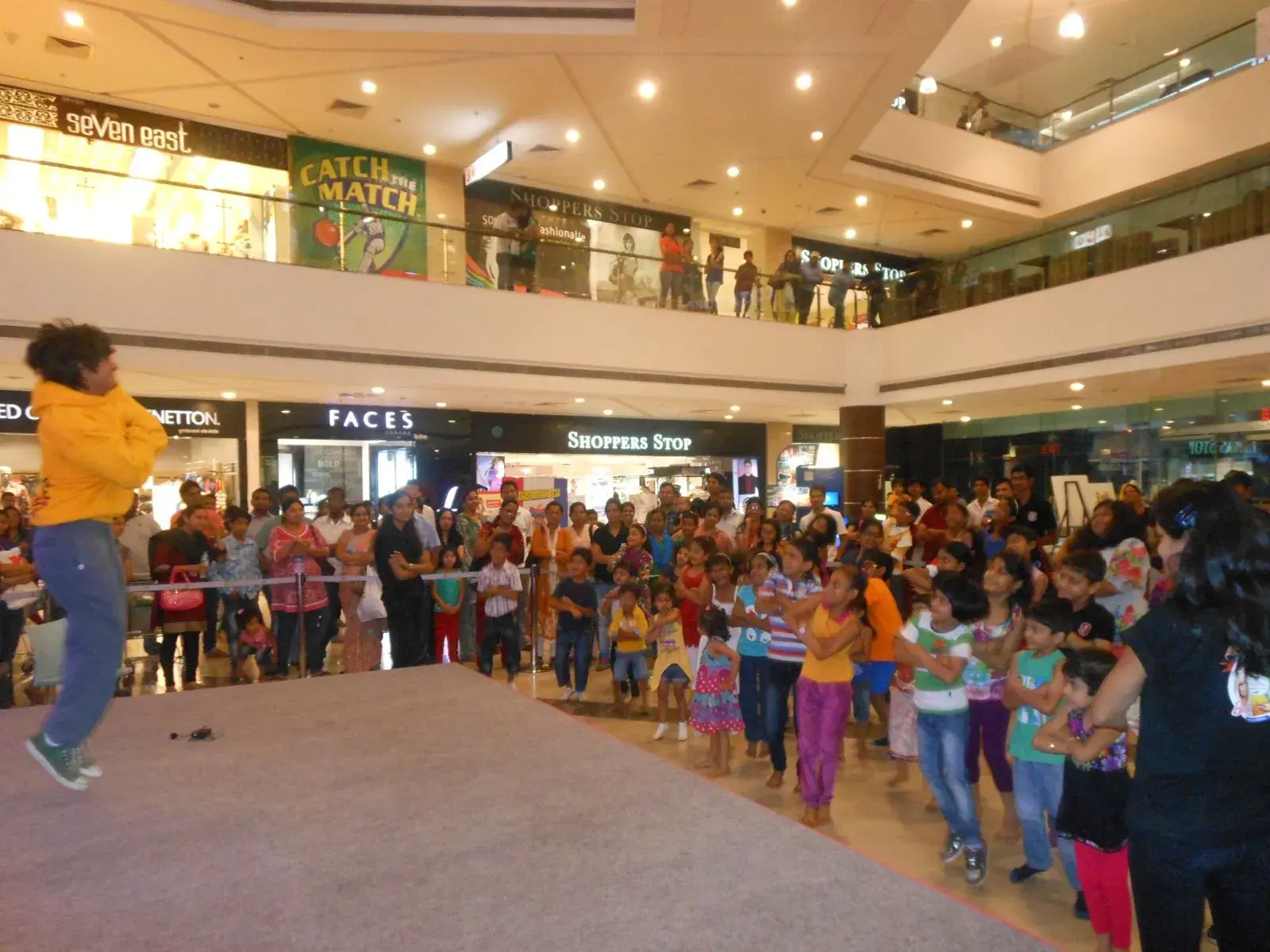
A roadshow event is one event taken to several places instead of one: the same programme, message and team repeated at each stop, for a new audience every time. It can be a branded vehicle halting at markets, a dealer tour town by town, or a management team meeting investors city by city.
What is a roadshow event? It is one event taken to several places instead of built once in a single hall. The same programme runs again at every stop, for a new audience each time, with the same message and mostly the same kit. The audience stays where it is. The show travels.
Planning this in Pune? See our roadshow organisers: one team plans and runs it with you, since 2013.
That single difference drives the whole plan. A hall event goes up once and comes down once. A roadshow goes up and comes down as many times as there are stops, usually on back-to-back days.
Below is the plain definition, what the word means inside a business, examples worth copying, and the ground-level details that decide whether a route around Pune keeps to its timings.
What is a roadshow, and what makes it one?
A roadshow is a travelling event: a planned run of stops where one programme is repeated for a fresh audience at each halt. It might be a wrapped vehicle pulling up outside markets, a team carrying a working demo into meeting rooms town by town, or a small stage bolted together and taken apart again every evening.
Three things have to be true before a set of dates counts as a roadshow rather than a busy diary. There is one brief, so the message has not drifted by the third halt. There is one kit list, so nothing is left behind in the last town. And there is one route written as arrival times rather than as a map, because a roadshow is measured against its own schedule and nothing else.
Why the word covers two different things
Ask two people to define it and you get two answers, both right. To a marketing team it is a mobile campaign that goes out looking for strangers. To a sales team it is a run of meetings taken to an audience that would never have come to them. Same shape, different room.
How it differs from a one-day event
At a wedding or an annual day, everything points at a single date. On a roadshow the first halt is a rehearsal you are already being judged on, so the brief must be closed before anybody leaves. Repetition is the hidden expense. Fabric creases, a backdrop frame works loose, an anchor loses her voice by the fourth morning. Carry spares of whatever gets handled daily.
What is a roadshow in business?
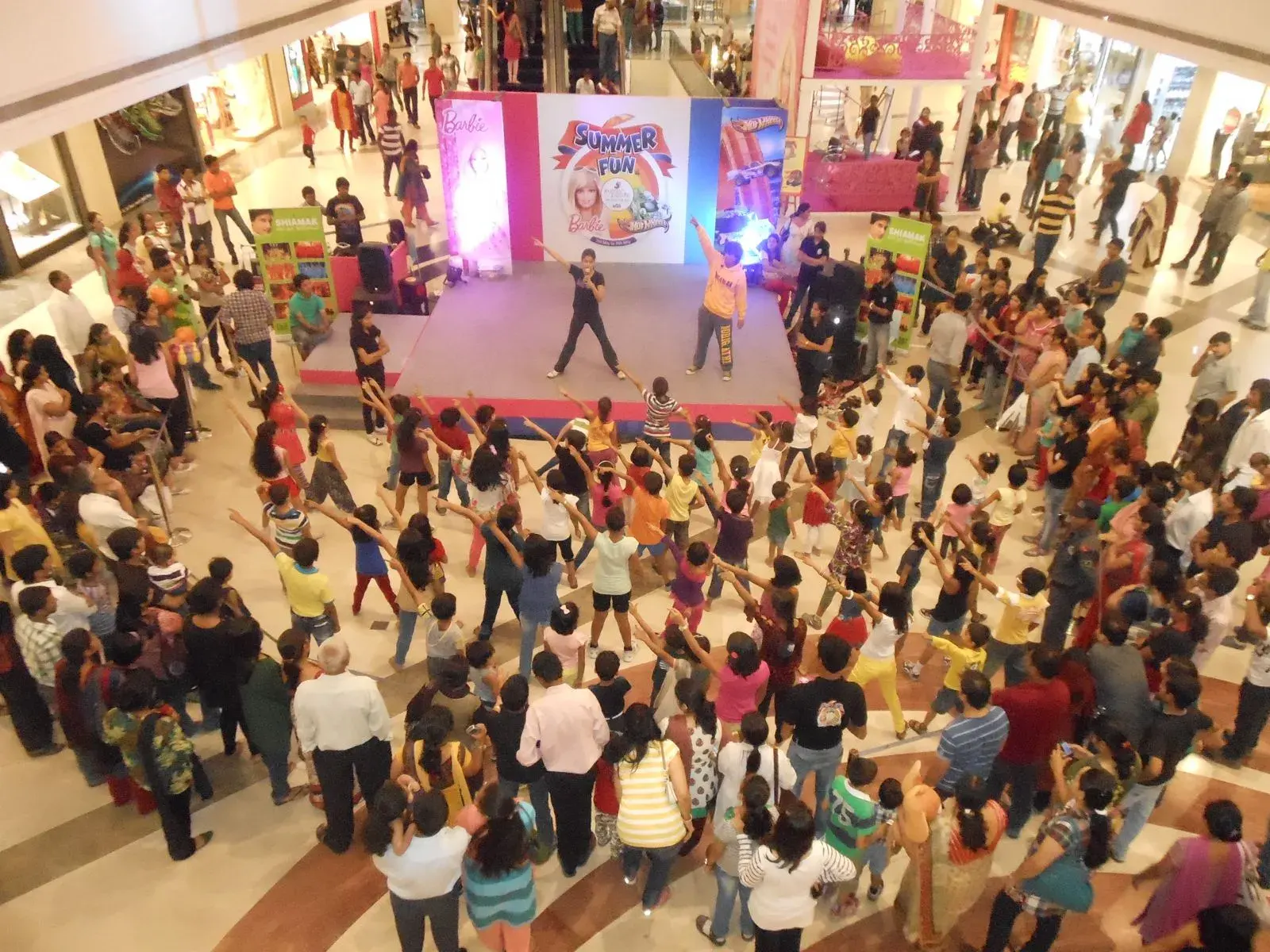
In business, a roadshow is a trip taken to put a case in front of a particular audience: investors, distributors, buyers, students or your own staff. The company travels because the audience will not, and because the case lands better in a room than over a call.
The investor roadshow
Before raising money or listing shares, a management team sits with fund managers and analysts city by city across a week or two, carrying the same deck. The travelling is the point. Anybody writing a large cheque wants to watch the people answer, not read the slides.
The dealer and channel roadshow
A company with a new range can bring every distributor to one city, or take the range to them. Where the network is spread across small towns, the second is usually cheaper and better attended, because nobody shuts a shop for two days. It also puts your people inside the shop, where the blunt feedback lives. A single gathering has its place too, and planning a dealer meet is a different job from planning a tour.
The internal and campus roadshow
Leadership carrying a new plan to each office and plant, or a hiring team working through colleges over a fortnight, is the same format with the selling pointed inward. These are the easiest roadshows to under-plan, because an internal audience is assumed to be a friendly one. It is not. It has heard the last plan.
Which kind of roadshow suits what
Choose the format from where your audience is standing when they make up their mind, not from what photographs well. The last column is the one to read first.
| Kind of roadshow | Who it is taken to | Usual shape | What it stands or falls on |
|---|---|---|---|
| Branded vehicle tour | Passers-by at markets and residential pockets | A wrapped van, 4 to 7 halts a day | Standing room, and the hour of each halt |
| LED van tour | People who need to see the thing working | A film played at each halt, short acts between | Power, and screen glare in afternoon sun |
| Demo and trial tour | Buyers of appliances, devices and services | Product travels and is handed over at every stop | Stock, and staff who can answer a second question |
| Dealer tour | Distributors and retailers, town by town | A hired meeting room, a demo, an order form | Whether the person who signs actually attends |
| Investor roadshow | Fund managers and analysts | Back-to-back meetings over a week or two | The question nobody rehearsed |
| Society circuit | Families, at the hour they are home | Evening stalls at clubhouses and podium parking | Written committee approval, and sound limits |
| Campus tour | Students, before hiring or admission season | A hall slot between lectures, same talk repeated | The college calendar, not yours |
| Town and rural tour | Buyers in the smaller towns of the district | Anchor, local-language script, longer halts | Market day, and language that is actually spoken |
Roadshow marketing examples
Definitions blur. Examples stick. These are the roadshow marketing examples that come up most often around Pune and the districts beyond it, each with the part that makes it work.
A new range taken to dealers across the district
A manufacturer books a modest meeting room in each town, sets the range out on trestles, runs a demonstration, and keeps the last hour for one-to-one time. Three or four towns in a week. The order form on the table is the reason for the trip; a tour that collects praise and no orders was a holiday.
A branded vehicle through residential pockets
A van halts near society gates and market squares at the hours families are back from work, with a short act, sampling and something worth leaving a phone number for. A market square in Hadapsar on Friday evening, a society gate in Wakad on Saturday, Kondhwa on Sunday morning. Route first, artwork second.
A property project taken to feeder towns
Developers run roadshows in the towns their buyers commute from, with plans, a scale model and somebody who can talk about loans. Every piece of print and every banner has to carry the project’s registration details, under the rules administered by MahaRERA. Build that line into the artwork before it goes to press, not after.
A service camp on tour
Free check-ups, water testing, appliance servicing or a help desk, moved from one locality to the next week by week. People come for the service and stay for the conversation, which makes this the warmest audience of the lot.
What decides whether a roadshow keeps to its timings
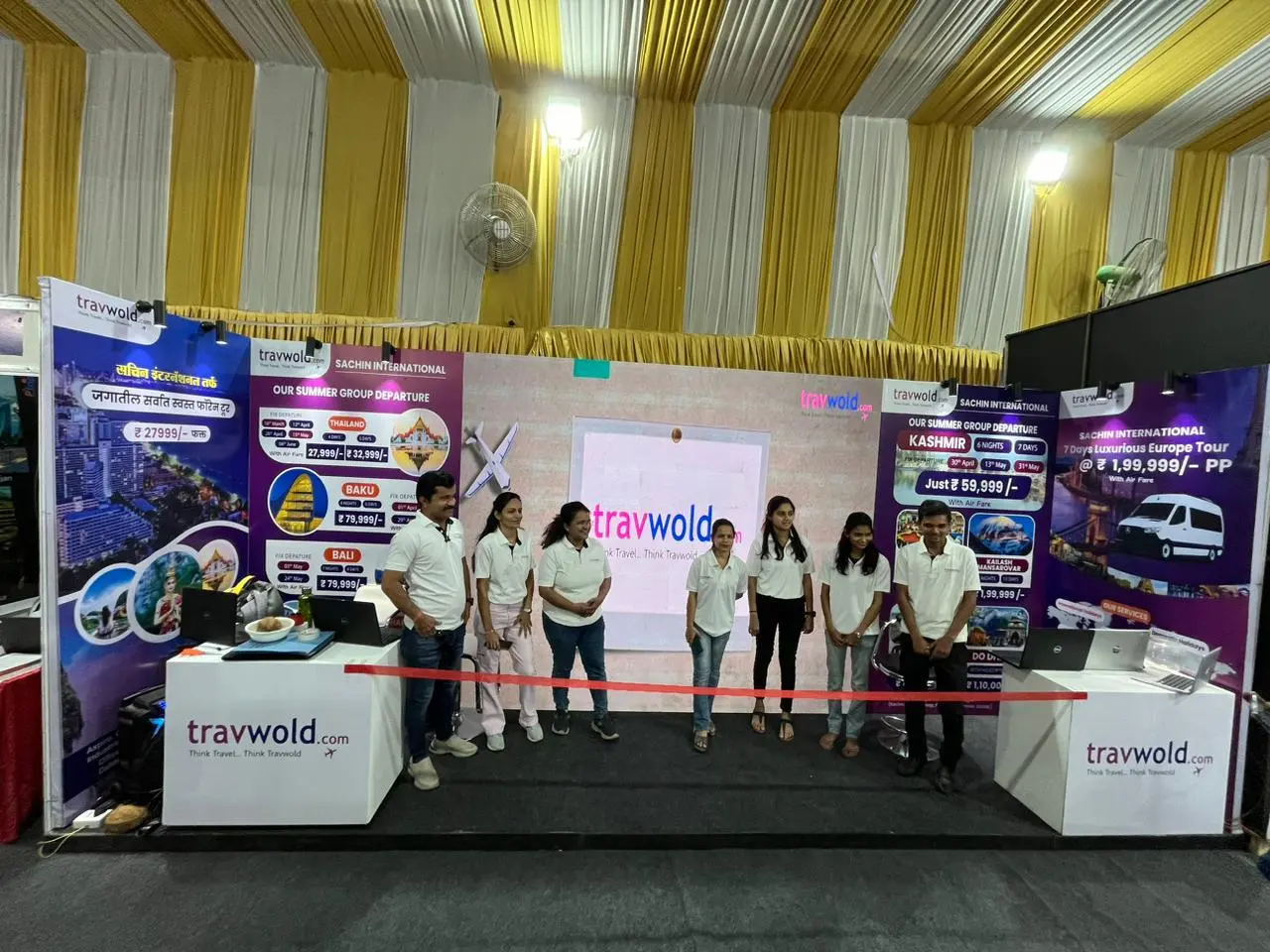
Roadshows rarely fail on the idea. They fail on the hour, in ways that were all foreseeable. Running events here since 2013 has made the same short list of causes familiar.
Permission comes before artwork
A stall or a vehicle that takes up public ground needs clearance from the civic body, and the file does not move faster because your print is ready. Inside city limits that is the municipal corporation; over in Pimpri-Chinchwad it is PCMC, with its own forms and its own queue. Start the application while the creative is still being argued about.
Standing room is the halt
A halt is only as good as the space to park the vehicle and swing it out again. Walk every stop at the hour you mean to be there. A square that is empty at noon is impassable by evening, and a halt chosen beside a school gate at closing time will have a traffic constable moving you on before the first act ends.
The monsoon decides the shape, not the date
Between June and September, an uncovered halt is settled by the sky an hour beforehand rather than by the date in your plan. Roofed formats hold: a society clubhouse hall, a karyalaya, a mall atrium, a hired meeting room. A lawn or a market square does not, so either carry a canopy two people can raise quickly, or move the whole route indoors for the season.
Lifts, stairs and older buildings
Where a halt sits inside a building, measure the lift car and the stair landing turn before any panel is made. In the older buildings around Camp, Deccan and parts of Kothrud, the backdrop that suits your drawing will not go in. Build it in sections two people can carry up, and those same sections will travel better between towns anyway.
The same faces, every day
Promoters and anchors swapped out mid-route take the briefing away with them. Keep one supervisor travelling the whole way, and have that person check the kit against the list each morning before the vehicle moves. Loudspeaker use has a cut-off in residential areas, so write the programme to finish inside it instead of arguing with a neighbour at the gate.
What to count, halt by halt
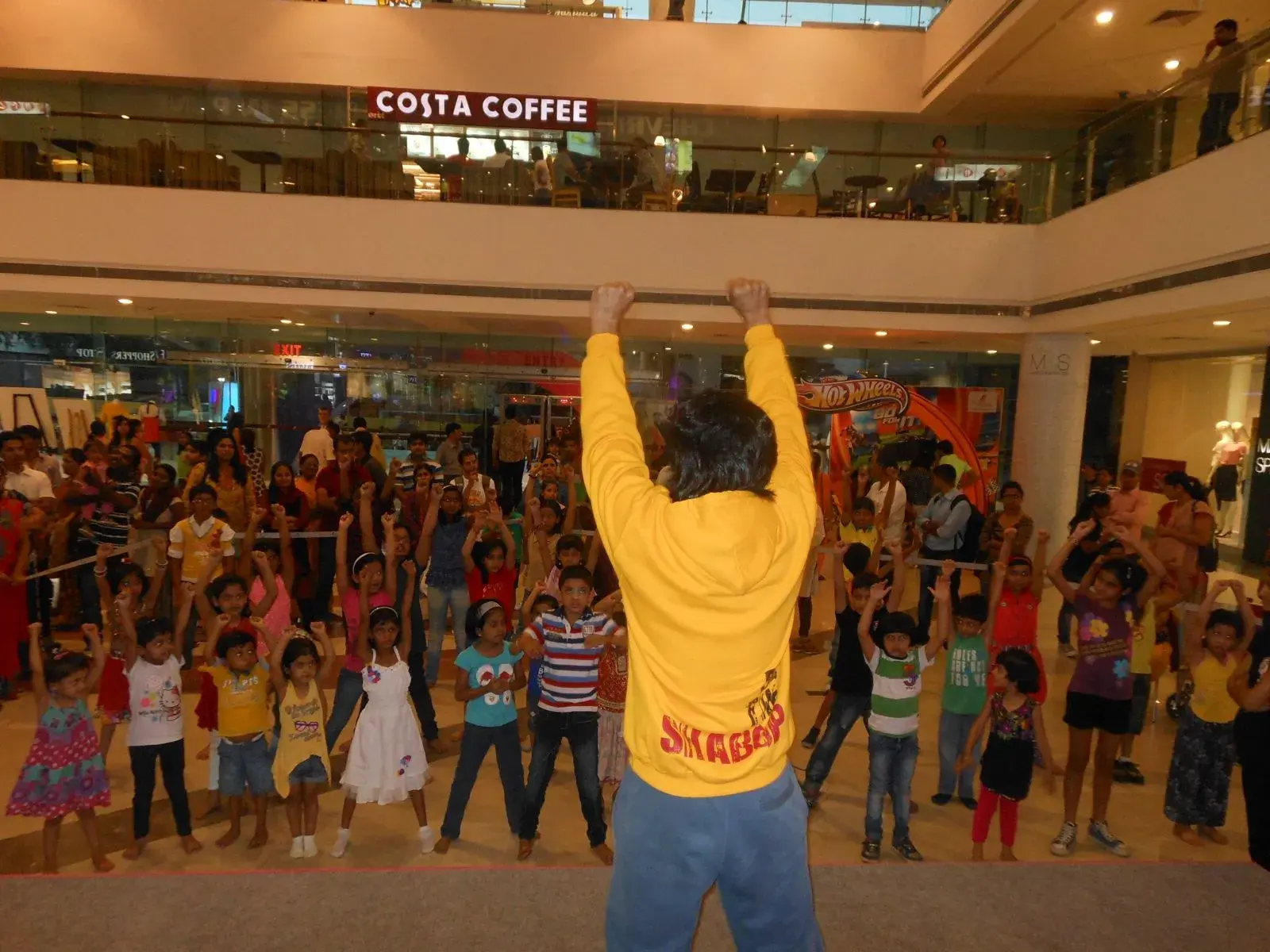
Decide before the first morning what the tour is counting. Samples given, forms filled, demos run, orders taken, halts completed against the planned time: pick the two or three that matter to you and have them written down and photographed every evening. A crew that knows the numbers go into a sheet behaves differently from one that does not.
The part most campaigns throw away is what the staff heard. The same objection comes back at every stop, and by the third town your promoters know the product’s weak spot better than the marketing deck does. Ask them at the end of each day, not at the end of the tour.
If you are weighing a tour against a single gathering, our page on roadshow routes, vehicles and permissions sets out how a route is built and reported, activation work in smaller towns covers the district end of it, and ground activation and promotional work explains the formats that stay in one place. Tell us the towns, the window you have and what a stranger should do at each halt, and you will get a route, a halt list and a scope back.
Frequently asked questions
What is a roadshow event in simple words?
A roadshow event is the same event run in several places one after another. The audience does not travel; the show does. A wrapped van stopping at markets on a planned route, a company taking a new range to dealers town by town, and a management team meeting investors city by city are all roadshows.
What is a roadshow in business?
In business a roadshow is a trip taken to put a case in front of a particular audience: investors before a fundraise or a listing, distributors before a new range goes on sale, students before hiring season, or staff when a plan changes. The company travels because the audience will not, and because the pitch lands better in the room.
How long does it take to plan a roadshow?
Allow about a month for a multi-stop route, and longer if any halt sits on a public road. The slow parts are civic permission, society committee approval and the recce, which has to happen at the hour you intend to be there. Vehicle wrapping and print are quick once the route is signed off, so settle the halts first.
Do you need permission for a roadshow in Pune?
Yes, for almost any halt. A vehicle or stall standing on a road, pavement or open plot needs civic clearance, and the authority differs either side of the city boundary: the municipal corporation inside Pune, PCMC in Pimpri-Chinchwad. A clubhouse or podium halt needs the society committee's written approval, with the hours and whether sound is allowed at all.
What is the difference between a roadshow and a single event?
A single event is built once for one date and one audience. A roadshow is built and struck at every stop, so the brief has to be settled before the first halt and the kit has to survive daily handling. Judging also differs: an event is judged on the night, a roadshow against its schedule and a count kept stop by stop.
What makes one roadshow more expensive than another?
The number of halts and days, the kind of vehicle, how many promoters travel, and whether anything is handed out at each stop. Permissions, parking charges and a generator add up on long routes. Material that has to be rebuilt mid-tour is the quiet one, so ask for an itemised quote that names spares and daily reporting.
Vicky founded Plan With YOLO in Pune in 2013 and leads the planning on corporate events, weddings and stage production across Maharashtra.