A corporate events planner needs nine things before quoting: the decision the event must produce, the date and its flexibility, headcount and mix, start and end times, venue status, what is already fixed, a budget band, the approval chain, and your brand files. Name an internal owner for each.
You can tell within a day whether an enquiry will turn into a useful proposal. The ones that do arrive as a pack: a page of answers and a few attachments, sent to everyone on the shortlist at the same time. The ones that do not arrive as a meeting request and a sentence about wanting something nice for two hundred people. This is about assembling that pack, and about the part nobody mentions, which is that most of it lives with people who do not work in your team.
Planning this in Pune? See our corporate event cost in Pune: one team plans and runs it with you, since 2013.
Why the pack beats the meeting
A meeting produces enthusiasm. A pack produces a price. The difference is that everything a planner must cost is a number or a constraint, and those do not survive being spoken aloud and half-remembered.
There is a second reason, and it matters more than the first. When each planner receives the identical document, differences between the proposals are differences in thinking. When each one receives a slightly different conversation, the differences are just noise, and you end up choosing on tone.
The nine items, and who holds each one
Almost none of this needs new work. It needs collecting, usually from four or five people who each hold one piece.
| Item | What a complete answer looks like | Who usually holds it |
|---|---|---|
| The decision the event must produce | “Dealers leave having signed up to the new scheme,” not “a memorable evening” | The business sponsor |
| Date, and whether it can move | A date, plus the two alternatives you would accept | The sponsor’s office |
| Headcount and mix | A range, broken into staff, families, dealers, press or clients | HR or sales operations |
| Start and end times | Guest arrival, programme start, dinner, close, and the hard stop | The sponsor |
| Venue status | Booked, shortlisted or open, with the contract if there is one | Admin or facilities |
| What is already fixed | Decisions taken and not up for discussion: theme, awards, a booked artist | Whoever took them |
| Budget band, and what it must cover | A range, and whether food, travel and tax sit inside it | Finance |
| Approval chain | Who signs, who deputises, and the dates they are travelling | The sponsor |
| Brand and content files | Logo files, fonts, colours, and a draft agenda however rough | Marketing or the brand team |
Numbers: the mix matters as much as the total
Give a range rather than a single figure, because everything from seating to food to crew is sized from it and a false precision helps nobody. Two hundred and twenty to two hundred and fifty is an honest answer. Two hundred and thirty-seven is a guess wearing a costume.
Then break the range down, because the mix changes the event more than the total does. Two hundred employees and two hundred dealers need different seating, different food service, different security at the door and a different tone from the stage. Families change it again: children need space, earlier timings and something to do, and the programme has to be shorter than anyone thinks.
Hours, which is where most of the price gap hides
State four times, not one: when guests arrive, when the programme starts, when food is served, and when the venue must be empty. Crew cost is hours, and hours are the single biggest reason two quotes for the same event differ.
Add the load-in window if the venue has told you one. A hall that only opens at noon for an evening event forces a faster build with more people on it, and a planner who learns that after quoting will come back to you for more money, which is a worse conversation than having it now.
The venue answer, in whichever of three states you are in
Say plainly which of these three describes you, because each one calls for a different kind of proposal.
- Booked. Send the contract, the floor plan and the name of your contact there. The planner needs the ceiling height, the power position and the house rules before they can draw anything.
- Shortlisted. Name the two or three and say what you like about each. You will get a recommendation with reasons, which is often more useful than the costing.
- Open. Say the area you want to stay inside and the constraints that matter: parking, a lawn, a stage of a certain size, distance from your office in Hinjewadi or wherever your people are travelling from.
Pretending to be further along than you are wastes a fortnight. An honest “open” gets you a venue shortlist for free; a vague “we are just confirming” gets you a proposal that has to be rewritten.
Money: giving a band without giving up ground
Finance rarely hands over a clean number early, so build the band yourself from two facts: what a comparable event cost your company last time, and what has changed since. More guests, a bigger stage, an outside speaker or a different city each move it, and you can describe that movement without knowing the exact figure.
If even that is impossible, give a ceiling instead of a range. “Whatever we do, it cannot exceed this” is a real constraint and lets a planner design to it. The version that helps nobody is silence, because the three proposals then describe three different evenings and there is nothing to compare.
Say what the band must cover, too. A number that includes food, travel, hotel rooms and tax is a very different number from one that covers staging alone. Our corporate event budget page walks through what sits inside each of those lines.
Approvals: the item that has no cost and the most consequences
Name the person who signs, the person who signs when they are away, and the dates either of them is travelling. Then say how long approvals normally take in your company, honestly.
This is the least glamorous line in the pack and the one that most often decides whether the event is calm or frantic. Venues release held dates. Printers need files by a certain day. A stage cannot be cut twice. A planner who knows your approval rhythm will build the timeline around it and chase you before it becomes urgent, rather than after.
What to attach
Five attachments do more work than five paragraphs.
- Logo files in a usable format, with the brand colours and fonts.
- A draft agenda, even if half of it says “to be confirmed”.
- The venue contract or floor plan, if you have one.
- A few photographs of a past event of yours, which shows a planner your actual standard rather than an aspirational one.
- A short note on what you would change about last year, which is the single most useful paragraph you can write.
What should come back, and by when
Having sent a complete pack, you are entitled to expect a complete response within about a week, and to say so.
- Your objective and constraints written back in their own words.
- A draft flow of the day with timings, however provisional.
- An itemised cost sheet, with every element on its own line.
- The named person who will be at the venue, and the crew count.
- Approval dates counted backwards from the event.
- Written assumptions, exclusions and payment terms.
Expect questions too. A planner who reads the pack carefully will find the three things you left out, and the specificity of those questions is a fair early test of the team.
Send yours to Plan With YOLO
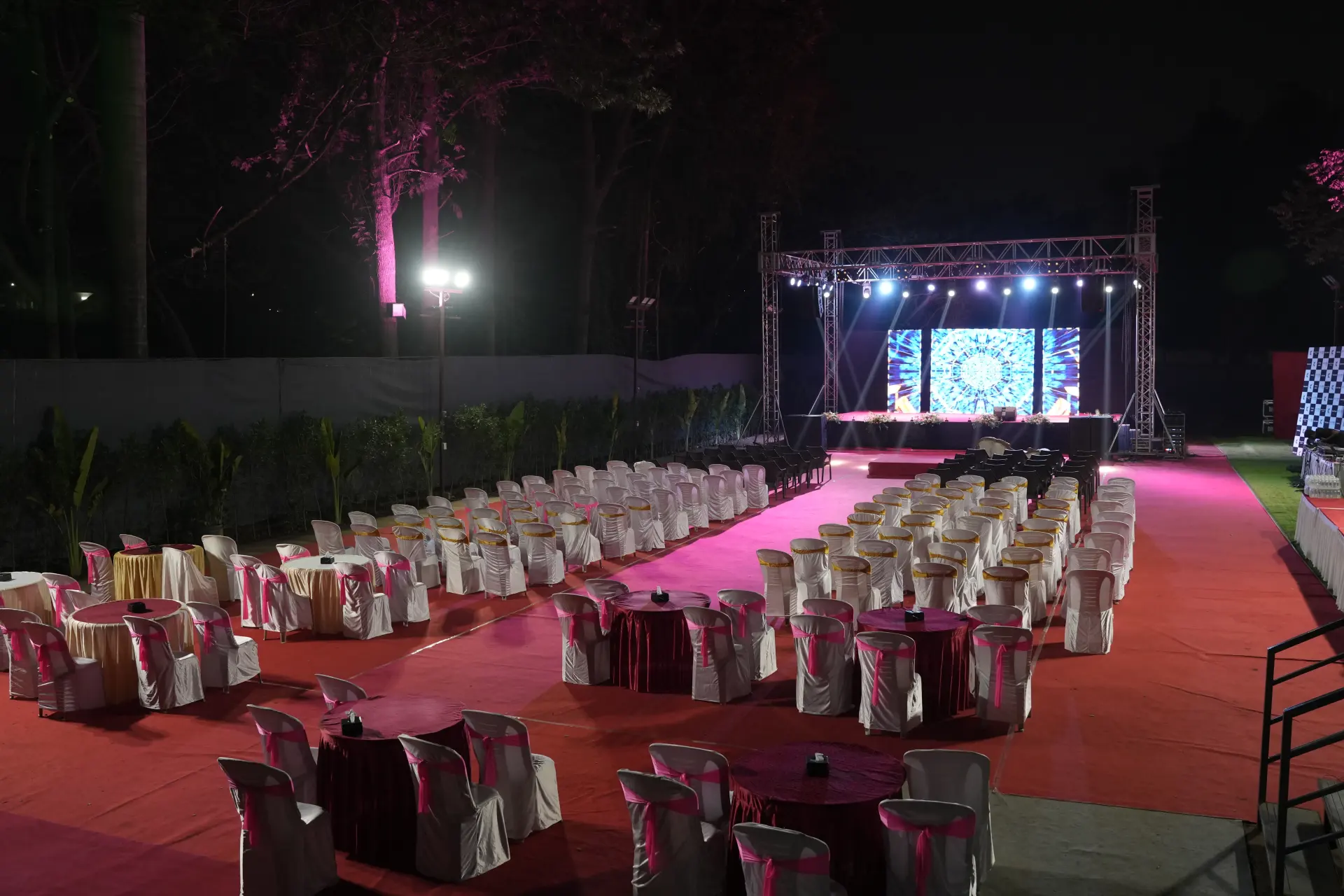
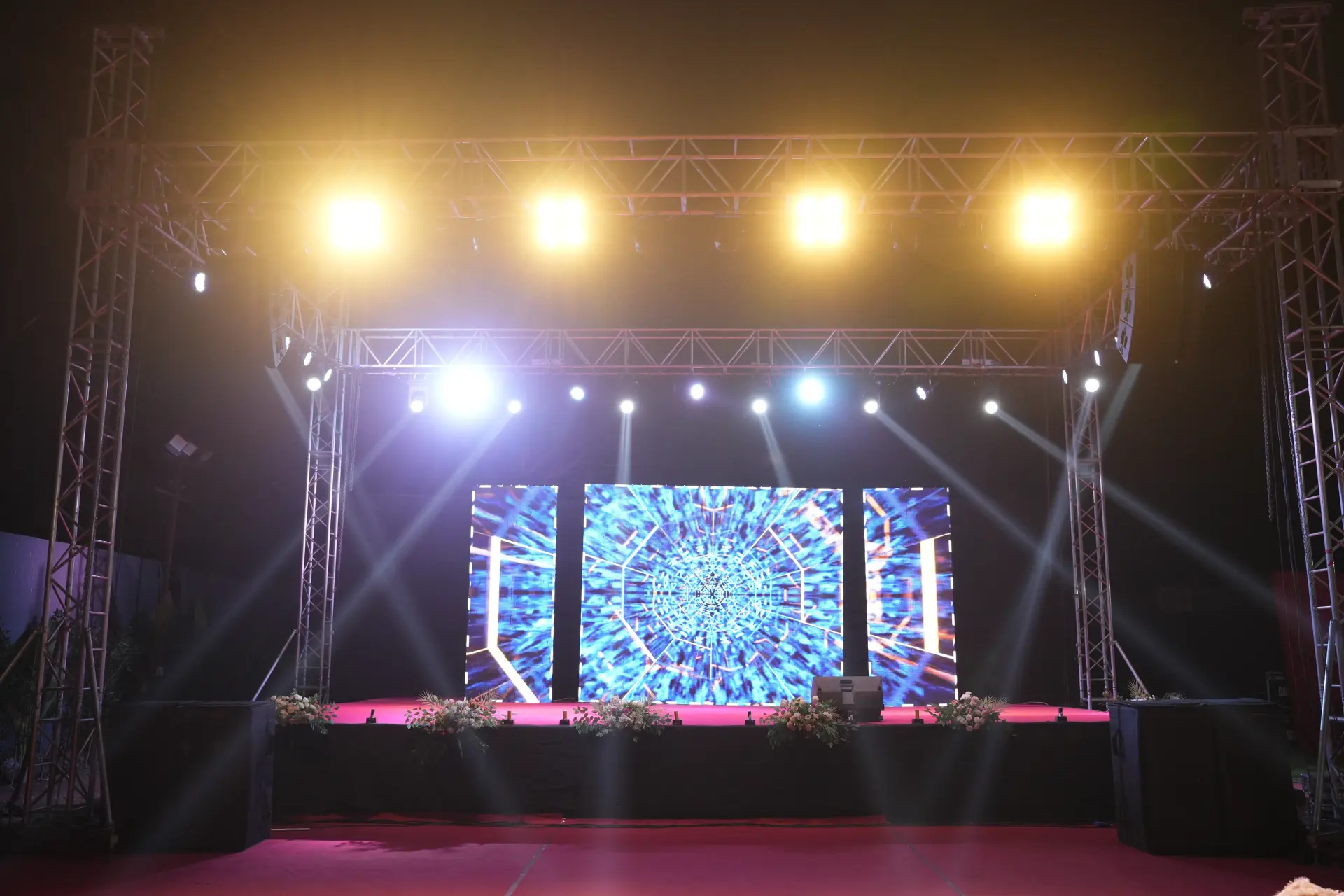
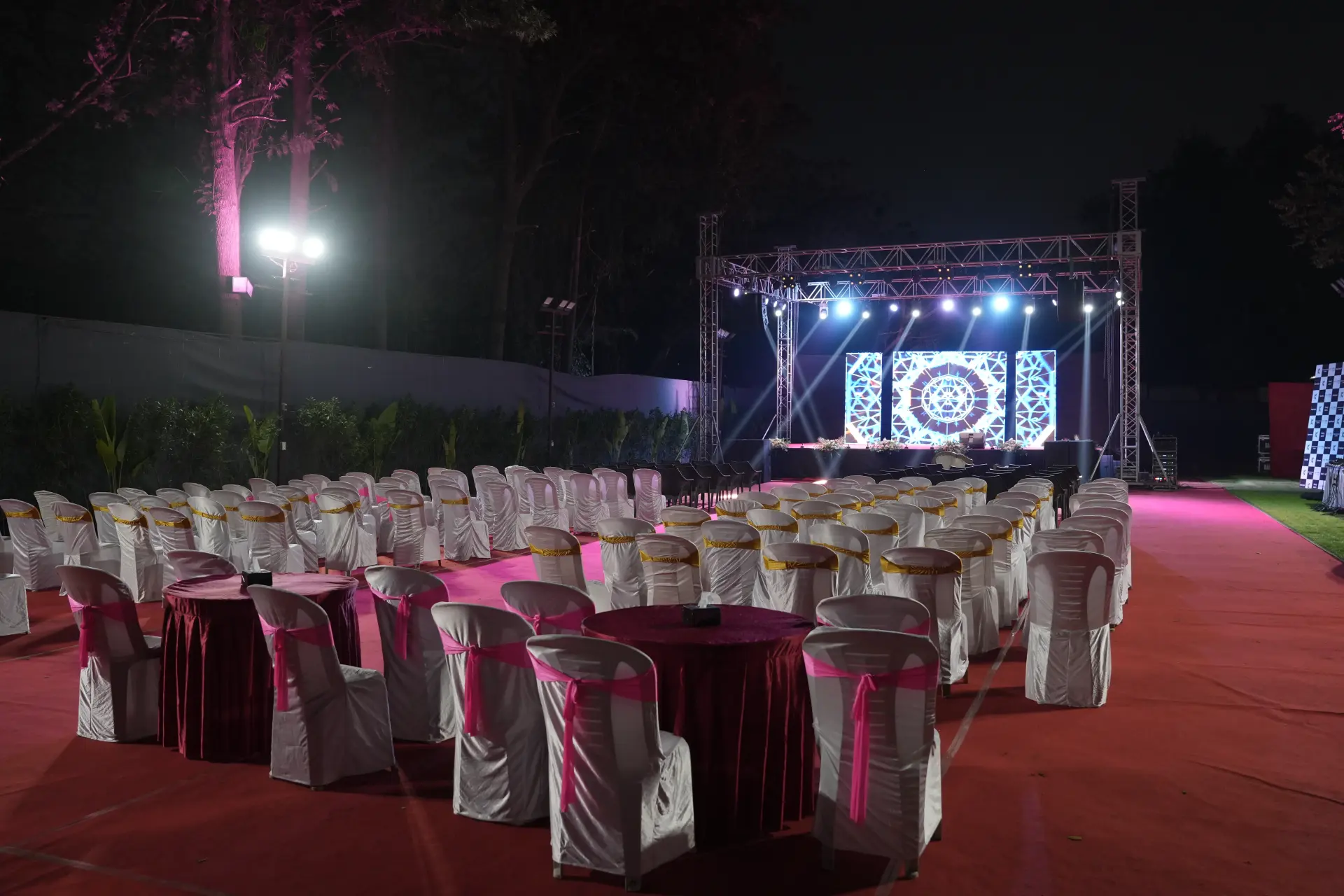
We plan, set up and run company events across Pune and other cities: conferences, annual days, town halls, dealer meets, offsites, award nights and launches, with one team from the first reply to the wrap-up. Running since 2013, we have delivered 500+ events for 100+ brands and companies.
Put the nine items into one page and send it through our contact page, and you will get back an itemised proposal, a draft flow and a named lead. Our corporate event planner in Pune page shows the formats we run most often, and if your event is a conference with sessions and speakers, start instead at conference organisers in Pune.
Frequently asked questions
What information does a corporate events planner need to give a quote?
Nine things: the decision the event must produce, the date and whether it can move, a headcount range with the mix of guests, the start and end times, the venue status, anything already fixed, a budget band, the approval chain, and your brand files. Send the same document to everyone you are considering.
Should I tell an events planner my budget?
Yes, as a band or a ceiling. Without one, each proposal is built for a different scale of evening and none of them can be set against the others. A range is not a negotiating position given away; it is the only way three teams can design the same event, and it saves a round of rewriting.
How long should a planner take to respond with a proposal?
About a week for a complete pack, longer if custom fabrication or an unusual venue is involved. Expect questions within a day or two, which is a good sign rather than a bad one. If a full proposal arrives within hours of a detailed brief, it is probably a template with your name typed at the top.
What if we have not chosen a venue yet?
Say so plainly and give the area, the constraints and how far guests will travel. An honest open brief usually gets you a venue shortlist with reasons attached, which is worth having. Pretending to be close to booking gets you a proposal built on assumptions that has to be redone once the real venue is known.
Who inside a company should own the event brief?
One business sponsor, with a named deputy for when they travel. They collect the pieces from HR, finance, admin and marketing, and they hold the final yes. Events lose weeks when four people each own a part of the brief and none of them can approve the whole, especially once venue dates start being released.

Vicky founded Plan With YOLO in Pune in 2013 and leads the planning on corporate events, weddings and stage production across Maharashtra.