Consumer expo
Open to the public — lifestyle, home, wedding, food. Footfall is the whole product.
Shop 7, Ekta Nagri, Near Dwarka Apartment, Anand Nagar, Pune 411051

Two different jobs share one word. Building a stall for an exhibitor is one. Organising the whole expo — floor plan, exhibitor sales, footfall, permissions, three days of running it — is this one.
Stalls sold, and people through the door. Everything else is in service of those two, and an expo that gets one without the other is remembered badly by whichever side was short-changed.
Exhibitors pay to meet buyers. If footfall is thin they will not come back next year, and the second edition is always harder to sell than the first. Visitors come for variety. If half the floor is empty they leave in twenty minutes and tell people it was not worth it.
So the floor plan, the pricing, the marketing spend and the date are all one decision rather than four. We plan them together, and we will tell you plainly when the maths does not work — which is more useful than a proposal that assumes it will.
Open to the public — lifestyle, home, wedding, food. Footfall is the whole product.
Industry buyers only, where quality of visitor matters far more than quantity.
Few large exhibitors, high ticket value, and a floor plan built around test drives or model displays.
Schools, colleges and institutes, usually tied to admission season.
Seasonal, decor-heavy, and judged on how many enquiries each stall collected.
Run for a member body, where the politics of allotment matters as much as the plan.
Employer booths, candidate flow, and a registration system that does not queue out of the door.
An exhibition zone attached to a conference or a festival.
Listed roughly in the order it has to happen.
What the expo is for, who it is for, and the date that does not collide with a bigger show in the same category.
Aisle widths, entry and exit, food and rest zones, and a plan where no stall is a dead corner.
The brochure, the rate card by position, the follow-up, and the allotment that keeps competitors apart.
Print, outdoor, digital and school or association tie-ups, with a target and a spend agreed up front.
Local body approvals, fire clearance, structural safety for the build and the paperwork a venue will ask for.
Registration desks, helpdesk, announcements, housekeeping, security and someone who owns every hour.
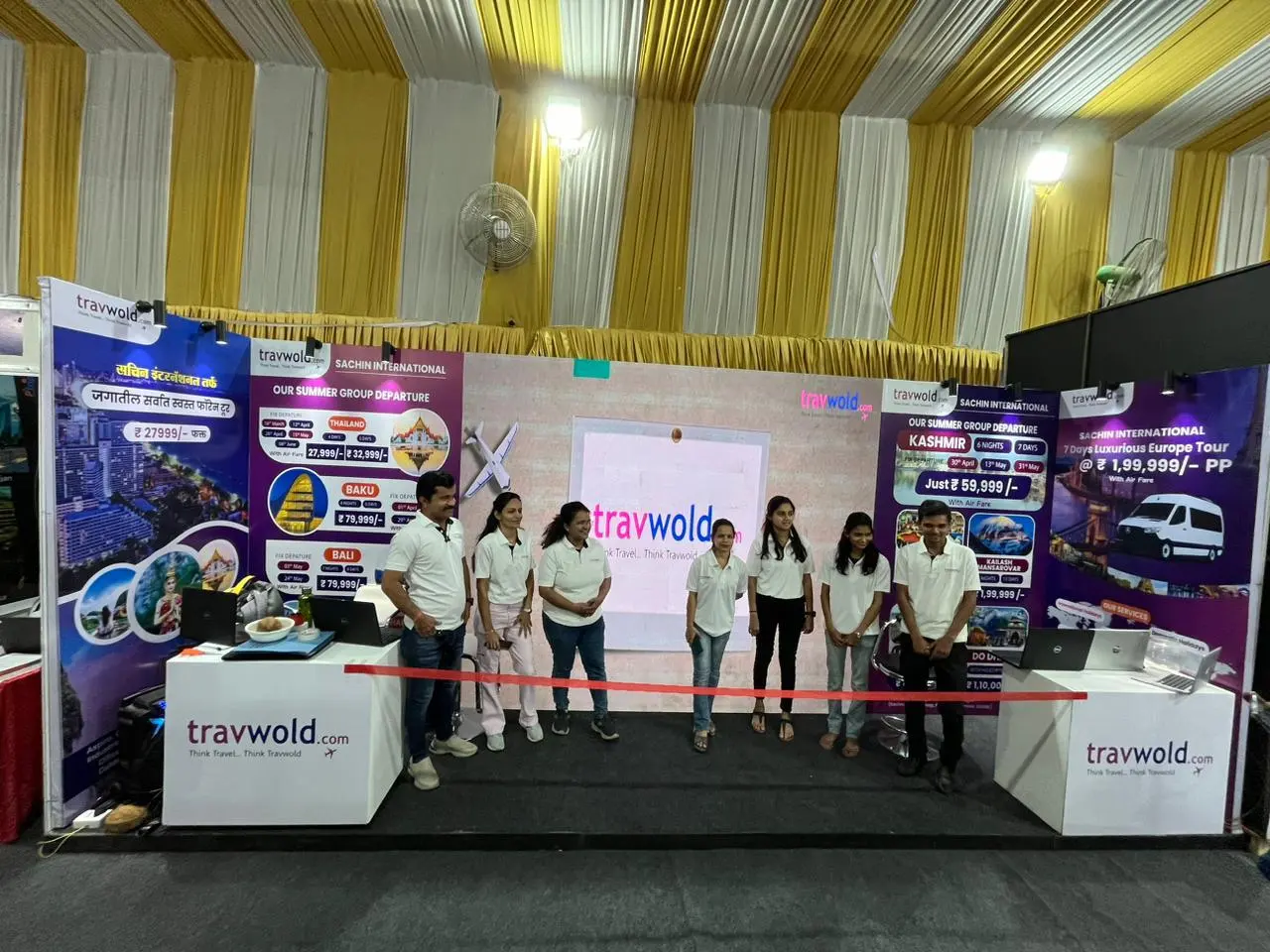
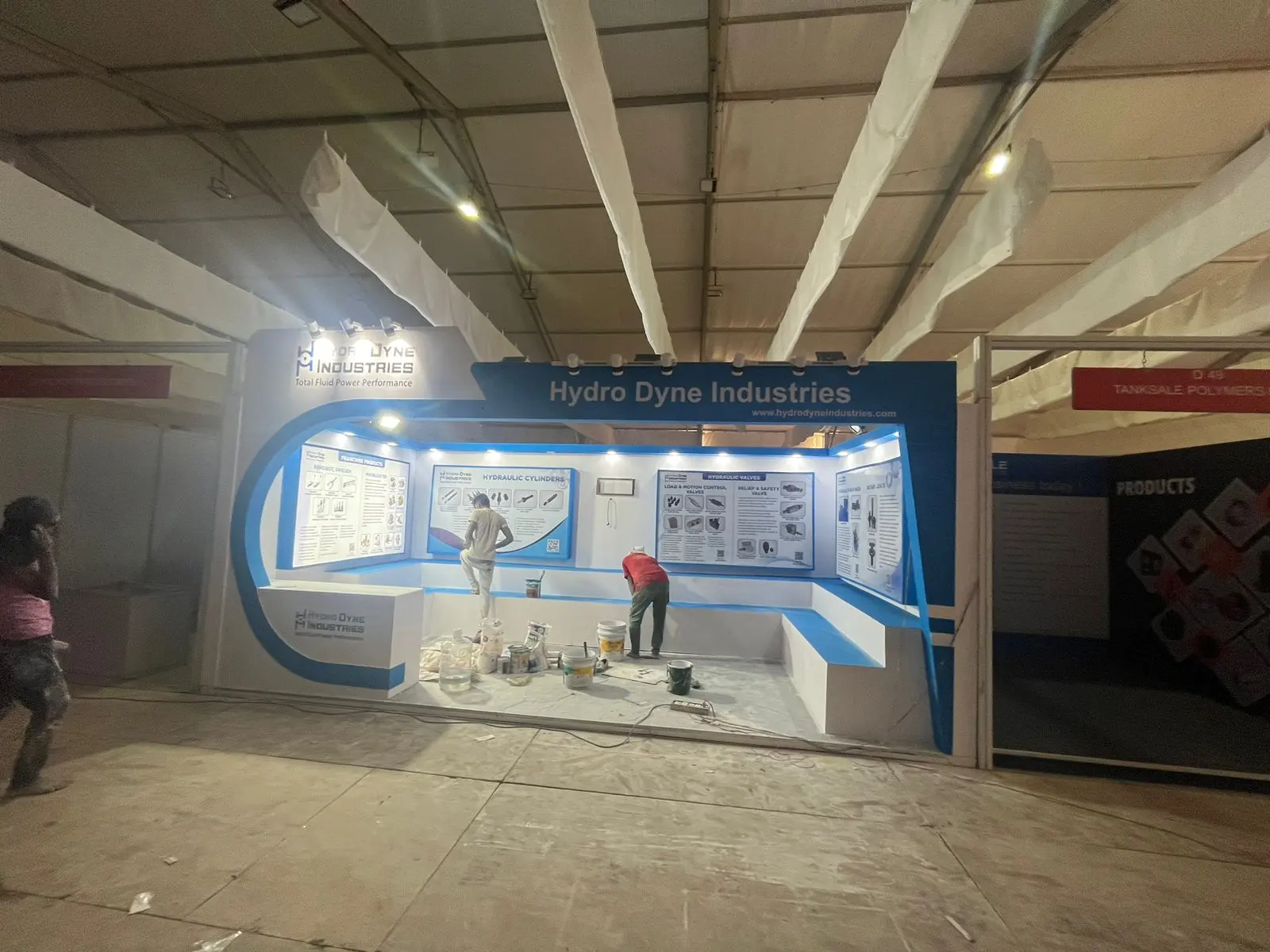
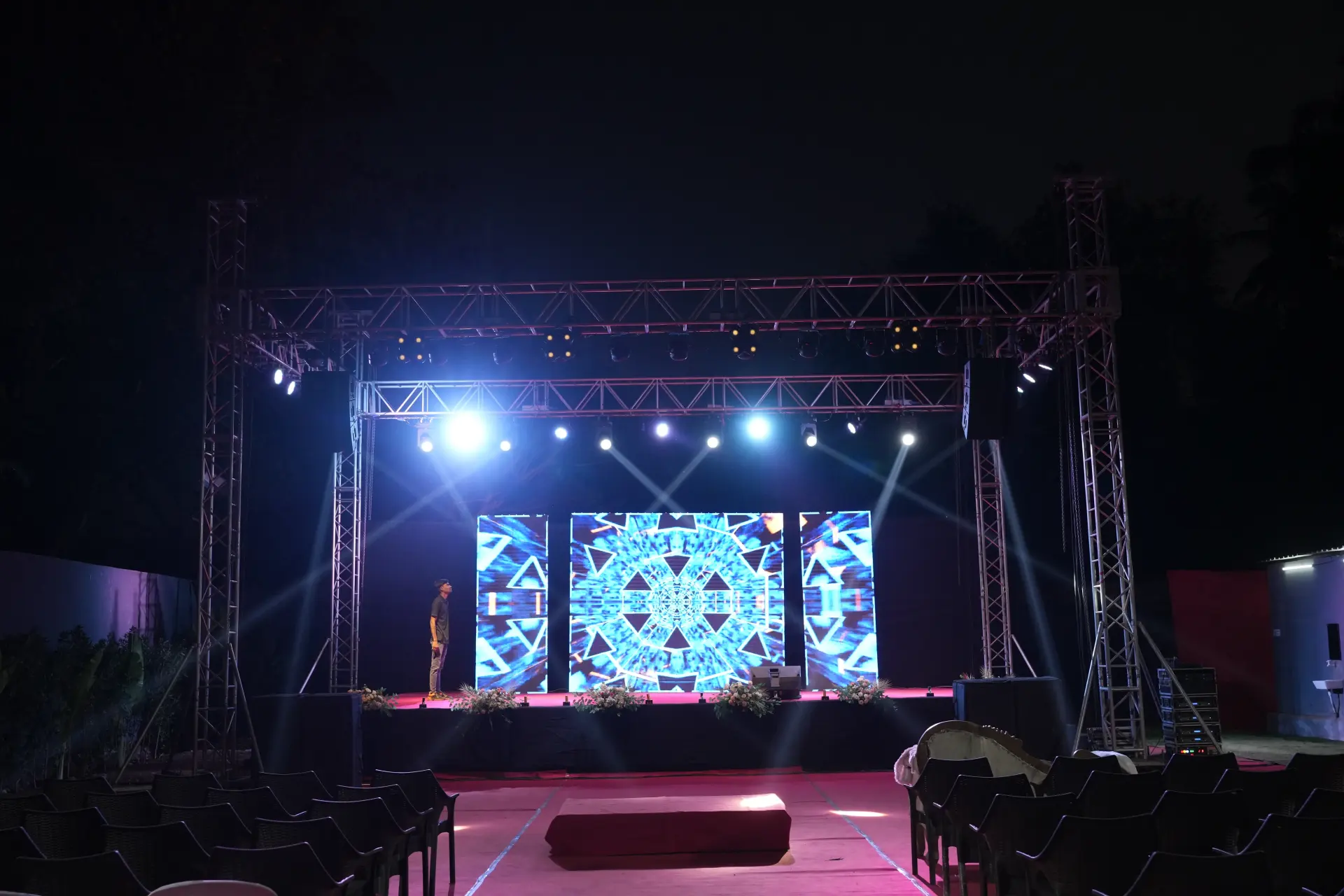
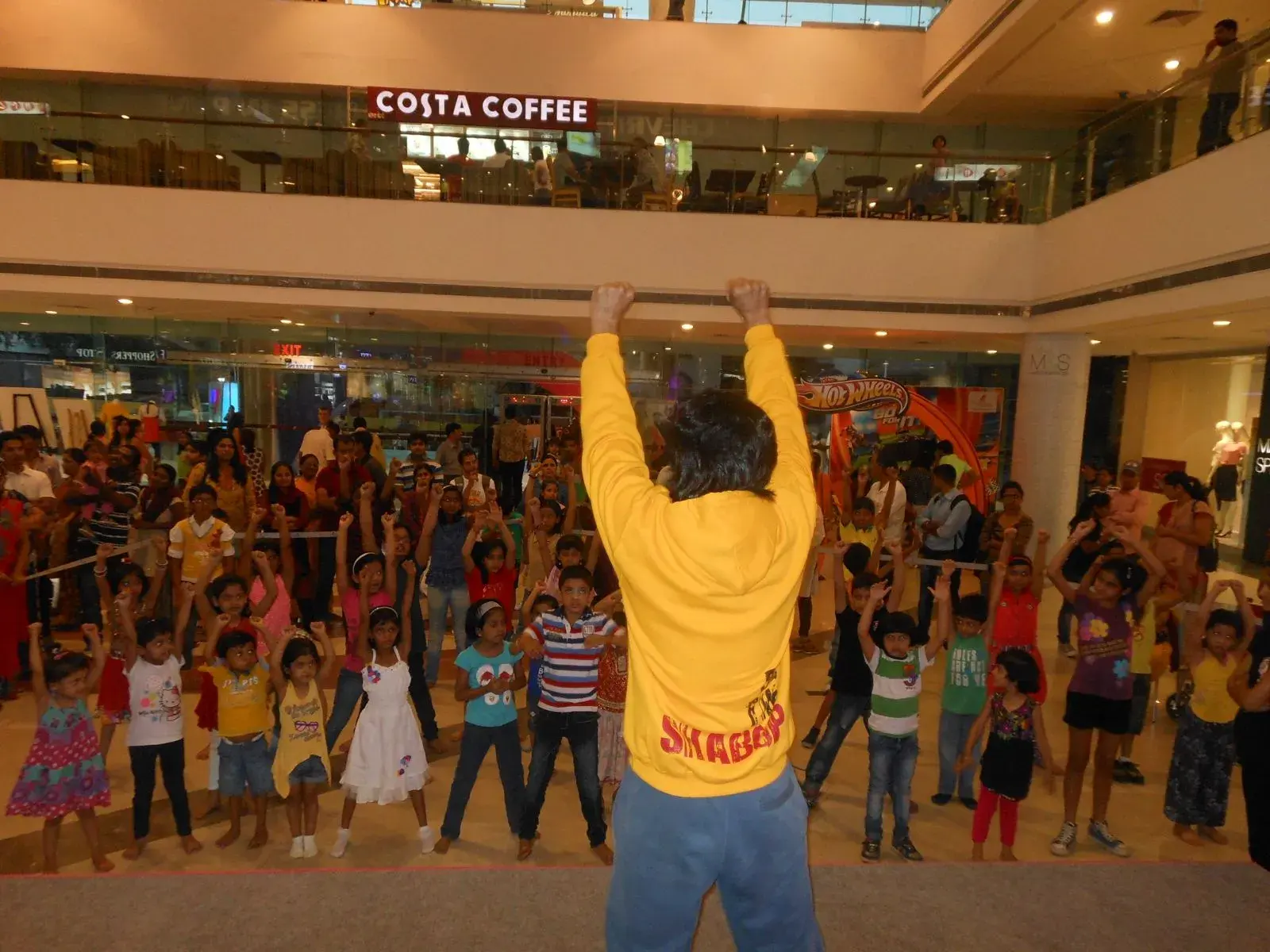
Every photo here is from an event our team planned and ran.
A first expo is sold on enthusiasm. A second is sold on what exhibitors tell each other afterwards.
Exhibitors are buying access to visitors. If the marketing spend is whatever is left after costs, the hall will be quiet and every stallholder will know by eleven on day one. Decide the footfall target and the spend to reach it before the rate card is printed, and price the stalls to carry it.
Every floor has corners people do not reach. The answer is to put something they want there — food, the stage, the registration desk, a demo zone — so the whole floor is walked. Selling a dead corner at full price buys you one angry exhibitor and no second booking.
Narrow aisles feel busy for an hour and exhausting after that, and people leave. Wider aisles with seating make a two-hour visit comfortable, which is when buying conversations happen.
What a stallholder wants on day four is a list of who came. Badge scanning or a simple registration capture turns your expo from a day out into a measurable thing they can justify next year.
A clash with a larger show in the same category, an exam season, a festival week or heavy monsoon can halve attendance before anything else is decided. We check the calendar properly before anything is committed.
Local body approval, fire clearance and structural safety sign-off have their own queues. Starting them late is the single commonest reason an expo opens a day short.
If you are exhibiting at somebody else's show rather than running your own, that is the other job — see exhibition stall design and fabrication. For the wider service see event management in Pune.
Most people start here with a search rather than a recommendation, and the first results are the ones paying for the position or carrying the most reviews. Neither tells you whether a team has set up in a hall like yours.
A team that has worked Pune knows the access, the power and the society timings. Ask for that, ask for the breakdown, and ask who runs the day. Our contact page has both numbers and WhatsApp, and you will get an itemised scope back rather than one figure.

Can't find yours? Call or WhatsApp — a planner answers.
An organiser runs the whole show — venue, floor plan, selling stalls to exhibitors, bringing visitors, permissions and the show days. A stall contractor builds one exhibitor's stall inside somebody else's show. They are different businesses with different customers, and we do both as separate services.
Backwards from what exhibitors are paying. If a stall costs a certain amount, the visitors passing it have to make that defensible, or there is no second edition. We set the target and the marketing spend to reach it before the rate card is printed, rather than spending whatever is left at the end.
By position and size — corner and island positions carry a premium, and that premium is usually what funds the visitor marketing. The plan should have no genuinely dead positions: anything in a far corner gets an anchor near it, such as food, the stage or registration.
Local body approval, fire clearance, and structural safety sign-off for anything built, plus whatever the venue itself requires. These have their own queues and are the commonest reason a show opens late or a day short, so they start early rather than after the stalls are sold.
Yes, and the allotment is the delicate part rather than the logistics — who sits where, and which members are kept apart. We work to a written allotment policy agreed with the committee before anything is offered, which keeps the decisions out of the week of the show.
It is usually structured the other way round: the expo is funded by stall sales, and our fee sits inside that model rather than on top of it. What we need to quote is the hall, the number of stalls, the number of days and the footfall target. Send those and you will get the economics laid out before anything is committed.
It is worth treating that search as a shortlist, not an answer — no one certifies a best. Plan With YOLO has planned events since 2013 out of Pune and handles consumer expo, b2b trade fair and property and auto expo in Pune. Ask who is on site on the day and who answers the phone if something slips.
The shortlist worth having is teams who have set up in Pune before; venue quirks are the part nobody writes in a quotation. Our office is in Anand Nagar off Sinhagad Road and the crew travels to Pune with its own kit. Send the date, the venue and a rough guest count and you get a scope back the same day.
The number depends on guests, venue, décor and stage scale, and how close to the date you book. A wedding date in season and a weekday corporate meeting in Pune are not comparable, so a quoted range before anyone has seen the brief is not worth much. You will get an itemised scope for your own event, and every line on it can move.
Pune · PCMC
Pune · PCMC
Mall activations · Roadshows · SamplingPlanning an expo? Send the hall and the dates.
How many stalls you want to sell, how many days, and who the visitors are. We will tell you plainly whether the numbers work.