Licences and clearances
Event permission, fire clearance, and guiding every stallholder through temporary FSSAI registration.
Shop 7, Ekta Nagri, Near Dwarka Apartment, Anand Nagar, Pune 411051

Food stalls need water in, waste water out, gas handled safely, heavy power, and a licence each. That is what separates organising a food festival from organising any other kind of show.
We organise expos and trade fairs, and food festivals are run by the same team but they are not the same job. A product exhibitor needs a table, a light and a plug. A food counter needs water in, grey water out, a gas cylinder stored and used safely, three or four times the power, and its own temporary food licence.
Get those four wrong and the festival either does not open or opens with half its counters cold. We have seen both, and in each case the plan had treated a food stall like a display stall.
The second thing people underestimate is the peak. Food footfall is not spread across the day — it arrives in two waves, and the queue, the seating and the bins all have to be sized for the wave, not the average.
The order below is the order it has to be solved in.
Event permission, fire clearance, and guiding every stallholder through temporary FSSAI registration.
Counters placed around water, drainage and power, with aisles sized for a queue rather than a walk-past.
Distribution per counter with load calculated from their equipment, and a drainage route that is not the lawn.
The brochure, the rate by position, and a mix of cuisines rather than six of the same thing.
Marketing with a target, plus seating, bins and hand-wash sized for the two peak hours.
Wet waste, used oil and packaging cleared daily, and the ground returned in the condition the contract names.
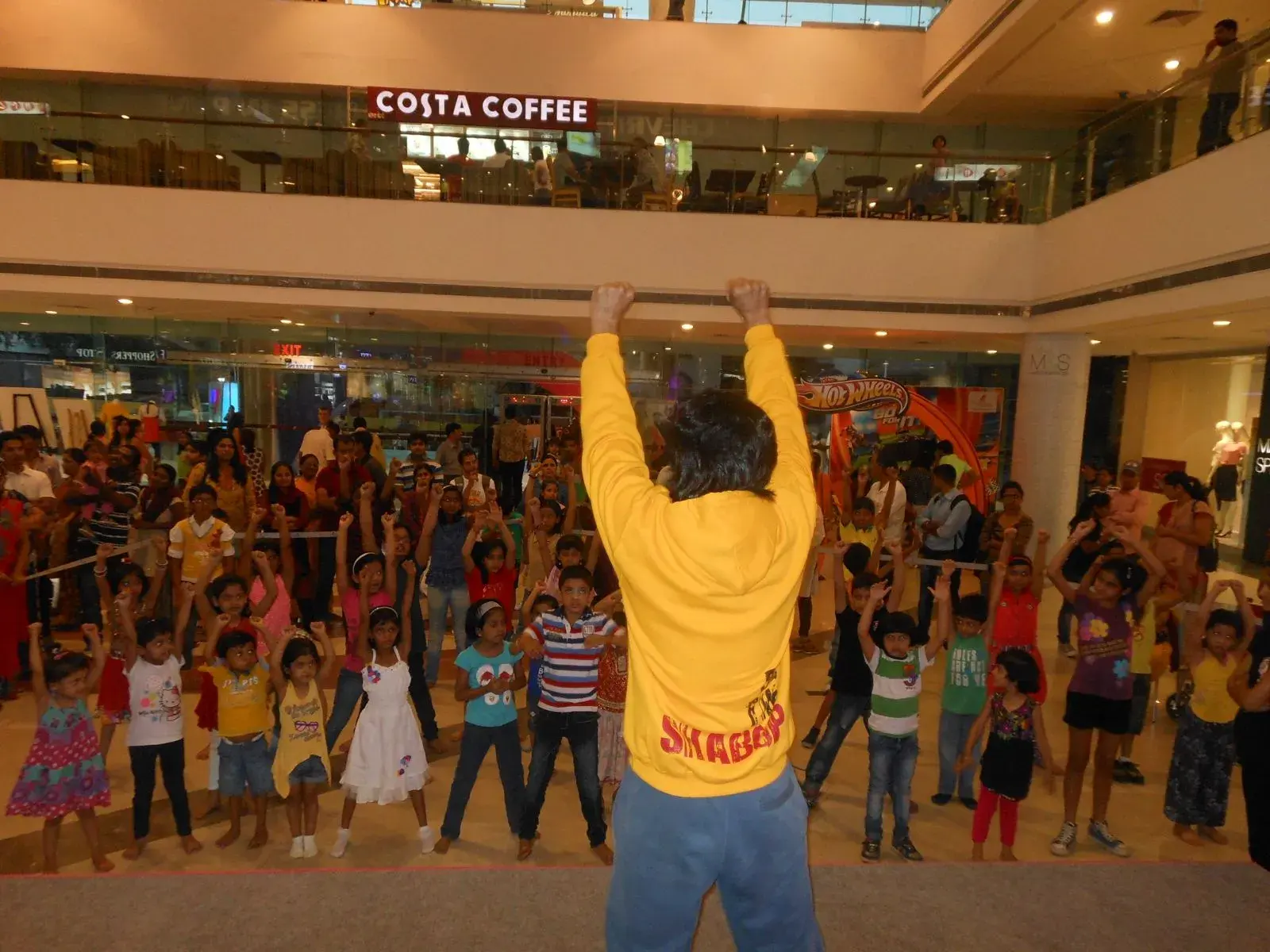
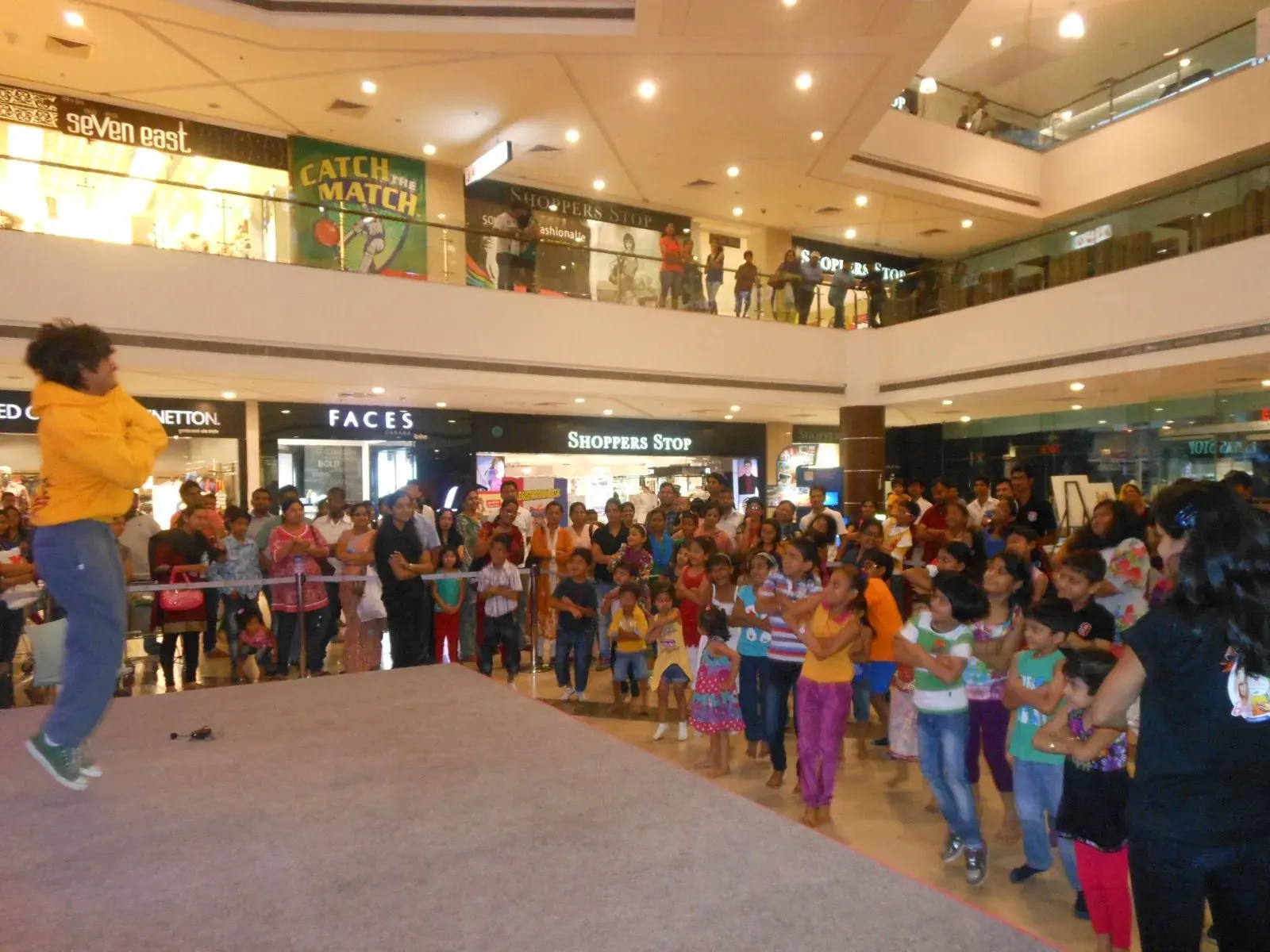
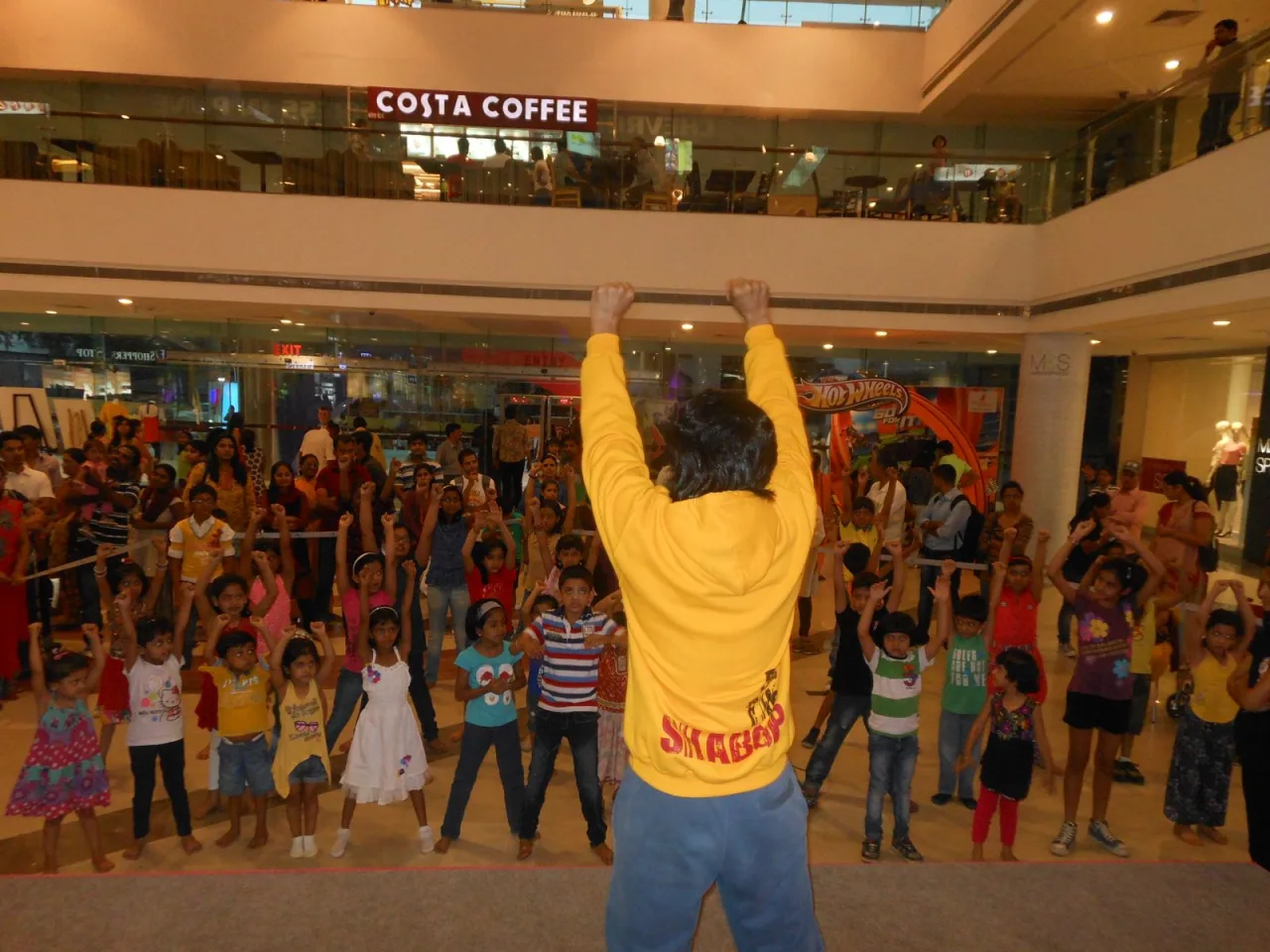
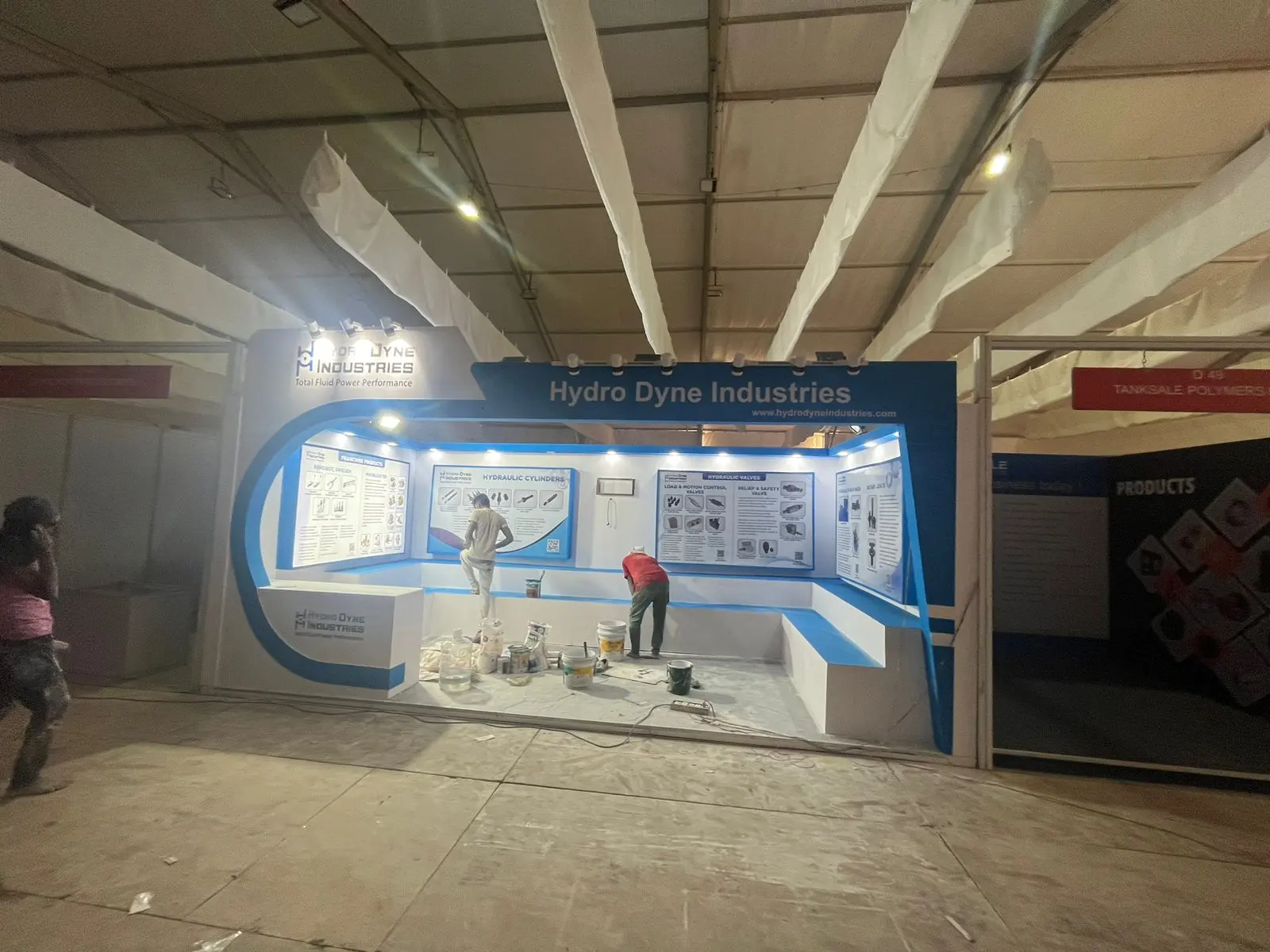
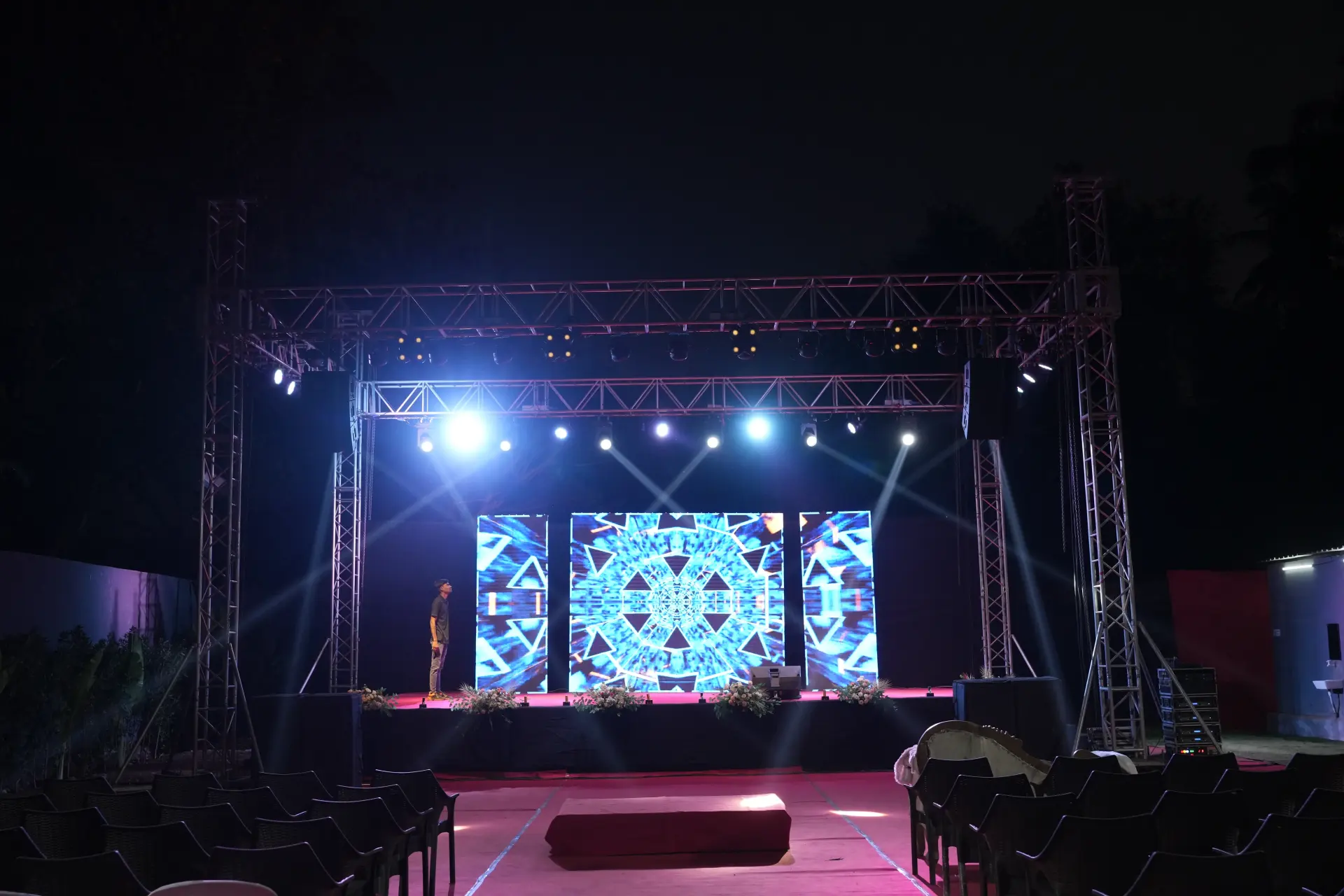
Every photo here is from an event our team planned and ran.
Ticketed or free entry, multiple cuisines, two or three days.
Smaller counters, higher volume, late hours.
Inside a residential complex, where the society’s rules decide everything.
An office campus or cafeteria, run inside working hours.
A catering and stall area attached to a larger festival or expo.
One cuisine — Maharashtrian, Konkani, street, dessert.
Established kitchens running satellite counters, which raises the service requirements.
Produce rather than cooked food, so licences and services change again.
Six, and the first four are services rather than ideas.
Every counter needs a supply and somewhere for grey water to go. On a ground or a lawn there is neither, so both get built — tanks and a drainage route to a legitimate outlet. Washing up into the soil is what gets a venue to refuse you a second year.
Induction plates, fryers, chillers and display lighting per counter. Add it up from each stallholder's equipment list rather than guessing per stall, and build distribution so one counter tripping does not take the row with it.
Cylinder storage, spacing between counters, extinguisher cover, and a clear route for a fire tender. This has to be planned to satisfy an inspection, not after one.
Temporary FSSAI registration is per food business, not per event. Small stallholders often do not know this, so we take them through it — an unlicensed counter closed on day one is a refund and a bad story.
Food footfall arrives in two waves. Queues, seating, bins and hand-wash points sized on the daily average will all fail at eight in the evening, which is precisely when everyone is there.
Wet waste, packaging and used cooking oil, cleared daily, with disposal arranged rather than assumed. Venues now name this in writing and withhold the deposit over it.
See expo organisers for the general show, activations for brand-funded formats, and all services.
Most people start here with a search rather than a recommendation, and the first results are the ones paying for the position or carrying the most reviews. Neither tells you whether a team has set up in a hall like yours.
Three questions separate the shortlist quickly: has the team worked in Pune before, is the quotation itemised, and who is physically on site on the day. Our contact page has both numbers and WhatsApp, and you will get an itemised scope back rather than one figure.
Can't find yours? Call or WhatsApp — a planner answers.
Event permission from the local body, fire clearance for the build and the gas, and a temporary FSSAI registration for every food stallholder — it is per food business, not per event. Small stallholders usually do not know this, so guiding them through it is part of the job.
Three to four times a display stall: induction plates, fryers, chillers and lighting. The load is added up from each stallholder’s actual equipment list, with distribution built so one counter tripping does not take out the whole row.
Both get built. Supply comes from tanks and grey water goes to a legitimate outlet, routed away from where people walk and eat. Washing up into the soil is the fastest way to be refused the venue next year.
Cylinder storage and spacing, extinguisher cover per zone and a clear route for a fire tender, laid out to satisfy a fire inspection rather than to pass one narrowly. On a food event this is the clearance most likely to stop you opening.
For the peak, not the average. Food footfall arrives in two waves, and seating, bins and hand-wash points planned on a daily average all fail at eight in the evening when the ground is fullest.
It is usually funded by stall sales with sponsorship on top, so what we need to quote is the ground, the number of counters, the days and the footfall target. Water, power, gas handling and waste are the lines people leave out, and they are the ones that decide whether it opens.
Search results do not rank planners by quality, so the label is only ever someone's opinion. Plan With YOLO has planned events since 2013 out of Pune and handles public food festival, street food carnival and society food festival in Pune. Ask what happens to the price when a number moves; a single figure tells you nothing.
Start with teams that already work in Pune — they know the venues, the loading access and the society rules, which is where most local jobs go wrong. Our office is in Anand Nagar off Sinhagad Road and the crew travels to Pune with its own kit. Send the date, the venue and a rough guest count and you get a scope back the same day.
There is no standard rate — the cost follows the guest count, the venue, how much décor and stage you want, and the date. A wedding date in season and a weekday corporate meeting in Pune are not comparable, so a quoted range before anyone has seen the brief is not worth much. You will get an itemised scope for your own event, and every line on it can move.
Pune · PCMC
Mall activations · Roadshows · Sampling
Pune · PCMCFood festival to run? Send the ground.
The venue, how many counters and how many days. The first thing we will tell you is what the ground needs for water, power and gas.