
A birthday party is a hosted gathering of a set length built around five parts: arrival, one activity, the food, the cake, and going home. Decoration and a theme sit on top of that shape. Fix the running order first, because that is what decides whether the party feels finished.
What is a birthday party? It is a hosted gathering of a fixed length built around five parts: the arrival, one activity, the food, the cake, and going home. Everything else hangs off those five.
Planning this in Pune? See our birthday event planners in Pune: one team plans and runs it with you, since 2013.
Most birthdays get planned backwards. The cake and the decoration are settled weeks ahead, and the shape of the two hours is decided on the morning itself. That is why so many of them sag in the middle, and why the room thins out before the food appears.
What follows is the shape we work to, what each block is for, and what goes wrong in a Pune flat, a clubhouse or a hired hall.
What is a birthday party made of?
A birthday party is five blocks of time in a row, each with one job. Name the job and you know where the money should go.
Arrival
Guests come in across the first twenty minutes or so, never together, so nothing important can happen here. Put out one easy thing for the children who arrive early, and keep the host free to receive people. This is also when shoes, bags and wrapped gifts need somewhere to go, which almost nobody plans.
The activity
This is the reason people stay. For children it is games, an entertainer or a craft table. For adults it is food, music people can talk over, and enough seating. One activity done properly beats three rushed ones.
The food
Food is hospitality and a timing tool at once. It holds people in the room between the activity and the cake. Bring it out late and guests leave hungry; bring it out during the entertainer and nobody watches either.
The cake
The cake is the peak and everything before it builds towards it. Lights down, everybody in one place, a minute of singing, photographs, then the cutting and handing out. It is the part every guest remembers, so do not improvise it.
Going home
A party needs an ending, and the ending has to be announced. Return gifts go at the door as people leave, never earlier: hand them out in the middle and the children stop playing and start comparing.
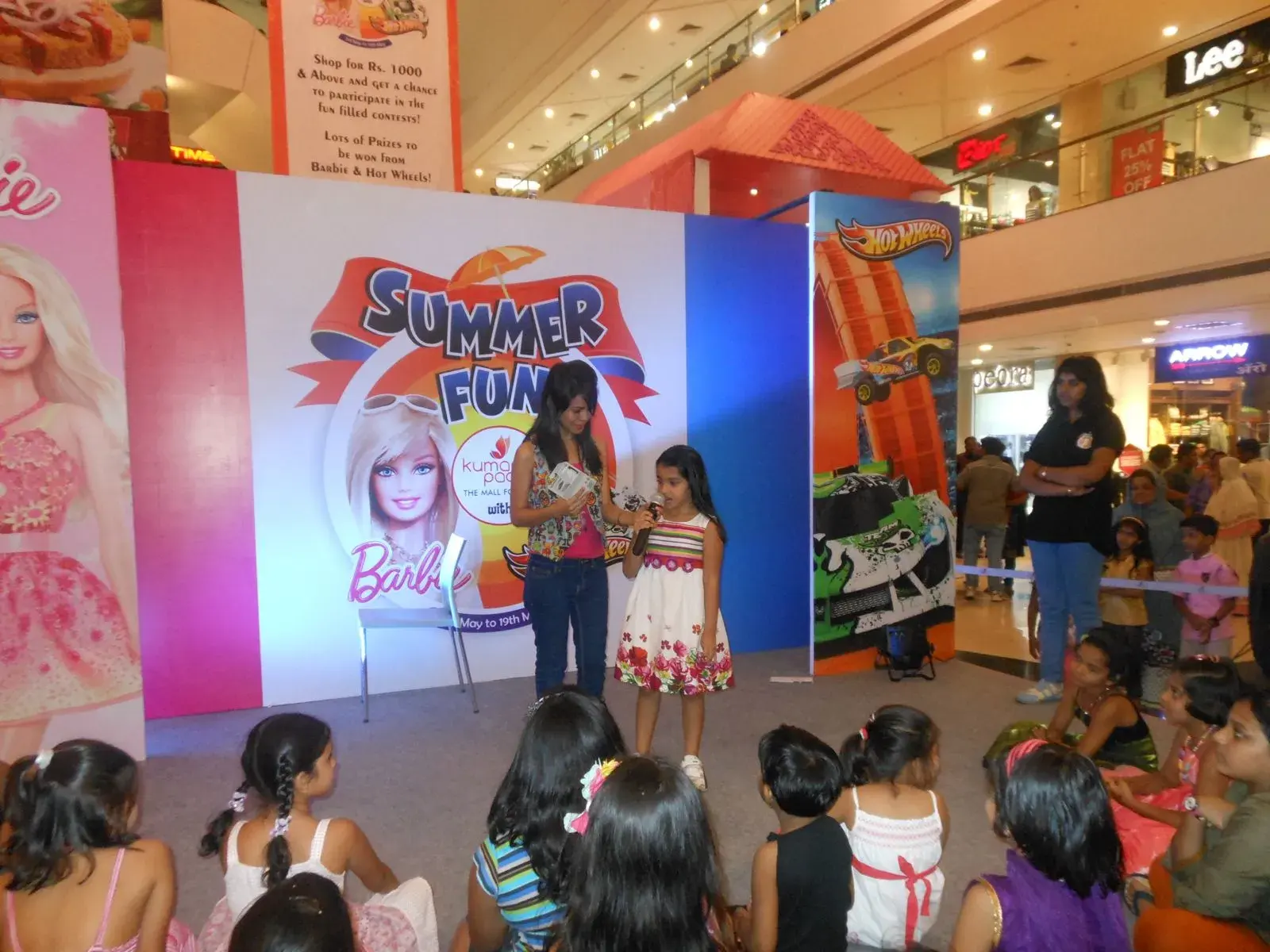
The running order, block by block
The most useful thing you can do is write the party down as a clock and give a copy to whoever is serving the food. Caterers and decorators work to your timings; with none, they invent their own, and theirs suit them.
Below is a two-hour children’s party, the right length for nearly every age. For an adult evening, stretch the food and the sitting and leave the rest alone.
| Block | What is happening | How long | What usually goes wrong |
|---|---|---|---|
| Setup | Backdrop up, cake table laid, sound tested, gift corner marked | 60 to 90 minutes before | The venue counts this inside the hours you booked |
| Arrival | Host receives guests, one easy thing out for early children | First 20 minutes | The programme starts before half the guests are in |
| Activity | Games, entertainer or craft table, the loudest stretch | 30 to 40 minutes | Three activities attempted and none of them finished |
| Food | Snacks, then the meal, with drinks within reach | 25 to 30 minutes | Served after the cake, so guests eat and leave |
| Cake | Lights down, everybody in one place, cut, photographs | 15 minutes | No knife, no plates, or a cake that has gone soft |
| Sitting and free play | Adults talk, children run, music drops a level | 20 minutes | Nobody has told the parents when it ends |
| Going home | Return gifts at the door, host at the exit, clearing begins | Last 10 minutes | Gifts given out early and the party stops dead |
Two lines matter most. Food before cake, always. And the hours your venue gave you are not the length of your party: they include the time your material takes to come up and go down.
What is birthday party food, and how much do you need?
Birthday party food is one round of served snacks, one small meal, a drink and the cake. That is the whole brief. Children eat far less than the order suggests and adults eat later than you expect, so the usual mistake is quantity rather than variety.
Keep it to a handful of items served well. Finger food that needs no plate and no knife moves fastest in a room with few tables. One vegetarian main, one rice or bread, one sweet besides the cake, and reachable water.
Settle these before you order
- How many of your guests are children, and how many adults are staying to eat?
- Is the venue tied to its own caterer, and what does bringing your own involve?
- Which plates have to be kept apart, such as Jain, no onion and garlic, or a nut allergy, and who labels them?
Ask any caterer for the licence number on their paperwork and check it. Food business registration in India is public record through the food safety authority, and a caterer who cannot produce a number should not be cooking for a room full of children.
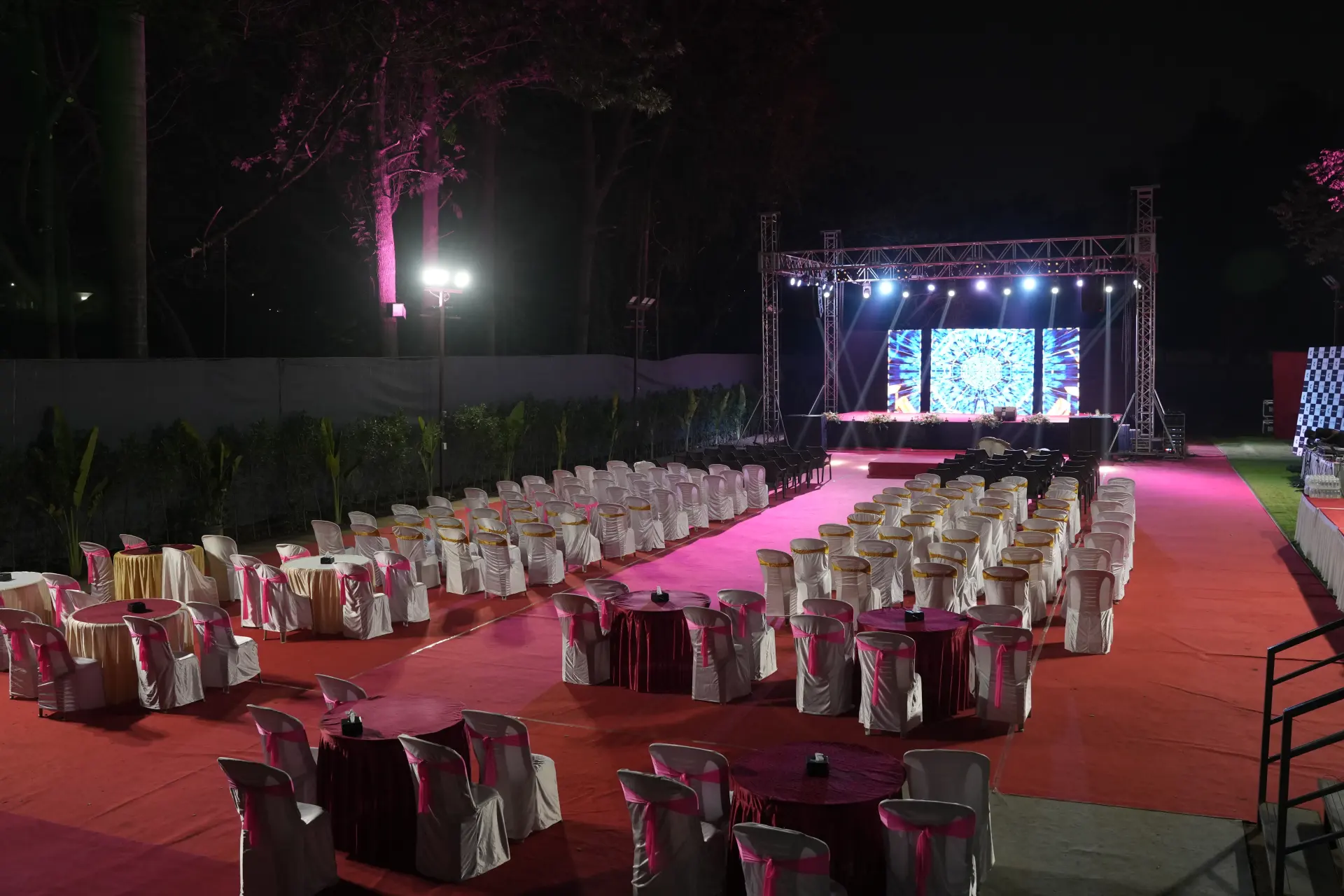
What is a birthday party theme, and when does it earn its keep?
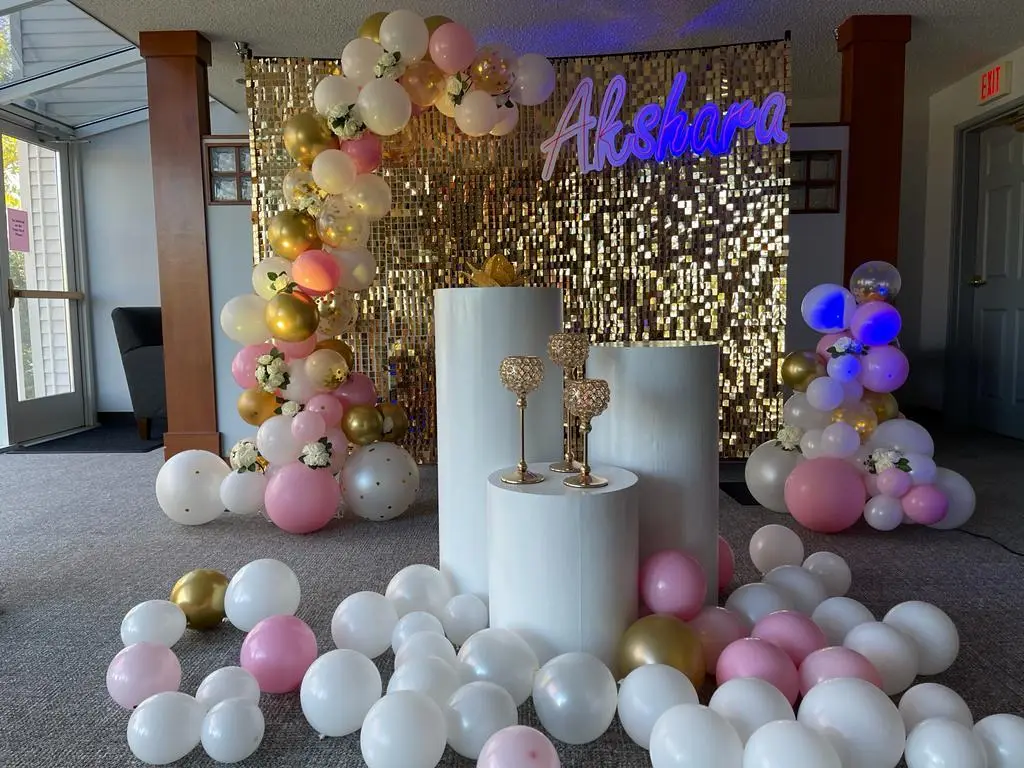
A birthday party theme is one visual decision repeated everywhere: a colour pair, a character, or a single idea carried across the backdrop, the cake, the table, the invite and the return gifts. A theme is a filter, not a shopping list. Its value is that it tells you what to leave out.
Themes earn their keep up to about the age of ten, while a child genuinely minds which one it is. After that the activity carries the party; teenagers remember the music and the food. For adults, a colour and a dress line on the invitation is enough.
Where themes go wrong
Nearly always because the photograph was taken in a bigger room. A backdrop that fills a hall wall looks odd in a flat, and a prop list drawn up for a lawn will not sit in a clubhouse with pillars down the middle. Measure the wall you have. Ideas sized for real Pune rooms are on our page of birthday party themes.
What is a birthday party for kids, and how is it different?
A children’s birthday party is shorter, louder and more tightly run than an adult one. Two hours is the ceiling, not the target. One activity, one food service, one cake moment, and an adult watching each small group rather than one person trying to watch the room.
By age
- Under two. The party is really for the adults. Keep it short, keep it to the afternoon, and give the babies clean floor away from the sound.
- Three to six. Short games where nobody loses, an entertainer in the middle, and food they can hold in one hand.
- Seven to ten. One activity with a result: something they take home, a hunt, a game with teams. This is the age a theme matters most.
- Eleven and above. Let them choose it. Music, food and a space of their own beats anything you arrange.
What parents ask about afterwards
Whether their child was counted at the door, whether somebody watched the stairs, and whether the food contained anything their child cannot eat. Keep the guest list on paper and print the finish time on the invitation.
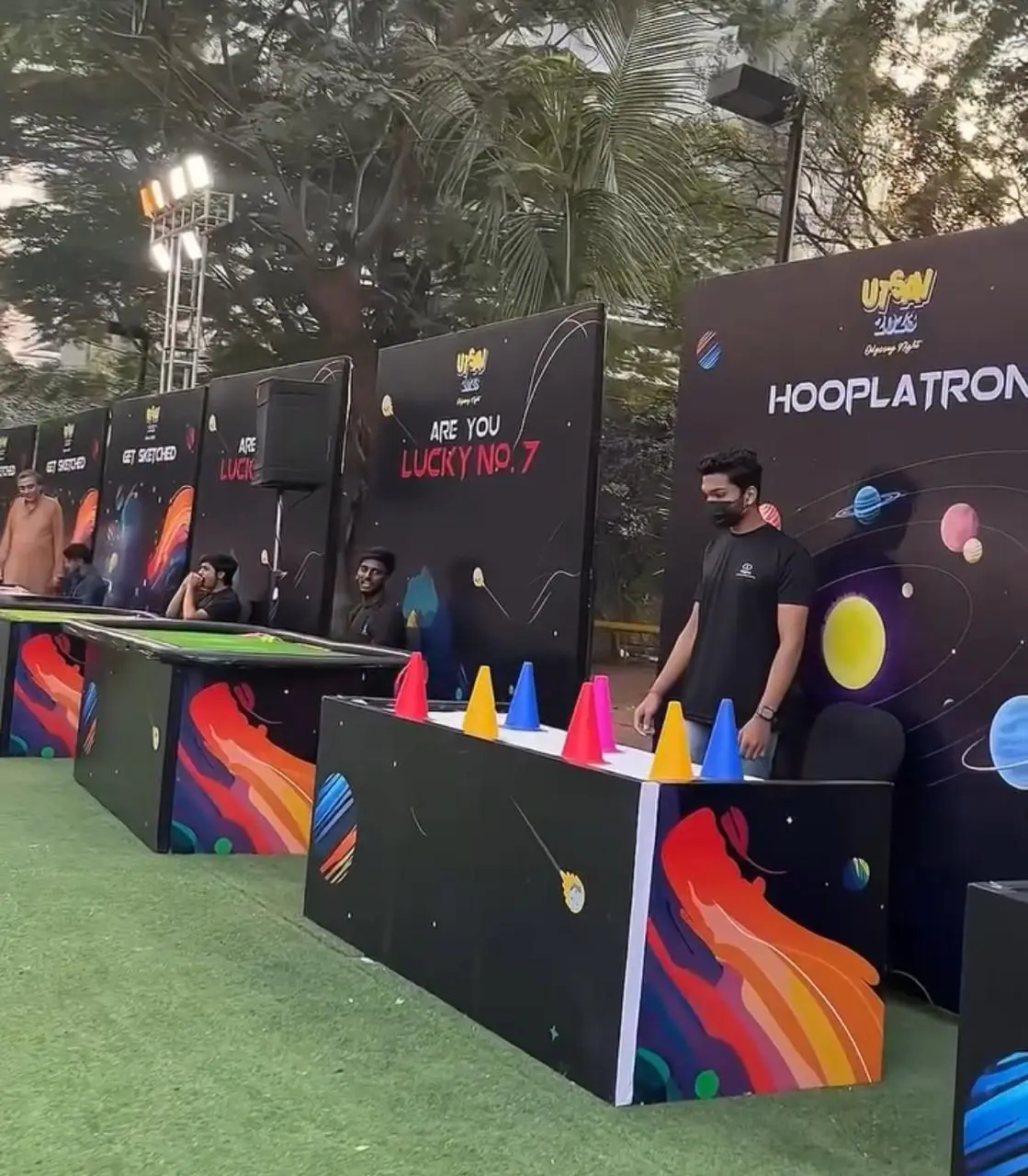
What goes wrong in Pune, specifically
The venue decides more of your party than the theme ever will. Four local facts matter more than anything on a mood board.
The hours you booked are not your party
Most society clubhouses hand you a block of hours that covers your decorator arriving, the setting up, the party and the clearing. A four-hour booking with an hour of setup and half an hour of clearing leaves a party of two and a half hours. Get that window from the committee in writing.
Karyalayas and halls run on turnarounds
A hired hall often has another function before or after yours, so the hard stop is real and the house decorator may have first call on the walls. Ask what is booked ahead of you, and what you may fix to a wall.
The clock is a local problem
An afternoon slot suits small children but collides with school and the heat. An evening slot with guests coming from Kothrud, Wakad or Kharadi means they sit in traffic and arrive in a trickle. Choose the time by where guests travel from, not by what the hall has free. Loudspeaker hours are set by civic notice rather than by the hall manager, and they tighten around exam season, so read the current notice on the civic body’s own site.
Monsoon, and anything open to the sky
A lawn or terrace party between June and September needs a covered answer agreed in advance, not improvised on the day. Across the city and through PCMC the rain comes in short heavy bursts, and a tent on standby is calmer than a party shifted indoors while guests watch.
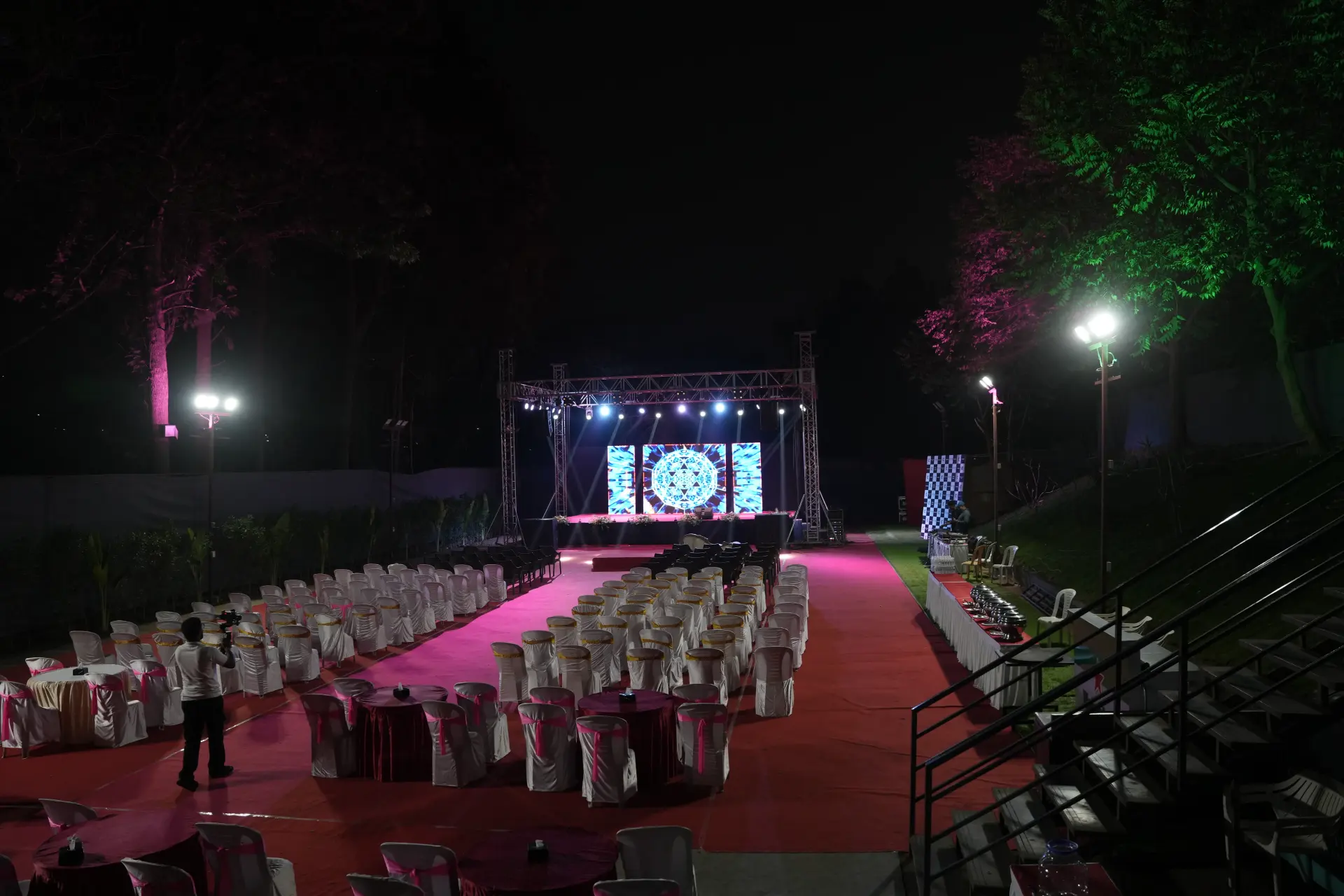
Decide it in this order
Date and time first, because the guests you want decide both. Then the venue, because the venue sets what is possible. Then the running order, written as a clock. Then the food against that clock. Then the theme and the decoration, which are the last decisions rather than the first. Then the mechanics: who receives guests, where gifts go, and who stands at the door with the return gifts.
Done in that order, a birthday party stops being a list of things bought and becomes two hours that run themselves.
We have set up birthdays in this city since 2013, from a balloon wall in a living room to a hall with a stage. Read how a birthday party planner handles the day, see what changes for a first birthday, then send the date, the space and the age through contact for a scope with lines you can cut.
Frequently asked questions
What is a birthday party?
A birthday party is a hosted gathering of a set length built around five parts: the arrival, one activity, the food, the cake moment and going home. Decoration, a theme and an entertainer sit on top of that shape rather than replacing it. Most parties that feel flat have skipped the shape and bought the decoration instead.
What is birthday party food, and how much should I order?
Birthday party food is one round of served snacks, one small meal, a drink and the cake. Keep the menu short and the quantity honest, because children eat less than you expect and adults eat later. Count the adults who are staying to eat, not the invitation list, and serve the meal before the cake rather than after it.
What is a birthday party theme?
A birthday party theme is one visual decision repeated across the backdrop, the cake, the table, the invitation and the return gifts. It can be a colour pair, a character or a single idea. Its real use is as a filter: it tells you what to leave out. For adults, a colour and a dress line on the invitation is theme enough.
What is a birthday party for kids meant to include?
One activity, one food service, one cake moment and a clear finish time, inside two hours. Under the age of two the party is really for the adults. Between three and six, short games where nobody loses and an entertainer in the middle. From seven to ten, one activity with a result. Older children would rather choose it themselves.
How long should a birthday party be?
Two hours for children and about three for an adult evening. Two hours is the ceiling for a children's party rather than something to fill: past that the games have run out and the youngest guests are tired. Remember that the hours your venue books you for include setting up and clearing, so a four-hour slot is not a four-hour party.
What order should a birthday party follow?
Arrival, then the activity, then the food, then the cake, then a short stretch of sitting and free play, then going home with the return gifts handed out at the door. The two mistakes that spoil the order are cutting the cake before the meal, which empties the room, and giving out return gifts early, which stops the party dead.

Vicky founded Plan With YOLO in Pune in 2013 and leads the planning on corporate events, weddings and stage production across Maharashtra.